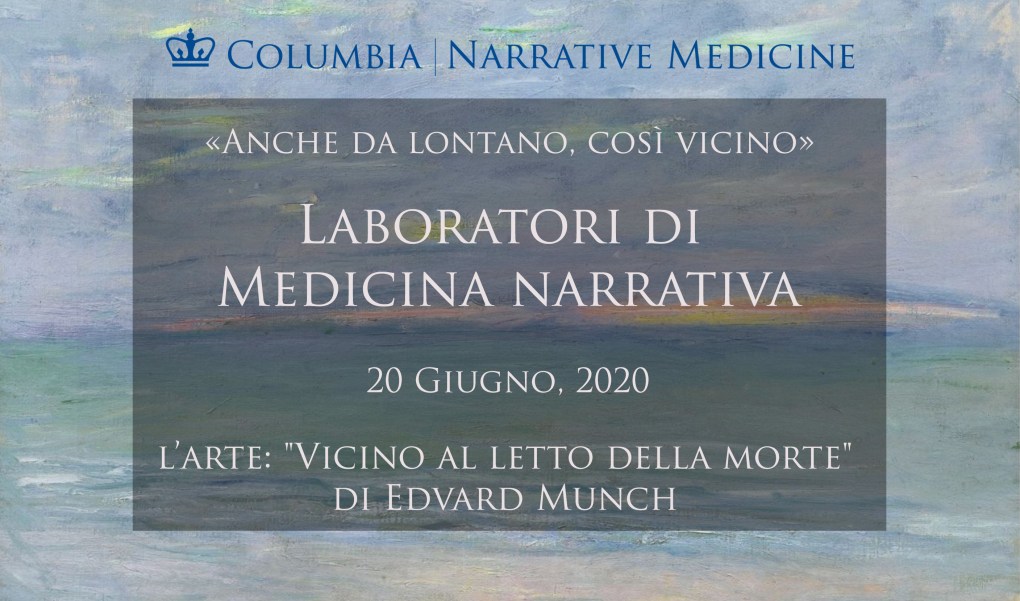
Laboratori Di Medicina Narrativa: sabato 20 giugno dalle 16 alle 17.30

Siamo stati molto lieti di avervi qui con noi!

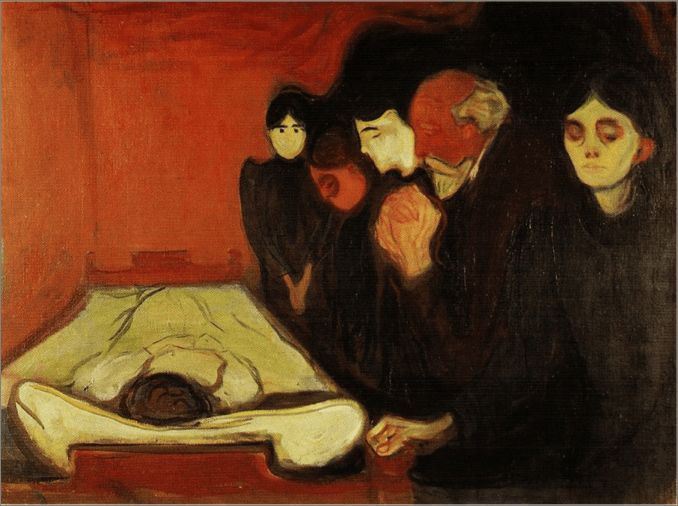
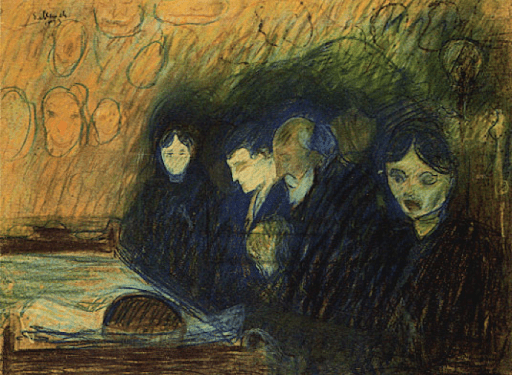
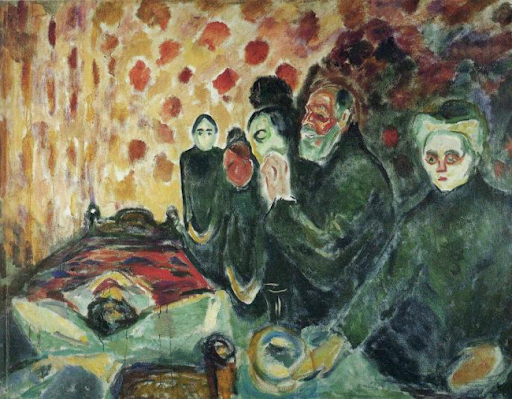
Abbiamo studiato insieme tre quadri di Edvard Munch, โ€œBy the Death Bedโ€ (Vicino al letto della morte) dagli anni 1895, 1893 e 1915 (allegato al termine di questa pagina).ย ย 

In seguito, abbiamo usato un doppio-prompt “Accanto al tuo letto…” e โ€œAccanto al mio lettoโ€ฆโ€.

Condivideremo ulteriori dettagli della sessione nei prossimi giorni; vi invitiamo a rivisitare questa pagina nei prossimi giorni!

Invitiamo i partecipanti del laboratorio a condividere i propri scritti nella parte “blog” dedicata alla fine della presente pagina (“Leave a Reply”). Speriamo di creare, attraverso questo forum di condivisione, uno spazio in cui continuare la nostra conversazione!ย 


Narrative Medicine Book Club: Magic Mountain Week 4

Week 4: The attached quote, referring to the idea of a sick physician (in a paragraph questioning whether a person who is sick can nurse “others in the same way a healthy person can”), seems particularly apt for our current moment, as our country begins (hopefully) to reckon seriously with the ways systemic racism is built into our foundations. We spoke on our zoom call sunday about the waysย Magic Mountainย is allegorical or metaphorical, a theme that will no doubt come up over and again as we move through it. How purposeful was it for Mann not to explicitly name Tuberculosis, so the illness/sanatorium becomes more generalized and therefore more easily metaphorical? I keep thinking about the subtle strangenesses in this world — the way Castorp’sย cigar tastes terrible, for example — small details that suggest to us that this is a world with its own rules. And how this otherworldliness then frees Mann to really be able to move anywhere he wants to go. How about Dr. Krokowski’sย speech, declaring “any symptom of illness was a masked form of love in action, and illness was merely transformed love”? Looking forward to talking about that idea with all of you, and to seeing the way Mann weaves it into his book.ย 

For next week: Read to the end of Chapter 4.


Wirtualne Grupy Narracyjne: Czwartek 18 czerwca, 18:00 CET

Dziฤ™kujemy wszystkim, ktรณrzy wziฤ™li udziaล‚ w dzisiejszej grupie narracyjnej!

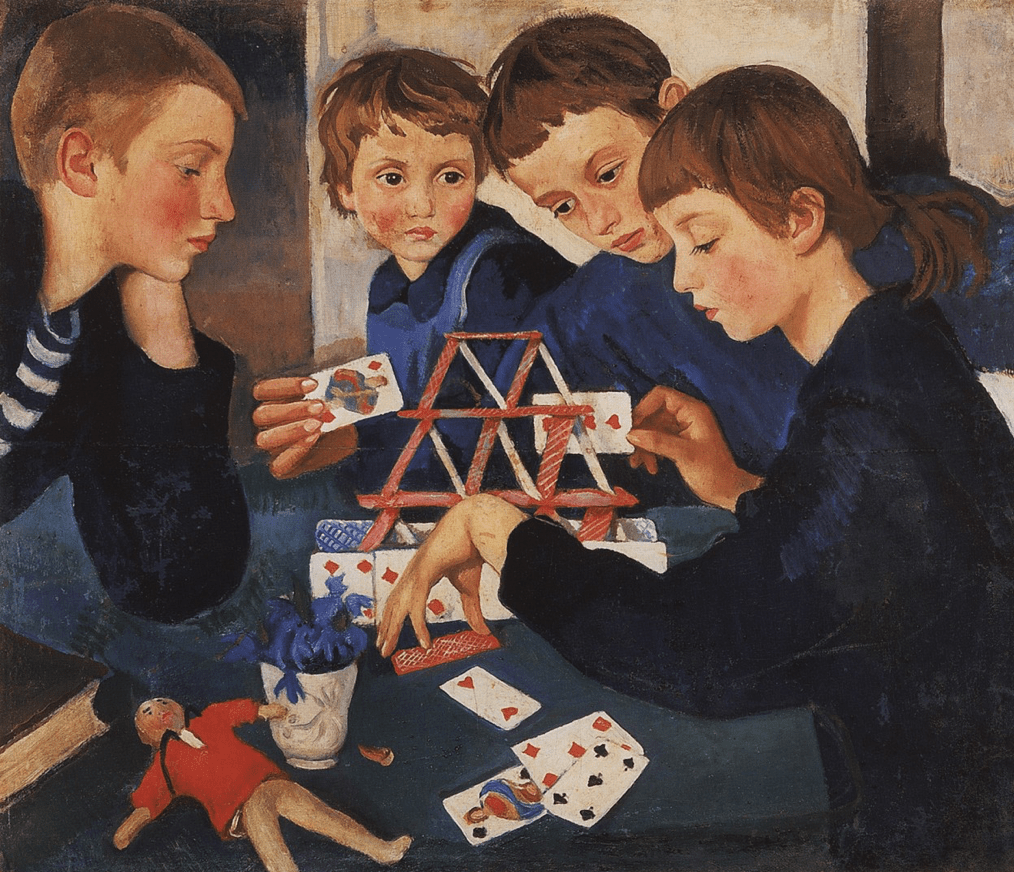
Wspรณlnie uwaลผnie przyjrzeliล›my siฤ™ obrazowi Zinaidy Serebriakovej โ€žDomek z kart (ะšะฐั€ั‚ะพั‡ะฝั‹ะน ะดะพะผะธะบ)โ€, ktรณrego reprodukcjฤ™ zamieszczamy poniลผej.

Inspiracja do kreatywnego pisania brzmiaล‚a: โ€žNapisz o czymล›, co wymaga wspรณlnego budowania.โ€

Praca grupy konsekwentnie przebiegaล‚a w doล›ฤ‡ jednoznacznie wyczuwanym kierunku. Uwaga uczestnikรณw od samego poczฤ…tku skupiaล‚a siฤ™ na moลผliwej do zaobserwowania na obrazie wspรณล‚pracy, a ich wypowiedzi przypominaล‚y proces budowania domku z kart. Mimo ลผe pewne detale obrazu byล‚y przez uczestnikรณw zauwaลผane i wskazywane, grupa nie zatrzymywaล‚a siฤ™ przy nich na dล‚ugo, przechodzฤ…c od razu do kolejnych wypowiedzi, jakby w poszukiwaniu odpowiedniego punktu podparcia. Emocje tego procesu, o doล›ฤ‡ rรณลผnorodnym zabarwieniu, posiadaล‚y energiฤ™, ktรณra byล‚a wspรณlnie przeksztaล‚cana i wykorzystywana do budowania. Byล‚ to silny, niepohamowany strumieล„ ciekawoล›ci, niepokoju, fascynacji i nadmiarowej czujnoล›ci. Wyraลบnie moลผna byล‚o zaobserwowaฤ‡ przejล›cie w pracy na poziom meta, kiedy to omawianym tekstem bardziej niลผ obraz staล‚ siฤ™ proces grupy. Tak jak na obrazie Serebriakovej nieoczywiste jest przypisanie chociaลผby dล‚oni do poszczegรณlnych osรณb, tak niejednoznaczne byล‚o zwiฤ…zanie konkretnej perspektywy z pojedynczฤ… wypowiadajฤ…cฤ… siฤ™ osobฤ…, co na pewnym etapie pracy zostaล‚o zauwaลผone. Praca grupy przesiฤ…kniฤ™ta byล‚a rรณลผnorodnoล›ciฤ…, dla ktรณrej panowaล‚o jednoznaczna przyzwolenie, co odzwierciedlaล‚o jakoล›ciowฤ… odmiennoล›ฤ‡ kart w talii. Wszystkie karty/wypowiedzi byล‚y rรณwnowaลผne jako budulec tego kolektywnego przedsiฤ™wziฤ™cia. Pomimo wieloล›ci perspektyw i sposobรณw interpretacji napiฤ™cie zwiฤ…zane z doล›wiadczeniem odmiennoล›ci zostaล‚o konstruktywnie przeksztaล‚cone we wspรณlne dzieล‚o. Chociaลผ ulotne, bo zaledwie 90-minutowe, doล›wiadczenie to wywoล‚aล‚o potrzebฤ™ zachowania na dล‚uลผej owej lekcji jednoล›ci.

Zapraszamy do udziaล‚u w kolejnych sesjach, ktรณrych terminy podane sฤ… na polskiej podstronie Wirtualnych Grup Narracyjnych. Najbliลผsza grupa odbฤ™dzie siฤ™ 23 czerwca (wtorek) o godzinie 18:00 โ€“ zarejestruj siฤ™ juลผ dziล›.

Wszelkie pytania oraz proล›by o organizacjฤ™ indywidualnych grup narracyjnych dla Waszych zespoล‚รณw moลผna przesyล‚aฤ‡ na adres: narrativemedicine@cumc.columbia.edu oraz humanistykamedyczna@cm.uj.edu.pl.

Do zobaczenia niebawem!

(Zinaida Serebriakova โ€œDomek z kart (ะšะฐั€ั‚ะพั‡ะฝั‹ะน ะดะพะผะธะบ)โ€, 1919, Paล„stwowe Muzeum Rosyjskie / Zinaida Serebriakova โ€œHouse of Cards (ะšะฐั€ั‚ะพั‡ะฝั‹ะน ะดะพะผะธะบ)โ€, 1919, State Russian Museum)

(Zinaida Serebriakova โ€œDomek z kart (ะšะฐั€ั‚ะพั‡ะฝั‹ะน ะดะพะผะธะบ)โ€, 1919, Paล„stwowe Muzeum Rosyjskie / Zinaida Serebriakova โ€œHouse of Cards (ะšะฐั€ั‚ะพั‡ะฝั‹ะน ะดะพะผะธะบ)โ€, 1919, State Russian Museum)

***

Thank you to everyone who joined us for this session!

Together we looked at โ€œHouse of Cards,โ€ a painting by Zinaida Serebriakova, posted above.

Our prompt for today was: โ€œDescribe something that has to be built together.โ€

The group’s work has been consistently going in a clearly sensed direction. From the very beginning, the participants’ attention focused on cooperation observable in the painting, and their statements resembled a process of building a house of cards. Although some details of the image were noticed and indicated by the participants, the group did not stay with them for long, going straight to the next statements, as if seeking a focus. The emotions of this process, having distinctive undertones, had energy that was jointly transformed and used for building. It was a strong, unrestrained stream of curiosity, anxiety, fascination and excessive vigilance. The transition to a meta level at work could have been clearly observed when the groupโ€™s dynamics became more discussed than the painting itself. Just as in Serebriakova’s painting, it is not obvious how to assign, for example, a hand to an individual person, and it was difficult to associate a particular perspective with a single speaking person, which was noticed at some stage of the work. The group’s work was imbued with diversity, for which there was unequivocal consent, which reflected the qualitative diversity of cards in a deck. All cards / statements were equivalent to the building blocks of this collective enterprise. Despite the multitude of perspectives and interpretations, the tension associated with the experience of otherness has been constructively transformed into a co-construction. Although ephemeral, because only 90 minutes long, this experience brought a need to preserve this unity for much longer.

Please join us for our next sessions: Saturday June 20th, 2pm EDT (in English) and Monday June 22nd, 6pm EDT (in English), with more times listed on our Live Virtual Group Sessions page.

If you have questions, or would like to schedule a personalized narrative medicine session for your organization or team, email us at narrativemedicine@cumc.columbia.edu.

We look forward to seeing you again soon!


Live Virtual Group Session: 12pm EDT June 17th 2020

Thank you to everyone who joined us for this session!

In todayโ€™s session, we read, heard, discussed and wrote in the shadow of โ€œPassion,โ€ a poem by Native American author Louise Erdrich. A mix of returning and new participants from the States and abroad noted the varying shades of devotion in the poem, enacted through destruction to bring about connection. โ€œDevotionโ€ also conjured up associations with religious attachment, and devotionals. We began with the question of what kind of dog we each imagined in the poem, which turned out to be quite varied: one person saw a compassionate animal, and another thought of a gentle personality that stayed with the bereaved lover like a service animal. A third participant drew on the poetโ€™s Native American heritage and its connections to spirituality, leading him to conjure a sin-eater or grief-eater. A fourth realized that she had not visualized the dog at all but more had imagined its large presence for its human companion. The excruciating pain of the human was considered: More than one person identified personally with the humanโ€™s situation of losing a lover and wanting to divest completely from that past. And we also thought about how the dog might be absorbing this grief, being so devoted that it is willing to take on this burden. Emotion and action were linked. We also appreciated how one listener felt annoyed โ€œin my bodyโ€ with both dog and human.ย ย 

The prompt, โ€œWrite about an expression of devotionโ€ inspired responses reflecting tokens of deep meaning (โ€œBuying a gift she didnโ€™t know she wanted,โ€ โ€œa song on WhatsAppโ€), as well as actions (stepping away from oneโ€™s own needs to self-sacrifice for the benefit of another). Writers used different forms ranging from short/specific lists of actions to longer descriptive prose — unified by structure — describing devotion over the course of a lifetime. One writer honored a mom: โ€œA stranger is not a stranger to her.โ€ The last writer circled back to the Erdrich poemโ€™s animal-companion theme, describing in vivid detail an owl diving down a chimney to rescue its mate, even at the risk of being stuck.

Participants are warmly encouraged to share what you wrote below (โ€œLeave a Replyโ€), to keep the conversation going here, bearing in mind that the blog of course is a public space where confidentiality is not assured.

Please join us for our next session Saturday, June 20th at 2pm EDT, with more times listed on our Live Virtual Group Sessions page.

We look forward to seeing you again soon!


Passion
by Louise Erdrich
 
Your dog gnaws the rug you made love upon
for the last time.
When your lover left
and you rolled yourself inside the rug
to sleep in agony
your dog stayed with you.
Your dog chews out the armpits of your loverโ€™s shirt
and shreds the underwear
you were wearing when he touched you.
Thatโ€™s devotion.
The dog chews your pen and stains his tongue
then licks the white pillows.
His way of writing you a poem.
He eats the spout off the blue plastic watering can.
He starts on the porch,
a rotted board, and soon that board rips
away from the wicked red nails.
Your dog eats the nails
and does not die.
Although you have no porch,
no lover, no rug, no underwear,
you understand.
The dog is trying to eat your grief.
In helpless longing
to get close to you
he must destroy whatโ€™s close to you.

Published in the print edition 
of the December 16, 2019, issue of the New Yorker. 

Laboratori Di Medicina Narrativa: martedรฌ 16 Giugno dalle 19 alle 20.30

Siamo stati molto lieti di avervi qui con noi!

Abbiamo ascoltato insieme la canzone “Un Medico” di Fabrizio De Andrรฉ (allegato al termine di questa pagina)ย ย 

In seguito, abbiamo usato il prompt “E i ciliegi tornano in fiore… (continua tu)”.

Condivideremo ulteriori dettagli della sessione nei prossimi giorni; vi invitiamo a rivisitare questa pagina nei prossimi giorni!

Invitiamo i partecipanti del laboratorio a condividere i propri scritti nella parte “blog” dedicata alla fine della presente pagina (“Leave a Reply”). Speriamo di creare, attraverso questo forum di condivisione, uno spazio in cui continuare la nostra conversazione!ย 


Fabrizio De Andrรฉ - Un medico

Da bambino volevo guarire i ciliegi
quando rossi di frutti li credevo feriti
la salute per me li aveva lasciati
coi fiori di neve che avevan perduti.

Un sogno, fu un sogno ma non durรฒ poco
per questo giurai che avrei fatto il dottore
e non per un dio ma nemmeno per gioco:
perchรฉ i ciliegi tornassero in fiore,
perchรฉ i ciliegi tornassero in fiore.

E quando dottore lo fui finalmente
non volli tradire il bambino per l'uomo
e vennero in tanti e si chiamavano "gente"
ciliegi malati in ogni stagione.

E i colleghi d'accordo i colleghi contenti
nel leggermi in cuore tanta voglia d'amare
mi spedirono il meglio dei loro clienti
con la diagnosi in faccia e per tutti era uguale:
ammalato di fame incapace a pagare.

E allora capii fui costretto a capire
che fare il dottore รจ soltanto un mestiere
che la scienza non puoi regalarla alla gente
se non vuoi ammalarti dell'identico male,
se non vuoi che il sistema ti pigli per fame.

E il sistema sicuro รจ pigliarti per fame
nei tuoi figli in tua moglie che ormai ti disprezza,
perciรฒ chiusi in bottiglia quei fiori di neve,
l'etichetta diceva: elisir di giovinezza.

E un giudice, un giudice con la faccia da uomo
mi spedรฌ a sfogliare i tramonti in prigione
inutile al mondo ed alle mie dita
bollato per sempre truffatore imbroglione
dottor professor truffatore imbroglione.

Live Virtual Group Session: 6pm EDT June 15th 2020

Our Narrative Medicine Live Virtual Zoom session tonight brought together 27 people from across the country โ€“ and the world โ€“ to watch and listen to a video of Joshua Bennett perform โ€œTamaraโ€™s Opusโ€ years ago at the White House. We listened to the artistโ€™s words and watched his movements enhance a lament and an apology to his sister who is Deaf. He tells of the time, as a 5-year-old, he was shocked to hear his father say that there is nothing wrong with his Tamara. She is different, his father says. Viewers feel the long-ago shattering of Joshuaโ€™s innocence. How strong must have been their sibling-bond before he felt the nine letters of the word โ€œd-i-f-f-e-r-e-n-tโ€ as hammers shattering his โ€œstained-glass innocence.โ€ His lyrics bring sounds (of rain and crickets), which he realizes Tamara never heard and evoke images of his sister and others dancing not to sound but to the vibrations of music coming from loudspeakers cranked to the max.

His narrative takes him from before either the sister or brother was born โ€œall those conversations we must have had in Heaven โ€ to the present moment when he laments โ€œno poemโ€ฆcan make up for all the time that we have lostโ€ and offers an apology by dancing his digits in Sign Language that he has learned. In so doing, Bennett shows us the power not only of opening our ears (like lotus petals) to deeply listen but also the power of learning an otherโ€™s language. Participants commented on the abyss they perceived between the two characters, and the efforts Joshua puts in to overcome it. In enjoying this beautiful performance and piece, we reflected on the ways to overcome such an abyss: by learning a new language, apologizing, or simply being present.   

In response to the prompt, โ€œWrite about shattering the silenceโ€ participants echoed back to Joshua Bennet strong visuals, sense perceptions, a list poem, the physicality of breaking cups and platters and marching in the street to shatter unjustly imposed silences. The prompt took us in many different directions in asking us to think of a silence shattered, whether it meant the novelty of introducing a new sound into a space or the tragedy of removing an ongoing sound from a scene of daily life.

Participants are warmly encouraged to share what you wrote below (โ€œLeave a Replyโ€), to keep the conversation going here, bearing in mind that the blog of course is a public space where confidentiality is not assured.

Please join us for our next session Wednesday, June 17th at 12pm EDT, with more times listed on our Live Virtual Group Sessions page.

We look forward to seeing you again soon!


โ€œTamaraโ€™s Opusโ€
by Joshua Bennett
 
Tamara has never listened
to hip-hop
Never danced
to the rhythm of raindrops
or fallen asleep to a chorus of chirping crickets
she has been Deaf
for as long as I have been alive
and ever since the day that I turned five
My father has said:
"Joshua. Nothing is wrong with Tamara.
God just makes
some people different."
And at that moment
those nine letters felt like hammers
swung gracefully by unholy hands
to shatter my stained-glass innocence
into shards that could never be pieced back together
or do anything more
than sever the ties between my sister and I.

I waited
was patient numberless years
anticipating the second
her ears would open like lotuses
and allow my sunlight sentences to seep
into her insides
make her remember all those conversations
we must have had in Heaven
back when God hand-picked us
to be sibling souls centuries ago

I still remember her 20th birthday
readily recall my awestruck eleven-year old eyes
as I watched Deaf men and women of all ages
dance in unison to the vibrations
of speakers booming so loud
that I imagined angels chastising us
for disturbing their worship
with such beautiful blasphemy
until you have seen
a Deaf girl dance
you know nothing of passion.
There was a barricade between us
that I never took the time to destroy
never for even a moment
thought to pick up a book and look up
the signs for sister
for family
for goodbye, I will see you again some day
remember the face of your little brother.
It is only now I see
that I was never willing
to put in the extra effort to love her properly
So as the only person in my family
who is not fluent in sign language
I have decided to take this time
to apologize
Tamara, I am sorry
for my silence.

But true love knows no frequency
So I will use these hands
to speak volumes
that could never be contained
within the boundaries of sound waves
I will shout at the top of my fingertips
until digits dance and relay these messages
directly to your soul
I know
that there is no poem
that can make up for all the time that we have lost
but please, if you can
just listen
as I play you a symphony
on the strings of my heart
made for no other ears on this Earth
but yours.

Brave New Voices slam champion Joshua Bennett performs "Tamaraสผs Opus
at the White House Evening of Poetry, Music, and the Spoken Word 
on May 12, 2009.


Live Virtual Group Session: 3pm EDT June 14th 2020

Thank you to everyone who joined us for this session!

With participants from Bahrain, Calgary, Massachusetts, Northern Ontario, Norwich, England, Pennsylvania, San Francisco and more, we began by looking at a video of Maya Angelou reciting โ€“or more accurately, performing her poem, โ€œWe Wear the Mask.โ€ย  The video begins with her explaining that the poem was written to honor a maid she routinely encountered on a city bus, whose seeming-laugh Angelou recognized as โ€œthat survival instinct.โ€ย  Her poem draws, she explained, upon Paul Laurence Dunbarโ€™s 1892 poem of the same name.ย  Despite the wonkiness of the video reception on Zoom, we were all deeply affected, as we went on to read the poem silently to ourselves. ย Participants remarked on Angelou’s moving and emotional presentation, noting their initial reticence to react, which was perhaps due to the personal and emotional impact of the piece, a deference to or in reverence of the recitation, or the feeling that one needed to โ€œmeet the challengeโ€ of its presentation.ย  As we proceeded, the responses to both the performance and the written word took us into the complexity of laughter as a human response, how it can express irony, submission, defiance, self-protectionย  ย โ€“and what it can conceal.ย  The on-goingness of racial suffering andย the presence of generational traumaย expressed in the poem were observed, โ€œThere in those pleated faces/I see the auction block,โ€ as was and the poemโ€™s final note of gratitude to those who wore a mask of submission, โ€œFrom living on the edge of death/They kept my race aliveโ€.

The responses to the prompt, โ€œWrite about the last mask you encountered,โ€ were stunning in their depth, and seemed to answer the poem in a way.ย ย Participants bravely experimented in their writing and gave voice to both individual and community experiences, of feeling marginalized and adjusting personal behavior, to navigate spaces that at times may not accept their identities.ย ย It was a remarkable session!ย 

Participants are warmly encouraged to share what you wrote below (โ€œLeave a Replyโ€), to keep the conversation going here, bearing in mind that the blog of course is a public space where confidentiality is not assured.

Please join us for our next session Monday, June 15th at 6pm EDT, with more times listed on our Live Virtual Group Sessions page.

We look forward to seeing you again soon!


We Wear the Mask
BYย Maya Angelou

We wear the mask that grins and lies,
It shades our cheeks and hides our eyes,โ€”
This debt we pay to human guile;
With torn and bleeding hearts we smile,
And mouth with myriad subtleties.

Why should the world be over-wise,
In counting all our tears and sighs?
Nay, let them only see us, while
We wear the mask.

We smile, but, O my God, our tears
To thee from tortured souls arise.
And we sing, but oh the clay is vile
Beneath our feet, and long the mile;
But let the world think otherwise,
We wear the mask!

When I think about myself,
I almost laugh myself to death,
My life has been one great big joke,
A dance thatโ€™s walked,
A song was spoke,
I laugh so hard, I almost choke,
When I think about myself.

Seventy years in these folksโ€™ world.
The child I works for calls me "girl";
I say, โ€œYes maโ€™am,โ€ for workingโ€™s sake.
I'm too proud to bend
And too poor to break,
So, I laugh, until my stomach ache,
When I think about myself.

My folks can make me split my side,
I laughed so hard, I nearly died.
The tales they tell, sound just like lyin',
They grow the fruit, but eat the rind.
I laugh, until I start to cryin',
When I think about myself,
And my folks, and the little children.

My Fathers sit on benches,
Their flesh count every plank,
The slats leave dents of darkness
Deep in their withered flank,

And they nod, like broken candles,
All waxed and burnt profound
They say 'But, Sugar, it was our submission
That made your world go round.'

There in those pleated faces
I see the auction block,
The chains and slavery's coffles,
The whip and lash and stock.

My Fathers speak in voices
That shred my fact and sound,
They say, 'But Sugar, it was our submission
And that made your world go round.'

They've laughed to shield their crying ,
They shuffled through their dreams
They step 'n' fetched a country
And wrote the blues in screams.

I understand their meaning,
It could and did derive,
From living on the ledge of death,
They kept my race alive.

By wearing the mask.

ฮ–ฯ‰ฮฝฯ„ฮฑฮฝฮฎ ฯƒฯ…ฮฝฮตฮดฯฮฏฮฑ ฮฑฯ†ฮทฮณฮทฮผฮฑฯ„ฮนฮบฮฎฯ‚ ฮนฮฑฯ„ฯฮนฮบฮฎฯ‚: ฮšฯ…ฯฮนฮฑฮบฮฎ 14 ฮ™ฮฟฯ…ฮฝฮฏฮฟฯ…, 8 m.m. EEST

ฮฃฮฑฯ‚ ฮตฯ…ฯ‡ฮฑฯฮนฯƒฯ„ฮฟฯฮผฮต ฯ€ฮฟฯ… ฯƒฯ…ฮผฮผฮตฯ„ฮตฮฏฯ‡ฮฑฯ„ฮต ฯƒฮต ฮฑฯ…ฯ„ฮฎฮฝ ฯ„ฮท ฯƒฯ…ฮฝฮตฮดฯฮฏฮฑ.

ฮคฮฟ ฮบฮตฮฏฮผฮตฮฝฯŒ ฮผฮฑฯ‚ ฮณฮนฮฑ ฯƒฮฎฮผฮตฯฮฑ ฮฎฯ„ฮฑฮฝ: ฮ‘ฮฝฯ„ฯŒฮฝ ฮคฯƒฮญฯ‡ฯ‰ฯ†, “ฮŸ ฮ˜ฮตฮฏฮฟฯ‚ ฮ’ฮฌฮฝฮนฮฑฯ‚

ฮ˜ฮญฮผฮฑ: ฮ“ฯฮฌฯˆฯ„ฮต ฮณฮนฮฑ ฯ„ฮท ฯ†ฮฟฯฮฌ ฯ€ฮฟฯ… ฮพฯฯ€ฮฝฮทฯƒฮฑฮฝ ฮผฮญฯƒฮฑ ฯƒฮฑฯ‚ ฮฑฮนฯƒฮธฮฎฮผฮฑฯ„ฮฑ

ฮฃฯฮฝฯ„ฮฟฮผฮฑ ฮธฮฑ ฮผฮฟฮนฯฮฑฯƒฯ„ฮฟฯฮผฮต ฯ€ฮตฯฮนฯƒฯƒฯŒฯ„ฮตฯฮตฯ‚ ฯ€ฮปฮทฯฮฟฯ†ฮฟฯฮฏฮตฯ‚ ฯƒฯ‡ฮตฯ„ฮนฮบฮฌ ฮผฮต ฮฑฯ…ฯ„ฮฎฮฝ ฯ„ฮท ฯƒฯ…ฮฝฮตฮดฯฮฏฮฑ, ฮณฮน ‘ฮฑฯ…ฯ„ฯŒ ฮตฯ€ฮนฯƒฯ„ฯฮญฯˆฯ„ฮต ฮพฮฑฮฝฮฌ.

ฮฃฮฑฯ‚ ฯ€ฯฮฟฯƒฮบฮฑฮปฮฟฯฮผฮต ฮฝฮฑ ฮผฮฟฮนฯฮฑฯƒฯ„ฮตฮฏฯ„ฮต ฯ„ฮฑ ฮณฯฮฑฯ€ฯ„ฮฌ ฯƒฮฑฯ‚ ฮผฮฑฮถฮฏ ฮผฮฑฯ‚ ฯ€ฮฑฯฮฑฮบฮฌฯ„ฯ‰.


(ฮšฮฎฯ€ฮฟฯ‚. ฮฆฮฑฮฏฮฝฮตฯ„ฮฑฮน ฮผฮญฯฮฟฯ‚ ฯ„ฮฟฯ… ฯƒฯ€ฮนฯ„ฮนฮฟฯ ฮผฮต ฯ„ฮท ฮฒฮตฯฮฌฮฝฯ„ฮฑ. ฮฃฯ„ฮทฮฝ ฮฑฮปฮญฮฑ, ฮบฮฌฯ„ฯ‰ ฮฑฯ€ฯŒ ฮผฮนฮฑ ฮณฮญฯฮนฮบฮท ฮปฮตฯฮบฮฑ, ฯ„ฯฮฑฯ€ฮญฮถฮน ฯƒฯ„ฯฯ‰ฮผฮญฮฝฮฟ ฮณฮนฮฑ ฯ„ฯƒฮฌฮน. ฮ ฮฌฮณฮบฮฟฮน ฮบฮฑฮน ฮบฮฑฯฮญฮบฮปฮตฯ‚ ฮบฮฎฯ€ฮฟฯ…. ฮ ฮฌฮฝฯ‰ ฯƒฯ„ฮฟฮฝ ฯ€ฮฌฮณฮบฮฟ ฮฑฮบฮฟฯ…ฮผฯ€ฮนฯƒฮผฮญฮฝฮท ฮผฮนฮฑ ฮบฮนฮธฮฌฯฮฑ. ฮ›ฮฏฮณฮฟ ฯ€ฮนฮฟ ฯ€ฮญฯฮฑ ฮฑฯ€ฯŒ ฯ„ฮฟ ฯ„ฯฮฑฯ€ฮญฮถฮน, ฮผฮนฮฑ ฮบฮฟฯฮฝฮนฮฑ. ฮฯฮฑ ฯ€ฮตฯฮฏฯ€ฮฟฯ… ฯ„ฯฮตฮนฯ‚ ฯ„ฮฟ ฮฑฯ€ฯŒฮณฮตฯ…ฮผฮฑ. ฮฃฯ…ฮฝฮฝฮตฯ†ฮนฮฌ. ฮ— ฮœฮฑฯฮฏฮฝฮฑ, ฮผฮนฮฑ ฯ€ฮฑฯ‡ฮนฮฌ, ฮดฯ…ฯƒฮบฮฏฮฝฮทฯ„ฮท ฮณฯฮนฮฟฯฮปฮฑ, ฮบฮฌฮธฮตฯ„ฮฑฮน ฮบฮฟฮฝฯ„ฮฌ ฯƒฯ„ฮฟ ฯƒฮฑฮผฮฟฮฒฮฌฯฮน ฮบฮฑฮน ฯ€ฮปฮญฮบฮตฮน ฮผฮนฮฑ ฮบฮฌฮปฯ„ฯƒฮฑ. ฮŸ ฮ‘ฯƒฯ„ฯฯŽฯ† ฯ€ฮทฮณฮฑฮนฮฝฮฟฮญฯฯ‡ฮตฯ„ฮฑฮน ฯƒฯ„ฮทฮฝ ฮฑฮปฮญฮฑ ฮบฮฟฮฝฯ„ฮฌ ฯ„ฮทฯ‚)

ฮœฮ‘ฮกฮ™ฮฮ‘. (ฮ’ฮฌฮถฮตฮน ฯ„ฯƒฮฌฮน ฯƒโ€™ ฮญฮฝฮฑ ฯ€ฮฟฯ„ฮฎฯฮน) ฮˆฮปฮฑ ฯ€ฮนฮตฯ‚, ฮบฮฑฮปฮญ ฮผฮฟฯ….

ฮ‘ฮฃฮคฮกฮฉฮฆ. (ฮ ฮฑฮฏฯฮฝฮตฮน ฮฑฮฝฯŒฯฮตฯ‡ฯ„ฮฟฯ‚ ฯ„ฮฟ ฯ€ฮฟฯ„ฮฎฯฮน) ฮ”ฮตฮฝ ฮญฯ‡ฯ‰ ฮบฮฑฮน ฯ€ฮฟฮปฮปฮฎ ฯŒฯฮตฮพฮท.

ฮœฮ‘ฮกฮ™ฮฮ‘. ฮœฮฎฯ€ฯ‰ฯ‚ ฮผฮนฮฑ ฯƒฯ„ฮฑฮปฮฏฯ„ฯƒฮฑ ฮฒฯŒฯ„ฮบฮฑ;

ฮ‘ฮฃฮคฮกฮฉฮฆ. ฮœฯ€ฮฑ! ฮ”ฮตฮฝ ฯ€ฮฏฮฝฯ‰ ฮบฮฌฮธฮต ฮผฮญฯฮฑ ฮฒฯŒฯ„ฮบฮฑ. ฮ•ฮฏฮฝฮฑฮน ฮบฮน ฮฑฯ…ฯ„ฮฎ ฮท ฮบฮฟฯ…ฯ†ฯŒฮฒฯฮฑฯƒฮท. (ฮ ฮฑฯฯƒฮท) ฮ‘ฮปฮฎฮธฮตฮนฮฑ, ฮฝฮญฮฝฮฑ, ฯ€ฯŒฯƒฮฑ ฯ‡ฯฯŒฮฝฮนฮฑ ฮณฮฝฯ‰ฯฮนฮถฯŒฮผฮฑฯƒฯ„ฮต;

ฮœฮ‘ฮกฮ™ฮฮ‘. (ฮฃฮบฮญฯ†ฯ„ฮตฯ„ฮฑฮน) ฮ ฯŒฯƒฮฑ; ฮ˜ฮตฮญ ฮผฮฟฯ…, ฯ€ฮฟฯ ฮฝฮฑ ฮธฯ…ฮผฮฌฮผฮฑฮนโ€ฆ ฮ•ฯƒฯ ฮฎฯฮธฮตฯ‚ ฯƒฯ„ฮฑ ฮผฮญฯฮท ฮผฮฑฯ‚โ€ฆ ฮผฮฑ, ฯ€ฯŒฯ„ฮต ฮฎฯ„ฮฑฮฝฮต; ฮ–ฮฟฯฯƒฮต ฮฑฮบฯŒฮผฮฑ ฮท ฮ’ฮญฯฮฑ ฮ ฮตฯ„ฯฯŒฮฒฮฝฮฑ, ฮท ฮผฮทฯ„ฮญฯฮฑ ฯ„ฮทฯ‚ ฮฃฯŒฮฝฮนฮตฯƒฮบฮฑฯ‚. ฮคฮฟฯ…ฯ‚ ฮดฯ…ฮฟ ฯ€ฯฯŽฯ„ฮฟฯ…ฯ‚ ฯ‡ฮตฮนฮผฯŽฮฝฮตฯ‚ ฯ€ฮฟฯ… ฮตฯฯ‡ฯŒฯƒฮฟฯ…ฮฝฮฑ ฯƒฯ„ฮฟ ฯƒฯ€ฮฏฯ„ฮน ฮผฮฑฯ‚, ฮตฮบฮตฮฏฮฝฮท ฮถฮฟฯฯƒฮต ฮฑฮบฯŒฮผฮฑโ€ฆ ฮ”ฮทฮปฮฑฮดฮฎ, ฮญฯ‡ฮฟฯ…ฮฝฮต ฯ€ฮตฯฮฌฯƒฮตฮน ฯ„ฮฟฯ…ฮปฮฌฯ‡ฮนฯƒฯ„ฮฟ ฮญฮฝฯ„ฮตฮบฮฑ ฯ‡ฯฯŒฮฝฮนฮฑโ€ฆ (ฮฃฮบฮญฯ†ฯ„ฮตฯ„ฮฑฮน ฮณฮนฮฑ ฮผฮนฮฑ ฯƒฯ„ฮนฮณฮผฮฎ) ฮœฯ€ฮฟฯฮตฮฏ ฮบฮฑฮน ฯ€ฮฑฯฮฑฯ€ฮฌฮฝฯ‰โ€ฆ

ฮ‘ฮฃฮคฮกฮฉฮฆ. ฮˆฯ‡ฯ‰ ฮฑฮปฮปฮฌฮพฮตฮน ฯ€ฮฟฮปฯ ฮฑฯ€ฯŒ ฯ„ฯŒฯ„ฮต;

ฮœฮ‘ฮกฮ™ฮฮ‘. ฮŸฯ…ฮฟฯ, ฮฒฮญฮฒฮฑฮนฮฑ! ฮคฯŒฯ„ฮต ฮฎฯƒฮฟฯ…ฮฝฮฑ ฮฝฮญฮฟฯ‚ ฮบฮฑฮน ฯ‰ฯฮฑฮฏฮฟฯ‚, ฯ„ฯŽฯฮฑ ฮญฯ‡ฮตฮนฯ‚ ฮณฮตฯฮฌฯƒฮตฮน. ฮ”ฮตฮฝ ฮตฮฏฯƒฮฑฮน ฯ€ฮนฮฑ ฯŒฮผฮฟฯฯ†ฮฟฯ‚, ฯŒฯ€ฯ‰ฯ‚ ฯ„ฯŒฯ„ฮต. ฮ•ฮฏฮฝฮฑฮน ฮบฮฑฮน ฯ„ฮฟ ฮฌฮปฮปฮฟ โ€“ ฮตฮฏฮฝฮฑฮน ฮบฮฑฮน ฮท ฮฒฯŒฯ„ฮบฮฑ ฯ„ฯŽฯฮฑ.

ฮ‘ฮฃฮคฮกฮฉฮฆ. ฮฮฑฮนโ€ฆ ฮผฮญฯƒฮฑ ฯƒฮต ฮดฮญฮบฮฑ ฯ‡ฯฯŒฮฝฮนฮฑ ฮญฯ‡ฯ‰ ฮณฮฏฮฝฮตฮน ฮฌฮปฮปฮฟฯ‚ ฮฌฮฝฮธฯฯ‰ฯ€ฮฟฯ‚. ฮ“ฮนฮฑฯ„ฮฏ; ฮ“ฮนฮฑฯ„ฮฏ ฮดฮฟฯฮปฮตฯˆฮฑ ฯ€ฮฟฮปฯ ฯƒฮบฮปฮทฯฮฌ, ฮฝฮญฮฝฮฑ. ฮ‘ฯ€โ€™ ฯ„ฮฟ ฯ€ฯฯ‰ฮฏ ฯ‰ฯ‚ ฯ„ฮฟ ฮฒฯฮฌฮดฯ… ฯƒฯ„ฮฟ ฯ€ฯŒฮดฮน ฮตฮฏฮผฮฑฮน โ€“ ฮดฮตฮฝ ฮพฮญฯฯ‰ ฯ„ฮน ฮธฮฑ ฯ€ฮตฮน ฮพฮตฮบฮฟฯฯฮฑฯƒฮท. ฮšฮฑฮน ฯ„ฮท ฮฝฯฯ‡ฯ„ฮฑ, ฯˆฯŒฯ†ฮนฮฟฯ‚ ฮบฮฌฯ„ฯ‰ ฮฑฯ€โ€™ ฯ„ฮฑ ฯƒฮบฮตฯ€ฮฌฯƒฮผฮฑฯ„ฮฑ, ฮฝฮฑ ฯ†ฮฟฮฒฮฌฮผฮฑฮน ฮผฮฎฯ€ฯ‰ฯ‚ ฮผโ€™ ฮฑฮณฮณฮฑฯฮญฯˆฮฟฯ…ฮฝฮต ฮณฮนฮฑ ฮบฮฑฮฝฮญฮฝฮฑฮฝ ฮฌฯฯฯ‰ฯƒฯ„ฮฟ. ฮŒฮปฮฑ ฮฑฯ…ฯ„ฮฌ ฯ„ฮฑ ฯ‡ฯฯŒฮฝฮนฮฑ ฯ€ฮฟฯ… ฯƒฮต ฮพฮญฯฯ‰ ฮบฮฑฮน ฮผฮต ฮพฮญฯฮตฮนฯ‚, ฮดฮตฮฝ ฮตฮฏฯ‡ฮฑ ฮฟฯฯ„ฮต ฮผฮนฮฑ ฮผฮญฯฮฑ ฮดฮนฮบฮนฮฌ ฮผฮฟฯ…. ฮ ฯŽฯ‚ ฮฝฮฑ ฮผฮท ฮณฮตฯฮฌฯƒฯ‰! ฮ†ฮปฮปฯ‰ฯƒฯ„ฮต, ฮบฮน ฮท ฮถฯ‰ฮฎ ฯ€ฮฟฯ… ฮบฮฌฮฝฮฟฯ…ฮผฮต โ€“ ฯ€ฮปฮฎฮพฮท, ฮฑฮฝฮฏฮฑ, ฮฒฯฮฟฮผฮนฮฌโ€ฆ ฮฃฮต ฯฮฟฯ…ฯ†ฮฌฮตฮน ฯƒฯ„ฮฟ ฯ„ฮญฮปฮผฮฑ ฯ„ฮทฯ‚ ฮผฮนฮฑ ฯ„ฮญฯ„ฮฟฮนฮฑ ฮถฯ‰ฮฎ. ฮ“ฯฯฯ‰ ฯƒฮฟฯ…, ฯ€ฮฑฮฝฯ„ฮฟฯ, ฮบฮฌฯ„ฮน ฮฑฮปฮปฯŒฮบฮฟฯ„ฮฟฮน ฮฌฮฝฮธฯฯ‰ฯ€ฮฟฮน โ€“ ฯ€ฮฟฮปฯ ฮฑฮปฮปฯŒฮบฮฟฯ„ฮฟฮน, ฯŒฮปฮฟฮน ฯ„ฮฟฯ…ฯ‚. ฮšฮน ฯŒฯ„ฮฑฮฝ ฮถฮฎฯƒฮตฮนฯ‚ ฮผฮฑฮถฮฏ ฯ„ฮฟฯ…ฯ‚ ฮญฮฝฮฑ ฮดฯ…ฮฟ ฯ‡ฯฯŒฮฝฮนฮฑ, ฮณฮฏฮฝฮตฯƒฮฑฮน ฮฑฮปฮปฯŒฮบฮฟฯ„ฮฟฯ‚ ฮบฮน ฮตฯƒฯ, ฯ‡ฯ‰ฯฮฏฯ‚ ฮฝฮฑ ฯ„ฮฟ ฮบฮฑฯ„ฮฑฮปฮฌฮฒฮตฮนฯ‚. ฮ•ฮฏฮฝฮฑฮน ฮท ฮผฮฟฮฏฯฮฑ ฯƒฮฟฯ…, ฮดฮตฮฝ ฮผฯ€ฮฟฯฮตฮฏฯ‚ ฮฝฮฑ ฮพฮตฯ†ฯฮณฮตฮนฯ‚. (ฮฃฯ„ฯฮฏฮฒฮฟฮฝฯ„ฮฑฯ‚ ฯ„ฮฑ ฮผฮฑฮบฯฮนฮฌ ฮผฮฟฯ…ฯƒฯ„ฮฌฮบฮนฮฑ ฯ„ฮฟฯ…) ฮšฮฟฮฏฯ„ฮฑ ฯ€ฯŒฯƒฮฟ ฯ„โ€™ ฮฌฯ†ฮทฯƒฮฑ ฯ„ฮฑ ฮผฮฟฯ…ฯƒฯ„ฮฌฮบฮนฮฑ ฮผฮฟฯ…โ€ฆ ฮ“ฮตฮปฮฟฮฏฮฑ ฮผฮฟฯ…ฯƒฯ„ฮฌฮบฮนฮฑ! ฮˆฯ‡ฯ‰ ฮณฮฏฮฝฮตฮน ฮนฮดฮนฯŒฯฯฯ…ฮธฮผฮฟฯ‚, ฮฝฮญฮฝฮฑโ€ฆ ฮŒฮผฯ‰ฯ‚, ฮดฯŒฮพฮฑ ฯ„ฯ‰ ฮ˜ฮตฯŽ, ฮดฮตฮฝ ฮญฯ‡ฯ‰ ฯ‡ฮฑฮถฮญฯˆฮตฮน ฮฑฮบฯŒฮผฮฑ! ฮคฮฑ ฮญฯ‡ฯ‰ ฯ„ฮฑ ฮผฯ…ฮฑฮปฮฌ ฮผฮฟฯ…, ฯŒฮผฯ‰ฯ‚ ฯ„ฮฑ ฮฑฮนฯƒฮธฮฎฮผฮฑฯ„ฮฌ ฮผฮฟฯ… ฮปฮตฯ‚ ฮบฮน ฮญฯ‡ฮฟฯ…ฮฝ ฮฝฮตฮบฯฯ‰ฮธฮตฮฏ. ฮ”ฮตฮฝ ฮญฯ‡ฯ‰ ฮตฯ€ฮนฮธฯ…ฮผฮฏฮฑ ฮณฮนฮฑ ฯ„ฮฏฯ€ฮฟฯ„ฮฑ, ฮดฮตฮฝ ฮฝฮนฯŽฮธฯ‰ ฯ„ฮฏฯ€ฮฟฯ„ฮฑ, ฮดฮตฮฝ ฮฑฮณฮฑฯ€ฮฌฯ‰ ฮบฮฑฮฝฮญฮฝฮฑฮฝ. ฮ•ฮบฯ„ฯŒฯ‚ ฮฑฯ€ฯŒ ฯƒฮญฮฝฮฑ, ฮฏฯƒฯ‰ฯ‚, โ€“ ฮฝฮฑฮน, ฮตฯƒฮญฮฝฮฑ ฯƒฮฟฯ… โ€˜ฯ‡ฯ‰ ฮฑฮบฯŒฮผฮฑ ฮฑฮดฯ…ฮฝฮฑฮผฮฏฮฑ. (ฮคฮท ฯ†ฮนฮปฮฌฮตฮน ฯƒฯ„ฮฑ ฮผฮฑฮปฮปฮนฮฌ) ฮŒฯ„ฮฑฮฝ ฮฎฮผฮฟฯ…ฮฝฮฑ ฯ€ฮฑฮนฮดฮฏ, ฮตฮฏฯ‡ฮฑ ฮบฮน ฮตฮณฯŽ ฮผฮนฮฑ ฮฝฯ„ฮฑฮฝฯ„ฮฌ ฯƒฮฑฮฝ ฮบฮน ฮตฯƒฮญฮฝฮฑ.

ฮœฮ‘ฮกฮ™ฮฮ‘. ฮ”ฮตฮฝ ฮธฮฑ ฯ†ฮฑฯ‚ ฮบฮฌฯ„ฮน;

ฮ‘ฮฃฮคฮกฮฉฮฆ. ฮŒฯ‡ฮน. ฮžฮญฯฮตฮนฯ‚, ฯ„ฮท ฮผฮตฮณฮฌฮปฮท ฮฃฮฑฯฮฑฮบฮฟฯƒฯ„ฮฎ ฯ€ฮฎฮณฮฑ ฯƒฯ„ฮฟ ฮœฮฑฮปฮฏฯ„ฯƒฮบฮฟฯŠฮต โ€“ ฮท ฮคฯฮฏฯ„ฮท ฮฒฮดฮฟฮผฮฌฮดฮฑ ฮฎฯ„ฮฑฮฝ, ฮธฯ…ฮผฮฌฮผฮฑฮน, ฯ„ฯŒฯ„ฮต ฯ€ฮฟฯ… ฮตฮฏฯ‡ฮต ฯ€ฮญฯƒฮตฮน ฮท ฮตฯ€ฮนฮดฮทฮผฮฏฮฑ. ฮ•ฮพฮฑฮฝฮธฮทฮผฮฑฯ„ฮนฮบฯŒฯ‚ ฯ„ฯฯ†ฮฟฯ‚โ€ฆ ฮœฮญฯƒฮฑ ฯƒฯ„ฮฑ ฮบฮฑฮปฯฮฒฮนฮฑ ฮผฮฟฯ…ฮถฮฏฮบฮฟฮน ฯƒฯ„ฮฟฮนฮฒฮฑฮณฮผฮญฮฝฮฟฮน ฮฟ ฮญฮฝฮฑฯ‚ ฯ€ฮฌฮฝฯ‰ ฯƒฯ„ฮฟฮฝ ฮฌฮปฮปฮฟฮฝโ€ฆ ฮ’ฯฯŒฮผฮฑ, ฮดฯ…ฯƒฯ‰ฮดฮฏฮฑ, ฮธฮฟฮปฮฟฯฯฮฑโ€ฆ ฮšฮฑฮน ฯ„ฮฑ ฮผฮฟฯƒฯ‡ฮฌฯฮนฮฑ ฯƒฯ„ฮฟ ฯ€ฮฌฯ„ฯ‰ฮผฮฑ, ฮฑฮฝฮฌฮบฮฑฯ„ฮฑ ฮผฮต ฯ„ฮฟฯ…ฯ‚ ฮฑฮฝฮธฯฯŽฯ€ฮฟฯ…ฯ‚โ€ฆ ฮบฮฑฮน ฯ„ฮฑ ฮผฮนฮบฯฮฌ ฮณฮฟฯ…ฯฮฟฯฮฝฮนฮฑ, ฮบฮน ฮฑฯ…ฯ„ฮฌ ฯƒฯ„ฮท ฮผฮญฯƒฮท. ฮ ฮฑฮนฮดฮตฯฯ„ฮทฮบฮฑ ฯŒฮปฮท ฮผฮญฯฮฑ, ฮฟฯฯ„ฮต ฯƒฯ„ฮนฮณฮผฮฎ ฮดฮตฮฝ ฯƒฯ„ฮฌฮธฮทฮบฮฑ ฮบฮฑฮน ฮดฮตฮฝ ฮญฮฒฮฑฮปฮฑ ฮผฯ€ฮฟฯ…ฮบฮนฮฌ ฯƒฯ„ฮฟ ฯƒฯ„ฯŒฮผฮฑ. ฮ‘ฮปฮปฮฌ ฮบฮน ฯŒฯ„ฮฑฮฝ ฮณฯฯฮนฯƒฮฑ ฯƒฯ„ฮฟ ฯƒฯ€ฮฏฯ„ฮน, ฮดฮตฮฝ ฯ€ฯฯŒฮปฮฑฮฒฮฑ ฮฝฮฑ ฯ€ฮฌฯฯ‰ ฮฑฮฝฮฌฯƒฮฑ. ฮœฮฟฯ… ฯ†ฮญฯฮฑฮฝ ฮญฮฝฮฑฮฝ ฮตฯฮณฮฌฯ„ฮท ฮฑฯ€ฯŒ ฯ„ฮฟฯ…ฯ‚ ฯƒฮนฮดฮทฯฮฟฮดฯฯŒฮผฮฟฯ…ฯ‚. ฮคฮฟฮฝ ฮพฮฌฯ€ฮปฯ‰ฯƒฮฑ ฯƒฯ„ฮฟ ฮบฯฮตฮฒฮฌฯ„ฮน ฮฝฮฑ ฯ„ฮฟฮฝ ฯ‡ฮตฮนฯฮฟฯ…ฯฮณฮฎฯƒฯ‰, ฮบฮน ฮฑฯ…ฯ„ฯŒฯ‚ ฮผฮฟฯ… ฯ€ฮญฮธฮฑฮฝฮต ฯƒฯ„ฮฑ ฯ‡ฮญฯฮนฮฑ, ฯ„ฮทฮฝ ฯŽฯฮฑ ฯ€ฮฟฯ… ฯ„ฮฟฯ… ฮญฮดฮนฮฝฮฑ ฯ„ฮท ฮฝฮฌฯฮบฯ‰ฯƒฮท. ฮšฮฑฮน ฯ„ฯŒฯ„ฮต ฮฑฮบฯฮนฮฒฯŽฯ‚, ฯ€ฮฌฮฝฯ‰ ฯƒฯ„ฮทฮฝ ฮบฮฑฮบฮนฮฌ ฯ„ฮทฮฝ ฯŽฯฮฑ, ฮพฯฯ€ฮฝฮทฯƒฮฑฮฝ ฮผฮญฯƒฮฑ ฮผฮฟฯ… ฯ„ฮฑ ฮฑฮนฯƒฮธฮฎฮผฮฑฯ„ฮฌ ฮผฮฟฯ… ฮบฮน ฮท ฯƒฯ…ฮฝฮตฮฏฮดฮทฯƒฮฎ ฮผฮฟฯ… ฮฌฯฯ‡ฮนฯƒฮต ฮฝฮฑ ฮผฮต ฮฒฮฑฯฮฑฮฏฮฝฮตฮน, ฮปฮตฯ‚ ฮบฮฑฮน ฯ„ฮฟฮฝ ฮตฮฏฯ‡ฮฑ ฯƒฮบฮฟฯ„ฯŽฯƒฮตฮน ฮตฮณฯŽ ฮตฯ€ฮฏฯ„ฮทฮดฮตฯ‚โ€ฆ ฮšฮฌฮธฮนฯƒฮฑ, ฮญฮบฮปฮตฮนฯƒฮฑ ฯ„ฮฑ ฮผฮฌฯ„ฮนฮฑ โ€“ ฮฝฮฑ, ฮญฯ„ฯƒฮน, ฮบฮฑฮน ฮฒฯ…ฮธฮฏฯƒฯ„ฮทฮบฮฑ ฯƒฮต ฯƒฮบฮญฯˆฮตฮนฯ‚. ฮ‘ฯ…ฯ„ฮฟฮฏ ฯ€ฮฟฯ… ฮตฮผฮตฮฏฯ‚ ฯƒฮฎฮผฮตฯฮฑ ฯ„ฮฟฯ…ฯ‚ ฮฑฮฝฮฟฮฏฮณฮฟฯ…ฮผฮต ฯ„ฮฟ ฮดฯฯŒฮผฮฟ, ฮธฮฑ ฮผฮฑฯ‚ ฮธฯ…ฮผฮฟฯฮฝฯ„ฮฑฮน ฮฌฯฮฑฮณฮต; ฮ˜ฮฑ ฮปฮตฮฝโ€™ ฮญฮฝฮฑฮฝ ฮบฮฑฮปฯŒ ฮปฯŒฮณฮฟ ฮบฮฑฮน ฮณฮนฮฑ ฮผฮฑฯ‚; ฮŒฯ‡ฮน, ฮฝฮญฮฝฮฑ, ฮดฮตฮฝ ฮธฮฑ ฮผฮฑฯ‚ ฮธฯ…ฮผฮฟฯฮฝฯ„ฮฑฮน, ฮบฮฑฮน ฮฝฮฑ ฯ„ฮฟ ฮพฮญฯฮตฮนฯ‚.

ฮœฮ‘ฮกฮ™ฮฮ‘. ฮšฮฑฮน ฮฝฮฑ ฮผฮท ฮผฮฑฯ‚ ฮธฯ…ฮผฮฟฯฮฝฯ„ฮฑฮน ฮฟฮน ฮฌฮฝฮธฯฯ‰ฯ€ฮฟฮน, ฮธฮฑ ฮผฮฑฯ‚ ฮธฯ…ฮผฮฌฯ„ฮฑฮน ฮฟ ฮ˜ฮตฯŒฯ‚.

ฮ‘ฮฃฮคฮกฮฉฮฆ. ฮˆฯ„ฯƒฮน ฮผฯ€ฯฮฌฮฒฮฟ! ฮšฮฑฮปฮฌ ฯ„ฮฟ ฮตฮฏฯ€ฮตฯ‚.

ฮ‘ฮฝฯ„ฯŒฮฝ ฮคฯƒฮญฯ‡ฯ‰ฯ†. ฮŸ ฮ˜ฮตฮฏฮฟฯ‚ ฮ’ฮฌฮฝฮนฮฑฯ‚ (ฮœฮตฯ„ฮฌฯ†ฯฮฑฯƒฮท: ฮ•ฯฯฮฏฮบฮฟฯ‚ ฮœฯ€ฮตฮปฮนฮญฯ‚)


Encuentros virtuales en vivo: sรกbado 13 junio, 14:00 EST

ยกTuvimos nuestra primera sesiรณn en espaรฑol y nos fue muy bien. Atendieron 24 participantes en total, representando a estados locales (incluyendo PA, NJ, NY, MA) e paรญses internacionales (incluyendo Chile, Espaรฑa, Mรฉxico, y la Repรบblica Dominicana).

Nuestro texto fue โ€œMuchos Somosโ€ de Pablo Neruda, publicado a continuaciรณn. Dos lectores leyeron el poema en voz alta. Muchos participantes notaron que el narrador de este poema anhela ser alguien mejor, otra persona, pero nunca lo logra. Otra participante comentรณ que el narrador quiere diseรฑarse la geografรญa de si mismo, y aunque no lo logra, al menos lo intenta. La discusiรณn nos llevรณ a la frustraciรณn y envidia que se nota en el poema. Esos sentimientos son universales. Estamos tratando de ser una persona en el trabajo, otra en la casa, y aun otra con nuestras amistades, etc. Nos ponemos diferentes caretas/caras/roles dependiendo de lo que estamos haciendo. Pero aunque trates de compartimentar tu vida, no es posible, dijo una participante. Las personas nos ven como nos quieran ver; no tenemos control sobre eso. Tambiรฉn entra la presiรณn social o lo que se espera de nosotros y eso limita la expresiรณn de nuestra realidad. Fue un intercambio muy fascinante, y casi no termina para empezar la parte donde escribimos en conjunto.

Escribir en uniรณn: Escribe sobre la persona que anhelas ser.โ€ Seis participantes compartieron sus escritos, inspirando una rica variedad de respuestas de los oyentes.  Las respuestas fueron variadas, tanto en el tiempo narrativo, como el tema. A veces la acciรณn de lo escrito transcurrรญa en el presente, lo cual generรณ la observaciรณn de que el anhelo es algo condicional (querrรญa / quisiera ser) en vez del presente (quiero ser). Por otro lado, algunos participantes vertieron sus experiencias como profesionales de la salud, a veces contrapuesto a sus otras dimensiones personales. En un par de oportunidades lo escrito abordรณ el lado mรกs humano y personal, alejado de otras dimensiones. Hubo ademรกs comentarios y observaciones muy detalladas que generaron un buen intercambio. Sin duda, se hizo corto el tiempo!

Se alienta a los participantes a compartir lo que escribieron a continuaciรณn (“Deja una respuesta”), para mantener la conversaciรณn aquรญ, teniendo en cuenta que el blog, por supuesto, es un espacio pรบblico donde no se garantiza la confidencialidad.

Por favor, รบnase a nosotros para nuestra prรณxima sesiรณn en espaรฑol: Sรกbado, 27 de junio a las 2 pm EST, con mรกs veces listadas en inglรฉs en nuestra pรกgina de sesiones grupales virtuales en vivo.

ยกEsperamos verte pronto!


MUCHOS SOMOS
Pablo Neruda

DE tantos hombres que soy, que somos,
no puedo encontrar a ninguno:
se me pierden bajo la ropa,
se fueron a otra ciudad.

Cuando todo estรก preparado
para mostrarme inteligente
el tonto que llevo escondido
se toma la palabra en mi boca.

Otras veces me duermo en medio
de la sociedad distinguida
y cuando busco en mรญ al valiente,
un cobarde que no conozco
corre a tomar con mi esqueleto
mil deliciosas precauciones.

Cuando arde una casa estimada
en vez del bombero que llamo
se precipita el incendiario
y รฉse soy yo. No tengo arreglo.
Quรฉ debo hacer para escogerme?

Cรณmo puedo rehabilitarme?
Todos los libros que leo
celebran hรฉroes refulgentes
siempre seguros de sรญ mismos:
me muero de envidia por ellos,
en los filmes de vientos y balas
me quedo envidiando al jinete,
me quedo admirando al caballo.


Pero cuando pido al intrรฉpido
me sale el viejo perezoso,
y asรญ yo no sรฉ quiรฉn soy,
no sรฉ cuรกntos soy o seremos.
Me gustarรญa tocar un timbre
y sacar el mรญ verdadero
porque si yo me necesito
no debo desaparecerme.

Mientras escribo estoy ausente
y cuando vuelvo ya he partido:
voy a ver si a las otras gentes
les pasa lo que a mรญ me pasa,
si son tantos como soy yo,
si se parecen a sรญ mismos
y cuando lo haya averiguado
voy a aprender tan bien las cosas
que para explicar mis problemas
les hablarรฉ de geografรญa.

Narrative Medicine Book Club: Magic Mountain Week 3

Week 3: Hans Castorp has barely been at the sanatorium even a week, but he feels he has been there “a very long time” – the reader, too, feels a sense of expanded time, and wonders at the way that Mann, the writer, is creating for us a sense of what his character is experiencing. Many interesting themes are emerging in these pages — the relation between body and soul, between sickness and health, between memory and feeling (what is it that Castorp keeps almost remembering when he encounters Madame Chauchant?), and of course, the nature of time. What is happening, really, as Castorp slowly becomes “one of them,” settling into the life of an ill person in this sanatorium? The hints and movements of the transformation are fascinating; this transformation seems, so far anyway, to be the main “plot” of the book. Subtly, with this transformation, Mann seems to challenge us to ask about the very nature of illness and of time, and the way the two may relate to one another. 


Looking forward ourย first zoom meeting tomorrow, Sunday June 14, at 11 AM! Register at https://narrativemedicine.blog/blog/narrative-medicine-book-club/


For next week: Read to the section “Growing Anxieties/Two Grandfathers” in Chapter 4.