Live Virtual Group Session: 6pm EDT June 29th 2020

Thank you to everyone who joined us for this session!

Our text was the poem “Heroes” by Rita Dove, posted below.

Our prompt was to begin your writing with the line “it’s too late for apologies…”

More details on this session will be posted soon, so please check back!

Participants are warmly encouraged to share what you wrote below (โ€œLeave a Replyโ€), to keep the conversation going here, bearing in mind that the blog of course is a public space where confidentiality is not assured.

Also, we would love to learn more about your experience of these sessions, so if youโ€™re able, please take the time to fill out a follow-up survey of one to two quick questions!

Please join us for our next sessionย Wednesday, July 1stย at 12pm EDT,ย with more times listed on ourย Live Virtual Group Sessionsย page.

We look forward to seeing you again soon!


Heroes โ€“ Rita Dove

A flower in a weedy field:
make it a poppy. You pick it.
Because it begins to wilt

you run to the nearest house
to ask for a jar of water.
The woman on the porch starts

screaming: youโ€™ve plucked the last poppy
in her miserable garden, the one
that gave her the strength every morning

to rise! Itโ€™s too late for apologies
though you go through the motions, offering
trinkets and a juicy spot in the written history

she wouldnโ€™t live to read, anyway.
So you strike her, she hits
her head on a white boulder

and thereโ€™s nothing to be done
but break the stone into gravel
to prop up the flower in the stolen jar

you have to take along
because youโ€™re a fugitive now
and you canโ€™t leave clues.

Already the storyโ€™s starting to unravel,
the villagers stirring as your heart
pounds into your throat. Why

did you pick that idiot flower?
Because it was the last one
and you knew

it was going to die.


Dove, Rita. "Heroes."ย Callaloo, vol. 18 no. 2, 1995, p. 231-231.ย 
Project MUSE,ย doi:10.1353/cal.1995.0046.

ฮ–ฯ‰ฮฝฯ„ฮฑฮฝฮฎ ฯƒฯ…ฮฝฮตฮดฯฮฏฮฑ ฮฑฯ†ฮทฮณฮทฮผฮฑฯ„ฮนฮบฮฎฯ‚ ฮนฮฑฯ„ฯฮนฮบฮฎฯ‚: ฮšฯ…ฯฮนฮฑฮบฮฎ 28 ฮ™ฮฟฯ…ฮฝฮฏฮฟฯ…, 6 m.m. EEST

ฮฃฮฑฯ‚ ฮตฯ…ฯ‡ฮฑฯฮนฯƒฯ„ฮฟฯฮผฮต ฯ€ฮฟฯ… ฯƒฯ…ฮผฮผฮตฯ„ฮตฮฏฯ‡ฮฑฯ„ฮต ฯƒฮต ฮฑฯ…ฯ„ฮฎฮฝ ฯ„ฮท ฯƒฯ…ฮฝฮตฮดฯฮฏฮฑ.

ฮคฮฟ ฮบฮตฮฏฮผฮตฮฝฯŒ ฮผฮฑฯ‚ ฮณฮนฮฑ ฯƒฮฎฮผฮตฯฮฑ ฮฎฯ„ฮฑฮฝ: ยซฮ— ฯ€ฮฑฮปฮนฮฌ ฮฑฮฒฯฯŒฯ„ฮทฯ„ฮฑยป (ฮŸฯ…ฮฏฮปฮนฮฑฮผ ฮšฮฌฯฮปฮฟฯ‚ ฮŸฯ…ฮฏฮปฮนฮฑฮผฯ‚, ฮ™ฯƒฯ„ฮฟฯฮฏฮตฯ‚ ฮ•ฮฝฯŒฯ‚ ฮ“ฮนฮฑฯ„ฯฮฟฯ. 1984. ฮœฯ„ฯ†ฯ. ฮ•ฮนฯฮฎฮฝฮท ฮ ฮฑฯ€ฮฑฮธฮฑฮฝฮฑฯƒฮฏฮฟฯ…. ฮ•ฮบฮด. ฮ‘ฯฮผฯŒฯ‚, 2020)

ฮ˜ฮญฮผฮฑ:ย ฮ“ฯฮฌฯˆฯ„ฮต ฮณฮนฮฑ ฮญฮฝฮฑ ฯƒฮบฮฏฯฯ„ฮทฮผฮฑ

ฮฃฯฮฝฯ„ฮฟฮผฮฑ ฮธฮฑ ฮผฮฟฮนฯฮฑฯƒฯ„ฮฟฯฮผฮต ฯ€ฮตฯฮนฯƒฯƒฯŒฯ„ฮตฯฮตฯ‚ ฯ€ฮปฮทฯฮฟฯ†ฮฟฯฮฏฮตฯ‚ ฯƒฯ‡ฮตฯ„ฮนฮบฮฌ ฮผฮต ฮฑฯ…ฯ„ฮฎฮฝ ฯ„ฮท ฯƒฯ…ฮฝฮตฮดฯฮฏฮฑ, ฮณฮน โ€˜ฮฑฯ…ฯ„ฯŒ ฮตฯ€ฮนฯƒฯ„ฯฮญฯˆฯ„ฮต ฮพฮฑฮฝฮฌ.

ฮฃฮฑฯ‚ ฯ€ฯฮฟฯƒฮบฮฑฮปฮฟฯฮผฮต ฮฝฮฑ ฮผฮฟฮนฯฮฑฯƒฯ„ฮตฮฏฯ„ฮต ฯ„ฮฑ ฮณฯฮฑฯ€ฯ„ฮฌ ฯƒฮฑฯ‚ ฮผฮฑฮถฮฏ ฮผฮฑฯ‚ ฯ€ฮฑฯฮฑฮบฮฌฯ„ฯ‰.


ยซฮ— ฯ€ฮฑฮปฮนฮฌ ฮฑฮฒฯฯŒฯ„ฮทฯ„ฮฑยป (ฮŸฯ…ฮฏฮปฮนฮฑฮผ ฮšฮฌฯฮปฮฟฯ‚ ฮŸฯ…ฮฏฮปฮนฮฑฮผฯ‚, ฮ™ฯƒฯ„ฮฟฯฮฏฮตฯ‚ ฮ•ฮฝฯŒฯ‚ ฮ“ฮนฮฑฯ„ฯฮฟฯ. 1984. ฮœฯ„ฯ†ฯ. ฮ•ฮนฯฮฎฮฝฮท ฮ ฮฑฯ€ฮฑฮธฮฑฮฝฮฑฯƒฮฏฮฟฯ…. ฮ•ฮบฮด. ฮ‘ฯฮผฯŒฯ‚, 2020)

ฮ•ฮบฮตฮฏฮฝฮฟ ฯ„ฮฟฮฝ ฮบฮฑฮนฯฯŒ, ฮฎฮผฮฟฯ…ฮฝ ฮฟ ฮผฯŒฮฝฮฟฯ‚ ฮณฮนฮฑฯ„ฯฯŒฯ‚ ฯ€ฮฟฯ… ฮตฮฏฯ‡ฮฑฮฝ ฯƒฯ„ฮฟ ฮ“ฮบฮฏฮฝฮน ฮงฮนฮป. ฮฃฮฎฮผฮตฯฮฑ ฯƒโ€™ ฮฑฯ…ฯ„ฮญฯ‚ ฯ„ฮนฯ‚ ฮณฮตฮนฯ„ฮฟฮฝฮนฮญฯ‚ ฮผฯ€ฮฟฯฮตฮฏ ฮฝฮฑ ฮฑฯƒฮบฮฟฯฮฝ ฯ„ฮทฮฝ ฮนฮฑฯ„ฯฮนฮบฮฎ ฮบฮฌฯ€ฮฟฮนฮฑ ฮฑฯ€โ€™ ฯ„ฮฑ ฯ€ฮฑฮนฮดฮนฮฌ ฯ€ฮฟฯ… ฮญฯ†ฮตฯฮฑ ฯƒฯ„ฮฟฮฝ ฮบฯŒฯƒฮผฮฟ ฯ„ฯŒฯ„ฮต. ฮ‘ฮปฮปฮฌ ฮตฮบฮตฮฏฮฝฮฟ ฯ„ฮฟฮฝ ฮบฮฑฮนฯฯŒ ฯ„ฮฟฯฯ‚ ฮตฮฏฯ‡ฮฑ ฯŒฮปฮฟฯ…ฯ‚ ฯ€ฮตฮปฮฌฯ„ฮตฯ‚. ฮคฮฟฯ…ฯ‚ ฮตฮฏฯ‡ฮฑ ฮฑฮณฮฑฯ€ฮฎฯƒฮตฮน, ฮฎฯ„ฮฑฮฝ ฯ€ฮฟฮปฯ ฮตฮฝฯ„ฮฌฮพฮตฮน ฮฌฮฝฮธฯฯ‰ฯ€ฮฟฮน. ฮŸฮน ฯ€ฮตฯฮนฯƒฯƒฯŒฯ„ฮตฯฮฟฮน ฮฎฯ„ฮฑฮฝ ฮ™ฯ„ฮฑฮปฮฟฮฏ ฯ‡ฯ‰ฯฮนฮบฮฟฮฏ ฮฑฯ€ฯŒ ฮผฮนฮฑ ฯ€ฮตฯฮนฮฟฯ‡ฮฎ ฮฝฯŒฯ„ฮนฮฑ ฯ„ฮทฯ‚ ฮฮฌฯ€ฮฟฮปฮทฯ‚, ฯ€ฮฟฯ… ฮถฮฟฯฯƒฮฑฮฝ ฯƒฮต ฮผฮนฮบฯฮฌ, ฯ€ฯฯŒฯ‡ฮตฮนฯฮฑ ฯ‡ฯ„ฮนฯƒฮผฮญฮฝฮฑ ฯƒฯ€ฮฏฯ„ฮนฮฑ โ€“ ฯ€ฮฟฯ… ฮดฮฟฯฮปฮตฯ…ฮฑฮฝ ฯƒฮต ฯŒ,ฯ„ฮน ฮผฯ€ฮฟฯฮฟฯฯƒฮฑฮฝ ฮฝฮฑ ฮฒฯฮฟฯ…ฮฝ ฯ€ฯฮฟฮบฮตฮนฮผฮญฮฝฮฟฯ… ฮฝฮฑ ฮตฯ€ฮนฮฒฮนฯŽฯƒฮฟฯ…ฮฝ ฮบฮฑฮน ฯ€ฮฟฯ… ฯ„ฮตฮปฮนฮบฮฌ, ฮผฮต ฮบฮฌฯ€ฮฟฮนฮฟฮฝ ฯ„ฯฯŒฯ€ฮฟ, ฯ„ฮฑ ฮบฮฑฯ„ฮฌฯ†ฮตฯฮฝฮฑฮฝ.

     ฮ‘ฮฝฮฌฮผฮตฯƒฮฑ ฯƒฯ„โ€™ ฮฌฮปฮปฮฑ, ฯ…ฯ€ฮฎฯฯ‡ฮต ฮญฮฝฮฑ ฮผฮนฮบฯฯŒ ฯ€ฯฮฟฮบฮฑฯ„ฮฑฯƒฮบฮตฯ…ฮฑฯƒฮผฮญฮฝฮฟ ฯƒฯ€ฮนฯ„ฮฌฮบฮน, ฮบฮฟฯ…ฯ„ฮฏ ฮธฮฑ ฯ„ฮฟ ฮญฮปฮตฮณฮตฯ‚ ฮบฮฑฮปฯฯ„ฮตฯฮฑ, ฯ€ฮฟฯ… ฯ€ฮฌฮฝฯ„ฮฑ ฮผฮฟฯ… ฯ„ฯฮฑฮฒฮฟฯฯƒฮต ฯ„ฮฟ ฮตฮฝฮดฮนฮฑฯ†ฮญฯฮฟฮฝ, ฮฑฮปฮปฮฌ ฯ€ฮฟฯ… ฮดฮตฮฝ ฮตฮฏฯ‡ฮต ฯ„ฯฯ‡ฮตฮน ฮฝฮฑ ฮผฯ€ฯ‰ ฮผฮญฯƒฮฑ. ฮฅฯˆฯ‰ฮฝฯŒฯ„ฮฑฮฝ ฯƒฯ„ฮท ฮผฮญฯƒฮท ฮตฮฝฯŒฯ‚ ฯƒฯ…ฮฝฮทฮธฮนฯƒฮผฮญฮฝฮฟฯ… ฮผฮนฮบฯฮฟฯ ฮบฮฎฯ€ฮฟฯ… ฮบฮฑฮน ฮบฮฑฮผฮนฮฌ ฯ†ฮฟฯฮฌ ฮญฮฒฮปฮตฯ€ฮตฯ‚ ฯƒฯ„ฮทฮฝ ฯ€ฯŒฯฯ„ฮฑ ฮญฮฝฮฑฮฝ ฮทฮปฮนฮบฮนฯ‰ฮผฮญฮฝฮฟ ฮฌฮฝฯ„ฯฮฑ ฮฑฯ€ฮปฯŽฯ‚ ฮฝฮฑ ฯƒฯ„ฮญฮบฮตฯ„ฮฑฮน ฮตฮบฮตฮฏ ฮบฮฑฮน ฮฝฮฑ ฯฮตฮผฮฒฮฌฮถฮตฮน, ฮบฮฑฯ€ฮฝฮฏฮถฮฟฮฝฯ„ฮฑฯ‚ ฮญฮฝฮฑ ฮผฮตฮณฮฌฮปฮฟ ฮบฮฑฮผฯ€ฯ…ฮปฯ‰ฯ„ฯŒ ฮตฯ€ฮฌฯฮณฯ…ฯฮฟ ฯ„ฯƒฮนฮผฯ€ฮฟฯฮบฮน. ฮ•ฮฝฮฝฮฟฮตฮฏฯ„ฮฑฮน ฯŒฯ„ฮน ฮฎฯฮธฮต ฮท ฮผฮญฯฮฑ ฯ€ฮฟฯ… ฮผฯ€ฮฎฮบฮฑ ฮบฮฑฮน ฯƒโ€™ ฮฑฯ…ฯ„ฯŒ ฯ„ฮฟ ฯƒฯ€ฮฏฯ„ฮน.

     ฮœฯŒฮปฮนฯ‚ ฮตฮฏฯ‡ฮฑ ฮตฮพฮตฯ„ฮฌฯƒฮตฮน ฮญฮฝฮฑ ฯ€ฮฑฮนฮดฮฏ ฯƒฯ„ฮฟฯ…ฯ‚ ฮ ฮตฯ„ฯฮญฮปฮฟ ฮฎ ฯƒฯ„ฮฟฯ…ฯ‚ ฮ‘ฮปฮผฯ€ฮฏฮฝฮฟ, ฯƒฮต ฮบฮฌฯ€ฮฟฮนฮฟฯ…ฯ‚ ฯ„ฮญฮปฮฟฯ‚ ฯ€ฮฌฮฝฯ„ฯ‰ฮฝ, ฯŒฯ„ฮฑฮฝ, ฯŒฯ€ฯ‰ฯ‚ ฯƒฯ…ฮฝฮญฮฒฮฑฮนฮฝฮต ฯ€ฮฟฮปฯ ฯƒฯ…ฯ‡ฮฝฮฌ, ฯ„ฮทฮฝ ฯŽฯฮฑ ฯ€ฮฟฯ… ฮญฯ†ฮตฯ…ฮณฮฑ ฮท ฮณฯ…ฮฝฮฑฮฏฮบฮฑ ฯ„ฮฟฯ… ฯƒฯ€ฮนฯ„ฮนฮฟฯ ฮผฮต ฯƒฯ„ฮฑฮผฮฌฯ„ฮทฯƒฮต ฯƒฯ„ฮทฮฝ ฯ€ฯŒฯฯ„ฮฑ ฮผโ€™ ฮญฮฝฮฑ ฯ‡ฮฑฮผฯŒฮณฮตฮปฮฟ.

     ฮ“ฮนฮฑฯ„ฯฮญ, ฮธฮญฮปฯ‰ ฮฝฮฑ ฮตฯ€ฮนฯƒฮบฮตฯ†ฮธฮตฮฏฯ‚ ฯ„ฮฟฯ…ฯ‚ ฮทฮปฮนฮบฮนฯ‰ฮผฮญฮฝฮฟฯ…ฯ‚ ฯ€ฮฟฯ… ฮผฮญฮฝฮฟฯ…ฮฝ ฮดฮฏฯ€ฮปฮฑ. ฮ— ฮณฯฮนฮฟฯฮปฮฑ ฮตฮฏฮฝฮฑฮน ฮฌฯฯฯ‰ฯƒฯ„ฮท. ฮ”ฮตฮฝ ฮธฮญฮปฮตฮน ฮฝฮฑ ฮบฮฑฮปฮญฯƒฮตฮน ฮบฮฑฮฝฮญฮฝฮฑฮฝ, ฯ…ฯ€ฮฟฮปฯŒฮณฮนฯƒฮญ ฯ„ฮฟ ฯƒฯ„ฮท ฮดฮนฮบฮฎ ฮผฮฑฯ‚ ฮตฯ€ฮฏฯƒฮบฮตฯˆฮท. ฮคฮทฮฝ ฮฑฮผฮฟฮนฮฒฮฎ ฯƒฮฟฯ… ฮธฮฑ ฯ„ฮทฮฝ ฯ„ฮฑฮบฯ„ฮฟฯ€ฮฟฮนฮฎฯƒฯ‰ ฮตฮณฯŽ ฮบฮฌฯ€ฮฟฮนฮฑ ฯƒฯ„ฮนฮณฮผฮฎ. ฮ˜ฮฑ ฯ„ฮฟ ฮบฮฌฮฝฮตฮนฯ‚ โ€“ ฮณฮนฮฑ ฮผฮญฮฝฮฑ;

     ฮฮฑ ฮผฮทฮฝ ฯ€ฮฎฮณฮฑฮนฮฝฮฑ; ฮ‰ฯ„ฮฑฮฝ ฮญฮฝฮฑ ฯ€ฯฯ‰ฮนฮฝฯŒ ฯ„ฮฟฯ… ฮ™ฮฟฯ…ฮฝฮฏฮฟฯ…. ฮˆฯ€ฯฮตฯ€ฮต ฮฝฮฑ ฮบฮฌฮฝฯ‰ ฮผฯŒฮฝฮฟ ฮปฮฏฮณฮฑ ฮผฮญฯ„ฯฮฑ ฯƒฯ„ฮฟฮฝ ฮดฯฯŒฮผฮฟ โ€“ ฮผฮต ฯŒฮปฮท ฯ„ฮท ฮธฮญฮฑ ฯ„ฮทฯ‚ ฮฮญฮฑฯ‚ ฮฅฯŒฯฮบฮทฯ‚ ฮฝฮฑ ฮฑฯ€ฮปฯŽฮฝฮตฯ„ฮฑฮน ฮผฯ€ฯฮฟฯƒฯ„ฮฌ ฮผฮฟฯ… ฯ€ฮนฮฟ ฯ€ฮญฯฮฑ ฮฑฯ€โ€™ ฯ„ฮฑ ฮปฮนฮฒฮฌฮดฮนฮฑ ฯ€ฮฟฯ… ฮตฮฏฯ‡ฮฑฮฝ ฮฑฯฯ‡ฮฏฯƒฮตฮน ฮฝฮฑ ฯ€ฯฮฑฯƒฮนฮฝฮฏฮถฮฟฯ…ฮฝ  – ฮบฮฑฮน ฮฝฮฑ ฯƒฯ€ฯฯŽฮพฯ‰ ฯ„ฮท ฯ‡ฮฑฮผฮทฮปฮฎ ฯ€ฯŒฯฯ„ฮฑ ฯ„ฮฟฯ… ฮผฮนฮบฯฮฟฯ ฮปฮฑฯ‡ฮฑฮฝฯŒฮบฮทฯ€ฮฟฯ….

     ฮŸ ฮทฮปฮนฮบฮนฯ‰ฮผฮญฮฝฮฟฯ‚ ฮฌฮฝฯ„ฯฮฑฯ‚ ฮผฮฟฯ ฮฌฮฝฮฟฮนฮพฮต ฯ„ฮทฮฝ ฯ€ฯŒฯฯ„ฮฑ ฯ„ฮฟฯ… ฯƒฯ€ฮนฯ„ฮนฮฟฯ ฯ€ฯฮนฮฝ ฯ€ฯฮฟฮปฮฌฮฒฯ‰ ฮฝฮฑ ฯ‡ฯ„ฯ…ฯ€ฮฎฯƒฯ‰. ฮงฮฑฮผฮฟฮณฮตฮปฯŽฮฝฯ„ฮฑฯ‚ ฮบฮฑฮน ฮบฮปฮฏฮฝฮฟฮฝฯ„ฮฑฯ‚ ฯ„ฮฟ ฮบฮตฯ†ฮฌฮปฮน ฯ„ฮฟฯ… ฯ€ฮฟฮปฮปฮญฯ‚ ฯ†ฮฟฯฮญฯ‚ ฮฑฯ€ฯŒ ฯƒฮตฮฒฮฑฯƒฮผฯŒ ฯƒฯ„ฮฟฮฝ ฮณฮนฮฑฯ„ฯฯŒ, ฮผฮฟฯ… ฮญฮดฮตฮนฮพฮต ฯ„ฮฟ ฯ€ฮฌฮฝฯ‰ ฯ€ฮฌฯ„ฯ‰ฮผฮฑ. ฮ”ฮตฮฝ ฮผฮฏฮปฮฑฮณฮต ฮปฮญฮพฮท ฮฑฮณฮณฮปฮนฮบฮฌ ฮบฮน ฮตฮณฯŽ ฮดฮตฮฝ ฮผฮฏฮปฮฑฮณฮฑ ฮนฯ„ฮฑฮปฮนฮบฮฌ, ฮญฯ„ฯƒฮน ฯƒฯ…ฮฝฮตฯ‡ฮฏฯƒฮฑฮผฮต ฮผฮต ฮฝฮฟฮฎฮผฮฑฯ„ฮฑ.

     ฮ‰ฯ„ฮฑฮฝ ฯ…ฯ€ฮญฯฮฟฯ‡ฮฟฯ‚. ฮˆฮฝฮฑ ฮตฯ…ฮณฮตฮฝฮนฮบฯŒ, ฮบฮฑฮปฮฟฯ€ฯฮฟฮฑฮฏฯฮตฯ„ฮฟ ฯ€ฮปฮฌฯƒฮผฮฑ, ฯˆฮทฮปฯŒฯ‚ ฯŒฯƒฮฟ ฮบฮฑฮน ฯ„ฮฟ ฯƒฯ€ฮฏฯ„ฮน, ฮผฮต ฮผฮฑฮบฯฮนฮฌ ฮฟฮปฯŒฮปฮตฯ…ฮบฮฑ ฮผฮฑฮปฮปฮนฮฌ ฮบฮฑฮน ฮผฮตฮณฮฌฮปฮฟ ฮฌฯƒฯ€ฯฮฟ ฮผฮฟฯ…ฯƒฯ„ฮฌฮบฮน. ฮšฮฌฮธฮต ฮบฮฏฮฝฮทฯƒฮท ฯ€ฮฟฯ… ฮญฮบฮฑฮฝฮต ฮฑฮฝฮญฮดฮนฮดฮต ฯ„ฮฟ ฮฌฯฯ‰ฮผฮฑ ฯ„ฮทฯ‚ ฯ€ฮฑฮปฮนฮฌฯ‚ ฮฑฮฒฯฯŒฯ„ฮทฯ„ฮฑฯ‚. ฮœฮฟฯ… ฮตฮฏฯ€ฮต ฮบฮฌฯ€ฮฟฮนฮตฯ‚ ฮปฮญฮพฮตฮนฯ‚ ฯƒฮฑฮฝ ฮฝฮฑ ฮฑฯ€ฮฟฮปฮฟฮณฮฟฯฮฝฯ„ฮฑฮฝ ฯ€ฮฟฯ… ฮดฮตฮฝ ฮผฯ€ฮฟฯฮฟฯฯƒฮต ฮฝฮฑ ฮผฮนฮปฮฎฯƒฮตฮน ฮฑฮณฮณฮปฮนฮบฮฌ ฮบฮฑฮน ฮผฮฟฯ… ฮญฮดฮตฮนฮพฮต ฮพฮฑฮฝฮฌ ฯ€ฯฮฟฯ‚ ฯ„ฮฑ ฯ€ฮฌฮฝฯ‰.

     ฮคฮฟ ฮผฮญฯฮฟฯ‚ ฯ€ฮฟฯ… ฯƒฯ„ฮตฮบฯŒฮผฮฟฯ…ฮฝ ฮฎฯ„ฮฑฮฝ ฯŒฮปฮฟ ฮบฮน ฯŒฮปฮฟ ฮญฮฝฮฑ ฮดฯ‰ฮผฮฌฯ„ฮนฮฟ ฯ€ฮฟฯ… ฮตฮฏฯ‡ฮต ฮผฮญฯƒฮฑ ฯ„ฮฑ ฯ€ฮฌฮฝฯ„ฮฑ: ฮœฮฑฮณฮตฮฏฯฮตฯ…ฮตฯ‚ ฯƒฯ„ฮท ฮผฮฏฮฑ ฮณฯ‰ฮฝฮฏฮฑ, ฮญฯ„ฯฯ‰ฮณฮตฯ‚ ฮดฮฏฯ€ฮปฮฑ ฮบฮฑฮน ฮบฮฑฮธฯŒฯƒฮฟฯ…ฮฝ ฮฝฮฑ ฯ„ฮฑ ฯ€ฮตฮนฯ‚ ฮผฮต ฯ†ฮฏฮปฮฟฯ…ฯ‚ ฮบฮฑฮน ฯƒฯ…ฮณฮณฮตฮฝฮตฮฏฯ‚ ฯ€ฮฑฯฮฑฮดฮฏฯ€ฮปฮฑ. ฮคฮฑ ฯ€ฮฌฮฝฯ„ฮฑ ฮฎฯ„ฮฑฮฝ ฯ€ฮตฮฝฯ„ฮฑฮบฮฌฮธฮฑฯฮฑ ฮบฮฑฮน ฯ…ฯ€ฮฎฯฯ‡ฮต ฮผฮนฮฑ ฮฑฮดฮนฯŒฯฮฑฯ„ฮท ฮผฯ…ฯฯ‰ฮดฮนฮฌ ฮฑฯ€ฯŒ ฮญฮฝฮฑ ฮผฮตฮฏฮณฮผฮฑ ฯƒฮบฯŒฯฮดฮฟฯ…, ฯ€ฮนฯ€ฮตฯฮนฮฌฯ‚ ฮบฮฑฮน ฮตฮปฮฑฮนฯŒฮปฮฑฮดฮฟฯ…, ฯ€ฮฟฯ… ฯ„ฮฟ ฯƒฯ…ฮฝฮฑฮฝฯ„ฮฌฯ‚ ฯƒฯ…ฯ‡ฮฝฮฌ ฯƒฯ„ฮฑ ฯƒฯ€ฮฏฯ„ฮนฮฑ ฮฑฮณฯฮฟฯ„ฯŽฮฝ.

ย ย ย ย  ฮฅฯ€ฮฎฯฯ‡ฮต ฮผฯŒฮฝฮฟ ฮฌฮปฮปฮฟ ฮญฮฝฮฑ ฮดฯ‰ฮผฮฌฯ„ฮนฮฟ ฮฑฮบฯฮนฮฒฯŽฯ‚ ฮฑฯ€ฯŒ ฯ€ฮฌฮฝฯ‰. ฮ“ฮนฮฑ ฮฝฮฑ ฮฑฮฝฮตฮฒฮฑฮฏฮฝฮฟฯ…ฮฝ ฮตฮฏฯ‡ฮฑฮฝ ฮฒฮฌฮปฮตฮน ฮผฮนฮฑ ฯ†ฮฟฯฮทฯ„ฮฎ ฯƒฮบฮฌฮปฮฑ. ฮ— ฮบฮฑฯ„ฮฑฯ€ฮฑฮบฯ„ฮฎ ฮฎฯ„ฮฑฮฝ ฮฑฮฝฮฟฮนฯ‡ฯ„ฮฎ ฮบฮฑฮน ฮท ฯƒฮบฮฌฮปฮฑ ฯƒฯ„ฮท ฮธฮญฯƒฮท ฯ„ฮทฯ‚. ฮ‘ฮฝฮญฮฒฮทฮบฮฑ. ฮŸ ฮทฮปฮนฮบฮนฯ‰ฮผฮญฮฝฮฟฯ‚ ฮฌฮฝฯ„ฯฮฑฯ‚ ฮญฮผฮตฮนฮฝฮต ฮบฮฌฯ„ฯ‰.

ฮคฮน ฯƒฮบฮฏฯฯ„ฮทฮผฮฑ! ฮฅฯ€ฮฎฯฯ‡ฮต ฮญฮฝฮฑ ฯ„ฮตฯฮฌฯƒฯ„ฮนฮฟ ฮบฯฮตฮฒฮฌฯ„ฮน ฯ€ฮฟฯ… ฮญฮผฮฟฮนฮฑฮถฮต ฮฝฮฑ ฯ€ฮนฮฌฮฝฮตฮน ฯƒฯ‡ฮตฮดฯŒฮฝ ฯŒฮปฮฟ ฯ„ฮฟฮฝ ฯ‡ฯŽฯฮฟ ฮบฮน ฮฏฯƒฯ‰ฯ‚ ฮผฮฏฮฑ ฮฎ ฮดฯฮฟ ฮบฮฑฯฮญฮบฮปฮตฯ‚ ฮดฮฏฯ€ฮปฮฑ ฯ„ฮฟฯ…, ฮบฮฑฮฝฮญฮฝฮฑ ฮฌฮปฮปฮฟ ฮญฯ€ฮนฯ€ฮปฮฟ, ฮบฮฑฮน ฯƒฯ„ฮฟ ฮบฯฮตฮฒฮฌฯ„ฮน, ฮฒฮฟฯ…ฮปฮนฮฑฮณฮผฮญฮฝฮท ฮผฮญฯƒฮฑ ฯƒฯ„ฮฟ ฮผฮฑฮปฮฑฮบฯŒ ฯƒฯ„ฯฯŽฮผฮฑ ฮบฮฑฮน ฯƒฮบฮตฯ€ฮฑฯƒฮผฮญฮฝฮท ฮผโ€™ ฮญฮฝฮฑ ฮตฮพฮฑฮนฯฮตฯ„ฮนฮบฯŒ ฯ€ฮฟฯ…ฯ€ฮฟฯ…ฮปฮญฮฝฮนฮฟ ฯ€ฮฌฯ€ฮปฯ‰ฮผฮฑ, ฮฎฯ„ฮฑฮฝ ฮพฮฑฯ€ฮปฯ‰ฮผฮญฮฝฮท ฮท ฮณฯ…ฮฝฮฑฮฏฮบฮฑ ฯ€ฮฟฯ… ฮผโ€™ ฮตฮฏฯ‡ฮฑฮฝ ฮบฮฑฮปฮญฯƒฮตฮน ฮฝฮฑ ฮดฯ‰.

     ฮคฮฟ ฯ€ฯฯŒฯƒฯ‰ฯ€ฯŒ ฯ„ฮทฯ‚ ฮฎฯ„ฮฑฮฝ ฯƒฯ„ฮตฮณฮฝฯŒ ฮบฮฑฮน ฯ‡ฮฑฯฮฑฮบฯ‰ฮผฮญฮฝฮฟ ฮฑฯ€ฯŒ ฯฯ…ฯ„ฮฏฮดฮตฯ‚, ฯŒฯ€ฯ‰ฯ‚ ฯŒฮปฮฑ ฯ„ฮฑ ฯ€ฯฯŒฯƒฯ‰ฯ€ฮฑ ฯ„ฯ‰ฮฝ ฮณฮญฯฯ‰ฮฝ ฯ‡ฯ‰ฯฮนฮบฯŽฮฝ, ฮฑฮปฮปฮฌ ฮฑฮบฯ„ฮนฮฝฮฟฮฒฮฟฮปฮฟฯฯƒฮต ฮผฮต ฯ„ฮฟ ฮฏฮดฮนฮฟ ฯ…ฯ€ฮฟฮผฮฟฮฝฮตฯ„ฮนฮบฯŒ ฯ‡ฮฑฮผฯŒฮณฮตฮปฮฟ ฯƒฮฑฮฝ ฮตฮบฮตฮฏฮฝฮฟ ฯ„ฮฟฯ… ฯƒฯ…ฮถฯฮณฮฟฯ… ฯ„ฮทฯ‚. ฮ›ฮตฯ…ฮบฮฌ ฮผฮฑฮปฮปฮนฮฌ ฯƒฯ„ฮฟ ฯ€ฮปฮฟฯฯƒฮนฮฟ ฯ‡ฯฯŽฮผฮฑ ฯ„ฮฟฯ… ฮฑฯƒฮทฮผฮนฮฟฯ ฯ€ฮปฮฑฮนฯƒฮฏฯ‰ฮฝฮฑฮฝ ฯ„ฮฟ ฯ€ฯฯŒฯƒฯ‰ฯ€ฯŒ ฯ„ฮทฯ‚, ฮบฮฑฮน ฯƒฮต ฮผฮญฮฝฮฑ ฯ„ฮฟฯ…ฮปฮฌฯ‡ฮนฯƒฯ„ฮฟฮฝ ฮดฮตฮฝ ฯ†ฮฑฮนฮฝฯŒฯ„ฮฑฮฝ ฮบฮฑฮธฯŒฮปฮฟฯ… ฮฌฯฯฯ‰ฯƒฯ„ฮท.

     ฮ•ฮฏฯ€ฮต ฮปฮฏฮณฮตฯ‚ ฮปฮญฮพฮตฮนฯ‚ ฯ‡ฮฑฮผฮฟฮณฮตฮปฯŽฮฝฯ„ฮฑฯ‚, ฮฑฯ€โ€™ ฯ„ฮนฯ‚ ฮฟฯ€ฮฟฮฏฮตฯ‚ ฮบฮฑฯ„ฮฌฮปฮฑฮฒฮฑ ฯŒฯ„ฮน ฮดฮตฮฝ ฮตฮฏฯ‡ฮต ฯ„ฮฏฯ€ฮฟฯ„ฮฑ ฮบฮฑฮน ฯŒฯ„ฮน ฮฎฮพฮตฯฮต ฯ€ฯ‰ฯ‚ ฮดฮตฮฝ ฯ‡ฯฮตฮนฮฑฮถฯŒฯ„ฮฑฮฝ ฮณฮนฮฑฯ„ฯฯŒ ฮบฮฑฮน ฯŒฯ„ฮน ฮธฮฑ ฮตฮฏฯ‡ฮต ฯƒฮทฮบฯ‰ฮธฮตฮฏ ฯ€ฯฮฟ ฯ€ฮฟฮปฮปฮฟฯ โ€“ ฮฟฮน ฮปฮญฮพฮตฮนฯ‚ ฮฑฯ…ฯ„ฯŒ ฮตฮฝฮฝฮฟฮฟฯฯƒฮฑฮฝ โ€“ ฮฑฮฝ ฮฟฮน ฮฌฮปฮปฮฟฮน ฮดฮตฮฝ ฮตฯ€ฮญฮผฮตฮฝฮฑฮฝ. ฮ‘ฯ†ฮฟฯ ฮฌฮบฮฟฯ…ฯƒฮฑ ฯ„ฮทฮฝ ฮบฮฑฯฮดฮนฮฌ ฯ„ฮทฯ‚ ฮบฮฑฮน ฯˆฮทฮปฮฌฯ†ฮนฯƒฮฑ ฯ„ฮทฮฝ ฮบฮฟฮนฮปฮนฮฌ ฯ„ฮทฯ‚, ฯ„ฮทฯ‚ ฮตฮฏฯ€ฮฑ ฯŒฯ„ฮน ฮฑฮฝ ฮฎฮธฮตฮปฮต ฮผฯ€ฮฟฯฮฟฯฯƒฮต ฮฝฮฑ ฯƒฮทฮบฯ‰ฮธฮตฮฏ โ€“ ฯ‡ฮฑฮนฯฮญฯ„ฮทฯƒฮฑ ฮบฮฑฮน, ฯ€ฯฮนฮฝ ฯ€ฯฮฟฮปฮฌฮฒฯ‰ ฮฝฮฑ ฮณฯ…ฯฮฏฯƒฯ‰ ฯ€ฯฮฟฯ‚ ฯ„ฮท ฯƒฮบฮฌฮปฮฑ, ฮฑฯ…ฯ„ฮฎ ฮตฮฏฯ‡ฮต ฮฎฮดฮท ฮฑฯฯ‡ฮฏฯƒฮตฮน ฮฝฮฑ ฮตฯ„ฮฟฮนฮผฮฌฮถฮตฯ„ฮฑฮน.

     ฮŸ ฮทฮปฮนฮบฮนฯ‰ฮผฮญฮฝฮฟฯ‚ ฮฌฮฝฯ„ฯฮฑฯ‚ ฮผฮต ฯ€ฮตฯฮฏฮผฮตฮฝฮต ฮบฮฌฯ„ฯ‰. ฮ ฮตฯฯ€ฮฑฯ„ฮฎฯƒฮฑฮผฮต ฮผฮญฯ‡ฯฮน ฯ„ฮทฮฝ ฯ€ฯŒฯฯ„ฮฑ ฮผฮฑฮถฮฏ, ฮตฮณฯŽ ฮฝฮฑ ฯ€ฯฮฟฯƒฯ€ฮฑฮธฯŽ ฮฝฮฑ ฯ„ฮฟฯ… ฮตฮพฮทฮณฮฎฯƒฯ‰ ฯ„ฮน ฮตฮฏฯ‡ฮฑ ฯƒฯ…ฮผฯ€ฮตฯฮฌฮฝฮตฮน ฮฑฯ€โ€™ ฯ„ฮทฮฝ ฮตฮพฮญฯ„ฮฑฯƒฮท ฮบฮน ฮฑฯ…ฯ„ฯŒฯ‚ ฮฝฮฑ ฯ…ฯ€ฮฟฮบฮปฮฏฮฝฮตฯ„ฮฑฮน ฮบฮฑฮน ฮฝฮฑ ฮปฮญฮตฮน ฮบฮฌฮฝฮฑ ฮดฯ…ฮฟ ฮปฮญฮพฮตฮนฯ‚ ฯƒฯ„ฮฑ ฮนฯ„ฮฑฮปฮนฮบฮฌ ฮณฮนฮฑ ฮฑฯ€ฮฌฮฝฯ„ฮทฯƒฮท. ฮšฮฑฯ„ฮฌฮปฮฑฮฒฮฑ ฯŒฯ„ฮน ฮผฮต ฮตฯ…ฯ‡ฮฑฯฮนฯƒฯ„ฮฟฯฯƒฮต ฮณฮนฮฑ ฯ„ฮฟฮฝ ฮบฯŒฯ€ฮฟ ฮผฮฟฯ… ฮบฮฑฮน ฯŒฯ„ฮน ฮปฯ…ฯ€ฯŒฯ„ฮฑฮฝ ฯ€ฮฟฯ… ฮดฮตฮฝ ฮตฮฏฯ‡ฮต ฮปฮตฯ†ฯ„ฮฌ, ฮบฮฑฮน ฯ„ฮฑ ฮปฮฟฮนฯ€ฮฌ ฮบฮฑฮน ฯ„ฮฑ ฮปฮฟฮนฯ€ฮฌ.

     ฮฃฯ„ฮฑฮผฮฑฯ„ฮฎฯƒฮฑฮผฮต ฯƒฯ„ฮฟ ฯ€ฮฟฯฯ„ฮฌฮบฮน ฯ„ฮฟฯ… ฮบฮฎฯ€ฮฟฯ…, ฮฑฮฝฯ„ฮนฮผฮญฯ„ฯ‰ฯ€ฮฟฮน ฮผโ€™ ฮตฮบฮตฮฏฮฝฮตฯ‚ ฯ„ฮนฯ‚ ฮฌฮฒฮฟฮปฮตฯ‚ ฯƒฯ„ฮนฮณฮผฮญฯ‚ ฯ€ฮฟฯ… ฯ€ฮฑฯฮตฮผฮฒฮฌฮปฮปฮฟฮฝฯ„ฮฑฮน ฮบฮฑฮผฮนฮฌ ฯ†ฮฟฯฮฌ ฯƒฯ„ฮท ฯƒฯ…ฮถฮฎฯ„ฮทฯƒฮท ฮผฮตฯ„ฮฑฮพฯ ฮดฯ…ฮฟ ฮฑฮณฮฝฯŽฯƒฯ„ฯ‰ฮฝ ฯ€ฮฟฯ… ฮธฮญฮปฮฟฯ…ฮฝ ฮฝฮฑ ฮบฮฌฮฝฮฟฯ…ฮฝ ฮบฮฑฮปฮฎ ฮตฮฝฯ„ฯฯ€ฯ‰ฯƒฮท ฮฟ ฮญฮฝฮฑฯ‚ ฯƒฯ„ฮฟฮฝ ฮฌฮปฮปฮฟ. ฮšฮฑฮธฯŽฯ‚ ฯƒฯ„ฮตฮบฯŒฮผฮฑฯƒฯ„ฮต ฮตฮบฮตฮฏ ฯ€ฮญฯฮฑ ฮฑฮผฮฎฯ‡ฮฑฮฝฮฟฮน, ฯ„ฮฟฮฝ ฮตฮฏฮดฮฑ ฮฝฮฑ ฮฒฮฌฮถฮตฮน ฯ„ฮฟ ฯ‡ฮญฯฮน ฯƒฯ„ฮทฮฝ ฯ„ฯƒฮญฯ€ฮท ฯ„ฮฟฯ… ฮณฮนฮปฮญฮบฮฟฯ… ฯ„ฮฟฯ…, ฮฝฮฑ ฯ€ฮฑฮฏฯฮฝฮตฮน ฮบฮฌฯ„ฮน ฮฑฯ€ฯŒ ฮบฮตฮน ฮบฮฑฮน ฮฝฮฑ ฯ„ฮฟ ฯ„ฮตฮฏฮฝฮตฮน ฯ€ฯฮฟฯ‚ ฮตฮผฮญฮฝฮฑ.

     ฮ‰ฯ„ฮฑฮฝ ฮญฮฝฮฑ ฮผฮนฮบฯฯŒ ฮฑฯƒฮทฮผฮญฮฝฮนฮฟ ฮบฮฟฯ…ฯ„ฮฏ, ฮผฮฑฮบฯฯ ฮณฯฯฯ‰ ฯƒฯ„ฮฑ ฯ„ฯฮฏฮฑ ฮตฮบฮฑฯ„ฮฟฯƒฯ„ฮฌ ฮบฮน ฮญฮฝฮฑ ฮตฮบฮฑฯ„ฮฟฯƒฯ„ฯŒ ฯ€ฮฑฯ‡ฯ. ฮฃฯ„ฮฟ ฮบฮฑฯ€ฮฌฮบฮน ฮฎฯ„ฮฑฮฝ ฯ‡ฮฑฯฮฑฮณฮผฮญฮฝฮท ฮท ฮฑฮฝฮฌฮณฮปฯ…ฯ†ฮท ฯ†ฮนฮณฮฟฯฯฮฑ ฮผฮนฮฑฯ‚ ฮณฯ…ฮฝฮฑฮฏฮบฮฑฯ‚ ฮพฮฑฯ€ฮปฯ‰ฮผฮญฮฝฮทฯ‚ ฮผฮญฯƒฮฑ ฯƒฯ„ฮฑ ฮปฮฟฯ…ฮปฮฟฯฮดฮนฮฑ. ฮคฮฟ ฯ€ฮฎฯฮฑ ฯƒฯ„ฮฟ ฯ‡ฮญฯฮน ฮผฮฟฯ…, ฮฑฮปฮปฮฌ ฮดฮตฮฝ ฮผฯ€ฮฟฯฮฟฯฯƒฮฑ ฮฝฮฑ ฯ†ฮฑฮฝฯ„ฮฑฯƒฯ„ฯŽ ฯ„ฮน ฮฎฮธฮตฮปฮต ฮฝฮฑ ฮบฮฌฮฝฯ‰ ฮผโ€™ ฮฑฯ…ฯ„ฯŒ. ฮœฮฟฯ… ฯ„ฮฟ ฯ‡ฮฌฯฮนฮถฮต;

     ฮ’ฮปฮญฯ€ฮฟฮฝฯ„ฮฌฯ‚ ฮผฮต ฮผฯ€ฮตฯฮดฮตฮผฮญฮฝฮฟ, ฮฌฯ€ฮปฯ‰ฯƒฮต ฯ„ฮฟ ฯ‡ฮญฯฮน ฯ„ฮฟฯ… ฯ€ฮฟฮปฯ ฮฑฯ€ฮฑฮปฮฌ ฮบฮน ฮตฯ…ฮณฮตฮฝฮนฮบฮฌ ฮฝฮฑ ฯ„ฮฟ ฮถฮทฯ„ฮฎฯƒฮตฮน ฯ€ฮฏฯƒฯ‰ ฮบฮน ฮตฮณฯŽ ฯ„ฮฟฯ… ฯ„ฮฟ ฮพฮฑฮฝฮฑฮญฮดฯ‰ฯƒฮฑ. ฮคฮฟ ฯ€ฮฎฯฮต ฮบฮฑฮน ฯ„ฮฟ ฮฌฮฝฮฟฮนฮพฮต. ฮคฮฟ ฮบฮฟฯ…ฯ„ฮฌฮบฮน ฯ€ฮตฯฮนฮตฮฏฯ‡ฮต ฮบฮฌฯ„ฮน ฯƒฮฑฮฝ ฮบฮฑฯ†ฮญ ฯƒฮบฯŒฮฝฮท. ฮคฮฟฮฝ ฮตฮฏฮดฮฑ ฮฝฮฑ ฯ€ฮฑฮฏฯฮฝฮตฮน ฮปฮฏฮณฮท ฮฑฯ€โ€™ ฮฑฯ…ฯ„ฮฎ ฮผฮต ฯ„ฮฟฮฝ ฮดฮตฮฏฮบฯ„ฮท ฮบฮฑฮน ฯ„ฮฟฮฝ ฮฑฮฝฯ„ฮฏฯ‡ฮตฮนฯฮฑ, ฮฝฮฑ ฯ„ฮท ฮฒฮฌฮถฮตฮน ฯƒฯ„ฮท ฮฒฮฌฯƒฮท ฯ„ฮฟฯ… ฮฑฮฝฯ„ฮฏฯ‡ฮตฮนฯฮฑ ฮบฮฑฮนโ€ฆ

ฮœฮฑ ฮฒฮญฮฒฮฑฮนฮฑ, ฯ„ฮฑฮผฯ€ฮฌฮบฮฟ! ฮฆฯ…ฯƒฮนฮบฮฌ. ฮ•ฮฝฮธฮฟฯ…ฯƒฮนฮฌฯƒฯ„ฮทฮบฮฑ.

     ฮšฮฑฮธฯŽฯ‚ ฯฮฟฯฯ†ฮฑฮณฮต ฮผฮนฮฑ ฮณฮตฮฝฮฝฮฑฮนฯŒฮดฯ‰ฯฮท ฯ€ฯฮญฮถฮฑ ฯƒฮบฯŒฮฝฮทฯ‚ ฯ€ฯฯŽฯ„ฮฑ ฮฑฯ€โ€™ ฯ„ฮฟ ฮญฮฝฮฑ ฯฮฟฯ…ฮธฮฟฯฮฝฮน ฮบฮฑฮน ฮผฮตฯ„ฮฌ ฮฑฯ€โ€™ ฯ„ฮฟ ฮฌฮปฮปฮฟ, ฮผฮฟฯ… ฯ€ฯฯŒฯƒฯ†ฮตฯฮต ฯ€ฮฏฯƒฯ‰ ฯ„ฮฟ ฮบฮฟฯ…ฯ„ฮฏ โ€“ ฯ€ฮฟฯ„ฮญ ฯƒฯ„ฮท ฮถฯ‰ฮฎ ฮผฮฟฯ… ฮดฮตฮฝ ฮตฮฏฯ‡ฮฑ ฯ€ฮฌฯฮตฮน ฮผฮญฯฮฟฯ‚ ฯƒฮต ฮผฮนฮฑ ฮดฮนฮฑฮดฮนฮบฮฑฯƒฮฏฮฑ ฯ„ฯŒฯƒฮฟ ฮตฮบฮปฮตฯ€ฯ„ฯ…ฯƒฮผฮญฮฝฮท ฮบฮน ฮตฯ…ฮณฮตฮฝฮนฮบฮฎ.

     ฮ ฯฮฟฯƒฯ€ฮฑฮธฯŽฮฝฯ„ฮฑฯ‚ ฮฝฮฑ ฯ„ฮฟฮฝ ฮผฮนฮผฮทฮธฯŽ ฯŒฯƒฮฟ ฮบฮฑฮปฯฯ„ฮตฯฮฑ ฮผฯ€ฮฟฯฯŽ, ฮผฮฟฮนฯฮฌฯƒฯ„ฮทฮบฮฑ ฯ„ฮฟ ฯ„ฮฑฮผฯ€ฮฌฮบฮฟ ฮผฮฑฮถฮฏ ฯ„ฮฟฯ… ฮบฮฑฮน ฮณฮนฮฑ ฮผฮนฮฑ ฯƒฯ„ฮนฮณฮผฮฎ ฮบฯŒฮฝฯ„ฮตฯˆฮฑ ฮฝฮฑ ฯ€ฮตฮธฮฌฮฝฯ‰. ฮ”ฮตฮฝ ฮผฯ€ฮฟฯฮฟฯฯƒฮฑ ฮฝฮฑ ฯƒฯ„ฮฑฮผฮฑฯ„ฮฎฯƒฯ‰ ฮฝฮฑ ฯ†ฯ„ฮฑฯฮฝฮฏฮถฮฟฮผฮฑฮน. ฮฆฮฑฮฝฯ„ฮฌฮถฮฟฮผฮฑฮน ฯ€ฯ‰ฯ‚ ฯฮฟฯฯ†ฮทฮพฮฑ ฮปฮฏฮณฮฟ ฯ€ฮนฮฟ ฮดฯ…ฮฝฮฑฯ„ฮฌ ฮฑฯ€โ€™ ฯŒฯƒฮฟ ฮญฯ€ฯฮตฯ€ฮต. ฮœฮต ฯ„ฮฑ ฮผฮฌฯ„ฮนฮฑ ฮผฮฟฯ… ฮธฮฟฮปฮฌ ฮฑฯ€โ€™ ฯ„ฮฑ ฮดฮฌฮบฯฯ…ฮฑ, ฮญฮฝฮนฯ‰ฯƒฮฑ ฯ„ฮฟฮฝ ฮทฮปฮนฮบฮนฯ‰ฮผฮญฮฝฮฟ ฮฌฮฝฯ„ฯฮฑ ฮฝฮฑ ฯƒฯ„ฮญฮบฮตฯ„ฮฑฮน ฮตฮบฮตฮฏ ฯ‡ฮฑฮผฮฟฮณฮตฮปฯŽฮฝฯ„ฮฑฯ‚, ฮผฮนฮฑ ฮตฮผฯ€ฮตฮนฯฮฏฮฑ ฯ€ฮฟฯ… ฯ€ฮฑฯฯŒฮผฮฟฮนฮฌ ฯ„ฮทฯ‚ ฮดฮตฮฝ ฮธฮฑ ฮพฮฑฮฝฮฑฮถฮฎฯƒฯ‰ ฯ€ฮฟฯ„ฮญ ฯŒฯƒฮฟ ฯ€ฮฑฯ„ฮฌฯ‰ ฯ„ฮฑ ฯ€ฯŒฮดฮนฮฑ ฮผฮฟฯ… ฯ€ฮฌฮฝฯ‰ ฯƒโ€™ ฮฑฯ…ฯ„ฮฎ ฯ„ฮทฮฝ ฮฌฯ‡ฮฑฯฮท ฯƒฯ†ฮฑฮฏฯฮฑ.


Encuentros virtuales en vivo: sรกbado 27 junio, 14:00 EST

Tuvimos nuestra segunda sesiรณn en espaรฑol resultรณ muy enriquecedora! Atendieron 20 participantes en total, representando a estados locales (incluyendo NJ y NY) y otros paรญses (incluyendo Chile, Espaรฑa, Argentina, Uruguay, Reino Unido y Repรบblica Dominicana). Para varios de los participantes รฉste era su primer acercamiento a la Medicina Narrativa.

Nuestro texto fue โ€œAlma Ausenteโ€ de Federico Garcรญa Lorca, publicado a continuaciรณn. Dos lectores leyeron el poema en voz alta. La conversaciรณn alrededor del poema fue muy filosรณfica y diversa, para algunos el poema reflejaba โ€œpresenciaโ€ a pesar de su tรญtulo. Para otros, el poema fue entendido como una autรฉntica โ€œoda a la muerte,โ€ en que el objeto del poema, no es una persona, sino la propia muerte. La muerte siguiรณ siendo parte importante de la conversaciรณn, pues a varios les permitiรณ reflexionar acerca de lo mucho que se evita hablar de la muerte hoy en dรญa, en contraposiciรณn a la idea de que la muerte es parte de la vida, y que algunos reforzaron con la idea de que โ€œestoy feliz de lo que me dejaste.โ€

Al mirar mรกs detalladamente el poema, varios notaron que las primeras estrofas relacionaban la muerte con el olvido, como una queja, mientras que las รบltimas la mostrarรญan como un โ€œregalo.โ€ A raiz de esto, varios participantes vieron el poema como un equilibrio entre distintos aspectos o matices de la muerte. Sin embargo, para otros, el poema presentaba cierto desequilibrio, siendo mรกs predominantes los aspectos mรกs negativos de la muerte. Un participante pudo โ€œleerโ€ a lo largo del poema distintas etapas del duelo, desde la depresiรณn a la aceptaciรณn.

Al preguntar por los โ€œรกnimosโ€ presentes en el texto, algunos participantes reconocieron la pena, mientras que otros se vieron mรกs movidos por la amargura e incluso la dureza. Algunos reconocieron que el poema habรญa sido hermรฉtico para ellos, y que sรณlo la participaciรณn de otros fue lo que posibilitรณ el โ€œabrirโ€ el poema para ellos.ย ย ย 

De este modo, propusimos para la escritura โ€œEscribe un โ€˜cantoโ€™ de la muerte.โ€ Varios participantes compartieron sus escritos, inspirando una rica variedad de respuestas de los oyentes.ย En general, los textos fueron escritos โ€œa la sombra del texto original,โ€ lo que generรณ un ambiente de continuidad con la conversaciรณn previa. La muerte fue representada como algo inevitable y necesario, sin la que se hace mรกs difรญcil valorar la vida. Una de las participantes escribiรณ una autรฉntica oda a la muerte, en que se presenta a la muerte como una entidad que estรก cumpliendo su trabajo, pero sin que necesariamente lo disfrute, al contrario, pareciendo que โ€œsufreโ€ al hacer su trabajo. Otro participante escribiรณ en su texto que la muerte es alguien a quien le encantarรญa conocer, lo que sin duda generรณ varios comentarios y reflexiones. En general, la visiรณn de la muerte que saliรณ representada en los textos fue muy positiva, en contraposiciรณn al tono general del poema de Lorca. ยกSin duda, se hizo corto el tiempo!ย ย 

Se alienta a los participantes a compartir lo que escribieron a continuaciรณn (“Deja una respuesta”), para mantener la conversaciรณn aquรญ, teniendo en cuenta que el blog, por supuesto, es un espacio pรบblico donde no se garantiza la confidencialidad.

Por favor, รบnase a nosotros para nuestra prรณxima sesiรณn en espaรฑol: Sรกbado, 18 de julio a las 2 pm EST, con mรกs veces listadas en inglรฉs en nuestra pรกgina de sesiones grupales virtuales en vivo.

Se alienta a los participantes a compartir lo que escribieron a continuaciรณn (โ€œDeja una respuestaโ€), para mantener la conversaciรณn aquรญ, teniendo en cuenta que el blog, por supuesto, es un espacio pรบblico donde no se garantiza la confidencialidad.

ยกEsperamos verte pronto!


Alma Ausente
de Federico Garcรญa Lorca

No te conoce el toro ni la higuera,
ni caballos ni hormigas de tu casa.
No te conoce el niรฑo ni la tarde
porque te has muerto para siempre.

No te conoce el lomo de la piedra,
ni el raso negro donde te destrozas.
No te conoce tu recuerdo mudo
porque te has muerto para siempre.

El otoรฑo vendrรก con caracolas,
uva de niebla y montes agrupados,
pero nadie querrรก mirar tus ojos
porque te has muerto para siempre.

Porque te has muerto para siempre,
como todos los muertos de la Tierra,
como todos los muertos que se olvidan
en un montรณn de perros apagados.

No te conoce nadie. No. Pero yo te canto.
Yo canto para luego tu perfil y tu gracia.
La madurez insigne de tu conocimiento.
Tu apetencia de muerte y el gusto de su boca.
La tristeza que tuvo tu valiente alegrรญa.

Tardarรก mucho tiempo en nacer, si es que nace, 
un andaluz tan claro, tan rico de aventura.
Yo canto su elegancia con palabras que gimen 
y recuerdo una brisa triste por los olivos.

Laboratori Di Medicina Narrativa: sabato 27 giugno dalle 16 alle 17.30

Siamo stati molto lieti di avervi avuti con noi!

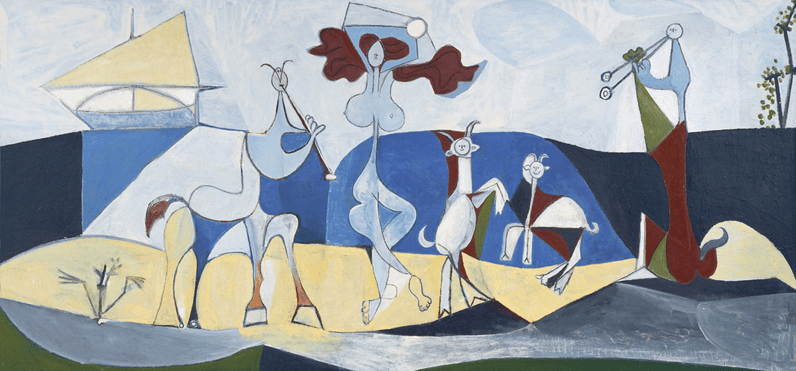
Abbiamo cominciato il laboratorio osservando il quadro di Pablo Picasso Joie di Vivre (1946), che trovate in fondo alla pagina. Alcuni elementi ci hanno comunicato gioia, come la presenza della musica e della danza, e la diversitร  dei colori. Lโ€™uso dellโ€™azzurro ha suggerito serenitร  e tranquillitร , ma anche vitalitร . Qualche partecipante ha attribuito al quadro il senso di una scoperta, con la barca a vela in fondo che richiama lโ€™idea del viaggio. Altri hanno parlato della ricchezza dellโ€™immagine: pur essendo immobile e bidimensionale, รจ capace di creare un senso di profonditร  e di movimento grazie alla collaborazione di chi osserva.ย 

Poi, abbiamo letto alcuni frammenti, piรน o meno brevi, tratti da Momenti di trascurabile felicitร  (2010) di Francesco Piccolo. Trovate anche questi brani in fondo alla pagina. Abbiamo meditato sulla felicitร  delle piccole cose e sullโ€™importanza dei dettagli, anche in relazione al quadro di Picasso. Qualcuno ha sottolineato il bisogno di notare ed apprezzare tali momenti, godendo della semplicitร  ed esercitando lโ€™attenzione. Altri hanno riflettuto sullโ€™ascolto delle emozioni, sulla relazione con la realtร  che ci circonda, e sul significato della cura. 

In seguito, abbiamo scritto ispirati dallo stimolo: “Racconta un momento di trascurabile felicitร โ€. Abbiamo parlato dellโ€™ironia nellโ€™uso dellโ€™aggettivo โ€œtrascurabileโ€ e dellโ€™ossimoro nellโ€™espressione โ€œtrascurabile felicitร โ€. Qualcuno ha messo in rilievo che โ€œtrascurabileโ€ contiene il sostantivo โ€œcuraโ€, riflettendo su quanto le felicitร  apparentemente trascurabili possano in realtร  rappresentare momenti di cura.

Invitiamo i partecipanti del laboratorio a condividere i propri scritti nella parte “blog” dedicata alla fine della presente pagina (“Leave a Reply”). Speriamo di creare, attraverso questo forum di condivisione, uno spazio in cui continuare la nostra conversazione!


Joie de Vivre, Pablo Picasso (1946)

Alcune intelligenze per le piccole cose, come il guidatore dellโ€™auto alle tue spalle quando capisce subito che devi parcheggiare e quindi fare retromarcia. E lui si ferma a qualche metro di distanza e aspetta senza avanzare.

Lโ€™acqua quando hai sete, il letto quando hai sonno.

Quando chiacchiero con un amico passeggiando, continuiamo a camminare soltanto se la conversazione รจ del tutto frivola, trascurabile, ma se ci accendiamo, se stiamo per dire una cosa piรน seria, piรน importante, in quel momento smettiamo di camminare, allunghiamo la mano verso il braccio dellโ€™altro e ci fermiamo, e per tutto il tempo che la discussione รจ seria, stiamo lรฌ piantati, e le mani gesticolano, si muovono, non stanno affatto in tasca o dietro la schiena. Soltanto dopo la risoluzione, uno dei due riprende il cammino, seguito dallโ€™altro, e rinfila le mani in tasca.

Le coppie che stanno insieme da tanto tempo e che giocano a carte in silenzio, la sera.

Quelli che ti danno un passaggio, e non ti lasciano da qualche parte: allโ€™angolo; vicino alla metro; alla fermata dei taxi. Ma ti accompagnano fino a casa.

E poi quando uno si fa male, tutti chiedono ยซcome ti sei fatto male?ยป

Incontrare dopo tanto tempo una persona con cui hai litigato. Quando la vedi, ti ricordi soltanto che hai litigato, ma non ti ricordi piรน perchรฉ. E nemmeno lei si ricorda. Ti avvicini per chiacchierare, e chiacchierate, perchรฉ quella inimicizia non la potete sentire piรน.

In generale, tutti quelli che si preoccupano per me o si occupano di me.

Francesco Piccolo, โ€œMomenti di trascurabile felicitร ,โ€ Einaudi (2014)


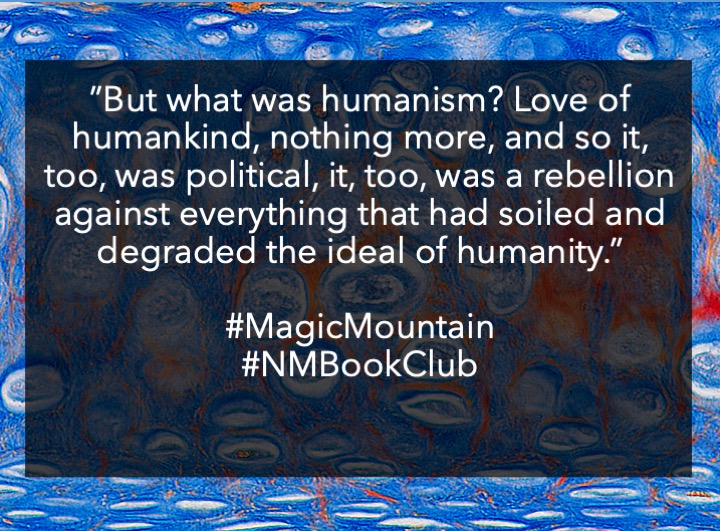
Narrative Medicine Book Club: Magic Mountain, Week 5

Week 5: In this week’s pages Castorp gets his first official “admittance” to the sanatorium as a “patient” rather than a “visitor.” It feels inevitable to us, of course, knowing he will stay, and having watched Castorp’s progression up to now. But for me maybe the most fascinating element of the book so far is the way that Mann makes this slide into illness feel not only inevitable but also, for Castorp, desirable. He feels pangs at the idea of leaving his cousin up there alone, but the reader understands he actually doesn’t want to go.The near giddiness with which he takes his temperature! Also his obsession with Frau Chauchant is fascinating, and I look forward to discussing it with you all (he loves her, and yet has no plans to speak to her, and calls her “worm-eaten”)! And at the end of chapter 4, with some relief, he is declared “secretly one of the locals,” and ordered to bed.ย 


For next week: Read to the section “Freedom” in Chapter 5.ย 


Also: Our next zoom meeting with be July 12th, 11am EST (moved one week because of July 4th holiday). More details TK!


Live Virtual Group Session: 12pm EDT June 24th 2020

Todayโ€™s session comprised 25 participants from the UK, Canada, and India, as well as California, Indiana, Pennsylvania, New York, New Jersey, Massachusetts, Florida and New Hampshire. After the groupโ€™s brief silent-centering exercise, one narrator and two โ€œactorsโ€ read an excerpt from Anton Chekhovโ€™s Uncle Vanya with two characters: Astrov, a middle-aged country doctor faced with a typhoid epidemic, and the elderly nanny, Marina. โ€œPlaceโ€ was a dominant theme in the discussion, both in terms of the sceneโ€™s physical space (a terrace gardenโ€™s avenue of trees) and the place/status reflected in society (aristocracy vs. serfdom). The discussion evolved into a series of keen observations and personal associations: trainees trembling under their blankets at night, like Astrov praying they wonโ€™t be called to work; knitting as not only textile but text, Chekhovโ€™s weaving a story; and the numbness resulting from overwork in the medical realm. One participant noted that Astrov seems to construct his identity in relation to his patients, but not in relation to the structural dynamics of his profession.ย  Beyond what was explicitly stated in the text, participants compared assumptions made about the caregiver Astrov as he โ€œspills out his feelingsโ€ to a caretaker, Marina, whom one participant identified as a truth teller, โ€œa stand-in for God.โ€ What is it, the group wondered, that awakens Astrovโ€™s numbed feelings: guilt? Judgment? Awareness of his privileged status? Feeling himself to be โ€œas stupidโ€ as anyone else? This question segued into the prompt: โ€œWrite about an awakening.โ€

Writers addressed both rude awakenings and gentle ones. A splintered door became a metaphor for awakening into sexual identity.ย  A glacierโ€™s slow descent with โ€œice falling awayโ€ described one writerโ€™s gradual โ€œwaking up to truth.โ€ย  The sudden trauma of a car accident was the catalyst for recognizing the impact of a longer, more destructive trauma. The last writer to read offered a gentler awakening to the morning sounds at a country house and the sight of aย  lake that โ€œresembles eternity.โ€

Participants are warmly encouraged to share what you wrote below (โ€œLeave a Replyโ€), to keep the conversation going here, bearing in mind that the blog of course is a public space where confidentiality is not assured.

Also, we would love to learn more about your experience of these sessions, so if youโ€™re able, please take the time to fill out a follow-up survey of two quick questions!

Please join us for our next session Monday, June 29th at 6pm EDT, with more times listed on our Live Virtual Group Sessions page.

We look forward to seeing you again soon!


A country house on a terrace. In front of it a garden. In an avenue of trees, under an old poplar, stands a table set for tea, with a samovar, etc. Some benches and chairs stand near the table. On one of them is lying a guitar. Near the table is a swing. It is three o’clock in the afternoon of a cloudy day.

MARINA, a stout, slow old woman, is sitting at the table knitting a stocking.

ASTROV is walking up and down near her.

MARINA. [Pouring some tea into a glass] Take a little tea, my son.

ASTROV. [Takes the glass from her unwillingly] Somehow, I don’t seem to want any.

MARINA. Then will you have a little vodka instead?

ASTROV. No, I don’t drink vodka every day, and besides, it’s too hot now. [A pause] Tell me, Nanny, how long have we known each other?

MARINA. [Thoughtfully] Let me see, how long is it? Lord — help me to remember. You first came here, into these parts — let me think — when was it? Sonya’s mother was still alive — it was two winters before she died; that was eleven years ago — [thoughtfully] perhaps more.

ASTROV. Have I changed much since then?

MARINA. Oh, yes. You were handsome and young then, and now you’re an old man and not handsome any more. You drink now, too.

ASTROV. Yes, ten years have made me another man. And why? Because I’m overworked. Nanny, I’m on my feet from dawn till dusk. I know no rest; at night I tremble under my blankets for fear of being dragged out to visit some one who is sick; I’ve toiled without repose or a day’s freedom since I’ve known you; could I help growing old? And then, existence here is tedious, anyway; it’s a senseless, dirty business, this life, and gets you down. Everyone about here is eccentric, and after living with them for two or three years one grows eccentric oneself. It’s inevitable. [Twisting his moustache] See what a long moustache I’ve grown. A foolish, long moustache. Yes, I’m as eccentric as the rest, Nanny, but not as stupid; no, I haven’t grown stupid. Thank God, my brain isn’t addled yet, though my feelings have grown numb. I want nothing, I need nothing, I love no one, unless it is yourself alone. [He kisses her head] I had a nanny just like you when I was a child.

MARINA. Don’t you want a bite of something to eat?

ASTROV. No. During the third week of Lent I went to the epidemic at Malitskoe. It was an outbreak of typhoid fever. The peasants were all lying side by side in their huts, and the calves and pigs were running about the floor among the sick. Such dirt there was, and smoke! Unspeakable! I slaved among those people all day, not a crumb passed my lips, but when I got home there was still no rest for me; a switchman was carried in from the railroad; I laid him on the operating table and he went and died in my arms under chloroform, and then my feelings that should’ve been deadened awoke again, my conscience tortured me as if I had killed the man. I sat down and closed my eyes — like this — and thought: will our descendants one or two hundred years from now, for whom we’re clearing the way, remember to give us a kind word? No, Nanny, they’ll forget us.

MARINA. Man is forgetful, but God remembers.

ASTROV. Thank you for that. You’ve spoken the truth.

From Uncle Vanya, by Anton Chekhov


Wirtualne Grupy Narracyjne: Wtorek 23 czerwca, 18:00 CET

Dzisiejsza grupa byล‚a szczegรณlna i dziฤ™kujemy wszystkim, z ktรณrymi tฤ™ pracฤ™ zaczฤ™liล›my.

Wspรณlnie przeczytaliล›my, zamieszczony poniลผej, wiersz Tomasza Rรณลผyckiego โ€žNotatkiโ€, pochodzฤ…cy z tomu โ€žKapitan Xโ€.

Praca dzisiejszej grupy zostaล‚a przerwana z przyczyn technicznych. Problemy zakล‚รณcajฤ…ce przebieg spotkania pojawiaล‚y siฤ™ niemal od samego poczฤ…tku, a ich kumulacja wymusiล‚a decyzjฤ™ o wczeล›niejszym zakoล„czeniu sesji. Jednakลผe interesujฤ…cym pozostaje wyobraลผeniowe powiฤ…zanie (poza schematem fizycznych przyczyn i skutkรณw) pomiฤ™dzy obecnฤ… w wierszu wyprawฤ… w kosmos, w trakcie ktรณrej napotyka siฤ™ na mur z kamienia, a barierฤ… niedogodnoล›ci, jakลผe powszechnych w wirtualnej rzeczywistoล›ci, ktรณre dziล› i dla nas okazaล‚y siฤ™ byฤ‡ ล›cianฤ… nie do przejล›cia. Miejmy nadziejฤ™, ลผe nastฤ™pnym razem uda siฤ™ nam odnaleลบฤ‡ w niej takie szczeliny, przez ktรณre wszyscy wspรณlnie przejdziemy.

Zapraszamy do udziaล‚u w kolejnych sesjach, ktรณrych terminy podane sฤ… na polskiej podstronie Wirtualnych Grup Narracyjnych. Najbliลผsza grupa odbฤ™dzie siฤ™ 2 lipca (czwartek) o godzinie 18:00 โ€“ zarejestruj siฤ™ juลผ dziล›.

Wszelkie pytania oraz proล›by o organizacjฤ™ indywidualnych grup narracyjnych dla Waszych zespoล‚รณw moลผna przesyล‚aฤ‡ na adres: narrativemedicine@cumc.columbia.edu oraz humanistykamedyczna@cm.uj.edu.pl.

Do zobaczenia niebawem!

Tomasz Rรณลผycki

Notatki

Kapitanie, notatki, ktรณre wziฤ…ล‚eล›
ze sobฤ… w kosmos, sฤ… dosyฤ‡ naiwne.
Zrobiliล›my kopiฤ™ i przy piwie
czasem ล›miejemy siฤ™ z dziaล‚em nadzoru,
wyobraลผajฤ…c sobie, jak je czytasz
potencjalnym adresatom, kosmitom,
anioล‚om, kwarkom, ktokolwiek tam mieszka,
dla kogo uล‚oลผyล‚eล› swรณj elementarz.
Powiedzmy, ลผe ta nieskoล„czona przestrzeล„
jednak koล„czy siฤ™ tak jak wszystko, ล›cianฤ…,
murem z kamienia. W szpary sฤ… wtykane
maล‚e karteczki z wielkimi proล›bami.

(Wiersz pochodzi z tomu โ€žKapitan Xโ€, Wydawnictwo a5, Krakรณw 2020.)

***

Thank you to everyone who began with us the work during this very unusual session.

Together we read โ€œNotatki (Notes)โ€, a poem by Tomasz Rรณลผycki from a recent book โ€œKapitan X (Captain X)โ€, unfortunately not yet translated into English.

The work of today’s group was interrupted due to technical reasons. Problems running the virtual meeting appeared almost at the very beginning, and their increase forced the decision to end the session early. However, it is worth noting that the imaginative connection (apart from the scheme of physical causes and effects) between the expedition to the outer space in the poem, during which one encounters a stone wall, and the barrier of inconveniences so common in virtual reality, turned out to be a wall impassable for us today. Let us hope that next time we will be able to find cracks in the wall that will allow all of us to go through it together.

Please join us for our next session: Wednesday June 24th, 12pm EDT (in English), with more times listed on our Live Virtual Group Sessions page.

If you have questions, or would like to schedule a personalized narrative medicine session for your organization or team, email us at narrativemedicine@cumc.columbia.edu.

We look forward to seeing you again soon!


Laboratori Di Medicina Narrativa: martedรฌ 23 Giugno dalle 19 alle 20.30

Siamo stati molto lieti di avervi qui con noi!

Abbiamo letto insieme la poesia “Emozioni” di Lucio Battisti e Mogol (allegato al termine di questa pagina)ย ย 

In seguito, abbiamo usato il prompt “Capire tu non puoiโ€ฆ”

Condivideremo ulteriori dettagli della sessione nei prossimi giorni; vi invitiamo a rivisitare questa pagina nei prossimi giorni!

Invitiamo i partecipanti del laboratorio a condividere i propri scritti nella parte “blog” dedicata alla fine della presente pagina (“Leave a Reply”). Speriamo di creare, attraverso questo forum di condivisione, uno spazio in cui continuare la nostra conversazione!


EMOZIONI โ€“ Lucio Battisti e Mogol
ย 
Seguir con gli occhi un airone sopra il fiume e poi
Ritrovarsi a volare
E sdraiarsi felice sopra l'erba ad ascoltare
Un sottile dispiacere
E di notte passare con lo sguardo la collina per scoprire
Dove il sole va a dormire
Domandarsi perchรฉ quando cade la tristezza
In fondo al cuore
Come la neve non fa rumore
E guidare come un pazzo a fari spenti nella notte per vedere
Se poi รจ tanto difficile morire
E stringere le mani per fermare
Qualcosa che
รˆ dentro me
Ma nella mente tua non c'รจ
Capire tu non puoi
Tu chiamale, se vuoi, emozioni
Uscir nella brughiera di mattina dove non si vede a un passo
Per ritrovar sรฉ stesso
Parlar del piรน e del meno con un pescatore
Per ore ed ore
Per non sentir che dentro qualcosa muore
E ricoprir di terra una piantina verde sperando possa
Nascere un giorno una rosa rossa
E prendere a pugni un uomo, solo perchรฉ รจ stato un po' scortese
Sapendo che quel che brucia non son le offese
E chiudere gli occhi per fermare
Qualcosa che
รˆ dentro me
Ma nella mente tua non c'รจ
Capire tu non puoi
Tu chiamale, se vuoi, emozioni

Live Virtual Group Session: 6pm EDT June 22nd 2020

Thank you to everyone who joined us for this session!

Our text for the session was “Clearing” by Martha Postlewaite.

Our prompt was: “Write about (or draw) your clearing.”

More details on the session will be posted soon, so check back!

Participants are warmly encouraged to share what you wrote below (โ€œLeave a Replyโ€), to keep the conversation going here, bearing in mind that the blog of course is a public space where confidentiality is not assured.

Please join us for our next session Wednesday, June 24th at 12pm EDT, with more times listed on our Live Virtual Group Sessions page.

We look forward to seeing you again soon!


โ€œClearingโ€ by Martha Postlewaite

Do not try to save
the whole world
or do anything grandiose.
Instead, create
a clearing
in the dense forest
of your life
and wait there
patiently,
until the song
that is your life
falls into your own cupped hands
and you recognize and greet it.
Only then will you know
how to give yourself to this world
so worthy of rescue.


Copyright 2020 Mindfulness Northwest
[read in the Winter 2014 MBSR class in Bellingham]ย 

Live Virtual Group Session: 2pm EDT June 20th 2020

A combination of new and returning participants, 28 total, joined us today, representing local and international perspectives.

Our text was Kindness by Naomi Shihab Nye, posted below, and it was a crowd favorite. Two readers read the poem aloud. One participant pointed out how we experience loss internally in order to find kindness externally. We also noticed the juxtaposition of the images in the poem. Before we can find kindness, you must come to know it through sorrow and loss. Another participant mentioned that the dead Indian in a white poncho could be any of us who could contract/have died of Covid. Someone else mentioned that there is something of a universal and cosmopolitan approach to kindness, to see the cloth like a whole humanity needing kindness right now, beginning from an individual thread of sorrow and leading to kindness. Many readers pointed out the personification of kindness in small actions throughout the poem–tying the shoes (what a difference that can make to someone who canโ€™t tie their own shoes) and gazing at bread (honoring it, knowing that itโ€™s there). There was a consensus that we all need to be more attentive to the isolated acts of kindness in our lives.

Our prompt was โ€œWrite about a time that kindness did or did not find you.โ€ Five participants shared their writing, inspiring a rich array of responses from the listeners. Several of the stories shared were about โ€œsimpleโ€ acts of kindness that had lasting, healing effects. Other themes had to do with the power of kindness to unite us with others and with the way kindness can even remake and reshape oneโ€™s life. Some participants wrote poems with striking, revelatory metaphors for kindness–a small bird, a white box; others wrote moving stories in which unexpected expressions of kindness helped them recover from trauma.

Participants are warmly encouraged to share what you wrote below (โ€œLeave a Replyโ€), to keep the conversation going here, bearing in mind that the blog of course is a public space where confidentiality is not assured.

Please join us for our next session Monday, June 22nd at 6pm EDT, with more times listed on our Live Virtual Group Sessions page.

We look forward to seeing you again soon!


 Kindness 
 by Naomi Shihab Nye

Before you know what kindness really is
you must lose things,
feel the future dissolve in a moment
like salt in a weakened broth.
What you held in your hand,
what you counted and carefully saved,
all this must go so you know
how desolate the landscape can be
between the regions of kindness.
How you ride and ride
thinking the bus will never stop,
the passengers eating maize and chicken
will stare out the window forever.

Before you learn the tender gravity of kindness
you must travel where the Indian in a white poncho
lies dead by the side of the road.
You must see how this could be you,
how he too was someone
who journeyed through the night with plans
and the simple breath that kept him alive.

Before you know kindness as the deepest thing inside,
you must know sorrow as the other deepest thing.
You must wake up with sorrow.
You must speak to it till your voice
catches the thread of all sorrows
and you see the size of the cloth.
Then it is only kindness that makes sense anymore,
only kindness that ties your shoes
and sends you out into the day to gaze at bread,
only kindness that raises its head
from the crowd of the world to say
It is I you have been looking for,
and then goes with you everywhere
like a shadow or a friend.

From Words Under the Words: Selected Poems. 
Copyright ยฉ 1995 by Naomi Shihab Nye.