Narrative Medicine Book Club: Magic Mountain, Week 10

Week 10: Finally Castorp speaks to Madame Chauchat! What a wonderful scene; I wonder if others were surprised, as I was, at how completely Castorp confesses his love! All had been so repressed until this scene, I was surprised to see it come pouring out. His last gushing speech to her, supposedly all in French which he “does not speak,” felt very characteristic, however – a long discourse on the mechanics of body and death: “Ah, love, you know. The body, love, death, are simply one and the same. Because the body is sickness and depravity, it is what produces death, yes, both of them, love and death, are carnal, and that is the source of their terror and great magic!” And his last amazing plea to her: “Let me take in the exhalation of your pores and brush the down – oh, my human image made of water and protein, destined for the contours of the grave, let me perish, my lips against yours!” Very interested in the theme of love in this book, so clearly explored alongside illness and death…


For next week: read to the section “An Outburst of Temper” in Chapter 6.ย 

And join our zoom meeting Sunday at 11!ย  https://narrativemedicine.blog/blog/narrative-medicine-book-club/ย to register.ย 


Wirtualna Grupa Narracyjna: Czwartek 30 lipca, 18:00 CET

{English Below}

Dziฤ™kujemy wszystkim, ktรณrzy wziฤ™li udziaล‚ w dzisiejszej, ostatniej w te wakacje, grupie narracyjnej!

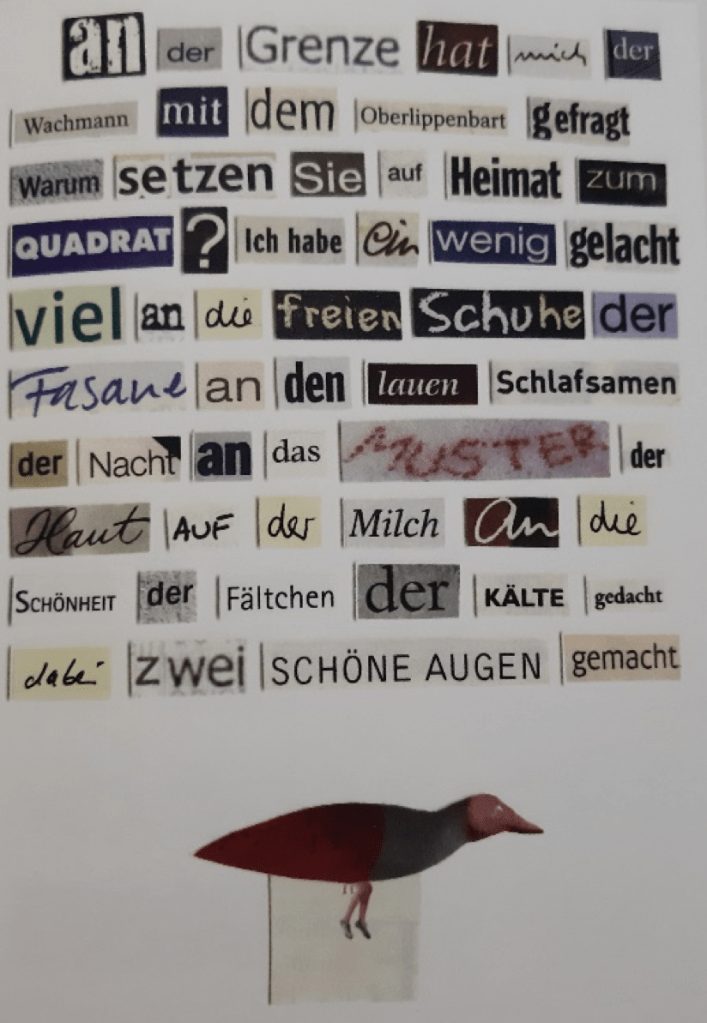
Wspรณlnie uwaลผnie przyjrzeliล›my siฤ™ jednemu z kolaลผy Herty Mรผller o incipicie โ€ž[na granicy spytaล‚ mnie ten]โ€ ze zbioru โ€žOjciec rozmawia telefonicznie z muchamiโ€.

Inspiracja do kreatywnego pisania brzmiaล‚a: โ€žNiedopasowane czฤ™ล›ciโ€.

Praca dzisiejszej grupy wyraลบnie odwzorowywaล‚a formฤ™ zaproponowanego tekstu โ€“ byล‚a kolaลผem. Rรณลผne wypowiedzi, ktรณre siฤ™ pojawiaล‚y, uczucia, spostrzeลผenia stanowiล‚y jakby wycinki tekstรณw pochodzฤ…cych z wyraลบnie odmiennych caล‚oล›ci. Uczestnicy starali siฤ™ pomiฤ™dzy owymi fragmentami dostrzegaฤ‡ jakieล› powiฤ…zania, odwoล‚ujฤ…c siฤ™ miฤ™dzy innymi do pochodzenia wycinkรณw. Relatywnie szybko grupa z poziomu dosล‚ownej interpretacji tekstu przeszล‚a do poziomu interpretowania samej siebie. Uczestnicy prรณbowali odnaleลบฤ‡ sens zaistniaล‚ych niezrozumieล„, braku punktรณw zaczepienia, analogicznie jak w stosunku do samego tekstu. Zaproponowano dwa sposoby odniesienia siฤ™ do owych niejasnoล›ci: zaakceptowanie ich takimi, jakimi sฤ… lub podejmowanie dalszych wysiล‚kรณw majฤ…cych na celu zbliลผenie siฤ™ do peล‚ni zrozumienia. Teksty pisane przez uczestnikรณw zdawaล‚y siฤ™ rรณwnieลผ stanowiฤ‡ wycinki niedostฤ™pnych poznaniu caล‚oล›ci. Pod koniec pracy spostrzeลผono, ลผe w pewnym sensie dzisiejsza grupa byล‚a wycinkiem stanowiฤ…cym czฤ™ล›ฤ‡ kolaลผu, ktรณrym jest zakoล„czony wล‚aล›nie pierwszy cykl wirtualnych grup narracyjnych. Uczucia zwiฤ…zane z jego domykaniem stanowiล‚y tล‚o tej pracy, momentami wyraลบnie dopominajฤ…c siฤ™ o dostrzeลผenie. W ล›lad za nimi ujawniล‚y siฤ™ uczucia wdziฤ™cznoล›ci, ktรณre utworzyล‚y osobny kolaลผ dopeล‚niajฤ…cy nasze spotkania.

Rร“ลปNORODNOลšฤ† SZACUNEK ZROZUMIENIE
INNOลšฤ† AKCEPTACJA UWAลปNOลšฤ†
SลUCHANIE ZAUFANIE ZACIEKAWIENIE
ZDUMIENIE POKORA CIERPLIWOลšฤ†

Byล‚o to ostatnie spotkanie w ramach pierwszego cyklu wirtualnych grup narracyjnych. Zapraszamy do udziaล‚u w kolejnych grupach juลผ w paลบdzierniku!

Wszelkie pytania oraz proล›by o organizacjฤ™ indywidualnych grup narracyjnych dla Waszych zespoล‚รณw moลผna przesyล‚aฤ‡ na adres: narrativemedicine@cumc.columbia.edu oraz humanistykamedyczna@cm.uj.edu.pl.

Kolaลผ Herty Mรผller โ€ž[na granicy spytaล‚ mnie ten]โ€ pochodzi ze zbioru โ€žKolaลผeโ€ wydanego przez Biuro Literackie w 2013.

Do zobaczenia niebawem!


Herta Mรผller
[na granicy spytaล‚ mnie ten]

na granicy spytaล‚ mnie ten
straลผnik z brodฤ… nad gรณrnฤ… wargฤ…
Dlaczego wsadza Pani ojczyznฤ™
w kwadrat? Ja z lekka siฤ™ zaล›miaล‚am
wiele myล›laล‚am o tych swobodnych butach
baลผantรณw o skrycie zaspanych
tej nocy o wzorze
koลผucha na tym mleku o tej
piฤ™knoล›ci tych zmarszczkach zimna
do tego zrobiล‚am dwoje piฤ™knych oczu


Thank you to everyone who joined us for this session!

Together we looked closely at one of Herta Mรผllerโ€™s collages โ€œ[an der Grenze hat mich der]โ€.

Our prompt for today was: โ€œMisaligned parts.โ€

The groupโ€™s work today clearly reflected the form of the text chosen for the session โ€“ a collage. The statements shared, the feelings and the comments appeared to be cut-outs of disparate texts, different wholes. The participants attempted to notice connections between the fragments, referencing the origin of the cut-out words in the original, German text. Relatively quickly the group graduated interpreting the text to self-interpretation. The participants tried to find the meaning of some misunderstandings, of the lack of connection, as if they were still interpreting the text. Two methods of methods of accepting this lack of clarity were identified: that of their acceptance as they were and that of further attempts to reach full understanding. The written texts also appeared to be fragments of incomprehensible wholes. The conclusion was the realization that todayโ€™s work was โ€“ in a way โ€“ also a part of a collage, the collage of the virtual narrative medicine sessions that todayโ€™s meeting concluded. The emotions surrounding the closing of this cycle were the background of todayโ€™s work, on occasions almost demanding to be noticed followed by expressions of gratitude, another collage that completed our sessions.

DIVERSITY RESPECT UNDERSTANDING
OTHERNESS ACCEPTANCE ATTENTION
LISTENING TRUST CURIOSITY
WONDER HUMILITY PATIENCE

Please join us for our next sessions: Monday August 3rd, 6pm EDT (in English) and Wednesday August 5th, 12pm EDT (in English), with more times listed on our Live Virtual Group Sessions page.

If you have questions, or would like to schedule a personalized narrative medicine session for your organization or team, email us at narrativemedicine@cumc.columbia.edu.

We look forward to seeing you again soon!


Live Virtual Group Session: 12pm EDT July 29th 2020

Thank you to everyone who joined us for this session!

Our text for the session was โ€œInstructions on Not Giving Upโ€ by Ada Limรณn.

Our prompt was:ย โ€œWrite your own instructions for not giving up.โ€

More details will be posted on this session soon, so check back!

Participants are warmly encouraged to share what you wrote below (โ€œLeave a Replyโ€), to keep the conversation going here, bearing in mind that the blog of course is a public space where confidentiality is not assured.

Also, we would love to learn more about your experience of these sessions, so if youโ€™re able, please take the time to fill out a follow-up survey of one to two quick questions!

Please join us for our next sessionย Monday, August 3rdย at 6pm EDT,ย with more times listed on ourย Live Virtual Group Sessionsย page.


Instructions on Not Giving Up
byย Ada Limรณn
ย 
More than the fuchsia funnels breaking out
of the crabapple tree, more than the neighborโ€™s
almost obscene display of cherry limbs shoving
their cotton candy-colored blossoms to the slate
sky of Spring rains, itโ€™s the greening of the trees
that really gets to me. When all the shock of white
and taffy, the worldโ€™s baubles and trinkets, leave
the pavement strewn with the confetti of aftermath,
the leaves come. Patient, plodding, a green skin
growing over whatever winter did to us, a return
to the strange idea of continuous living despite
the mess of us, the hurt, the empty. Fine then,
Iโ€™ll take it, the tree seems to say, a new slick leaf
unfurling like a fist to an open palm, Iโ€™ll take it all.

Copyright ยฉ 2017 by Ada Limรณn. 
Originally published in Poem-a-Day on May 15, 2017, 
by the Academy of American Poets.

ฮ–ฯ‰ฮฝฯ„ฮฑฮฝฮฎ ฯƒฯ…ฮฝฮตฮดฯฮฏฮฑ ฮฑฯ†ฮทฮณฮทฮผฮฑฯ„ฮนฮบฮฎฯ‚ ฮนฮฑฯ„ฯฮนฮบฮฎฯ‚: ฮคฯฮฏฯ„ฮท 28 ฮ™ฮฟฯ…ฮปฮฏฮฟฯ…, 7 m.m. EEST

ฮฃฮฑฯ‚ ฮตฯ…ฯ‡ฮฑฯฮนฯƒฯ„ฮฟฯฮผฮต ฯ€ฮฟฯ… ฯƒฯ…ฮผฮผฮตฯ„ฮตฮฏฯ‡ฮฑฯ„ฮต ฯƒฮต ฮฑฯ…ฯ„ฮฎฮฝ ฯ„ฮท ฯƒฯ…ฮฝฮตฮดฯฮฏฮฑ.

ฮคฮฟ ฮบฮตฮฏฮผฮตฮฝฯŒ ฮผฮฑฯ‚ ฮณฮนฮฑ ฯƒฮฎฮผฮตฯฮฑ ฮฎฯ„ฮฑฮฝ: ฮกฮฟฯฮปฮท ฮœฯ€ฮฟฯฮฑ, ยซฮ“ฯ…ฯฮฏฮถฮฟฮฝฯ„ฮฑฯ‚ ฯ„ฮทฮฝ ฯ€ฮปฮฌฯ„ฮท ฯƒฯ„ฮฟ ฮผฮญฮปฮปฮฟฮฝยป

ฮ˜ฮญฮผฮฑ: ฮ“ฯฮฌฯˆฯ„ฮต ฮณฮนฮฑ ฯ„ฮท ฯ†ฮฟฯฮฌ ฯ€ฮฟฯ… ฮตฮฏฮดฮฑฯ„ฮต ฯ„ฮฟ ฮผฮญฮปฮปฮฟฮฝ

ฮฃฯฮฝฯ„ฮฟฮผฮฑ ฮธฮฑ ฮผฮฟฮนฯฮฑฯƒฯ„ฮฟฯฮผฮต ฯ€ฮตฯฮนฯƒฯƒฯŒฯ„ฮตฯฮตฯ‚ ฯ€ฮปฮทฯฮฟฯ†ฮฟฯฮฏฮตฯ‚ ฯƒฯ‡ฮตฯ„ฮนฮบฮฌ ฮผฮต ฮฑฯ…ฯ„ฮฎฮฝ ฯ„ฮท ฯƒฯ…ฮฝฮตฮดฯฮฏฮฑ, ฮณฮน โ€˜ฮฑฯ…ฯ„ฯŒ ฮตฯ€ฮนฯƒฯ„ฯฮญฯˆฯ„ฮต ฮพฮฑฮฝฮฌ.

ฮฃฮฑฯ‚ ฯ€ฯฮฟฯƒฮบฮฑฮปฮฟฯฮผฮต ฮฝฮฑ ฮผฮฟฮนฯฮฑฯƒฯ„ฮตฮฏฯ„ฮต ฯ„ฮฑ ฮณฯฮฑฯ€ฯ„ฮฌ ฯƒฮฑฯ‚ ฮผฮฑฮถฮฏ ฮผฮฑฯ‚ ฯ€ฮฑฯฮฑฮบฮฌฯ„ฯ‰.

ฮšฮฑฮปฮฟฯฮผฮต ฯŒฮปฮตฯ‚ ฮบฮฑฮน ฯŒฮปฮฟฯ…ฯ‚ ฯ€ฮฟฯ… ฯƒฯ…ฮผฮผฮตฯ„ฮตฮฏฯ‡ฮฑฯ„ฮต ฮฝฮฑ ฮผฮฟฮนฯฮฑฯƒฯ„ฮตฮฏฯ„ฮต ฯŒฯƒฮฑ ฮณฯฮฌฯˆฮฑฯ„ฮต ฮบฮฑฯ„ฮฌ ฯ„ฮท ฮดฮนฮฌฯฮบฮตฮนฮฑ ฯ„ฮทฯ‚ ฯƒฯ…ฮฝฮตฮดฯฮฏฮฑฯ‚ ฮผฮฑฯ‚ ฯ€ฮฑฯฮฑฮบฮฌฯ„ฯ‰ (โ€œLeave a replyโ€) ฮบฮฑฮน ฮฝฮฑ ฮบฯฮฑฯ„ฮฎฯƒฮฟฯ…ฮผฮต ฮฑฯ…ฯ„ฮฎ ฯ„ฮทฮฝ ฯ„ฯŒฯƒฮฟ ฮตฮฝฮดฮนฮฑฯ†ฮญฯฮฟฯ…ฯƒฮฑ ฯƒฯ…ฮถฮฎฯ„ฮทฯƒฮฎ ฮผฮฑฯ‚ ฮถฯ‰ฮฝฯ„ฮฑฮฝฮฎ, ฯ…ฯ€ฮตฮฝฮธฯ…ฮผฮฏฮถฮฟฮฝฯ„ฮฌฯ‚ ฯƒฮฑฯ‚, ฮฒฮตฮฒฮฑฮฏฯ‰ฯ‚, ฯŒฯ„ฮน ฮฑฯ…ฯ„ฮฎ ฮตฮฏฮฝฮฑฮน ฮผฮนฮฑ ฮดฮทฮผฯŒฯƒฮนฮฑ ฯ€ฮปฮฑฯ„ฯ†ฯŒฯฮผฮฑ ฮบฮฑฮน ฮท ฯ€ฯฯŒฯƒฮฒฮฑฯƒฮท ฮฑฮฝฮฟฮนฯ‡ฯ„ฮฎ ฯƒฯ„ฮฟ ฮบฮฟฮนฮฝฯŒ.

ฮ˜ฮฑ ฮธฮญฮปฮฑฮผฮต ฮฝฮฑ ฮผฮฌฮธฮฟฯ…ฮผฮต ฯ€ฮตฯฮนฯƒฯƒฯŒฯ„ฮตฯฮฑ  ฮณฮนฮฑ ฯ„ฮทฮฝ ฮตฮผฯ€ฮตฮนฯฮฏฮฑ ฯƒฮฑฯ‚ ฮผฮต ฮฑฯ…ฯ„ฮญฯ‚ ฯ„ฮนฯ‚ ฯƒฯ…ฮฝฮตฮดฯฮฏฮตฯ‚. ฮ‘ฮฝ ฯ„ฮฟ ฮตฯ€ฮนฮธฯ…ฮผฮตฮฏฯ„ฮต, ฯ€ฮฑฯฮฑฮบฮฑฮปฮฟฯฮผฮต ฮฑฯ†ฮนฮตฯฯŽฯƒฯ„ฮต ฮปฮฏฮณฮฟ ฯ‡ฯฯŒฮฝฮฟ ฯƒฮต ฮผฮนฮฑ ฯƒฯฮฝฯ„ฮฟฮผฮท ฮญฯฮตฯ…ฮฝฮฑ ฮดฯฮฟ ฮตฯฯ‰ฯ„ฮฎฯƒฮตฯ‰ฮฝ!

ฮ‘ฮบฮฟฮปฮฟฯ…ฮธฮฎฯƒฯ„ฮต ฯ„ฮฟฮฝ ฯƒฯฮฝฮดฮตฯƒฮผฮฟ: https://tinyurl.com/nmedg-survey


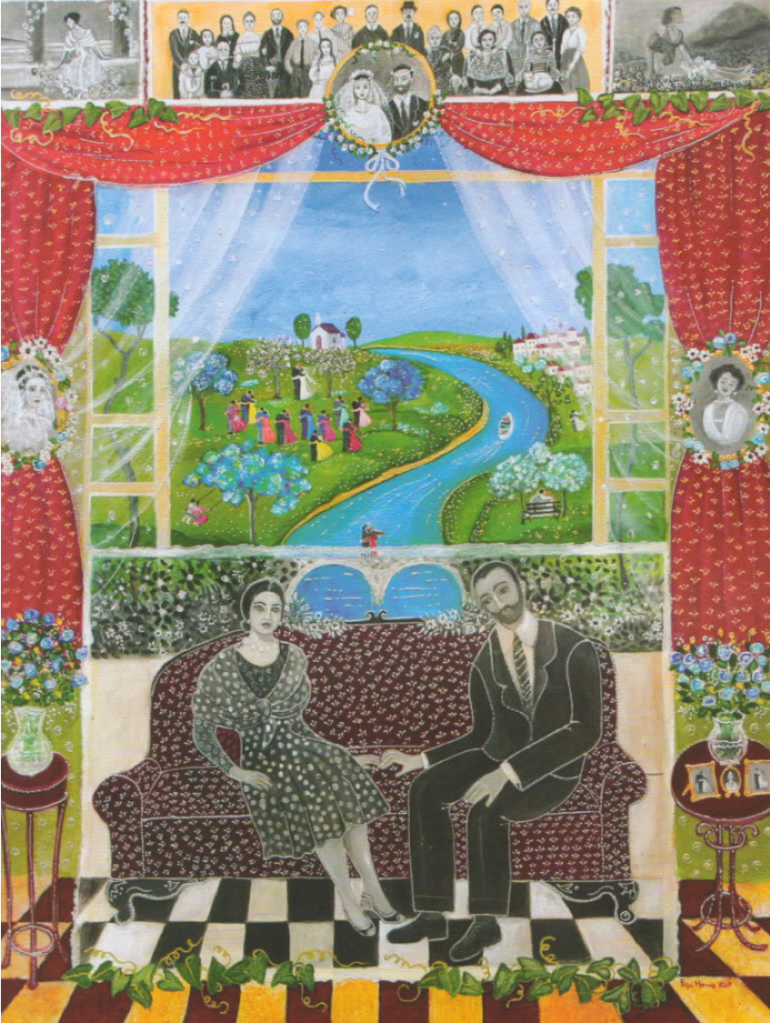
ฮกฮฟฯฮปฮท ฮœฯ€ฮฟฯฮฑ,
ยซฮ“ฯ…ฯฮฏฮถฮฟฮฝฯ„ฮฑฯ‚ ฯ„ฮทฮฝ ฯ€ฮปฮฌฯ„ฮท ฯƒฯ„ฮฟ ฮผฮญฮปฮปฮฟฮฝยป
(70×90ฮตฮบ, 2007)


Live Virtual Group Session: 6pm EDT July 27th 2020

Twenty-three people gathered together via Zoom to close-read Charles Simicโ€™s 1938 poem โ€œIn the Libraryโ€ and, after discussing the text, write to a prompt.

96% of participants revealed, via the NM survey, that they have participated in four or more of these NM live, virtual sessions, which, again tonight, brought together people from three continents. We love coming back together each Monday night, welcoming back our core group of veteran participants and welcoming new faces as well. Our community has grown with time, our bonds strengthened, and our eagerness to expand our narrative medicine family always growing.

After quickly reviewing the use of technology and the guidelines emanating from Narrative Medicineโ€™s values of confidentiality and narrative humility: approaching texts with openness, welcoming diverse perspectives, and responding to each other with respect and specific references to what is โ€œseenโ€ and heard in each otherโ€™s writing.

As we did last week we co-constructed possible meanings in the text by offering each observation, intertextual association, or visceral reaction as โ€œa piece of the puzzle.โ€ The first piece of the puzzle attended to the title โ€œIn the Libraryโ€ which locates the reader, as well as the speaker of the poem, in a library. (Many of us chatted our remembrances of libraries/librarians in our past or named famous librarians such as Jorge Luis Borges of Argentinaโ€™s National Library.) Later there was attention paid to being in the dictionary that was in the library where โ€œ[a]ngels and gods huddled [i]n dark unopened booksโ€ (books that are โ€œwhisperingโ€) and how those words suggested a hallowed space. As we explored the space of the poem, we noted the how many languages come together within the library. For example, โ€œthe language of the library is silenceโ€, but the โ€œthe language of books are wordsโ€ that are being whispered to us as we browse through the space.

One person drew attention to the lines alluding to the prevalence of angels, in times past, being โ€œas plentiful [a]s species of fliesโ€ making it necessary โ€œto wave both arms [j]ust to keep them away.โ€ Another person heard the speaker wishing for the special power of the librarian to hear what s(he) could hear. There was speculation about the identity of Octavio, to whom Simic had dedicated the poem. We agreed that there was not only a secret in the dictionary but also mystery in the poem to which we were not privy.  As we wondered what the books are whispering, we wondered also โ€œwhat kind of deep listening is enough to hear what they are sayingโ€. We noted that Mrs. Jonesโ€™ โ€œhead tipped as it listeningโ€ โ€“ what kind of gestures and adjustments are necessary for us to really listen to whatโ€™s around us?

We moved to the prompt: Write about what Mrs. Jones hears as she passes A Dictionary of Angels and wrote for four minutes.

Four participants read aloud. One person styled Mrs. Jonesโ€™s hair into a bun (and someone later added a pencil pushing through the bun!) and imagined her hearing an angel tell a joke. Another wrote as if she were the librarian and offered to be a witness to what the book held. One person expressed her desire for the angels to have stories. One narrative ended with a loose page of the dictionary floating down onto the surprised librarianโ€™s feetโ€”and left the reader to imagine what was on the page. Another writer had Mrs. Jones hear the angels murmuring, in ancient languages, doubts, kindness, peace, and โ€œright wisdom.โ€

We thank you all for your participation and contributions to our collective puzzle. See you soon!

Participants are warmly encouraged to share what you wrote below (โ€œLeave a Replyโ€), to keep the conversation going here, bearing in mind that the blog of course is a public space where confidentiality is not assured.

Also, we would love to learn more about your experience of these sessions, so if youโ€™re able, please take the time to fill out a follow-up survey of one to two quick questions!

Please join us for our next session Wednesday, July 29th at 12pm EDT, with more times listed on our Live Virtual Group Sessions page.


In the Library - Charles Simic (1938)

For Octavio
 
Thereโ€™s a book called
A Dictionary of Angels.
No one had opened it in fifty years,
I know, because when I did,
The covers creaked, the pages
Crumbled. There I discovered
 
The angels were as plentiful                           
As species of flies.
The sky at dusk
Used to be thick with them.
You had to wave both arms
Just to keep them away.

Now the sun is shining
Through the tall windows.
The library is a quiet place.
Angels and gods huddled
In dark unopened books.
The great secret lies
On some shelf Miss Jones
Passes every day on her rounds.
 
Sheโ€™s very tall, so she keeps
Her head tipped as if listening.
The books are whispering.
I hear nothing, but she does.

Laboratori Di Medicina Narrativa: sabato 25 luglio dalle 16 alle 17.30

Siamo stati molto lieti di avervi avuti con noi!

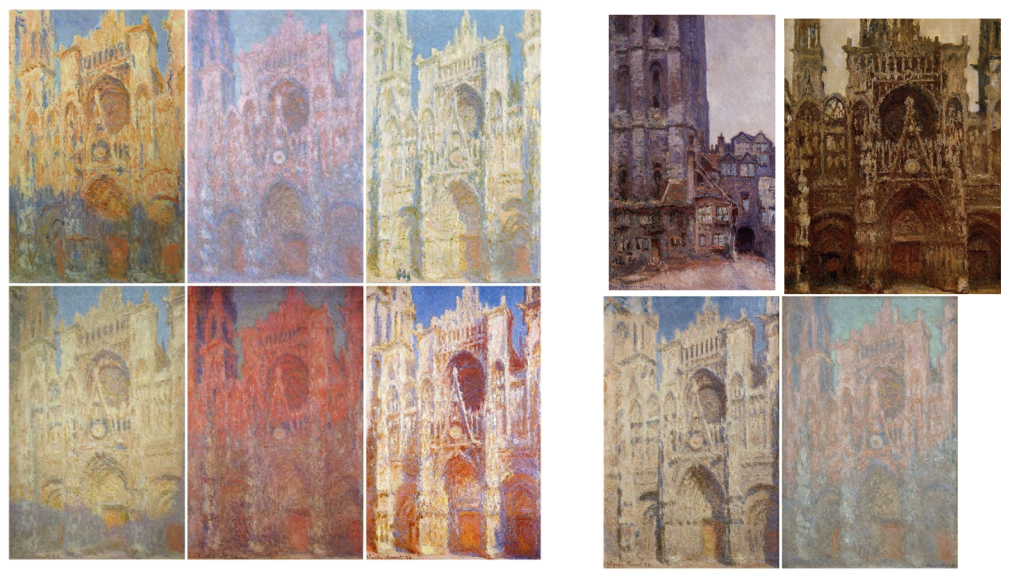
Abbiamo letto insieme la poesia โ€œMonet rifiuta lโ€™operazioneโ€ di Lisel Mueller, che trovate alla fine della pagina. Abbiamo analizzato anche i quadri di Monet della Cattedrale Rouen. Poi, abbiamo scritto al prompt: “Dipingi un mondo in flusso”.

Al piรน presto, condivideremo ulteriori dettagli della sessione. Vi invitiamo a visitare di nuovo questa pagina nei prossimi giorni.

Se avete partecipato al laboratorio, potete condividere i vostri scritti alla fine della pagina (โ€œLeave a Reply”). Attraverso questo forum speriamo di creare uno spazio per continuare la nostra conversazione!ย 

Stiamo raccogliendo impressioni e breve feedback sui nostri laboratori di medicina narrativa su Zoom!

Questo breve questionario (anonimo, e aperto a chiunque abbia frequentato almeno un laboratorio) รจ molto importante per noi, e ci permetterร  di elaborare sul valore dei nostri laboratori e sul ruolo dello spazio per riflettere e metabolizzare il momento presente. Vi preghiamo quindi di condividere le nostre riflessioni con noi!ย 


Monet Rifiuta Lโ€™Operazione - Lisel Mueller
Dottore, lei dice che non ci sono aloni
intorno ai lampioni di Parigi
e quel che vedo รจ unโ€™aberrazione
causata dalla tarda etร , una malattia.
Le dico che mi ci รจ voluta tutta la vita
per arrivare a vedere i lampioni come angeli,
per ammorbidire e sfuocare e infine eliminare
i contorni che a lei dispiace che io non scorga,
per imparare che la linea che chiamavo orizzonte
e il cielo e lโ€™acqua,
cosi divisi, sono della stessa sostanza.
54 anni fa io potevo vedere
che la cattedrale di Rouen รจ stata costruita
con raggi paralleli
e ora lei vuole correggere
i miei errori giovanili: nozioni
rigide di alto e basso,
lโ€™illusione di uno spazio tridimensionale,
il ponte separato dal glicine che lo ricopre.
Cosa posso dire per convincerla
che il palazzo del Parlamento si dissolve
notte dopo notte fino a diventare
il sogno fluido del Tamigi?
Non tornerรฒ in un universo
di oggetti che non si compenetrano tra loro
come se le isole non fossero i bambini perduti
di un unico grande continente. Il mondo
รจ flusso, e tutto diventa luce,
diventa acqua, gigli sullโ€™acqua,
sopra e sotto lโ€™acqua,
diventaย  luci color lilla, malva e giallo
bianco e azzurro,
piccoli pugni che si passano lโ€™uno allโ€™altro la luce del sole
cosรฌ velocemente
che ci vorrebbero sete lunghe e fluenti
nel mio pennello per catturarle.
Dipingere la velocitร  della luce.
Le nostre sagome appesantite, linee verticali,
si incendiano mescolandosi con lโ€™aria
fino a trasformare in gas le nostre ossa, la nostra pelle, gli abiti.
Dottore
se solo lei potesse vedere
come il cielo attira la terra tra le sue braccia
e come il cuore si espande allโ€™infinito
per rendere questo mondo vapore blu senza fine.

Narrative Medicine Book Club: Magic Mountain Week 9

Week 9: In this week’s pages, Hans Castorp and his cousin begin a practice of visiting the sick and dying at Berghof. Each time they do this, Castorp feels “his whole being expand with a joy rooted in a sense of helpfulness and quiet importance, but intermingled with a certain jaunty delight in the spotless Christian impression his good deeds made–an impression so devout, caring, and praiseworthy, in fact, that no serious objections whatever could be raised against it…” A fascinating series of encounters are detailed, culminating at the end of the section with the visits to the young woman Karen Kartedt, who lives outside of the sanatorium, and who the cousins take on various outings and, eventually, to the cemetery where she will soon be interred. But maybe my favorite moment is when Mann describes going to the movies! I have to quote it in its entirety: “There was no one there to clap for, to thank, no artistic achievement to reward with a curtain call. The actors who had been cast in the play they had just seen had long since been scattered to the winds; they had watched only phantoms, whose deeds had been reduced to a million photographs brought into focus for the briefest of moments so that, as often as one liked, they could then be given back to the element of time as a series of blinking flashes. Once the illusion was over, there was something repulsive about the crowd’s nerveless silence. Hands lay impotent before the void. People rubbed their eyes, stared straight ahead, felt embarrassed by the brightness and demanded the return of the dark, so that they could again watch things, whose time had passed, come to pass again, tricked out with music and transplanted into new time.” 


For next week: Read to the section “Someone Else” in Chapter 6. 


Live Virtual Group Session: 12pm EDT July 22nd 2020

Thank you to everyone who joined us for this session!

Our text was an excerpt from The Night Watchman by Louise Erdrich, posted below.

Our prompt was: “Write about a quilt of dreams.”

More details will be posted on this session soon, so check back!

Participants are warmly encouraged to share what you wrote below (โ€œLeave a Replyโ€), to keep the conversation going here, bearing in mind that the blog of course is a public space where confidentiality is not assured.

Also, we would love to learn more about your experience of these sessions, so if youโ€™re able, please take the time to fill out a follow-up survey of one to two quick questions!

Please join us for our next sessionย Monday, July 27thย at 6pm EDT,ย with more times listed on ourย Live Virtual Group Sessionsย page.


From The Night Watchman by Louise Erdrich.

The sun flooded the sleeping floor of the old house. A few late flies banged against the window glass, or died buzzing around in circles on the floor. The top of the quilt was warm. Thomas removed his trousers and folded them along the creases to renew their sharpness. He kept a pair of long underwear pants under the pillow.

He slipped them on, hung his shirt over a chair, and rolled under the heavy blanket. It was a quilt of patches left over from the woolen coats that had passed through the family. Here was his motherโ€™s navy blue. It had been made from a trade wool blanket and to a blanket it had returned. Here were the boyโ€™s padded plaid wool jackets, ripped and worn. These jackets had surged through fields, down icy hills, wrestled with dogs, and been left behind when they took city work. Here was Roseโ€™s coat from the early days of their marriage, blue-gray and thin now, but still bearing the fateful shape of her as she walked away from him, then stopped, turned, and smiled, looking at him from under the brim of a midnight-blue cloche hat, daring him to love her. Theyโ€™d been so young. Sixteen. Now married thirty-three years. Rose got most of the coats from the Benedictine Sisters for working in their charity garage. But his double-breasted camel coat was bought with money heโ€™d earned on the harvest crews. The older boys had worn it out, but he still had the matching fedora. Where was that hat? Last seen in its box atop the highboy dresser. His review of the coats with their yarn ties, all pressing down on him in a comforting way, always put him to sleep as long as he rushed past Falonโ€™s army greatcoat. That coat would keep him awake if he thought too long about it.

From The Night Watchman by Louise Erdrich. Copyright ยฉ 2020


Wirtualna Grupa Narracyjna: Wtorek 21 lipca, 18:00 CET

{English Below}

Dziฤ™kujemy wszystkim, ktรณrzy wziฤ™li udziaล‚ w dzisiejszej, ostatniej w te wakacje, grupie narracyjnej!

Wspรณlnie uwaลผnie przeczytaliล›my, dostฤ™pny poniลผej, fragment pierwszego rozdziaล‚u โ€žSzczelin istnieniaโ€ Jolanty Brach-Czainy.

Inspiracja do kreatywnego pisania brzmiaล‚a: โ€žCzฤ™ล›ciฤ… jakiej caล‚oล›ci jestemโ€.

Dzisiejsza praca skupiona byล‚a na relacjach czฤ™ล›ci i caล‚oล›ci. Uczestnicy wypowiadali trudnoล›ฤ‡ z doล›wiadczeniem caล‚oล›ci tekstu, ktรณra z rรณลผnych przyczyn wychodziล‚a poza indywidualne ramy percepcji. Jawiล‚a siฤ™ jako nieuchwytna. Pojedyncze zdania stawaล‚y siฤ™ fragmentami, przyciฤ…gajฤ…cymi oล›rodkami grawitacji, od ktรณrych, ze wzglฤ™du na zasugerowanฤ… w tekล›cie caล‚oล›ciowoล›ฤ‡, nie moลผna byล‚o ล‚atwo odchodziฤ‡, przechodzฤ…c do nastฤ™pnych.

Sytuacja zmieniล‚a siฤ™, gdy zaproponowano odnalezienie w tekล›cie pewnych punktรณw zaczepienia, ktรณrych doล›ฤ‡ szybkie wskazanie przyniosล‚o zintensyfikowanie pracy. Ze wzglฤ™du na charakter tekstu wypowiedzi uczestnikรณw byล‚y szczegรณlnie refleksyjne i odniesione do szerokich kategorii egzystencjalnych, powiฤ…zanych miฤ™dzy innymi z kwestiฤ… odpowiedzialnoล›ci zawodowej i naukowej. Wskazywano na to, jak istotna jest ล›wiadomoล›ฤ‡, ลผe fragment nie jest caล‚oล›ciฤ…, jak fragment otwiera przestrzeล„ spekulacji i jak wiele frustracji rodzi ล›wiadomoล›ฤ‡ naturalnych ograniczeล„ percepcji. Tekst staล‚ siฤ™ w oczach grupy swego rodzaju przewodnikiem po poznaniu. W odpowiedziach na inspiracjฤ™ daล‚o siฤ™ wysล‚uchaฤ‡ bardzo wyraลบny wspรณlny gล‚os mรณwiฤ…cy o tym, ลผe fragmentarycznoล›ฤ‡ jest intuicyjnym, naturalnym doล›wiadczeniem codziennoล›ci, ktรณre pokazuje takลผe, ลผe postrzeganie caล‚oล›ci nie jest nieosiฤ…galnฤ… abstrakcjฤ…, lecz swobodnym przejล›ciem.

Praca dzisiejszej grupy byล‚a wiฤ™c nastawiona nie na analizฤ™, lecz syntezฤ™, a wejล›cie w niฤ… wymagaล‚o sporego nakล‚adu energii. Synteza ta zachodziล‚a nie tylko na poziomie tekstu โ€“ wskazywano na to, ลผe odpowiedzi na inspiracjฤ™ byล‚y domkniฤ™tymi caล‚oล›ciami, lecz takลผe na poziomie samej grupy. Pokazano, ลผe grupa staล‚a siฤ™ caล‚oล›ciฤ… zapewniajฤ…cฤ… poczucie bezpieczeล„stwa i komfort wspรณlnego milczenia, a przypomnienie, ลผe spotkamy siฤ™ juลผ tylko raz w te wakacje wywoล‚aล‚o wyraลบne wzruszenie.

Zapraszamy do udziaล‚u w kolejnych sesjach, ktรณrych terminy podane sฤ… na polskiej podstronie Wirtualnych Grup Narracyjnych. Najbliลผsza grupa odbฤ™dzie siฤ™ 30 lipca (czwartek) o godzinie 18:00.

Wszelkie pytania oraz proล›by o organizacjฤ™ indywidualnych grup narracyjnych dla Waszych zespoล‚รณw moลผna przesyล‚aฤ‡ na adres: narrativemedicine@cumc.columbia.edu oraz humanistykamedyczna@cm.uj.edu.pl.

Do zobaczenia niebawem!


Jolanta Brach-Czaina

Szczeliny istnienia

(fragment rodziaล‚u pierwszego)

Przedstawicielstwo istnienia, jakim jest โ€žcoล›โ€ jako drobina bytu, nie moลผe byฤ‡ mylone z fragmentem rzeczywistoล›ci. Fragmenty sฤ… elementami samowolnie odciฤ™tymi od caล‚oล›ci i nie stanowiฤ… naturalnych struktur, jakimi sฤ… drobiny istnienia wcielone w konkret egzystencjalny. Fragmenty sฤ… rzeczywistoล›ciฤ… okaleczonฤ…. Odล‚ฤ…czone od caล‚oล›ci przez kataklizm โ€” jak urwana noga stoล‚u czy czล‚owieka โ€” albo oddzielane sztucznie, by, jak mniemamy, ล‚atwiej byล‚o je poznaฤ‡, wyrwane z naturalnego otoczenia, przyciฤ™te do rozmiarรณw preparatu i umieszczone pod elektronowym mikro-skopem โ€” milczฤ…. Wycinanie z rzeczywistoล›ci fragmentรณw powodowane jest rozpaczliwฤ… walkฤ… umysล‚u o rozeznanie w ล›wiecie, przedsiฤ™brane jednak w taki sposรณb, by ล›wiata nie sล‚uchaฤ‡, tylko otaczajฤ…cฤ… nas rzeczywistoล›ฤ‡ porozrywaฤ‡, zmiaลผdลผyฤ‡ i pospiesznie wykorzystaฤ‡. Moลผna tak postฤ™powaฤ‡ i tak teลผ siฤ™ dzieje, ale po-rozumienia to nie uล‚atwia i wyrywa nas z miejsca, do ktรณrego na-leลผymy. Kaลผdy fragment ล›wiata, jaki udaje nam siฤ™ wskazaฤ‡ czy wytknฤ…ฤ‡, zaล›wiadcza o naszej samowoli i coraz bardziej dezorientuje.

Gdy jednak zauwaลผamy โ€žcoล›” i w dodatku potrafimy dostrzec, ลผe to jest coล›, a nie byle co, sprawy przedstawiajฤ… siฤ™ inaczej. Dzielฤ…c bowiem ล›wiat na fragmenty, nie pozwalamy mu przemรณwiฤ‡ wล‚asnym gล‚osem. Natomiast gdy godzimy siฤ™ na to, by coล› zdobyล‚o naszฤ… uwagฤ™, zajmujemy pozycjฤ™ skromniejszฤ…, lecz umoลผliwiajฤ…cฤ… rozeznanie w tym, co nas otacza i nie zaleลผy od naszej woli. Fragmenty rzeczywistoล›ci sฤ… jej czฤ™ล›ciami wycinanymi z caล‚oล›ci arbitralnie, mocฤ… naszej decyzji motywowanej najczฤ™ล›ciej nieuwagฤ… bฤ…dลบ krรณtkowzrocznฤ… wygodฤ…. Natomiast drobiny bytu same domagajฤ… siฤ™ uwagi. Istnienie zagฤ™szcza siฤ™ w nich w konkret egzystencjalny, ktรณry nie powinien byฤ‡ lekcewaลผony. Sami przecieลผ jesteล›my drobinฤ… bytu, a nie fragmentem. Jesteล›my egzystencjalnym konkretem. Fragmentacjฤ™ rzeczywistoล›ci trzeba wiฤ™c odrzuciฤ‡ jako postฤ™powanie niegodne partnerรณw, jakimi w ล›wiecie jesteล›my, i nierozsฤ…dne. Nie aspirujemy tu bowiem do wynoszenia siฤ™ ponad ล›wiat, lecz do wysล‚uchania, ktรณre nie pozbawiaล‚oby nas szansy rozumienia siebie. Jednakลผe by coล› usล‚yszeฤ‡, trzeba samemu zamilknฤ…ฤ‡.

Wiล›nia przeciฤ™ta noลผem. Jakkolwiek to zrobimy, nie wypada dobrze. Tniemy przez ล›rodek โ€” nรณลผ uderza w pestkฤ™, wiฤ™c prze-ciฤ…gamy nim dookoล‚a, rozล‚upujemy owoc, sok cieknie nam po palcach, chlapie na wszystkie strony. Koล„cowy efekt zabiegu do-prawdy ลผaล‚osny. Pรณล‚ wiล›ni z pestkฤ…, pรณล‚ z dziurฤ…. Niczemu to nie sล‚uลผy. Nawet nie moลผemy zobaczyฤ‡, czym naprawdฤ™ jest wnฤ™trze wiล›ni, gdy obserwujemy jฤ… w takim okaleczeniu. Tniemy wiฤ™c brzegiem. Nadszarpniฤ™ty w ten sposรณb owoc moลผe co najwyลผej posล‚uลผyฤ‡ za preparat, gdybyล›my chcieli obejrzeฤ‡ przekrรณj poprzeczny miฤ…ลผszu. Wiล›nia przeciฤ™ta pozbawiona jest sensu. Te komรณrki wypeล‚nione cieczฤ…. Nienaturalnie powiฤ™kszone pod mikroskopem. Nie warto nawet nazywaฤ‡ tego wiล›niฤ….

[Jolanta Brach-Czaina, โ€žSzczeliny istnienia”, Dowody Na Istnienie, Warszawa 2018, ss. 14-16.]


Thank you to everyone who joined us for this session!

Together we read closely an excerpt from Jolanta Brach-Czaina’s โ€œSzczeliny istnieniaโ€ (โ€œChasms of existence”).

Our prompt for today was: โ€œWhich whole are you a part of.โ€

Today, the group paid attention to the relationship between fragments and the whole. Participants expressed difficulties experiencing the whole of the text which, for various

reasons, exceeded individualsโ€™ perceptual abilities. The whole appeared elusive. Single sentences became fragments, separate gravitational poles, from which, because of the idea of wholeness suggested in the text, it was difficult to proceed.

The atmosphere changed when it was suggested to identify in the text an anchoring point(s) which resulted in an animated discussion. The subject of the text generated reflection and discussion of numerous categories of existence, including professional identity. The participants appeared to realize that a fragment is not representative of the whole, that fragmenting the whole results in speculation; they also expressed their frustration with the limits of perception. The text became a specific guide to knowing. The responses to the writing prompt were united in expressing the belief that fragmentation is an intuitive and natural experience of the everyday which, in turn, demonstrated that the perception of the whole is not an unattainable abstraction.

Thus, todayโ€™s work was not an experience of analysis of the text but rather its synthesis, which required a lot of energy. The synthesis occurred not only at the level of the text โ€“ the participants pointed out that the writing responses appeared well-thought-out and complete โ€“ but also at the level of the group itself. The participants expressed their satisfaction with the fact that the group has become a safe space for silence while the reminder that this was the penultimate meeting this summer resulted in an outpouring of emotions.

Please join us for our next sessions: Wednesday July 22nd, 12pm EDT (in English) and Monday July 27th, 6pm EDT (in English), with more times listed on our Live Virtual Group Sessions page.

If you have questions, or would like to schedule a personalized narrative medicine session for your organization or team, email us at narrativemedicine@cumc.columbia.edu.

We look forward to seeing you again soon!


Live Virtual Group Session: 6pm EDT July 20th 2020: Our 50th Session in English!

Mary Sormanti welcomed 39 Zoomers into our Monday evening CELEBRATION OF THE 50TH LIVE VIRTUAL NARRATIVE MEDICINE SESSION WITH THE WORLD IN ENGLISH. There were many familiar faces in our Brady Bunch boxes and new faces too. We usually begin by dropping into the chat where we are zooming from, but this evening we began by chatting one thing we are grateful for, as Mary reviewed what we have done together during these weekly gatherings:

  • weโ€™ve read poetry and excerpts from novels
  • weโ€™ve listened to poetry and music
  • weโ€™ve looked at paintings and photographs

And weโ€™ve done all of this โ€œcloselyโ€, โ€œslowlyโ€ –ย  with great interest, curiosity and care โ€“ noticing textures and colors and mood, perspectives of space and time and many other things.

Weโ€™ve responded to all kinds of prompts. Weโ€™ve written about:

  • โ€œneighborsโ€       
  • โ€œclearingsโ€     
  • โ€œawakeningsโ€      and
  • โ€œchoices crying to be takenโ€

Weโ€™ve written about:

  • โ€œshattering the silenceโ€ and
  • โ€œstepping into the sunโ€ 

Weโ€™ve written about:

  • โ€œthe frontlineโ€
  • โ€œwhat weโ€™ve foundโ€ and
  • โ€œwhatโ€™s swirling in the airโ€

And perhaps above all weโ€™ve listened to one another and to ourselves.

Meanwhile, appearing in the chat were participantsโ€™ words of gratefulness for:

Community

Connection

Family without conflicts

Friendly faces

Grace of this space

Immersion in arts

Insights

Interesting Ideas

Strangers who are no longer strangers

The space of a Clearing

Wisdom

Before turning to this eveningโ€™s text, Lynne introduced the idea of approaching the text as a puzzle and suggested that each comment would be a small piece of the โ€œpuzzleโ€ we would assemble together. In Narrative Medicine we refer to the process as co-constructing meaning. We know before we begin that we will not โ€œsolveโ€ a text as we intentionally choose texts that are inexhaustible.

A rich discussion developed in the shadow of Nataliaโ€™s sharing a screen with the image of a partially completed jigsaw with blue puzzle pieces and hearing two participants read aloud โ€œGirls Overheard While Assembling a Puzzleโ€ by Mary Szybist (posted below) The blues of sky and water and โ€œthe veins in my grandmotherโ€™s handsโ€ drew us in. One person likened the poem to bodies of water that have no shape of their own but flow from place to place, taking the shape of their containers. We considered how the puzzle, which the girls were assembling, and the text, which we were puzzling over, needed to be shaped. That led one participant to comment on the importance of having a frame to work within and another to underscore the search for pieces that fit together. Early on, someone noticed that the form of the poem was that of an abecedariumโ€”each line beginning with a letter of the alphabet in alphabetical order. She told us that this is an ancient form that appeared early on in Iran and in the Hebrew bible. There were wonderful intertextual associations to movies โ€œA Wonderful Lifeโ€ and โ€œWings of Desire.โ€ While several people heard the poem as a stream of consciousness, others heard a conversation between girls. One person identified himself as a father who had overheard just this kind of exchange (associative, interrupted, broken lines) among his daughter and her friends.ย 

We were pulled deeper and deeper into the mystery of the text as the speaker of the poem depicts the girls wanting to enter the garden in the puzzle. One participant said that the girls want to understand what is โ€œunder the surfaceโ€โ€”even โ€œX-Rayโ€ the action. Or, another said, (because that word, in particular, puzzled  readers, โ€œX-Rayโ€ was inserted into the poem to satisfy its abecedarian form?!

What images formed as participants worked in parallel with the girls? Although no specific image was described, several people saw โ€œa classic imageโ€ or โ€œsomething holyโ€ forming.   

Before we โ€œeavesdroppersโ€ moved to our own writing, Natalia shared a screen with a mosaic of images (including the cover of Mary Szybistโ€™s poetry collection Incarnadine) that many painters have rendered and titled: The Annunciation.

The poemโ€™s attention to young girls, curious about sexuality, as they assemble a puzzle that several participants described as โ€œholyโ€ seemed to unleash playfulness and sexual language in writing to the prompt: Imagine, then write a conversation between angels.

One writer named her angels Electricity and Metallica and they, in turn, called their charges โ€œhomo fabriosโ€ for all the trouble they can manufacture. Several other angels expressed worry and frustration and powerlessness as they recognized that they couldnโ€™t protect humans, who had been given free will. In listening to each otherโ€™s writing, we heard the exhaustion of these guardian angels. In addition we heard and experienced the power of creativity, laughter, and a lightness that abounded. It was almost as if we had grown wings and our voices became a choir of angels.

Participants are warmly encouraged to share what you wrote below (โ€œLeave a Replyโ€), to keep the conversation going here, bearing in mind that the blog of course is a public space where confidentiality is not assured. In commemoration of our 50th English Language session, our facilitation team selected their favorite 50 texts for Narrative Medicine, posted below, and we encourage you to share one or two of yours as well, along with your writing!

Also, we would love to learn more about your experience of these sessions, so if youโ€™re able, please take the time to fill out a follow-up survey of one to two quick questions!

Please join us for our next session Wednesday, July 22nd at 12pm EDT, with more times listed on our Live Virtual Group Sessions page.


Girls Overheard While Assembling a Puzzle
by Mary Szybist

Are you sure this blue is the same as the
blue over there? This wallโ€™s like the
bottom of a pool, its
color I mean. I need a
darker two-piece this summer, the kind with
elastic at the waist so it actually
fits. I canโ€™t
find her hands. Where does this gold
go? Itโ€™s like the angelโ€™s giving
her a little piece of honeycomb to eat.
I donโ€™t see why God doesnโ€™t
just come down and
kiss her himself. This is the red of that
lipstick we saw at the
mall. This piece of her
neck could fit into the light part
of the sky. I think this is a
piece of water. What kind of
queen? You mean
right here? And are we supposed to believe
she can suddenly
talk angel? Who thought this stuff
up? I wish I had a
velvet bikini. That flowerโ€™s the color of the
veins in my grandmotherโ€™s hands. I
wish we could
walk into that garden and pick an
X-ray to float on.
Yeah. I do too. Iโ€™d say a
zillion yeses to anyone for that.

Our Facilitator’s 50 Favorite Texts for Narrative Medicine

  1. The Mississippi River Empties Into the Gulf by Lucille Clifton
  2. The Last Remaining Speaker of Eyak Has Died by Michael Grabell
  3. Girl by Jamaica Kincaid 
  4. For Calling the Spirit Back from Wandering the Earth in Its Human Feet by Joy Harjo
  5. Little Prayer- Danez Smith OCD by Neil Hilborn
  6. Good Bones by Maggie Smith
  7. Kindness by Naomi Shihab Nye
  8. โ€œBone Boxโ€ from Body of Work by Christine Montrose
  9. The Universe: Original Motion Picture Soundtrack by Tracy K Smith
  10. 19 by Lawrence Ferlinghetti  (from A Coney Island of the Mind)
  11. Lady Freedom Among Us by Rita Dove (from On The Bus With Rosa Parks)
  12. Lights From Other Windows by Naomi Shihab Nye (from Words Under The Words)
  13. Interrogative by Tracy K. Smith (from Duende)
  14. September  1, 1939 by W. H. Auden (from Another Time)
  15. The Departure by Rachel Hadas (from Laws)
  16. Evening Walk by Charles Simic (from Sixty Poems)
  17. Dead Doe by Briget Pegeen Kelly (from Song)*
  18. Public Transportation by Elaine Sexton (from Sleuth)
  19. Visions of Johanna by Bob Dylan (from Blonde on Blonde)
  20. Musee des Beaux Arts by W. H. Auden
  21. Peaches by Adrienne Su
  22. The Hope I Know The Hope I Know by Thomas Centolella
  23. The Artist by William Carlos Williams
  24. Praise Song for the Day by Elizabeth Alexander
  25. Those Winter Sundays by Robert Hayden
  26. On Earth We’re Briefly Gorgeous by Ocean Vuong
  27. Tamaraโ€™s Opus, spoken word performance by Joshua Bennett
  28. The Mailman by Nazim Hikmet
  29. A worker’s speech to a doctor by Bertold Brecht
  30. The Chart by Rafael Campo
  31. The Salon by Angelica Recierdo
  32. A Sacred Place Never Spoken Of by Angelica Recierdo
  33. Anosmia Collection by Vibhu Krishna
  34. Days by Philip Larkin
  35. Where I’m From by George Ella Lyon
  36. In Shock by Rana Awdish
  37. Los Nadies by Eduardo Galeano
  38. Give Your Daughters Difficult Names by Assรฉtou Xango
  39. In Tennessee I Found a Firefly by Mary Szybist
  40. Hairs by Sandra Cisneros
  41. The Vantage Point by Robert Frost
  42. Ode to a Pair of Scissors by Pablo Neruda
  43. The English Patient (first page) by Michael Ondaatje
  44. What Do We Have in Our Pockets/Etgar Keret
  45. Tรญa Josรฉ by รngeles Mastretta
  46. Who Will Run the Frog Hospital? (last page) by Lorrie Moore
  47. Medical History by Eleanor Stanford
  48. Monet Refuses the Operation by Lisel Mueller
  49. Two Answers by Mark Strand
  50. A Summer Day by Mary Oliver