Laboratori Di Medicina Narrativa: sabato 6 giugno dalle 16 alle 17.30

Siamo stati molto lieti di avervi qui con noi! Abbiamo studiato insieme un estratto dal romanzo autobiografico โ€œCronaca familiareโ€ (1947) di Vasco Pratolini (riportato al termine di questa pagina). I partecipanti hanno parlato del danno come elemento inevitabile della vita, e del bisogno di riconoscere e superare quel danno, se possibile, per affrontare la vita che cโ€™รจ davanti. Hanno considerato il danno provocato dalla malattia, che entrambi i protagonisti (i due fratelli, Vasco e Ferruccio) hanno vissuto, e il danno della seconda guerra mondiale che li circondava. Sono rimasti colpiti dalla frase โ€œIo pedalavo e tu mi guidaviโ€, che richiama la reciprocitร  nella relazione tra i due fratelli, la dipendenza dellโ€™uno dallโ€™altro, la fiducia e lโ€™amore familiare lโ€™uno per lโ€™altro. Qualche partecipante ha commentato come i due fratelli siano diventati un insieme talmente affiatato โ€œda percorrere allo stesso modo, con le stesse forze e con gli stessi obiettivi la stessa stradaโ€. Altri partecipanti hanno fatto notare come la fratellanza rappresentasse in sรฉ una relazione di cura per i protagonisti.ย 

In seguito, abbiamo usato il prompt โ€œDescrivi lโ€™entrare in un nuovo mondoโ€. I partecipanti hanno sottolineato come i commenti e gli interventi di tutti dessero una โ€œvita veraโ€ al testo e come, attraverso lโ€™ascolto degli scritti e dei commenti degli altri, si acquisti una nuova lettura delle relazioni. Alcuni partecipanti hanno scritto sulla vicinanza che si desidera ritrovare in questa nuova realtร  a cui siamo confrontati, la consapevolezza del mondo attorno, la speranza e la presenza dellโ€™io, di un io che si presenta qui, alla soglia di un nuovo mondo.ย 

Invitiamo i partecipanti del laboratorio a condividere i propri scritti nella parte โ€œblogโ€ dedicata alla fine di questa pagina (โ€œLeave a Replyโ€).


โ€œCronaca familiareโ€ (1947)

Vasco Pratolini

BUR Biblioteca Univerzale Rizzoli 

A Roma, una sera sulla fine del 1944, fui chiamato al telefono. Udii la tua voce nellโ€™orecchio. <<Sono appena arrivato. Mi trovo in piazza Risorgimento.>>

  <<Come stai?>>

  <<Cosรฌ e cosรฌ. Ma sono in grado di camminare; non preoccuparti. Ti aspetto nel bar.>>

  Non ci vedevamo dal settembre dellโ€™anno prima; ero stato costretto a partire precipitosamente, senza nemmeno salutarti. Ti avevo lasciato gravemente ammalato, infermo tu ora, e per diversi mesi ero rimasto senza tue notizie. Dopo la liberazione di Firenze, una tua lettera mi diceva che avevi trascorso quellโ€™anno quasi sempre in ospedale.

  Inforcai la bicicletta per raggiungerti. Era giร  sera e le strade erano buie ed affollate, ma lโ€™aria era ancora tiepida e il vento che mi batteva sul volto mi rallegrava. รˆ lโ€™ultima ora di contentezza che ricordo, non troverรฒ mai piรน la felice disposizione di spirito che allietรฒ quella sera. Ci si puรฒ assuefare alle persecuzioni, alle fucilazioni, alle stragi; lโ€™uomo รจ come un albero e in ogni suo inverno levita la primavera che reca nuove foglie e nuovo vigore. Il cuore dellโ€™uomo รจ un meccanismo di precisione, completo di poche leve essenziali che resistono al freddo, alla fame, allโ€™ingiustizia, alle sevizie, al tradimento, ma che il destino puรฒ vulnerare come il fanciullo lโ€™ala della farfalla. Il cuore ne esce con il battito stanco; da quel momento lโ€™uomo diventerร  forse piรน buono, forse piรน forte, e forse anche piรน deciso o cosciente nella sua opera, ma non troverร  piรน nel suo spirito quella pienezza di vita e di umori in cui ogni volta egli sfiora la felicitร . Era, quella sera, il 18 dicembre 1944.

  Il bar era deserto. Sedevi a un tavolo dietro la vetrata; in un angolo stavano abbracciati un soldato straniero e una ragazza. Ti alzasti quando io entrai. Eri altro, diafano, la barba  bionda, lunga di due giorni ti ombrava il volto come una luce appena diffusa. Il tuo sguardo era dolce, incerto, quasi velato. <<Fatti vedere>> ti dissi, e fissai i tuoi occhi chโ€™erano, come in ogni innocente, il tuo specchio. Vโ€™era, in essi, il segno di una dura lotta, e nellโ€™intensitร  della loro acquamarina, una irreducibilitร  piรน forte del male.

  Non cโ€™erano tram nรฉ auto per cui salisti sulla canna della bicicletta; bilanciavamo la valigia sul manubrio, lentamente entrammo in cittร . Tutto, adesso, puรฒ diventare un simbolo. Alto comโ€™eri, mi proibivi lโ€™orizzonte; io pedalavo e tu mi guidavi. Pedalavo piano, appena da mantenere lโ€™equilibrio, per evitarti le scosse. A ruota libera infilammo via Tomacelli ove il traffico divenne piรน intenso, ti divertivi a scampanellare, a dare sulla voce ai passanti; mi chiedevi il nome delle strade, le notizie dellโ€™anno trascorso, dicevi: <<Mi sembra di entrare in un nuovo mondo>>. E poi: <<Speriamo che Roma mi porti fortuna>>.

  Ci coricammo nello stesso letto, come tanti anni prima. Parlammo fino allโ€™alba. Tu dicesti:

  <<Ti ricordi? Dieci anni fa eri tu il malato e io il sano>>.

  <<Anche tu guarirai>> ti risposi.

  <<Quante cose sono successe in questi dieci anni!>>

  Eravamo in letto, la camera dava sul cortile; si udiva scalpicciare dal piano di sopra e ogni tanto, di lontano, proveniva lโ€™eco di uno sparo. Ti voltasti verso di me, sul fianco, dicesti: <<Siamo cambiati molto in questi dieci anni. Io in specie, ma anche tu>>. Ti sporgesti sul mio viso e mi baciasti.

Ricordammo i dieci anni durante i quali avevamo imparato a volerci bene.  

Live Virtual Group Session: 12pm EDT June 3rd 2020

We welcomed participants from Chile, Morocco, India, the UK, the Netherlands, and all over the U.S. for this session, during which we shared the poem โ€œPossibilities,โ€ by the Nobel Prize-winning Polish writer Waclava Szymborska as  translated by S. Baranczak & C. Cavanagh, posted below. As an exercise in approaching the poem with an open mind, we began with just the poem itself, without a title or author name, and we invited two volunteers to read the poem aloud.

Discussants recognized the poemโ€™s form (a list, like a multiple-choice test, a comforting coping mechanism or uncannily settling, open to vagaries, as a reader I sought order, seems based on contingency, a mix of thoughts without coherence, reflects what we choose to carry and bear) and debated whether the poem belied a lack or excess of agency. One participant said she loved the way the narratorโ€™s specificity suggested self-knowledge; another abhorred the poemโ€™s insistent centering of the self. The proliferation of Iโ€™s was noted in contrast to the single line describing the narratorโ€™s eyes.

After disclosing the poemโ€™s title and thinking about whether it changed our reading, we offered as a prompt an invitation to โ€œwrite about a possibility.โ€ Five participants read their writing. The range of responses was — as always — inspiring. One writer shared a fully formed piece that wrote of not one possibility but many, including the possibility of loving. Another writer balanced the possibility of bad outcomes against good, and wondered if the pain of our world in this moment can end.ย 

Participants are warmly encouraged to share what you wrote below (โ€œLeave a Replyโ€), to keep the conversation going here, bearing in mind that the blog of course is a public space where confidentiality is not assured.

Please join us for our next session Saturday, June 6th at 2pm EDT, with more times listed on our Live Virtual Group Sessions page.

We look forward to seeing you again soon!

Possibilities
By Wisล‚awa Szymborska

I prefer movies.
I prefer cats.
I prefer the oaks along the Warta.
I prefer Dickens to Dostoyevsky.
I prefer myself liking people
to myself loving mankind.
I prefer keeping a needle and thread on hand, just in case.
I prefer the color green.
I prefer not to maintain
that reason is to blame for everything.
I prefer exceptions.
I prefer to leave early.
I prefer talking to doctors about something else.
I prefer the old fine-lined illustrations.
I prefer the absurdity of writing poems
to the absurdity of not writing poems.
I prefer, where loveโ€™s concerned, nonspecific anniversaries
that can be celebrated every day.
I prefer moralists
who promise me nothing.
I prefer cunning kindness to the over-trustful kind.
I prefer the earth in civvies.
I prefer conquered to conquering countries.
I prefer having some reservations.
I prefer the hell of chaos to the hell of order.
I prefer Grimmsโ€™ fairy tales to the newspapersโ€™ front pages.
I prefer leaves without flowers to flowers without leaves.
I prefer dogs with uncropped tails.
I prefer light eyes, since mine are dark.
I prefer desk drawers.
I prefer many things that I havenโ€™t mentioned here
to many things Iโ€™ve also left unsaid.
I prefer zeroes on the loose
to those lined up behind a cipher.
I prefer the time of insects to the time of stars.
I prefer to knock on wood.
I prefer not to ask how much longer and when.
I prefer keeping in mind even the possibility
that existence has its own reason for being.

From Nothing Twice, 1997. Wydawnctwo Literackie.
Translated by S. Baranczak & C. Cavanagh. 
Copyright ยฉ Wislawa Szymborska, S. Baranczak & C. Cavanagh

Wirtualne Grupy Narracyjne: Wtorek 2 czerwiec, 18:00 CET

Dziฤ™kujemy wszystkim, ktรณrzy wziฤ™li udziaล‚ w dzisiejszej grupie narracyjnej!

Wspรณlnie uwaลผnie wsล‚uchaliล›my siฤ™ w utwรณr Roberta Schumanna โ€žZart und singend (Delikatnie i ล›piewajฤ…co)โ€, naleลผฤ…cy do cyklu โ€žDavidsbรผndlertรคnze (Taล„ce Zwiฤ…zku Dawida)โ€, Op. 6 No. 14, w interpretacji Langa Langa z pล‚yty โ€žLang Lang at the Royal Albert Hallโ€ โ€“ dostฤ™pny tutaj.

Inspiracja do kreatywnego pisania brzmiaล‚a: โ€žKiedy nie pamiฤ™tam o swoim cieleโ€.

Praca grupy przebiegaล‚a tym razem โ€“ tak jak utwรณr โ€“ dolce e cantando. Pierwszej czฤ™ล›ci spotkania towarzyszyล‚y, niewypowiedziane jeszcze wtedy wprost, sล‚owa Agnรจs Vardy: โ€žGdybyล›my otworzyli ludzi, zobaczylibyล›my krajobrazyโ€. Uczestnicy opisujฤ…c swoje pierwsze wraลผenie po wysล‚uchaniu utworu przywoล‚ywali pewne symboliczne przestrzenie, takie jak plaลผa czy ล‚ฤ…ka. Wskazywali na ich rozlegล‚oล›ฤ‡, ktรณra momentami zdawaล‚a siฤ™ byฤ‡ pusta. Dynamika spotkania zmieniล‚a siฤ™, kiedy wspomniane zostaล‚y rรณลผne odgล‚osy pochodzฤ…ce z sali koncertowej: kaszlniฤ™cia, westchnienia, chrzฤ…kniฤ™cia, bฤ™dฤ…ce subtelnymi oznakami obecnoล›ci ciaล‚. Uczestnicy zaczฤ™li opowiadaฤ‡ o tym, jak doล›wiadczyli โ€“ lub nie โ€“ utworu w swoich ciaล‚ach. Niektรณrzy mรณwili o ruchu, niektรณrzy o jego braku, a inni jeszcze o caล‚kowicie odcieleล›nionym doล›wiadczeniu utworu, o wraลผeniu przebywania poza ciaล‚em. Po drugim wysล‚uchaniu opowiadali jak ich doล›wiadczenie zmieniล‚o siฤ™, kiedy zachowywali uwaลผnoล›ฤ‡ na sล‚uchajฤ…ce ciaล‚o. Dominowaล‚ gล‚os, ktรณry nie dostrzegaล‚ ciaล‚a. Z tego teลผ wyล‚oniล‚a siฤ™ powyลผsza inspiracja. Treล›ฤ‡ tekstรณw czฤ™sto nawiฤ…zywaล‚a do obawy przed ujawnianiem siฤ™ ciaล‚a, co miaล‚oby siฤ™ wiฤ…zaฤ‡ z jakฤ…ล› jego dysfunkcjฤ…, chorobฤ…. Wskazywano rรณwnieลผ na doล›wiadczenie rozdzielnoล›ci siebie i ciaล‚a. Jednak ponad wyraลผonym na poziomie treล›ci dualizmem daล‚o siฤ™ odczuฤ‡ przenikajฤ…cฤ… wszystkie teksty jednoล›ฤ‡ formy. Uczestnicy, jeden po drugim, jakby ล›piewnie, rytmicznie odczytywali swoje teksty i wypowiadali komentarze, uzupeล‚niajฤ…c siฤ™ i splatajฤ…c nawzajem. Nawet pojedyncze gล‚osy, ktรณre mogล‚yby siฤ™ zdawaฤ‡ odrฤ™bne, reprezentowaล‚y melodiฤ™ caล‚ego nagrania. Wskazanie tego byล‚o jakby punktem kulminacyjnym utworu, sprawiajฤ…c ลผe caล‚a grupa zanurzyล‚a siฤ™ w emocjach przypominajฤ…cych te, ktรณre towarzyszฤ… finaล‚owi koncertu.

Zapraszamy do udziaล‚u w kolejnych sesjach, ktรณrych terminy podane sฤ… na polskiej podstronie Wirtualnych Grup Narracyjnych. Najbliลผsza grupa odbฤ™dzie siฤ™ 9 czerwca (wtorek) o godzinie 18:00 โ€“ zarejestruj siฤ™ juลผ dziล›.

Wszelkie pytania oraz proล›by o organizacjฤ™ indywidualnych grup narracyjnych dla Waszych zespoล‚รณw moลผna przesyล‚aฤ‡ na adres: narrativemedicine@cumc.columbia.edu oraz humanistykamedyczna@cm.uj.edu.pl.

Do zobaczenia niebawem!

***

Thank you to everyone who joined us for this session!

Together we listened closely to Robert Schumannโ€™s โ€œZart und singend (Tender and singingโ€, a piece belonging to the โ€œDavidsbรผndlertรคnze (Dances of the League of David)โ€ cycle, Op. 6 No. 14, performed by Lang Lang โ€“ available here.

Our prompt for today was: โ€œWhen I donโ€™t remember about my body.โ€

This time the group’s work went on โ€“ just like the song โ€“ dolce e cantando. The first part of the session was accompanied by words of Agnรจs Varda, unspoken at the time: โ€œIf we opened people up, we’d find landscapes.โ€ Participants describing their first impressions after listening to the piece described some symbolic spaces, such as beach and meadow. They pointed out the spacesโ€™ openness, that at times seemed empty. The dynamics of the session changed when various sounds from the concert hall were mentioned: coughing, sighing, grunting, which are all subtle signs of a presence of bodies. Participants began to talk about how they experienced โ€“ or not โ€“ the piece of music in their bodies. Some of them were talking about movement, some about its absence, and others about a completely disembodied experience of the piece, about the sensation of being out of the body. After the second listening, they spoke about how their experience had changed when they were attentive to the listening body. A voice that didn’t notice the body was predominant. The prompt also emerged from this. The content of the texts often referred to the fear of revealing the body, which would be associated with some kind of its dysfunction or illness. The experience of a rupture between the body and the self was also pointed out. However, beyond the dualism expressed at the content level, one could feel the unity of the form permeating all texts. The participants, one by one, almost liltingly, rhythmically read their texts and commented them, complementing and intertwining with each other. Even the individual voices that might have seemed distinct represented the melody of the entire recording. Realizing this was like a climax of the piece, causing the whole group to immerse themselves in emotions reminiscent of those that accompany a final of a concert.

Please join us for our next sessions: Wednesday June 3rd, 12pm EDT (in English) and Saturday June 6th, 2pm EDT (in English), with more times listed on our Live Virtual Group Sessions page.

If you have questions, or would like to schedule a personalized narrative medicine session for your organization or team, email us at narrativemedicine@cumc.columbia.edu.

We look forward to seeing you again soon!


Live Virtual Group Session: 6pm EDT June 1st 2020

Thank you to everyone who joined us for this session! We were so glad to resume our Monday workshops and welcome participants from across the globe: Canada, India, Lebanon, Mexico and across the USA: Maine, Massachusetts, New Hampshire, New Jersey, New York, Oregon, and West Virginia.

Angelica Recierdoโ€™s poem โ€œThe Salonโ€ evoked a powerfully rich discussion on this evening when so many of us are devastated by the death of George Floyd in Minneapolis. Several weeks ago when Natalia and Lynne chose this text (written before the COVID-19 pandemic) they crafted the prompt: โ€œWrite about the frontlineโ€ conceiving widely of โ€œthe frontlineโ€ as encompassing service workers in nursing homes and hospitals as well as food and sanitation workers, EMT, fire, and law enforcement. They had not anticipated, until the past week, that โ€œthe frontlineโ€ could conjure images of peaceful protestors and rioters coming face to face with the police and National Guard.

In somber tones 34 participants delved thoughtfully into the text. The group imagined the occupants of the nail salon and extended the theme of the poem to include women around the world and the creative energy they exude โ€” providing beauty and comfort for other women, who may or may not engage in eye contact and conversation; who are seated above the women who shape and sculpt and soften their hands and feet; or women who may be as exhausted as the beauticians from taking care of others. Someone called these interactions โ€œcomraderies come full circle.โ€

The words โ€œlimbs and digits and painโ€ brought forth mention of prosthetics and โ€œthe aesthetics of prostheticsโ€ that change not only function but also identity and how one is viewed by others. โ€œIt changes the entire person,โ€ commented one participant about the use of limb prosthetics.

The group considered professional and racial diversity of the textโ€™s human subjects, economic injustice, therapeutic touch, risk of chemical exposure to poison, returning too soon to spaces of exposure to airborne viruses, asking, in effect: what price beauty?

In the poem is the background noise of the 5 oโ€™clock news, which for readers now is 24-hour news foregrounding confrontations of peace and protest, violence and nonviolence. Images of frontlines now come not only at the bedside but also from the streets One person pointed to the blurring of frontlines and another wondered, โ€œWhat is happening behind battle lines?โ€ We traced disparities in the United States of morbidity and mortality, of incarceration and injustice between those with light skin and those with dark skin. As one of the participants said, โ€œThese brown and black children we canโ€™t seem to love.โ€

Newcomers and loyal participants in Narrative Medicineโ€™s methods of reading closely and deeply listening took turns providing care. In Zoom-drawn rows, we faced each other and created a space in which to hold individual and collective griefs. One woman spoke of this as โ€œhaving a container for all the grief in the world.”

We are so grateful for our session tonight and want to leave you with the thoughts of a participant who wrote, โ€œIโ€™m walking away reminded to remember othersโ€™ fatigue and needs, as well as their abilities and beauty.โ€

During debriefing, our wonderful Joe Eveld reflected on the participant’s characterization of the session as a container for grief, and realized how much it resonated with a quote by Joy Harjo on the power of poetry that he had recently referenced in an essay: “A poem is an energetic constructโ€ฆYou can talk about anything in a poem. โ€ฆ It will hold what you cannot hold.โ€ โ€“ (You can read more of what Joe has for us in the Editor’s Letter for the latest issue of Intima: A Journal of Narrative Medicine here.)

Participants are warmly encouraged to share what you wrote below (โ€œLeave a Replyโ€), to keep the conversation going here, bearing in mind that the blog of course is a public space where confidentiality is not assured.

Please join us for our next session Wednesday, June 3rd at 12pm EDT, with more times listed on our Live Virtual Group Sessions page.

We look forward to seeing you again soon!

โ€œThe Salonโ€ by Angelica Recierdo

Women in rows. One row at the feet of the other,
Like shoe-shiners at airports that no one makes eye contact with.

To be in the business of limbs, digits, and pain,
Is to make yourself tired making tired women beautiful.

The Vietnamese woman in front of me is a sculptor.
Polishing dead skin to present me
A smooth new part of my body. I thank her.
Pay her for tenderly touching me in ways
Some lovers canโ€™t even do, wonโ€™t even do.

The Salvadorean woman in front of me is a surgeon.
Wielding a tweezer, she softens and plucks the cuticle.
She plucks my story out and we laugh together in Spanglish.
We celebrate colors with the 5 oโ€™clock news in the background.
Acetone in our noses, my hand rests on hers as she works.

Live Virtual Group Session: 1pm EDT May 31st 2020

47 participants joined us from NY, PA, IA, IN, NJ, IL, CA, MN, Italy, Canada, and India. After three readings (two aloud, one silent), the group discussed the many ways into and through the unpunctuated poem โ€œThanks,โ€ by W.S. Merwin, posted below. The poem begins with a one-word first line: โ€œListenโ€ that evoked an immediate narrator-to-reader call to action–a command emphasizing what may be said, healed, whatever makes you you.

Participants brought layered interpretations to the text, referencing a Jewish prayer, Jamaica Kincaidโ€™s โ€œGirl,โ€ and an expression of love, utility and futility (with no one listening at the end of the poem, does it negate all the โ€œThank youโ€™s?โ€). With its tone and tensions, the poem served as a reminder that we as individual readers often see a text through a subjective lens and interpret it via our lived experiences. Questions we were left with included โ€œAre we hopelessly praying? Are we blind and rotely saying thank you?โ€

The prompt โ€œโ€œWrite about what you go on sayingโ€ generated creative responses ranging from the declarative (โ€œI am just, โ€ฆ I am chaos, โ€ฆ still I amโ€) to the interrogative (โ€œWhat am I? Can I be still?โ€ and โ€œWhat you go on saying? How? Tell me how? How do I better this place?โ€).

Beyond identifying questions, participants asked, โ€œMust I listen to them?โ€ and used imagery of four ionic societal pillars while exploring themes of race, gender, lack of listening, and blind spots.

Participants are warmly encouraged to share what you wrote below (โ€œLeave a Replyโ€), to keep the conversation going here, bearing in mind that the blog of course is a public space where confidentiality is not assured.

Please join us for our next session Monday, June 1st at 6pm EDT, with more times listed on our Live Virtual Group Sessions page.

We look forward to seeing you again soon!

Thanks
by W.S. Merwin

Listen
with the night falling we are saying thank you
we are stopping on the bridges to bow from the railings
we are running out of the glass rooms
with our mouths full of food to look at the sky
and say thank you
we are standing by the water thanking it
standing by the windows looking out
in our directions

back from a series of hospitals back from a mugging
after funerals we are saying thank you
after the news of the dead
whether or not we knew them we are saying thank you

over telephones we are saying thank you
in doorways and in the backs of cars and in elevators
remembering wars and the police at the door
and the beatings on stairs we are saying thank you
in the banks we are saying thank you
in the faces of the officials and the rich
and of all who will never change
we go on saying thank you thank you

with the animals dying around us
our lost feelings we are saying thank you
with the forests falling faster than the minutes
of our lives we are saying thank you
with the words going out like cells of a brain
with the cities growing over us
we are saying thank you faster and faster
with nobody listening we are saying thank you
we are saying thank you and waving
dark though it is

From Migration: New & Selected Poems (Copper Canyon Press, 2005).
Copyright ยฉ 1988 by W. S. Merwin.


Laboratori Di Medicina Narrativa: sabato 30 Maggio dalle 16 alle 17.30

La sessione del 30 maggio 2020 รจ stata molto partecipata, si รจ percepito un clima di vicinanza e calore emotivo. Abbiamo lavorato sul testo di Eugenio Montale โ€œPortami il girasole chโ€™io lo trapiantiโ€, una poesia scritta nel 1925 tratta dalla raccolta โ€œOssi di seppiaโ€, che abbiamo scelto perchรฉ evocativa di temi su cui ci sembrava importante riflettere durante questa emergenza sanitaria, perchรฉ trasversali alle vite di tutti noi. Lโ€™invito alla scrittura รจ stato โ€œPortamiโ€ฆโ€.

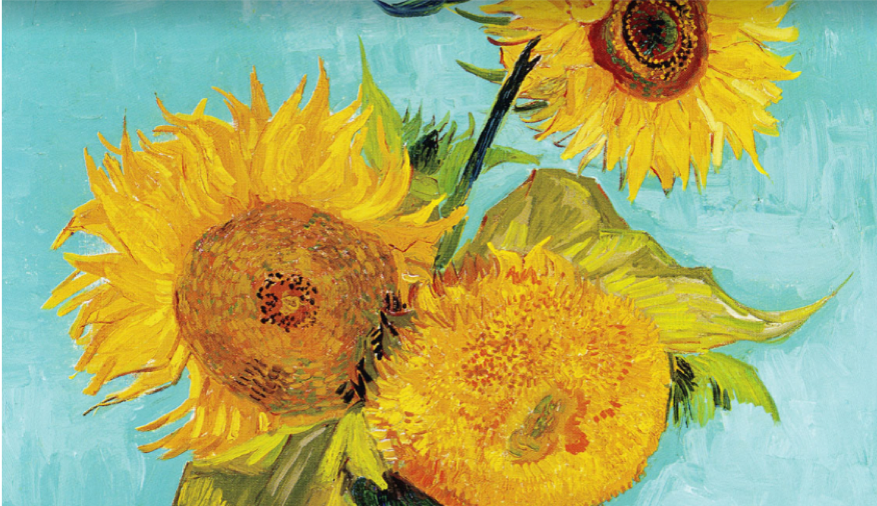
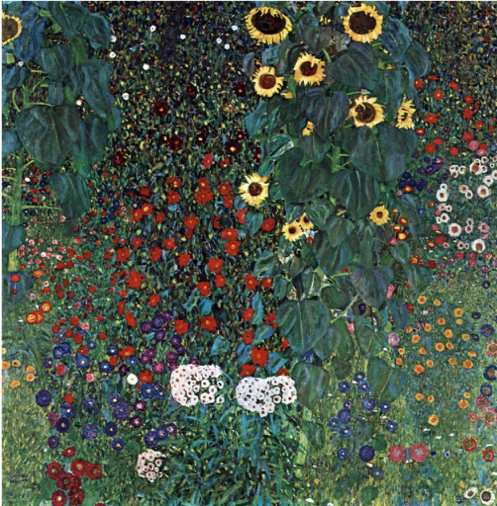
Attraverso la close reading della poesia i partecipanti hanno subito evidenziato la forma del testo e la potenza del linguaggio utilizzato dal poeta, ricco di sinestesie, quindi evocativo di tutti i nostri sensi, e di antinomie. Siamo rimasti โ€œcolpiti dal colore e dalla musicaโ€, ha osservato un partecipante. Proprio attraverso i contrasti (luce – oscuritร , corpo – essenza, aspetti reali – elementi metafisici, presenza finitezza – infinito) i partecipanti sono stati condotti a riflettere su cosa potesse significare trapiantare un fiore, simbolo di luce, in un terreno arido, bruciato dal salino. Forse la ricerca di una qualche veritร , del senso della vita attraverso lโ€™esplorazione del proprio animo, di una โ€œessenzaโ€? Da sottolineare che il poeta chiede ad un โ€œtuโ€ un aiuto in questo processo di trasformazione in cui le cose fluiscono ma anche si esauriscono e svaniscono. Al tu rivolge per due volte la preghiera per poter ricevere in dono il fiore impazzito di luce che permetterร  alla vita di evaporare/trasfigurarsi in essenza: questo dialogo con lโ€™altro apre al tema del donare e del ricevere, sottolineato giร  nel titolo e poi nel primo verso dal verbo โ€œtrapiantareโ€, che ha un significato molto preciso nel mondo della medicina e che qui ci porta a immaginare un fascio di luce che si conficca nel terreno bruciato dal salino e gli ridona con una vibrazione di colori, musiche e sensazioni, lโ€™energia della vita e la possibilitร  di avere radici solide. Ma quale vita? Alcuni partecipanti hanno ipotizzato che il poeta stia parlando del tempo in cui ci si prepara alla morte, non con angoscia e disperazione, bensรฌ con accettazione e forse anche con un atteggiamento mistico, di leggerezza e trascendenza. Tutti abbiamo concordato che questo testo ha aperto piรน domande che fornito risposte e con questi interrogativi abbiamo ammirato alcuni quadri in cui Van Gogh e Klimt hanno rappresentato la loro idea di girasole. Qui i partecipanti hanno scritto nella chat alcune rapide impressioni su questa associazione tra la poesia e i dipinti, per passare subito dopo allโ€™attivitร  di scrittura a partire dallโ€™invito โ€œPortamiโ€ฆโ€. Lโ€™ascolto attento dei testi scritti dai partecipanti ci ha portati a riflettere su come ogni persona ha davvero โ€œportatoโ€ in dono qualcosa di sรฉ al gruppo: un ricordo, un desiderio, una storia, un incontro, ed anche nuove immagini ed emozioni attraverso lโ€™uso sapiente della parola che rende reale e vero il nostro mondo della vita. Molto profondo e significativo anche il modo in cui le persone hanno โ€œrispostoโ€ ai testi che venivano letti, donando, ancora una volta allโ€™altro un piccolo contributo per esplorare le parole scritte, per aprire nuove direzioni per la riflessione.

Durante questo workshop online eravamo piรน di 50: la qualitร  della partecipazione ha fatto sรฌ che, come ha detto una partecipante, si creasse un percorso fra i presenti, un rimbalzare di parole dette, scritte e lette che inevitabilmente ci hanno โ€œportatiโ€ lโ€™uno verso lโ€™altro. Noi facilitatori ed organizzatori di questo workshop ringraziamo tutti i partecipanti di questo grande dono. 

Invitiamo i partecipanti del laboratorio a condividere i propri scritti nella parte “blog” dedicata alla fine della presente pagina (“Leave a Reply”). Speriamo di creare, attraverso questo forum di condivisione, uno spazio in cui continuare la nostra conversazione!

Portami il girasole ch'io lo trapianti 
โ€“ Eugenio Montale

Portami il girasole ch'io lo trapianti
nel mio terreno bruciato dal salino,
e mostri tutto il giorno agli azzurri specchianti
del cielo l'ansietร  del suo volto giallino.

Tendono alla chiaritร  le cose oscure
si esauriscono i corpi in un fluire
di tinte: queste in musiche. Svanire
รจ dunque la ventura delle venture.

Portami tu la pianta che conduce
dove sorgono bionde trasparenze
e vapora la vita quale essenza;
portami il girasole impazzito di luce.
Gustav Klimt,
Il girasole (1906)
Van Gogh,
Girasoli (1889)
Van Gogh,
Girasoli (1889)
Gustav Klimt,
Giardino di campagna
con girasoli (1906)

Live Virtual Group Session: 7pm EDT May 29th 2020

Thank you to everyone who joined us for this session!

With participants from, Canada. England, India, and in the U.S., New Hampshire, Illinois, Indiana, Minnesota, Pennsylvania, California and elsewhere, we discussed Walt Whitmanโ€™s โ€œOn the Beach at Night,โ€ posted below.ย  Beginning with the image of father and child holding hands under the night sky, the poem seemed to participants to expand into a recognition of great loss, and then a sorrowful affirmation of โ€œsomething there is,โ€ a mystery that will sustain us, bring hope after the โ€œravening cloudsโ€ have โ€œdevour[ed] the stars,” or at least, provide comfort to a crying child.ย  The rich discussion pointed to the intimate relation of father and daughter –and to the face of human mortality confronting the infinite.ย 

The prompt, โ€œWrite about what will shine out again,โ€ elicited a wide range of responses, some identifying small signs of comfort and hope, some bringing humor to the subject of inequity and acknowledging that in our world things have never shone for all of us.

Participants are warmly encouraged to share what you wrote below (โ€œLeave a Replyโ€), to keep the conversation going here, bearing in mind that the blog of course is a public space where confidentiality is not assured.

Please join us for our next session Sunday, May 31st at 1pm EDT, with more times listed on our Live Virtual Group Sessions page.

We look forward to seeing you again soon!

On the Beach at Night
by Walt Whitman

On the beach at night,
Stands a child with her father,
Watching the east, the autumn sky.

Up through the darkness,
While ravening clouds, the burial clouds, in black masses spreading,
Lower sullen and fast athwart and down the sky,
Amid a transparent clear belt of ether yet left in the east,
Ascends large and calm the lord-star Jupiter,
And nigh at hand, only a very little above,
Swim the delicate sisters the Pleiades.

From the beach the child holding the hand of her father,
Those burial-clouds that lower victorious soon to devour all,
Watching, silently weeps.

Weep not, child,
Weep not, my darling,
With these kisses let me remove your tears,
The ravening clouds shall not long be victorious,
They shall not long possess the sky, they devour the stars only in apparition,
Jupiter shall emerge, be patient, watch again another night, the Pleiades shall emerge,
They are immortal, all those stars both silvery and golden shall shine out again,
The great stars and the little ones shall shine out again, they endure,
The vast immortal suns and the long-enduring pensive moons shall again shine.

Then dearest child mournest thou only for Jupiter?
Considerest thou alone the burial of the stars?

Something there is,
(With my lips soothing thee, adding I whisper,
I give thee the first suggestion, the problem and indirection,)
Something there is more immortal even than the stars,
(Many the burials, many the days and nights, passing away,)
Something that shall endure longer even than lustrous Jupiter
Longer than sun or any revolving satellite,
Or the radiant sisters the Pleiades.


Wirtualne Grupy Narracyjne: Czwartek 28 maja, 18:00 CET

Dziฤ™kujemy wszystkim, ktรณrzy wziฤ™li udziaล‚ w dzisiejszej grupie narracyjnej!

Wspรณlnie przeczytaliล›my, zamieszczony poniลผej, wiersz Philipa Levineโ€™a โ€žMiล‚osierdzieโ€ w przekล‚adzie Ewy Hryniewicz-Yarbrough.

Inspiracja do kreatywnego pisania brzmiaล‚a: โ€žOpisz moment pomaraล„czyโ€.

Grupa, tak jak bohaterka wiersza, odbyล‚a pasjonujฤ…cฤ… podrรณลผ przez Atlantyk, doล›wiadczajฤ…c na poczฤ…tku pracy duลผego niepokoju zwiฤ…zanego z niepewnoล›ciฤ… drogi, ktรณra jฤ… czeka. Wypowiedzi uczestnikรณw nawiฤ…zywaล‚y do ich bardzo intymnych wspomnieล„. Dominowaล‚y uczucia strachu, straty, ciekawoล›ci. Relacyjnym tล‚em pracy grupy byล‚a wiฤ™ลบ dziecka z matkฤ…. W chwili gdy, pod postaciฤ… pomaraล„czy, wyล‚oniล‚ siฤ™ obiekt nadziei, dalsza podroลผ przez tekst okazaล‚a siฤ™ bardziej komfortowa. Grupa zwiฤ…zaล‚a siฤ™ z nim tak bardzo, ลผe pojawiล‚ siฤ™ opรณr przed powrotem i ponownym odczytaniem tekstu, jednak wyposaลผona w nadziejฤ™ zgodziล‚a siฤ™ dokonaฤ‡ drugiej lektury, odkrywajฤ…c inne aspekty wiersza, ktรณrych wczeล›niej nie zauwaลผyล‚a pomimo ich silnej aktualnie wymowy (kwarantanna). W opisanym procesie wyล‚oniล‚a siฤ™ inspiracja, ktรณra odsล‚oniล‚a wielowymiarowฤ… istotฤ™ pomaraล„czy. Szczegรณlnie wyraลบny byล‚ sensualny obraz owocu. Pomaraล„cza staล‚a siฤ™ punktem, wokรณล‚ ktรณrego nadbudowane zostaล‚y interpretacje statku, przestrzeni i celu i ktรณry otrzymaล‚ wล‚asnฤ…, uosabiajฤ…cฤ… analizฤ™. Przestrzeล„ pracy byล‚a doล›wiadczeniem transformatywnym, a smak owocu odmieniล‚ doล›wiadczenie tekstu.

Zapraszamy do udziaล‚u w kolejnych sesjach, ktรณrych terminy podane sฤ… na polskiej podstronie Wirtualnych Grup Narracyjnych. Najbliลผsza grupa odbฤ™dzie siฤ™ 2 czerwca (wtorek) o godzinie 18:00 โ€“ zarejestruj siฤ™ juลผ dziล›.

Wszelkie pytania oraz proล›by o organizacjฤ™ indywidualnych grup narracyjnych dla Waszych zespoล‚รณw moลผna przesyล‚aฤ‡ na adres: narrativemedicine@cumc.columbia.edu oraz humanistykamedyczna@cm.uj.edu.pl.

Do zobaczenia niebawem!

Philip Levine
Miล‚osierdzie

Statek, ktรณry osiemdziesiฤ…t trzy lata temu przywiรณzล‚
mojฤ… matkฤ™ na Ellis Island, nazywaล‚ siฤ™ โ€žMiล‚osierdzieโ€.
Matka pamiฤ™ta, ลผe prรณbowaล‚a jeล›ฤ‡ nieobranego
banana i ลผe po raz pierwszy widziaล‚a pomaraล„czฤ™
w rฤ™kach mล‚odego szkockiego marynarza,
ktรณry daล‚ jej kawaล‚ek, wytarล‚ jej usta
czerwonฤ… chustฤ… i nauczyล‚ jฤ… sล‚owa โ€žpomaraล„czaโ€,
powtarzajฤ…c je cierpliwie kilka razy.
Dล‚uga jesienna podrรณลผ, dni pociemniaล‚e
od czarnej wody uspokajajฤ…cej siฤ™ z nadejล›ciem nocy,
potem pustka jak okiem siฤ™gnฤ…ฤ‡
i niezmierzona przestrzeล„ mknฤ…ca na kraล„ce
ล›wiata. Modliล‚a siฤ™ po rosyjsku i w jidysz
o odnalezienie rodziny w Nowym Jorku, modlitwy
niewysล‚uchane, niezrozumiane lub moลผe zlekcewaลผone
przez wszystkie te moce, ktรณre przeganiaล‚y fale ciemnoล›ci,
zanim siฤ™ obudziล‚a, i utrzymywaล‚y โ€žMiล‚osierdzieโ€ na wodzie,
podczas gdy ospa szalaล‚a wล›rรณd pasaลผerรณw i zaล‚ogi,
dopรณki zmarล‚ych nie pochowano w morzu, odmawiajฤ…c
dziwne modlitwy w niezrozumiaล‚ym dla niej jฤ™zyku.
โ€žMiล‚osierdzieโ€, jak przeczytaล‚em na poลผรณล‚kล‚ych stronach
ksiฤ…ลผki, ktรณrฤ… znalazล‚em w pokoju bez okien
w bibliotece na Czterdziestej Drugiej Ulicy,
staล‚o trzydzieล›ci jeden dni z dala od brzegu,
z powodu kwarantanny, zanim pasaลผerowie zeszli
na lฤ…d. Tam koล„czy siฤ™ ta historia. Inne statki
przypล‚ynฤ™ล‚y, โ€žTancredโ€ z Glasgow, โ€žNeptunโ€
pod duล„skฤ… banderฤ…, โ€žUmberto IVโ€,
lista ciฤ…gnie siฤ™ caล‚ymi stronami, listopad ustฤ™puje
zimie, morze uderza w ten obcy brzeg.
Wล‚oscy gรณrnicy z Piemontu kopiฤ…
pod miastami zachodniej Pensylwanii,
by znowu odkryฤ‡ ten sam koszmar,
ktรณry pozostawili w domu. Dziewiฤ™cioletnia dziewczynka
jedzie caล‚ฤ… noc pociฤ…giem z jednฤ… walizkฤ… i pomaraล„czฤ….
Uczy siฤ™, ลผe miล‚osierdzie jest czymล›, co moลผna jeล›ฤ‡
i jeล›ฤ‡, choฤ‡ sok spล‚ywa po brodzie, co moลผna
wytrzeฤ‡ wierzchem dล‚oni i nigdy nie mieฤ‡ dosyฤ‡.

(Wiersz pochodzi z tomu โ€žMiasto marzeล„โ€, Wydawnictwo Znak, Krakรณw 2013.)

***

Thank you to everyone who joined us for this session!

Together we read โ€œThe Mercyโ€, a poem by Philip Levine, exquisitely translated to Polish by Ewa Hryniewicz-Yarbrough (posted below).

Our prompt for today was: โ€œDescribe a moment of the orange.โ€

The group, very much like the heroine of the poem, went on a fascinating journey across the Atlantic, experiencing strong anxiety at the beginning of the work that was associated with uncertainty of the road ahead. The participantsโ€™ voices referred to their very intimate memories. Childhood attachment to one’s mother was a relational background of the groupโ€™s work. At the very moment when an object of hope emerged in the figure of the orange, further journey through the text turned out to be much more comfortable. The groupโ€™s attachment to the object was so strong that a resistance to returning to the text and reading it once again appeared. However, being equipped with hope, the participants finally expressed their agreement. Thanks to that they discovered new aspects of the poem, which they did not notice before, regardless of their strong and current relevance (quarantine). In this process emerged the prompt, which revealed multidimensional essence of the orange. A sensual image of the fruit was especially visible. The orange became a point in space, around which interpretations of the ship, the space and the goal were built. Even the point itself got an personifying analysis. The space of the work was a transformative experience and the taste of the fruit changed the experience of the text.

Please join us for our next sessions: Friday May 29th, 7pm EDT (in English) and Sunday May 31st, 2pm EDT (in English), with more times listed on our Live Virtual Group Sessions page.

If you have questions, or would like to schedule a personalized narrative medicine session for your organization or team, email us at narrativemedicine@columbia.edu.

We look forward to seeing you again soon!

Philip Levine
The Mercy

The ship that took my mother to Ellis Island
eighty-three years ago was named "The Mercy."
She remembers trying to eat a banana
without first peeling it and seeing her first orange
in the hands of a young Scot, a seaman
who gave her a bite and wiped her mouth for her
with a red bandana and taught her the word,
"orange," saying it patiently over and over.
A long autumn voyage, the days darkening
with the black waters calming as night came on,
then nothing as far as her eyes could see and space
without limit rushing off to the corners
of creation. She prayed in Russian and Yiddish
to find her family in New York, prayers
unheard or misunderstood or perhaps ignored
by all the powers that swept the waves of darkness
before she woke, that kept "The Mercy" afloat
while smallpox raged among the passengers
and crew until the dead were buried at sea
with strange prayers in a tongue she could not fathom.
"The Mercy," I read on the yellowing pages of a book
I located in a windowless room of the library
on 42nd Street, sat thirty-one days
offshore in quarantine before the passengers
disembarked. There a story ends. Other ships
arrived, "Tancred" out of Glasgow, "The Neptune"
registered as Danish, "Umberto IV,"
the list goes on for pages, November gives
way to winter, the sea pounds this alien shore.
Italian miners from Piemonte dig
under towns in western Pennsylvania
only to rediscover the same nightmare
they left at home. A nine-year-old girl travels
all night by train with one suitcase and an orange.
She learns that mercy is something you can eat
again and again while the juice spills over
your chin, you can wipe it away with the back
of your hands and you can never get enough.
(Form P. Levine, โ€œThe Mercyโ€, New York (N.Y.): Alfred A. Knopf, 2011.)

Live Virtual Group Session: 12pm EDT May 27th 2020

We welcomed a wonderful group of 38 participants from places including the American college towns of Palo Alto, Austin, Iowa City, Villanova and Hanover and world capitals like London, Montreal and Paris, not to mention Atlanta, Bahrain and Elsah, Missouri.

Our text today was the poem โ€œPrayer,โ€ by Marie Howe, posted below. We entered by asking โ€œWhom is the โ€˜Iโ€™ addressing?โ€ Participants suggested the โ€œyouโ€ might be a parent, a higher being, or even the narrator addressing herself.ย  As we shared our diverse ideas, one participant remarked that the poem kept changing colors. The title of the poem and the psalm-like use of couplets suggested that the โ€œyouโ€ might be a spiritual god. Two readers compared the line โ€œyou are as close as my own breath,โ€ to a Koran passage that addresses God as โ€œcloser than the jugular vein.โ€ย  Another participant imagined the โ€œyouโ€ to be a writerโ€™s muse and noted that the narratorโ€™s struggle resembles a writerโ€™s struggle with the creative process. We also thought about the often-expressed regret for things left unsaid and heard the โ€œyouโ€ as someone who had died. Reflecting on the possibility that the narrator was actually addressing herself, we remarked that she seems to have mulled over these feelings many times before. We explored how the physical items like luggage linked to the trucks carrying garbage, which had a sonic resonance as well. Some people detected humor in the ending and sarcasm in the characterization of beauty products as โ€œsomething more importantโ€ย  than โ€œyou.โ€ Several readers enjoyed the juxtaposition of the sacred with profane, the transcendent with the everyday.

Our prompt was: Write a story you forgot to tell. One response described moving a parent to a healthcare facility and led us through a series of factual statements. This created a sense of suspense that contrasted with the vulnerability we felt when the piece ended with a question, โ€œIs this how it is written?โ€ We also noticed how, although the piece was written in the present tense, it very much had a sense of past and future, echoing the Howe poem. Another piece described a young personโ€™s interest in Jungian philosophy, and we felt the universality of dreaming of the future, as well as the humor the narrator showed while looking back at a past self. The final writing used the metaphors of music to describe the sensation of living with a โ€œfree-stylingโ€ illness. Weaving together ideas like rap and a symphony, the writer composed a sensory-filled piece that seemed to echo the aesthetic of the experience.

Participants are warmly encouraged to share what you wrote below (โ€œLeave a Replyโ€), to keep the conversation going here, bearing in mind that the blog of course is a public space where confidentiality is not assured.

Please join us for our next session Friday, May 29th at 7pm EDT, with more times listed on our Live Virtual Group Sessions page.

We look forward to seeing you again soon!

Prayer
by Marie Howe

Every day I want to speak with you. And every day something more important
calls for my attentionโ€”the drugstore, the beauty products, the luggage

I need to buy for the trip.
Even now I can hardly sit here

among the falling piles of paper and clothing, the garbage trucks outside
already screeching and banging.

The mystics say you are as close as my own breath.
Why do I flee from you?

My days and nights pour through me like complaints
and become a story I forgot to tell.

Help me. Even as I write these words I am planning
to rise from the chair as soon as I finish this sentence.

Originally published in “The Kingdom of Ordinary Time”, Norton 2008


Laboratori Di Medicina Narrativa: martedรฌ 26 Maggio dalle 19 alle 20.30

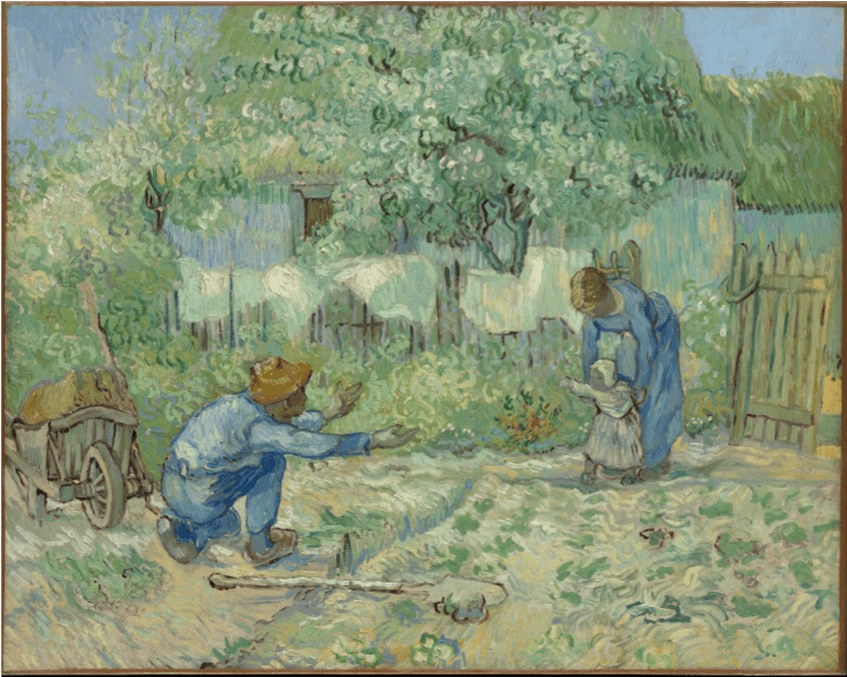
Volevamo ringraziare i nostri partecipanti per un altro laboratorio ricco di riflessioni e intuizioni. Abbiamo fatto un โ€œclose readingโ€ del quadro โ€œPrimi passi, da Milletโ€ (1890), di Vincent van Gogh. Questa volta siamo stati un gruppo piรน intimo delle scorse volte, e questo ci ha dato lโ€™opportunitร  per condividere ancora piรน intensamente i nostri pensieri, opinioni ed analisi dellโ€™opera presentata. I partecipanti erano colpiti dai temi della protezione, dellโ€™amore familiare, il senso di dovere, lโ€™abbandono e la crescita. Hanno fatto notare i colori tenui del quadro che catturano lo sguardo, la precarietร  dellโ€™equilibrio della bimba e la presenza dei due genitori, che sono come โ€œdue colonneโ€ di appoggio per la piccola. Qualche partecipante ha messo in rilievo il tema del tempo che sottende lโ€™immagine โ€“ il momento quasi sospeso della pausa, in cui il presente della relazione induce a posare gli attrezzi del lavoro e a fermarsi, che sembra interrompere la continuitร  del passare del tempo nei campi dove il padre lavora, a sua volta inserito allโ€™interno del tempo piรน ampio, โ€œmacroโ€, della vita in sรฉ, una vita per lโ€™altro. Quando รจ stato chiesto di dare un titolo al quadro, alcuni partecipanti hanno proposto: โ€œSe cadi ti accolgoโ€, โ€œLa pausaโ€, โ€œLโ€™autonomiaโ€, โ€œImparare a cadereโ€ e โ€œLโ€™attesa dellโ€™abbraccioโ€. I titoli descrivevano la difficoltร  della bimba a muoversi in quello spazio esterno, la ricorrenza dellโ€™aspettare e lโ€™abbraccio sospeso โ€“ย questโ€™ultimo, con il suo carattere incompiuto, richiama gli abbracci attesi e sospesi che caratterizzano lโ€™attuale tempo di crisi sanitaria. Come ultima parte dellโ€™analisi, abbiamo paragonato il quadro che aveva ispirato van Gogh, โ€œI primi passiโ€ di Jean-Franรงois Millet (1858), e il quadro stesso di van Gogh. I partecipanti hanno rilevato delle differenze tra le due immagini nella caratterizzazione della bimba, dei corpi, delle piante e del terreno. Hanno sottolineato anche il gioco tra la separazione e la vicinanza, che puรฒ essere colto in entrambi i dipinti, e hanno concluso che i due quadri presentano due modi di vedere la realtร .ย 

Dopo il โ€œclose reading,โ€ i facilitatori hanno proposto il prompt: โ€œScrivi sul tema – Primi passiโ€. I partecipanti hanno condiviso i loro โ€œprimi passiโ€, che per alcuni, erano i primi primi passi da piccoli oppure i primi passi in un mondo post-quarantena. Abbiamo parlato di come con il tempo perdiamo i ricordi, ma li recuperiamo attraverso le parole di chi era testimone dei nostri primi passi. Uno dei facilitatori hanno fatto notare che la poesia in sรฉ รจ fatta di passi.ย ย 

Vi invitiamo a continuare la conversazione postando in questo blog la vostra scrittura o qualche altro commento che avreste forse voluto condividere.

Vincent van Gogh, Premiers pas, dโ€™aprรจs Millet,
(Primi passi, da Millet), 1890, olio su tela, 72×91 cm
(The Metropolitan Museum of Art, New York)
Jean-Franรงois Millet, Les premiers pas (I primi passi), 1858 ca.,
matita su carta, 32×43 cm
(Lauren Rogers Museum of Art, Laurel, Mississippi)