ฮ–ฯ‰ฮฝฯ„ฮฑฮฝฮฎ ฯƒฯ…ฮฝฮตฮดฯฮฏฮฑ ฮฑฯ†ฮทฮณฮทฮผฮฑฯ„ฮนฮบฮฎฯ‚ ฮนฮฑฯ„ฯฮนฮบฮฎฯ‚: ฮ ฮญฮผฯ€ฯ„ฮท 25 ฮฆฮตฮฒฯฮฟฯ…ฮฑฯฮฏฮฟฯ…, 8:30 pm EEST

ฮฃฮฑฯ‚ ฮตฯ…ฯ‡ฮฑฯฮนฯƒฯ„ฮฟฯฮผฮต ฯ€ฮฟฯ… ฯƒฯ…ฮผฮผฮตฯ„ฮตฮฏฯ‡ฮฑฯ„ฮต ฯƒฮต ฮฑฯ…ฯ„ฮฎฮฝ ฯ„ฮท ฯƒฯ…ฮฝฮตฮดฯฮฏฮฑ.

ฮšฮตฮฏฮผฮตฮฝฮฟ: ฮšฮฑฯ„ฮตฯฮฏฮฝฮฑ ฮ“ฯŽฮณฮฟฯ…, ยซฯƒฮทฮผฮตฮฏฯ‰ฮผฮฑ ฯ„ฮทฯ‚ ฮฌฮปฮปฮทฯ‚ ฮผฮญฯฮฑฯ‚ยป (ฮฑฯ€ฯŒ ฯ„ฮท ฯƒฯ…ฮปฮปฮฟฮณฮฎ ฮ™ฮดฮนฯŽฮฝฯ…ฮผฮฟ, 1980)

ฮ˜ฮญฮผฮฑ: โ€œฮ“ฯฮฌฯˆฯ„ฮต ฮญฮฝฮฑ ฯƒฮทฮผฮตฮฏฯ‰ฮผฮฑ ฯ€ฮฟฯ… ฮธฮฑ ฮธฮญฮปฮฑฯ„ฮต ฮฝฮฑ ฮตฮฏฯ‡ฮฑฯ„ฮต ฯƒฯ„ฮตฮฏฮปฮตฮนโ€

ฮฃฯฮฝฯ„ฮฟฮผฮฑ ฮธฮฑ ฮผฮฟฮนฯฮฑฯƒฯ„ฮฟฯฮผฮต ฯ€ฮตฯฮนฯƒฯƒฯŒฯ„ฮตฯฮตฯ‚ ฯ€ฮปฮทฯฮฟฯ†ฮฟฯฮฏฮตฯ‚ ฯƒฯ‡ฮตฯ„ฮนฮบฮฌ ฮผฮต ฮฑฯ…ฯ„ฮฎฮฝ ฯ„ฮท ฯƒฯ…ฮฝฮตฮดฯฮฏฮฑ, ฮณฮน โ€˜ฮฑฯ…ฯ„ฯŒ ฮตฯ€ฮนฯƒฯ„ฯฮญฯˆฯ„ฮต ฮพฮฑฮฝฮฌ.

ฮฃฮฑฯ‚ ฯ€ฯฮฟฯƒฮบฮฑฮปฮฟฯฮผฮต ฮฝฮฑ ฮผฮฟฮนฯฮฑฯƒฯ„ฮตฮฏฯ„ฮต ฯ„ฮฑ ฮณฯฮฑฯ€ฯ„ฮฌ ฯƒฮฑฯ‚ ฮผฮฑฮถฮฏ ฮผฮฑฯ‚ ฯ€ฮฑฯฮฑฮบฮฌฯ„ฯ‰.

ฮšฮฑฮปฮฟฯฮผฮต ฯŒฮปฮตฯ‚ ฮบฮฑฮน ฯŒฮปฮฟฯ…ฯ‚ ฯ€ฮฟฯ… ฯƒฯ…ฮผฮผฮตฯ„ฮตฮฏฯ‡ฮฑฯ„ฮต ฮฝฮฑ ฮผฮฟฮนฯฮฑฯƒฯ„ฮตฮฏฯ„ฮต ฯŒฯƒฮฑ ฮณฯฮฌฯˆฮฑฯ„ฮต ฮบฮฑฯ„ฮฌ ฯ„ฮท ฮดฮนฮฌฯฮบฮตฮนฮฑ ฯ„ฮทฯ‚ ฯƒฯ…ฮฝฮตฮดฯฮฏฮฑฯ‚ ฮผฮฑฯ‚ ฯ€ฮฑฯฮฑฮบฮฌฯ„ฯ‰ (โ€œLeave a replyโ€) ฮบฮฑฮน ฮฝฮฑ ฮบฯฮฑฯ„ฮฎฯƒฮฟฯ…ฮผฮต ฮฑฯ…ฯ„ฮฎ ฯ„ฮทฮฝ ฯ„ฯŒฯƒฮฟ ฮตฮฝฮดฮนฮฑฯ†ฮญฯฮฟฯ…ฯƒฮฑ ฯƒฯ…ฮถฮฎฯ„ฮทฯƒฮฎ ฮผฮฑฯ‚ ฮถฯ‰ฮฝฯ„ฮฑฮฝฮฎ, ฯ…ฯ€ฮตฮฝฮธฯ…ฮผฮฏฮถฮฟฮฝฯ„ฮฌฯ‚ ฯƒฮฑฯ‚, ฮฒฮตฮฒฮฑฮฏฯ‰ฯ‚, ฯŒฯ„ฮน ฮฑฯ…ฯ„ฮฎ ฮตฮฏฮฝฮฑฮน ฮผฮนฮฑ ฮดฮทฮผฯŒฯƒฮนฮฑ ฯ€ฮปฮฑฯ„ฯ†ฯŒฯฮผฮฑ ฮบฮฑฮน ฮท ฯ€ฯฯŒฯƒฮฒฮฑฯƒฮท ฮฑฮฝฮฟฮนฯ‡ฯ„ฮฎ ฯƒฯ„ฮฟ ฮบฮฟฮนฮฝฯŒ.

ฮ˜ฮฑ ฮธฮญฮปฮฑฮผฮต ฮฝฮฑ ฮผฮฌฮธฮฟฯ…ฮผฮต ฯ€ฮตฯฮนฯƒฯƒฯŒฯ„ฮตฯฮฑ  ฮณฮนฮฑ ฯ„ฮทฮฝ ฮตฮผฯ€ฮตฮนฯฮฏฮฑ ฯƒฮฑฯ‚ ฮผฮต ฮฑฯ…ฯ„ฮญฯ‚ ฯ„ฮนฯ‚ ฯƒฯ…ฮฝฮตฮดฯฮฏฮตฯ‚. ฮ‘ฮฝ ฯ„ฮฟ ฮตฯ€ฮนฮธฯ…ฮผฮตฮฏฯ„ฮต, ฯ€ฮฑฯฮฑฮบฮฑฮปฮฟฯฮผฮต ฮฑฯ†ฮนฮตฯฯŽฯƒฯ„ฮต ฮปฮฏฮณฮฟ ฯ‡ฯฯŒฮฝฮฟ ฯƒฮต ฮผฮนฮฑ ฯƒฯฮฝฯ„ฮฟฮผฮท ฮญฯฮตฯ…ฮฝฮฑ ฮดฯฮฟ ฮตฯฯ‰ฯ„ฮฎฯƒฮตฯ‰ฮฝ!

ฮ‘ฮบฮฟฮปฮฟฯ…ฮธฮฎฯƒฯ„ฮต ฯ„ฮฟฮฝ ฯƒฯฮฝฮดฮตฯƒฮผฮฟ:ย https://tinyurl.com/nmedg-survey


26

ฯƒฮทฮผฮตฮฏฯ‰ฮผฮฑ ฯ„ฮทฯ‚ ฮฌฮปฮปฮทฯ‚ ฮผฮญฯฮฑฯ‚.

ฮœฮ‘ฮฮŸฮฅฮ›ฮ‘
ฯƒฮฟฯ… ฮฑฯ†ฮฎฮฝฯ‰ 200 ฮดฯฯ‡. ฮฝฮฑ ฯ€ฮฌฯฮตฮนฯ‚ ฮฑฯ€โ€™ ฯ„ฮท ฮปฮฑฯŠฮบฮฎ ฯ†ฮฑฯƒฮฟฮปฮฌฮบฮนฮฑ ฮฑฯ€โ€™ ฮฑฯ…ฯ„ฮฌ ฯ€ฮฟฯ… ฮปฮญฮตฮน ฮฟ ฯ€ฮฟฮนฮทฯ„ฮฎฯ‚ ฮณฮนฮฑฯ„ฮฏ ฯ„โ€™ ฮฌฮปฮปฮฑ ฮตฮฏฮฝฮฑฮน ฮฑฮบฯฮนฮฒฮฌ ฮบฮฑฮน ฮดฮต ฯ†ฯ„ฮฌฮฝฮฟฯ…ฮฝฮต. ฮฮฑ โ€™ฯ‡ฮฟฯ…ฮฝฮต ฯ€ฮฟฮปฯ ฮถฮฟฯ…ฮผฮฏ ฮฝฮฑ ฮฒฮฟฯ…ฯ„ฮฌฮผฮต. ฮ’ฮณฮฌฮปฮต ฮญฮฝฮฑ ฮบฮปฮตฮนฮดฮฏ ฮณฮนฮฑ ฯ„ฮฟ ฯ€ฮฑฮนฮดฮฏ. ฮŒฮปฮฑ ฯ„ฮฑ ฯ‡ฮฌฮฝฮตฮน ฮผฮตฯ‚ ฯƒฯ„ฮฟฮฝ ฮดฯฯŒฮผฮฟ. ฮ ฮญฯฮฝฮฑฯ„ฮฟฯ ฯ„ฮฟ ฯƒโ€™ ฮญฮฝฮฑ ฮบฮฟฯฮดฯŒฮฝฮน ฯƒฯ„ฮฟฮฝ ฮปฮฑฮนฮผฯŒ ฮฒฯฮตฯ‚ ฮญฮฝฮฑ ฯ‡ฯฯŽฮผฮฑ ฮณฮฑฮปฮฑฮฝฯŒ ฮฝฮฑ ฮผฮท ฯƒฯ„ฮตฮฝฮฑฯ‡ฯ‰ฯฮนฮญฯ„ฮฑฮน. ฮˆฯ„ฯƒฮน ฯŒฯ€ฯ‰ฯ‚ ฯ„ฮฟ ฯ€ฮฌฮตฮน ฮธฮฑ ฮผฮญฮฝฮตฮน ฯ€ฮฌฮฝฯ„ฮฑ ฮญฮพฯ‰. ฮ’ฮฌฮปฮต ฯƒโ€™ ฮญฮฝฮฑ ฯ€ฮฟฯ„ฮทฯฮฌฮบฮน ฯ„ฮฟฯ… ฮบฯฮฑฯƒฮนฮฟฯ ฮบฮฌฯ„ฮน ฮปฮฟฯ…ฮปฮฟฯ…ฮดฮฌฮบฮนฮฑ ฯ€ฮฟฯ… ฮถฯ‰ฮณฯฮฌฯ†ฮนฯƒฮฑ ฯ„ฮทฮฝ ฯŽฯฮฑ ฯ€ฮฟฯ… ฮบฮฟฮนฮผฯŒฯƒฮฑฯƒฯ„ฮต. ฮ˜ฮฑ ฯƒฮฑฯ‚ ฮฑฯฮญฯƒฮฟฯ…ฮฝ. ฮšฮฑฮน ฯ€ฯฯŒฯƒฮตฯ‡ฮต ฯฮต ฮผฮฌฮฝฮฑ ฯ€ฮฟฯ… ฯ€ฮปฮญฮฝฮตฮนฯ‚ ฯ„ฮฑ ฯ„ฮถฮฌฮผฮนฮฑ ฮญฮบฮฟฯˆฮตฯ‚ ฮฑฯ€โ€™ ฯ„ฮท ฯ‡ฮฑฮปฮบฮฟฮผฮฑฮฝฮฏฮฑ ฯ„ฮทฮฝ ฯ€ฮฑฯ„ฮฟฯฯƒฮฑ ฯ„ฮฟฯ… ฮฑฮบฯฮฟฮฒฮฌฯ„ฮท ฮบฮฑฮน ฯ„ฯŽฯฮฑ ฮฑฮณฯฮนฮฟฮบฮฟฮนฯ„ฮฌฮตฮน ฮตฮผฮญฮฝฮฑ ฯ€ฮฟฯ… ฯƒฯ„ฮญฮบฮตฮน ฮผฮตฯ„ฮญฯ‰ฯฮฟฯ‚ ฯƒฯ„ฮฟ ฯ„ฮตฮฝฯ„ฯ‰ฮผฮญฮฝฮฟ ฯƒฮบฮฟฮนฮฝฮฏ. ฮ ฮญฯ„ฮฑฮพฮต ฮฝฮฑ ฯ€ฮฑฮฝ ฯƒฯ„ฮฟฮฝ ฮดฮนฮฌฮฟฮปฮฟ ฯ„ฮฑ ฮฝฮฌฮนฮปฮฟฮฝ ฯƒฮฑฮบฮฟฯฮปฮนฮฑ ฯ€ฮฟฯ… ฮผฮฑฮถฮตฯฮตฮนฯ‚ ฮธฮฑ ฮผฮฑฯ‚ ฯ€ฮฝฮฏฮพฮฟฯ…ฮฝฮต ฮบฮฑฮน ฯ„ฮนฯ‚ ฯ€ฯฯ‰ฯ„ฮฟฮผฮทฮฝฮนฮญฯ‚ ฮผฮต ฯ„ฮฟฯ…ฯ‚ ฮฑฮณฮนฮฑฯƒฮผฮฟฯฯ‚ ฯ€ฮฟฯ… ฮผฮฑฯ‚ ฯฮฑฮฏฮฝฮตฮนฯ‚ ฯƒฯ„ฮฟ โ€™ฯ‡ฯ‰ ฯ€ฮตฮน ฮตฮบฮฑฯ„ฮฟฮผฮผฯฯฮนฮฑ ฯ†ฮฟฯฮญฯ‚ ฮดฮต ฮผโ€™ ฮฑฯฮญฯƒฮฟฯ…ฮฝ ฮฑฯ…ฯ„ฮฌ. ฮฃโ€™ ฮ‘ฮ“ฮ‘ฮ ฮ‘ฮฉ.
ฮœฮท ฮฝฮฟฮผฮฏฮถฮตฮนฯ‚ ฮพฮญฯฯ‰ ฯ€ฯŒฯƒฮฟ ฮบฮฟฯ…ฯฮฌฮถฮตฯƒฮฑฮน ฮฝฮฑ ฮถฯ‰ฮฝฯ„ฮฑฮฝฮตฯฮตฮนฯ‚ ฯ„ฮฑ ฯŒฮฝฮตฮนฯฮฑ. ฮœฮฑ ฯ„ฮฟ ฯ€ฮฑฮนฮดฮฏ ฮตฮฏฮฝฮฑฮน ฮผฮนฮบฯฯŒ ฮบฮน ฮตฮณฯŽ ฯƒฯ„ฯฮนฮผฯ‰ฮณฮผฮญฮฝฮท. ฮœฮท ฮฒฮฌฮปฮตฮนฯ‚ ฯ€ฮฌฮปฮน ฯ„ฮนฯ‚ ฯ†ฯ‰ฮฝฮญฯ‚ ฮบฮฑฮน ฮผฮฟฯ…ฯฮผฮฟฯ…ฯฮฌฯ‚ ฮผฮฟฮฝฮฌฯ‡ฮท ฯƒฮฟฯ… ฯ€ฯ‰ฯ‚ ฯŒฮปฮฟ ฮถฯ‰ ฮผฮต ฯˆฮญฮผฮฑฯ„ฮฑ ฮญฮผฮฑฮธฮฑ ฮบฮฑฮน ฯ„ฮฟ ฯ€ฮฑฮนฮดฮฏ ฮบฮน ฮตฮฏฮผฮฑฮน ฮฟฮฝฮตฮนฯฮฟฯ€ฮฑฯฮผฮญฮฝฮท.
ฮ”ฮตฮฝ ฮพฮญฯฯ‰ ฯŒฮผฯ‰ฯ‚ ฮผฮฌฮฝฮฑ ฮฌฮปฮปฮฟ ฯ„ฯฯŒฯ€ฮฟ ฮฝฮฑ ฮถฯ‰.
ฮ•ฮฏฮฝฮฑฮน ฮญฮฝฮฑฯ‚ ฯ„ฯฯŒฯ€ฮฟฯ‚ ฮบฮน ฮฑฯ…ฯ„ฯŒฯ‚ ฮผฮฌฮฝฮฑ ฮฝฮฑ ฮถฮฎฯƒฮตฮนฯ‚.
ฮฃฮฑฯ‚ ฮฑฮณฮฑฯ€ฯŽ ฯ€ฮฟฮปฯ ฮบฮฑฮน ฯ„ฮนฯ‚ ฮดฯ…ฮฟ. ฮœฮทฮฝ ฮบฮปฮฑฮนฯ‚.
ฮ ฮฌฯ‰ ฮฝฮฑ ฮบฮฟฮนฮผฮทฮธฯŽ.
ฮˆฯ‡ฯ‰ ฮฝฮฑ ฮฟฮฝฮตฮนฯฮตฯ…ฯ„ฯŽ
โ€“ฮปฮตฯ€ฯ„ฮฟฮผฮญฯฮตฮนฮตฯ‚ ฮดฮทฮปฮฑฮดฮฎ ฮผฮตฮฏฮฝฮฑฮฝฮตโ€“
ฮฑฯ€โ€™ ฮฑฯฯฮนฮฟ ฮดฮต ฮธฮฑ ฮบฮปฮฑฮฏฮตฮน ฮบฮฑฮฝฮญฮฝฮฑฯ‚.


Live Virtual Group Session: 12pm EST February 24th 2021

Thank you to everyone who joined us for this session!

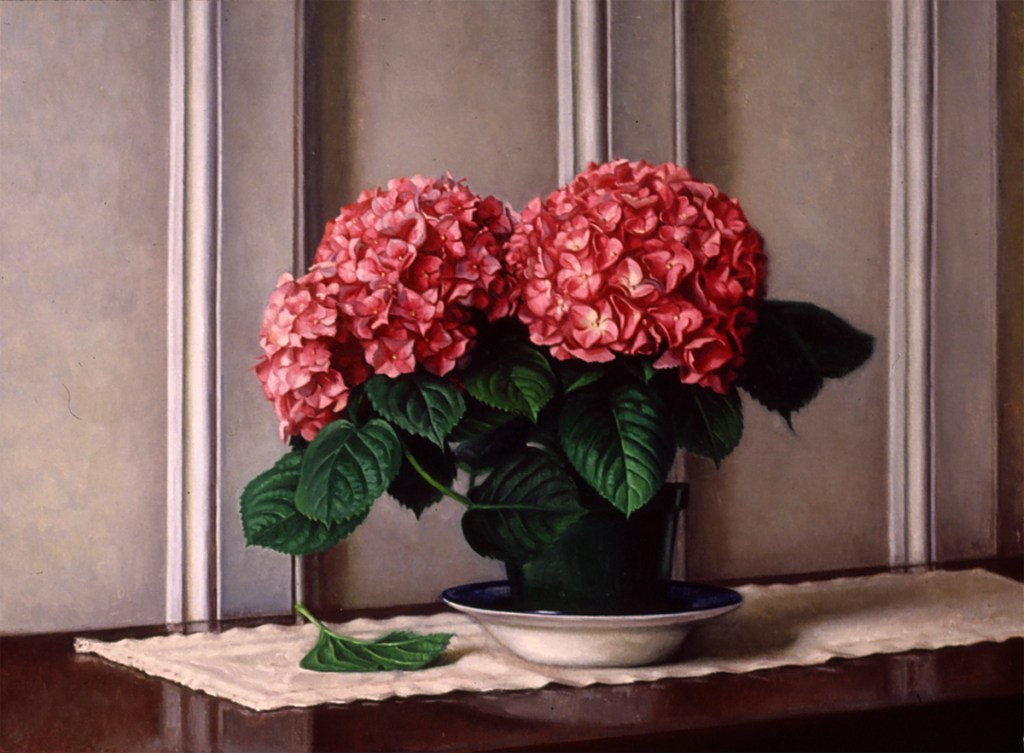
Our text for this session was the poem Pink Hydrangea by Rainer Maria Rilke translated by Walter Arndt, paired with the painting “Pink Hydrangea” by Ephraim Rubenstein. Both posted below.

Our prompt was: “Write about a color-filled moment.”

More details on this session will be posted, so check back!

Participants are warmly encouraged to share what you wrote below (โ€œLeave a Replyโ€), to keep the conversation going here, bearing in mind that the blog of course is a public space where confidentiality is not assured.

Also, we would love to learn more about your experience of these sessions, so if youโ€™re able, please take the time to fill out a follow-up survey of one to two quick questions!

Please join us for our next session Monday March 1st at 6pm EST, with more times listed on our Live Virtual Group Sessions page.

Pink Hydrangea by Ephraim Rubenstein
oil 20″ x 26″ 1993 private collection
Pink Hydrangea
by Rainer Maria Rilke
( translation: Walter Arndt )

Who thought such pink could be? Who knew it there
Accumulating in each blushing cluster?
Like gilded things which by and by unluster
They gently grow unred as if from wear.

That one should give such rosiness out free!
Does it stay theirs still, smiling where it went?
Are angels there to take it tenderly like a scent?

Or, it may be, they only let it go
That it might never learn of overblowing.
Beneath this pink there lurked a greenness, though,
Which listened and now fades away, all knowing.

Live Virtual Group Session: 6pm EST February 22nd 2021

Thank you to everyone who joined us for this session!

Our text for this session was “The Mississippi River Empties Into the Gulf” by Lucille Clifton, posted below.

Our prompt was: โ€œWrite about standing on the edge.โ€œ

More details on this session will be posted, so check back!

Participants are warmly encouraged to share what you wrote below (โ€œLeave a Replyโ€), to keep the conversation going here, bearing in mind that the blog of course is a public space where confidentiality is not assured.

Also, we would love to learn more about your experience of these sessions, so if youโ€™re able, please take the time to fill out a follow-up survey of one to two quick questions!

Please join us for our next session Wednesday February 24th at 12pm EST, with more times listed on our Live Virtual Group Sessions page.


The Mississippi River Empties Into The Gulf 
and the gulf enters the sea and so forth,
 none of them emptying anything,
 all of them carrying yesterday
 forever on their white tipped backs,
 all of them dragging forward tomorrow.
 it is the great circulation
 of the earth's body, like the blood
 of the gods, this river in which the past
 is always flowing. every water
 is the same water coming round.
 everyday someone is standing on the edge
 of this river, staring into time,
 whispering mistakenly:
 only here. only now. 

-Lucille Clifton

Live Virtual Group Session: 12pm EST February 17th 2021

Thank you to everyone who joined us for this session!

For this session we watched a performance of “Over the Rainbow” by Eva Cassidy, posted below.

Our prompt was to begin your writing with the word: “Somewhere…

More details on this session will be posted, so check back!

Participants are warmly encouraged to share what you wrote below (โ€œLeave a Replyโ€), to keep the conversation going here, bearing in mind that the blog of course is a public space where confidentiality is not assured.

Also, we would love to learn more about your experience of these sessions, so if youโ€™re able, please take the time to fill out a follow-up survey of one to two quick questions!

Please join us for our next session Monday February 22nd at 6pm EST, with more times listed on our Live Virtual Group Sessions page.

Eva Cassidy – “Over the Rainbow”


Live Virtual Group Session: 6pm EST February 15th 2021

Thank you to everyone who joined us for this session!

29 participants convened from both sides of the Atlantic and Pacific for another cold Monday night, in which we read the poem โ€œsorrowsโ€ by Lucille Clifton, posted below. Our first impressions and associations included: birds (โ€œsorrows sounds like swallowsโ€), images of bats and insects, the sound of rattles, feelings of being alone, familiar experiences of sorrows as they come and go. One participant referenced Goyaโ€™s etching โ€œThe Sleep of Reason Produces Monsters.โ€ The title brought thoughts of sorrows materializing into an object, an insect, a wave. One person was reminded of Wes Wendersโ€™ film โ€œThe Wings of Desire.โ€ Another appreciated the poemโ€™s line cuts, which leave readers wondering what will come next. We attended to language, noticing โ€œsorrow is a pretty word as opposed to the word sad.โ€ We noticed the many contradictions in the text โ€“ tensions and contention. 

We made connections between the poemโ€™s couplets and tried to envision prayers โ€œresonating throughout the worldโ€ and how one voice can be distinguished from all the other voices that pray for alleviation. Questions arose: Are we going to give sorrow a place, a space to be? Where is sorrowโ€™s place?  โ€œThe constant struggle we grapple with all the time,โ€ someone commented. One participant reported imagining sorrows โ€œfighting for their own place in the worldโ€ even as we suppress them or โ€œcanโ€™t embrace them.โ€ Another talked of having conversations with outers about the challenges of โ€œgiving sorrow the right space and timeโ€ and โ€œletting it shape us.โ€ We acknowledged the power of sorrow and the importance of allowing ourselves to listen and feel. This part of our conversation reminded someone of Rumiโ€™s poem โ€œThe Guest Houseโ€ that welcomes all feelings.

We wrote to the prompt โ€œWrite the story of a scar.โ€ One person read about raccoons invading a garage and the writerโ€™s hesitation to have the animals removed and, later, seeing the raccoons footprints in the snow. Listeners understood the footprints as scars.  The second reader shared a piece about loss and the desire for the scar on her heart โ€œnot to heal overโ€ so that she feels the loved one close when putting her hand over her heart. The third reader wrote from the perspective of a surgeon wondering about a patientโ€™s post-surgical scar whether it would be โ€œacceptableโ€ in a profession with high visibility. A respondent offered that the power of a scar is as โ€œevidence of survival.โ€ Someone responded with an invitation to see scars โ€œas beautifulโ€.

At the end of our conversation, someone asked: Why do we automatically consider scars beautiful?

As we signed off, we all shared something from this session we would bring with us into the week:

  • Scars show our history
  • Scars are beautiful things
  • Scars are badges of courage
  • Scars remind us of gentleness to be given
  • Scars are sorrow and beauty

Participants are warmly encouraged to share what you wrote below (โ€œLeave a Replyโ€), to keep the conversation going here, bearing in mind that the blog of course is a public space where confidentiality is not assured.

Also, we would love to learn more about your experience of these sessions, so if youโ€™re able, please take the time to fill out a follow-up survey of one to two quick questions!

Please join us for our next session Wednesday February 17th at 12pm EST, with more times listed on our Live Virtual Group Sessions page.


sorrows by Lucille Clifton

who would believe them winged
who would believe they could be

beautiful         who would believe
they could fall so in love with mortals

that they would attach themselves
as scars attach and ride the skin


sometimes we hear them in our dreams
rattling their skulls         clicking their bony fingers

envying our crackling hair
our spice filled flesh


they have heard me beseeching
as I whispered into my own

cupped hands       enough not me again
enough       but who can distinguish

one human voice   
amid such choruses of desire

Source: Poetry (September 2007)

Live Virtual Group Session: 12pm EST February 10th 2021

Thank you to everyone who joined us for this session!

Our text was an excerpt from The Overstory by Richard Powers, posted below.

Our prompt was: Describe a time you traveled everywhere, just by holding still.

More details on this session will be posted, so check back!

Participants are warmly encouraged to share what you wrote below (โ€œLeave a Replyโ€), to keep the conversation going here, bearing in mind that the blog of course is a public space where confidentiality is not assured.

Also, we would love to learn more about your experience of these sessions, so if youโ€™re able, please take the time to fill out a follow-up survey of one to two quick questions!

Please join us for our next session Monday February 15th at 6pm EST, with more times listed on our Live Virtual Group Sessions page.


From The Overstory by Richard Powers

First there was nothing. Then there was everything.

Then, in a park above a western city after dusk, the air is raining messages.

A woman sits on the ground, leaning against a pine. Its bark pressed hard against her back, as hard as life. Its needles scent the air and a force hums in the heart of the wood. Her ears tune down to the lowest frequencies. The tree is saying things, in words before words.

It says: Sun and water are questions endlessly worth answering.

It says: A good answer must be reinvented many times, from scratch.

It says: Every piece of earth needs a new way to grip it. There are more ways to branch than any cedar pencil will ever find. A thing can travel everywhere, just by holding still.

The woman does exactly that. Signals rain down around her like seeds.

Talk runs far afield tonight. The bends in the alders speak of long-ago disasters. Spikes of pale chinquapin flowers shake down their pollen; soon they will turn into spiny fruits. Poplars repeat the windโ€™s gossip. Persimmons and walnuts set out their bribes and rowans their blood-red clusters. Ancient oaks wave prophecies of future weather. The several hundred kinds of hawthorn laugh at the single name theyโ€™re forced to share. Laurels insist that even death is nothing to lose sleep over.

Something in the airโ€™s scent commands the woman: Close your eyes and think of willow. The weeping you see will be wrong. Picture an acacia thorn. Nothing in your thought will be sharp enough. What hovers right above you? What floats over your head right now โ€“ now?

Trees even farther away join in: All the ways you imagine us โ€“ bewitched mangroves up on stilts, a nutmegโ€™s inverted space, gnarled baja elephant trunks, the straight-up missile of a sal โ€“ are always amputations. Your kind never sees us whole. You miss the half of it, and more. Thereโ€™s always as much belowground as above.

Thatโ€™s the trouble with people, their root problem. Life runs alongside them, unseen. Right here, right next. Creating the soil. Cycling water. Trading in nutrients. Making weather. Building atmosphere. Feeding and curing and sheltering more kinds of creatures than people know how to count.

A chorus of living wood sings to the woman: If your mind were only a slightly greener thing, weโ€™d drown you in meaning.

The pine she leans against says: Listen. Thereโ€™s something you need to hear.


Live Virtual Group Session: 6pm EST February 8th 2021

27 participants, at least 3 new, Zoomed in from snow country: IL, ME, MI, NJ, NY, PA, and Canada. We are not sure how it was in Ireland and the UK but know it was warmer in TX.

All gathered around the poem “Those Winter Sundays” by Robert Hayden, a poem of waking on cold Sunday mornings. Many people in the group related to the โ€œweatherโ€ of fathers who were silent or serious or absent. Much of our discussion centered around what the poetic speaker referred to as โ€œWhat I did not knowโ€ (with its Shakespearean resonance) and the changed perspective/understanding of parents when children become adults, perhaps become parents themselves, and know โ€œloveโ€™s austere โ€˜officesโ€: work, responsibility, and silent preoccupations. And perhaps know, too, the youngโ€™s lack of gratitude or misunderstanding of these sometimes lonely offices.

By reading the poem aloud we were able to hear the assonance as part of the narrative: the harshness of hard โ€œcโ€ and โ€œkโ€ and โ€œchโ€ in cold, cracked, chronic and the softness of โ€œsโ€ in Sunday, dress, and shoes.

Attention was paid to the possessive pronoun โ€œmyโ€ modifying โ€œfatherโ€ signaling that the poemโ€™s speaker was writing of personal experiences in a house that not only creaked in the cold but also was heated with โ€œchronic angers.โ€ 

In the poem we heard the swerve from fear in childhood to sorrow and regret for the speakerโ€™s own silence or indifferent tone as he did not hear the love expressed, if not in words, in actions.

The suggested prompt was โ€œBegin writing with the words: What I did not knowโ€ฆโ€ 

Three people read their 4-minute writing. One told of meeting his fatherโ€™s friend, at the funeral home, and how the man remembered the father as funny and fun–playing jokes on fellow workers–a father far different than the manโ€™s son remembered. Two people wrote of changes in body and health, interests and attitude, which allowed then to see and act differently in middle age. All three readings incorporated the writersโ€™ changed viewpoints from past to present.    

Participants are warmly encouraged to share what you wrote below (โ€œLeave a Replyโ€), to keep the conversation going here, bearing in mind that the blog of course is a public space where confidentiality is not assured.

Also, we would love to learn more about your experience of these sessions, so if youโ€™re able, please take the time to fill out a follow-up survey of one to two quick questions!

Please join us for our next session Wednesday February 10th at 12pm EST, with more times listed on our Live Virtual Group Sessions page.


 Those Winter Sundays 
 By Robert Hayden
 
 Sundays too my father got up early
 and put his clothes on in the blueblack cold,
 then with cracked hands that ached
 from labor in the weekday weather made
 banked fires blaze. No one ever thanked him.
 
 Iโ€™d wake and hear the cold splintering, breaking.
 When the rooms were warm, heโ€™d call,
 and slowly I would rise and dress,
 fearing the chronic angers of that house,
 
 Speaking indifferently to him,
 who had driven out the cold
 and polished my good shoes as well.
 What did I know, what did I know
 of loveโ€™s austere and lonely offices? 

Robert Hayden, โ€œThose Winter Sundaysโ€ 
from Collected Poems of Robert Hayden, 
edited by Frederick Glaysher. 
Copyright ยฉ1966 by Robert Hayden.


ฮ–ฯ‰ฮฝฯ„ฮฑฮฝฮฎ ฯƒฯ…ฮฝฮตฮดฯฮฏฮฑ ฮฑฯ†ฮทฮณฮทฮผฮฑฯ„ฮนฮบฮฎฯ‚ ฮนฮฑฯ„ฯฮนฮบฮฎฯ‚: ฮšฯ…ฯฮนฮฑฮบฮฎ, 7 ฮฆฮตฮฒฯฮฟฯ…ฮฑฯฮฏฮฟฯ…, 8:30 pm EEST

ฮฃฮฑฯ‚ ฮตฯ…ฯ‡ฮฑฯฮนฯƒฯ„ฮฟฯฮผฮต ฯ€ฮฟฯ… ฯƒฯ…ฮผฮผฮตฯ„ฮตฮฏฯ‡ฮฑฯ„ฮต ฯƒฮต ฮฑฯ…ฯ„ฮฎฮฝ ฯ„ฮท ฯƒฯ…ฮฝฮตฮดฯฮฏฮฑ.

ฮšฮตฮฏฮผฮตฮฝฮฟ: ฮ›ฮฟฯฮปฮฑ ฮ‘ฮฝฮฑฮณฮฝฯ‰ฯƒฯ„ฮฌฮบฮท, ฮ— ฮ”ฮนฮฑฮฝฯ…ฮบฯ„ฮญฯฮตฯ…ฯƒฮท (1965)

ฮ˜ฮญฮผฮฑ: “ฮ“ฯฮฌฯˆฯ„ฮต ฮณฮนฮฑ ฮญฮฝฮฑ ฯ‡ฯ„ฯฯ€ฮทฮผฮฑ ฯƒฯ„ฮทฮฝ ฯ€ฯŒฯฯ„ฮฑ”.

ฮฃฯฮฝฯ„ฮฟฮผฮฑ ฮธฮฑ ฮผฮฟฮนฯฮฑฯƒฯ„ฮฟฯฮผฮต ฯ€ฮตฯฮนฯƒฯƒฯŒฯ„ฮตฯฮตฯ‚ ฯ€ฮปฮทฯฮฟฯ†ฮฟฯฮฏฮตฯ‚ ฯƒฯ‡ฮตฯ„ฮนฮบฮฌ ฮผฮต ฮฑฯ…ฯ„ฮฎฮฝ ฯ„ฮท ฯƒฯ…ฮฝฮตฮดฯฮฏฮฑ, ฮณฮน โ€˜ฮฑฯ…ฯ„ฯŒ ฮตฯ€ฮนฯƒฯ„ฯฮญฯˆฯ„ฮต ฮพฮฑฮฝฮฌ.

ฮฃฮฑฯ‚ ฯ€ฯฮฟฯƒฮบฮฑฮปฮฟฯฮผฮต ฮฝฮฑ ฮผฮฟฮนฯฮฑฯƒฯ„ฮตฮฏฯ„ฮต ฯ„ฮฑ ฮณฯฮฑฯ€ฯ„ฮฌ ฯƒฮฑฯ‚ ฮผฮฑฮถฮฏ ฮผฮฑฯ‚ ฯ€ฮฑฯฮฑฮบฮฌฯ„ฯ‰.

ฮšฮฑฮปฮฟฯฮผฮต ฯŒฮปฮตฯ‚ ฮบฮฑฮน ฯŒฮปฮฟฯ…ฯ‚ ฯ€ฮฟฯ… ฯƒฯ…ฮผฮผฮตฯ„ฮตฮฏฯ‡ฮฑฯ„ฮต ฮฝฮฑ ฮผฮฟฮนฯฮฑฯƒฯ„ฮตฮฏฯ„ฮต ฯŒฯƒฮฑ ฮณฯฮฌฯˆฮฑฯ„ฮต ฮบฮฑฯ„ฮฌ ฯ„ฮท ฮดฮนฮฌฯฮบฮตฮนฮฑ ฯ„ฮทฯ‚ ฯƒฯ…ฮฝฮตฮดฯฮฏฮฑฯ‚ ฮผฮฑฯ‚ ฯ€ฮฑฯฮฑฮบฮฌฯ„ฯ‰ (โ€œLeave a replyโ€) ฮบฮฑฮน ฮฝฮฑ ฮบฯฮฑฯ„ฮฎฯƒฮฟฯ…ฮผฮต ฮฑฯ…ฯ„ฮฎ ฯ„ฮทฮฝ ฯ„ฯŒฯƒฮฟ ฮตฮฝฮดฮนฮฑฯ†ฮญฯฮฟฯ…ฯƒฮฑ ฯƒฯ…ฮถฮฎฯ„ฮทฯƒฮฎ ฮผฮฑฯ‚ ฮถฯ‰ฮฝฯ„ฮฑฮฝฮฎ, ฯ…ฯ€ฮตฮฝฮธฯ…ฮผฮฏฮถฮฟฮฝฯ„ฮฌฯ‚ ฯƒฮฑฯ‚, ฮฒฮตฮฒฮฑฮฏฯ‰ฯ‚, ฯŒฯ„ฮน ฮฑฯ…ฯ„ฮฎ ฮตฮฏฮฝฮฑฮน ฮผฮนฮฑ ฮดฮทฮผฯŒฯƒฮนฮฑ ฯ€ฮปฮฑฯ„ฯ†ฯŒฯฮผฮฑ ฮบฮฑฮน ฮท ฯ€ฯฯŒฯƒฮฒฮฑฯƒฮท ฮฑฮฝฮฟฮนฯ‡ฯ„ฮฎ ฯƒฯ„ฮฟ ฮบฮฟฮนฮฝฯŒ.

ฮ˜ฮฑ ฮธฮญฮปฮฑฮผฮต ฮฝฮฑ ฮผฮฌฮธฮฟฯ…ฮผฮต ฯ€ฮตฯฮนฯƒฯƒฯŒฯ„ฮตฯฮฑ  ฮณฮนฮฑ ฯ„ฮทฮฝ ฮตฮผฯ€ฮตฮนฯฮฏฮฑ ฯƒฮฑฯ‚ ฮผฮต ฮฑฯ…ฯ„ฮญฯ‚ ฯ„ฮนฯ‚ ฯƒฯ…ฮฝฮตฮดฯฮฏฮตฯ‚. ฮ‘ฮฝ ฯ„ฮฟ ฮตฯ€ฮนฮธฯ…ฮผฮตฮฏฯ„ฮต, ฯ€ฮฑฯฮฑฮบฮฑฮปฮฟฯฮผฮต ฮฑฯ†ฮนฮตฯฯŽฯƒฯ„ฮต ฮปฮฏฮณฮฟ ฯ‡ฯฯŒฮฝฮฟ ฯƒฮต ฮผฮนฮฑ ฯƒฯฮฝฯ„ฮฟฮผฮท ฮญฯฮตฯ…ฮฝฮฑ ฮดฯฮฟ ฮตฯฯ‰ฯ„ฮฎฯƒฮตฯ‰ฮฝ!

ฮ‘ฮบฮฟฮปฮฟฯ…ฮธฮฎฯƒฯ„ฮต ฯ„ฮฟฮฝ ฯƒฯฮฝฮดฮตฯƒฮผฮฟ: https://tinyurl.com/nmedg-survey


ฮฃฮฟฯ†ฮฏฮฑ. ฮ ฮตฮนฮฝฮฌฯ‰. ฮคฮฟ ฯƒฯ„ฮฟฮผฮฌฯ‡ฮน ฮผฮฟฯ… ฮผฮต ฯ„ฯฮฑฮฒฮฌฮตฮน. ฮฆฮญฯฮต ฮผฮฟฯ… ฮบฮฌฯ„ฮน ฮปฮฟฮนฯ€ฯŒฮฝ, ฮฎ ฯ€ฮตฯ‚ ฮผฮฟฯ… ฯ€ฮฟฯ ฮตฮฏฮฝฮฑฮน ฮฝฮฑ ฯ„ฮฟ ฮตฯ„ฮฟฮนฮผฮฌฯƒฯ‰ ฮผฯŒฮฝฮท ฮผฮฟฯ….

ฮœฮฏฮผฮทฯ‚. [ฮ†ฮณฯฮนฮฑ.] ฮ ฮฌฯˆฮต!

ฮฃฮฟฯ†ฮฏฮฑ. ฮ›ฮฏฮณฮฟ ฮณฮฌฮปฮฑ ฯ„ฮฟฯ…ฮปฮฌฯ‡ฮนฯƒฯ„ฮฟฮฝ, ฮปฮฏฮณฮฟ ฮถฮตฯƒฯ„ฯŒ ฮณฮฌฮปฮฑ ฮผฮต ฯˆฯ‰ฮผฮฏ.

ฮœฮฏฮผฮทฯ‚. ฮ ฮฌฯˆฮต, ฮตฮฏฯ€ฮฑ!

ฮฃฮฟฯ†ฮฏฮฑ. ฮœฮต ฮบฯฮฌฯ„ฮทฯƒฮตฯ‚ ฮผฮต ฯ„ฮฟ ฮถฯŒฯฮน ฮบฮฑฮน ฯ„ฯŽฯฮฑ ฮผโ€™ ฮฑฯ†ฮฎฮฝฮตฮนฯ‚ ฮฝฮทฯƒฯ„ฮนฮบฮนฮฌ. ฮฆฮญฯฮต ฮผฮฟฯ… ฮบฮฌฯ„ฮน ฮฝฮฑ ฯ†ฮฌฯ‰.

ฮœฮฏฮผฮทฯ‚. [ฮ ฯฮฟฯ‡ฯ‰ฯฮตฮฏ ฮบฮฑฯ„ฮฌ ฯ€ฮฌฮฝฯ‰ ฯ„ฮทฯ‚.] ฮคฮน ฮตฮฏฯ€ฮตฯ‚;

ฮฃฮฟฯ†ฮฏฮฑ. ฮฆฮญฯฮต ฮผฮฟฯ… ฮบฮฌฯ„ฮน ฮฝฮฑ ฯ†ฮฌฯ‰ [ฮŸฯ€ฮนฯƒฮธฮฟฯ‡ฯ‰ฯฮตฮฏ.]

ฮœฮฏฮผฮทฯ‚. ฮžฮฑฮฝฮฑฯ€ฮญฯ‚ ฯ„ฮฟ!

ฮฃฮฟฯ†ฮฏฮฑ. [ฮคฯฮฟฮผฮฑฮณฮผฮญฮฝฮท.] ฮคฮน ฮผฮต ฮบฮฟฮนฯ„ฮฌฯ‚ ฮญฯ„ฯƒฮน; ฮ”ฮตฮฝ ฮตฮฏฯ€ฮฑ ฯ„ฮฏฯ€ฮฟฯ„ฮฑ ฮบฮฑฮบฯŒ. [ฮŸฯ€ฮนฯƒฮธฮฟฯ‡ฯ‰ฯฮตฮฏ.] ฮคฮน ฮธฮฑ ฮผฮฟฯ… ฮบฮฌฮฝฮตฮนฯ‚, ฮต; ฮ˜ฮฑ ฯ†ฯ‰ฮฝฮฌฮพฯ‰.

ฮœฮฏฮผฮทฯ‚. ฮฃฮต ฮบฮฟฮนฯ„ฮฌฮถฯ‰.

ฮฃฮฟฯ†ฮฏฮฑ. ฮ˜ฮฑ ฯ†ฯ‰ฮฝฮฌฮพฯ‰.

ฮœฮฏฮผฮทฯ‚. ฮฃฮต ฮบฮฟฮนฯ„ฮฌฮถฯ‰.

ฮฃฮฟฯ†ฮฏฮฑ. ฮ“ฮนฮฑฯ„ฮฏ ฮผฮต ฮบฮฟฮนฯ„ฮฌฮถฮตฮนฯ‚;

ฮœฮฏฮผฮทฯ‚. ฮ˜ฮญฮปฯ‰ ฮฝฮฑ ฮดฯ‰ ฯ€ฯŽฯ‚ ฮตฮฏฮฝฮฑฮน ฮฝฮฑ ฮญฯ‡ฮตฮนฯ‚ ฯ€ฮฌฮปฮน ฮญฮฝฮฑฮฝ ฮฌฮฝฮธฯฯ‰ฯ€ฮฟ ฮบฮฟฮฝฯ„ฮฌ ฯƒฮฟฯ…, ฮฝฮฑ ฮผฮฟฮนฯฮฌฮถฮตฯƒฮฑฮน ฯ„ฮฟ ฮดฯ‰ฮผฮฌฯ„ฮนฯŒ ฯƒฮฟฯ… ฮบฮฑฮน ฮฝฮฑ ฯƒฮต ฮบฮฟฯ…ฯฮฌฮถฮตฮน ฮผฮต ฯ„ฮนฯ‚ ฮฌฯƒฮบฮฟฯ€ฮตฯ‚ ฮบฮฟฯ…ฮฒฮญฮฝฯ„ฮตฯ‚ ฯ„ฮฟฯ…, ฮฝฮฑ ฮบฯฯ…ฯŽฮฝฮตฮน, ฮฝฮฑ ฮถฮตฯƒฯ„ฮฑฮฏฮฝฮตฯ„ฮฑฮน, ฮฝฮฑ ฮธฮญฮปฮตฮน ฮฝฮฑ ฮฑฮฝฮฟฮฏฮพฮตฮน ฯ„ฮฟ ฯ€ฮฑฯฮฌฮธฯ…ฯฮฟ, ฮฝฮฑ ฮธฮญฮปฮตฮน ฮฝฮฑ ฯ€ฮฌฮตฮน ฮฒฯŒฮปฯ„ฮฑ, ฮฝฮฑ ฯ€ฮตฮนฮฝฮฌฮตฮน.

ฮฃฮฟฯ†ฮฏฮฑ. [ฮŸฯ€ฮนฯƒฮธฮฟฯ‡ฯ‰ฯฮตฮฏ.] ฮคฯฮตฮปฯŒฯ‚ ฮตฮฏฯƒฮฑฮน ฮฎ ฮผฮตฮธฯ…ฯƒฮผฮญฮฝฮฟฯ‚;

ฮœฮฏฮผฮทฯ‚. ฮคฯŽฯฮฑ ฮบฮฑฯ„ฮฑฮปฮฑฮฒฮฑฮฏฮฝฯ‰ ฮณฮนฮฑฯ„ฮฏ ฯƒโ€™ ฮญฯ†ฮตฯฮฑ. ฮ“ฮนฮฑ ฮฝฮฑ ฯƒฮต ฮดฯ‰ ฮฝฮฑ ฯ†ฮตฯฮณฮตฮนฯ‚. ฮ ฮตฯฮฌฯƒฮฑฮผฮต ฮผฮนฮฑ ฯŽฯฮฑ ฮผฮฑฮถฮฏ. ฮ˜ฮฑ ฯ€ฮตฯฮฌฯƒฮฟฯ…ฮผฮต ฮบฮน ฮฌฮปฮปฮตฯ‚ ฯ‰ฯ‚ ฯ„ฮฑ ฮผฮตฯƒฮฌฮฝฯ…ฯ‡ฯ„ฮฑ. ฮˆฯ€ฮตฮนฯ„ฮฑ ฮธฮฑ ฮบฮฟฮนฮผฮทฮธฮตฮฏฯ‚ ฯ‰ฯ‚ ฯ„ฮฟ ฯ€ฯฯ‰ฮฏ, ฮธฮฑ ฯ„ฯฮนฮณฯ…ฯฮฏฮถฮตฮนฯ‚ ฮฑฮบฯŒฮผฮฑ ฮปฮฏฮณฮฟ ฮผฮต ฯ„ฮท ฯฯŒฮผฯ€ฮฑ, ฮธฮฑ ฮผฯ€ฮตฮนฯ‚ ฯƒฯ„ฮฟ ฮผฯ€ฮฌฮฝฮนฮฟ, ฮธฮฑ ฮบฮฌฮฝฮตฮนฯ‚ ฮธฯŒฯฯ…ฮฒฮฟ, ฮธฮฑ ฯ„ฯฮฑฮฒฮฎฮพฮตฮนฯ‚ ฯ„ฮฟ ฮบฮฑฮถฮฑฮฝฮฌฮบฮน, ฮธฮฑ ฯฯ‰ฯ„ฮฎฯƒฮตฮนฯ‚ ฮดฮญฮบฮฑ ฯ†ฮฟฯฮญฯ‚: ยซฮฒฯฮญฯ‡ฮตฮน ฮฑฮบฯŒฮผฮฑ;ยป ฮ‰, ยซฯƒฯ„ฮฑฮผฮฌฯ„ฮทฯƒฮต ฮท ฮฒฯฮฟฯ‡ฮฎ;ยป ฮ˜ฮฑ ฯฯ‰ฯ„ฮฎฯƒฮตฮนฯ‚ ยซฮณฮนฮฑฯ„ฮฏ ฯ‡ฯŽฯฮนฯƒฮตฯ‚ ฯ„ฮท ฮณฯ…ฮฝฮฑฮฏฮบฮฑ ฯƒฮฟฯ…, ฮณฮนฮฑฯ„ฮฏ ฯ€ฮฑฯฮฌฯ„ฮทฯƒฮตฯ‚ ฯ„ฮทฮฝ ฮทฮปฮตฮบฯ„ฯฮฟฮปฮฟฮณฮฏฮฑ…ยป

ฮฃฮฟฯ†ฮฏฮฑ. ฮœฮท ฮผฮต ฯ€ฮปฮทฯƒฮนฮฌฮถฮตฮนฯ‚!

ฮœฮฏฮผฮทฯ‚. ยซโ€ฆฮบฮฑฮน ฯ„ฮน ฮธฮฑ ฯ†ฮฌฮผฮต ฯƒฮฎฮผฮตฯฮฑ, ฯ„ฮน ฮผฮนฯƒฮธฯŒ ฯ€ฮฑฮฏฯฮฝฮตฮนฯ‚, ฯ„ฮน ฮฝฮฟฮฏฮบฮน ฯ€ฮปฮทฯฯŽฮฝฮตฮนฯ‚, ฯ„ฮน ฮญฮบฮฑฮฝฮตฯ‚ ฯƒฯ„ฮทฮฝ ฮšฮฑฯ„ฮฟฯ‡ฮฎ, ฯ„ฮน ฮญฮบฮฑฮฝฮตฯ‚ ฯŒฮปฮฑ ฮฑฯ…ฯ„ฮฌ ฯ„ฮฑ ฯ‡ฯฯŒฮฝฮนฮฑยป, ฮธฮฑ ฯฯ‰ฯ„ฮฌฯ‚, ฯŒฮปฮฟ ฮธฮฑ ฯฯ‰ฯ„ฮฌฯ‚, ฮฑฮปฮปฮฌ ฯƒฯ„ฮฟ ฯ„ฮญฮปฮฟฯ‚ ฮธฮฑ ฯ€ฮฌฯฮตฮนฯ‚ ฯ„ฮท ฮฒฮฑฮปฮฏฯ„ฯƒฮฑ ฯƒฮฟฯ… ฮบฮฑฮน ฮธฮฑ ฯ†ฯฮณฮตฮนฯ‚. ฮ˜ฮฑ ฮบฮปฮตฮฏฯƒฯ‰ ฯ„ฮทฮฝ ฯ€ฯŒฯฯ„ฮฑ ฯ€ฮฏฯƒฯ‰ ฯƒฮฟฯ… ฮบฮน ฮฑฯ…ฯ„ฯŒ ฯ„ฮฟ ฮดฯ‰ฮผฮฌฯ„ฮนฮฟ ฮธฮฑ ฮณฮฏฮฝฮตฮน ฯ€ฮฌฮปฮน ฮดฮนฮบฯŒ ฮผฮฟฯ…, ฮบฮฑฮฝฮตฮฏฯ‚ ฮดฮต ฮธฮฑ โ€˜ฯฯ‡ฮตฯ„ฮฑฮน ฮตฮดฯŽ, ฮบฮฑฮฝฮตฮฏฯ‚ ฮดฮตฮฝ ฮธฮฑ ฮผฮต ฮฒฯฮตฮน, ฮดฮตฮฝ ฮธฮฑ ฮผฮต ฮพฮฑฮฝฮฑฮฒฯฮฟฯฮฝ ฯ€ฮฟฯ„ฮญ ฯ€ฮนฮฑ, ฯ€ฮฟฯ„ฮญ.

ฮฃฮฟฯ†ฮฏฮฑ. ฮœฮท ฮผฮต ฯ€ฮปฮทฯƒฮนฮฌฮถฮตฮนฯ‚, ฮตฮฏฯƒฮฑฮน ฯ„ฯฮตฮปฯŒฯ‚!

ฮœฮฏฮผฮทฯ‚. ฮ•ฮฏฮบฮฟฯƒฮน ฯ‡ฯฯŒฮฝฮนฮฑ ฮตฮฏฮฝฮฑฮน ฯ€ฮฟฮปฮปฮฌ, ฯŒฯ‡ฮน ฯ€ฮฌฮปฮน ฮฑฯ€โ€™ ฯ„ฮทฮฝ ฮฑฯฯ‡ฮฎ.

ฮฃฮฟฯ†ฮฏฮฑ. ฮœฮทฮฝ ฯ„ฮฟฮปฮผฮฎฯƒฮตฮนฯ‚ ฮฝฮฑ ฮผฮต ฮฑฮณฮณฮฏฮพฮตฮนฯ‚, ฮตฮฏฮผฮฑฮน ฮฑฮฝฮฎฮปฮนฮบฮท.

ฮœฮฏฮผฮทฯ‚. ฮคฯŽฯฮฑ ฯ„ฮฑ ฮพฮญฯฮตฮนฯ‚ ฯŒฮปฮฑ.

ฮฃฮฟฯ†ฮฏฮฑ. ฮ˜ฮฑ ฯ†ฯ‰ฮฝฮฌฮพฯ‰.

ฮœฮฏฮผฮทฯ‚. ฮœฮท ฯ†ฯ‰ฮฝฮฌฮถฮตฮนฯ‚, ฮดฮตฮฝ ฮธฮฑ ฯƒฮฟฯ… ฮบฮฌฮฝฯ‰ ฯ„ฮฏฯ€ฮฟฯ„ฮฑ.

ฮฃฮฟฯ†ฮฏฮฑ. ฮ’ฮฟฮฎฮธฮตฮนฮฑ!

ฮœฮฏฮผฮทฯ‚. [ฮคฮทฮฝ ฯ„ฯฮฑฮฝฯ„ฮฌฮถฮตฮน.] ฮ”ฮตฮฝ ฯ€ฯฯŒฮบฮตฮนฯ„ฮฑฮน ฮฝฮฑ ฯƒฮต ฯ€ฮตฮนฯฮฌฮพฯ‰.

ฮฃฮฟฯ†ฮฏฮฑ. ฮ’ฮฟฮฎฮธ… [ฮงฯ„ฯ…ฯ€ฮฌ ฯ„ฮฟ ฮบฮฟฯ…ฮดฮฟฯฮฝฮน. ฮœฮญฮฝฮฟฯ…ฮฝ ฮบฮฑฮน ฮฟฮน ฮดฯ…ฮฟ ฮฑฮบฮฏฮฝฮทฯ„ฮฟฮน.] ฮคฮฟ ฮบฮฟฯ…ฮดฮฟฯฮฝฮน.

ฮœฮฏฮผฮทฯ‚. ฮžฮญฯฮตฮน ฮบฮฑฮฝฮตฮฏฯ‚ ฯ€ฯŽฯ‚ ฮฎฯฮธฮตฯ‚ ฮตฮดฯŽ ฮฑฯ€ฯŒฯˆฮต;

ฮฃฮฟฯ†ฮฏฮฑ. ฮŒฯ‡ฮน. [ฮคฮฟ ฮบฮฟฯ…ฮดฮฟฯฮฝฮน ฯ‡ฯ„ฯ…ฯ€ฮฌ ฮพฮฑฮฝฮฌ ฮตฯ€ฮฏฮผฮฟฮฝฮฑ. ฮ ฮฑฯฯƒฮท. ฮšฮฟฮนฯ„ฮฌฮถฮฟฮฝฯ„ฮฑฮน. ฮˆฯ€ฮตฮนฯ„ฮฑ ฮฟ ฮœฮฏฮผฮทฯ‚ ฮผฮต ฯ„ฯฮฟฮผฮตฯฮฎ ฮตฯƒฯ‰ฯ„ฮตฯฮนฮบฮฎ ฯ„ฮฑฯฮฑฯ‡ฮฎ, ฮฑฮปฮปฮฌ ฯƒฯ„ฮฑฮธฮตฯฮฌ, ฯ€ฮทฮณฮฑฮฏฮฝฮตฮน ฮบฮฑฮน ฮฑฮฝฮฟฮฏฮณฮตฮน. ฮœฯ€ฮฑฮฏฮฝฮตฮน ฮท ฮ“ฯฮนฮฌ. ฮ•ฮฏฮฝฮฑฮน ฯ€ฮฌฮฝฯ„ฮฑ ฮณฮปฯ…ฮบฮนฮฌ, ฮฎฯฮตฮผฮท ฮบฮฑฮน ฮฑฯ€ฮฑฮปฮฎ, ฮผฯŒฮฝฮฟ ฯ€ฮฟฯ… ฯ„ฯŽฯฮฑ ฮดฮตฮฝ ฯ‡ฮฑฮผฮฟฮณฮตฮปฮฌ.]

 ฮ“ฯฮนฮฌ. ฮฃฯ…ฮผฮฒฮฑฮฏฮฝฮตฮน ฯ„ฮฏฯ€ฮฟฯ„ฮฑ; ฮ†ฮบฮฟฯ…ฯƒฮฑ ฯ†ฯ‰ฮฝฮญฯ‚. ฮœฮต ฯƒฯ…ฮณฯ‡ฯ‰ฯฮตฮฏฯ„ฮต ฯ€ฮฟฯ… ฯƒฮฑฮฝ ฮตฮฝฮฟฯ‡ฮปฯŽ ฯ„ฮญฯ„ฮฟฮนฮฑฮฝ ฯŽฯฮฑ. ฮ‘ฮปฮปฮฌ ฯƒฮฑฯ‚ ฯ€ฮฑฯฮฑฮบฮฑฮปฯŽ, ฮผฮทฮฝ ฮบฮฌฮฝฮตฯ„ฮต ฮธฯŒฯฯ…ฮฒฮฟ. [ฮŸ ฮœฮฏฮผฮทฯ‚ ฮบฮฑฮน ฮท ฮฃฮฟฯ†ฮฏฮฑ ฯ„ฮทฮฝ ฮบฮฟฮนฯ„ฮฌฮถฮฟฯ…ฮฝ ฮตฮพฮฟฯ…ฮธฮตฮฝฯ‰ฮผฮญฮฝฮฟฮน ฮฑฯ€ฯŒ ฯ„ฮทฮฝ ฯ€ฯฮฟฮทฮณฮฟฯฮผฮตฮฝฮท ฯƒฮบฮทฮฝฮฎ.] ฮ•ฮฏฮผฮฑฮน ฮผฯŒฮฝฮท ฮบฮฑฮน ฯ„ฯฮฟฮผฮฌฮถฯ‰. ฮ•ฮฏฮผฮฑฮน ฮผฯŒฮฝฮท. ฮ— ฮบฯŒฯฮท ฮผฮฟฯ… ฮบฮฟฮนฮผฮฎฮธฮทฮบฮต ฮฝฯ‰ฯฮฏฯ‚ ฮฑฯ€ฯŒฯˆฮต. ฮšฮปฮตฮนฮดฯŽฮธฮทฮบฮต ฯƒฯ„ฮฟ ฮดฯ‰ฮผฮฌฯ„ฮนฯŒ ฯ„ฮทฯ‚ ฮบฮฑฮน ฮบฮฟฮนฮผฮฎฮธฮทฮบฮต. ฮ•ฮฏฮฝฮฑฮน ฮพฮญฯฮตฯ„ฮต ฯ€ฮฟฮปฯ ฮดฯ…ฯƒฯ„ฯ…ฯ‡ฮนฯƒฮผฮญฮฝฮท. ฮšฮฑฮฝฮตฮฏฯ‚ ฮดฮตฮฝ ฮญฯฯ‡ฮตฯ„ฮฑฮน ฯ€ฮฟฯ„ฮญ ฮฝฮฑ ฯ„ฮท ฮดฮตฮน. ฮšฮฑฮฝฮตฮฏฯ‚ ฮดฮตฮฝ ฯ„ฮทฯ‚ ฮถฮทฯ„ฮฌ ฮฝฮฑ ฮฒฮณฮฟฯ…ฮฝ ฮญฮพฯ‰. ฮ•ฮฏฮฝฮฑฮน ฮบฮฑฮปฯฯ„ฮตฯฮฑ ฯŒฯ„ฮฑฮฝ ฮบฮฟฮนฮผฮฌฯ„ฮฑฮน. ฮ‘ฮปฮปฮนฯŽฯ‚, ฮบฮฌฮธฮตฯ„ฮฑฮน ฯƒฮต ฮผฮนฮฑ ฮณฯ‰ฮฝฮนฮฌ ฮบฮฑฮน ฮบฮปฮฑฮฏฮตฮน, ฮบฮปฮฑฮฏฮตฮน… ฮ“ฮนโ€™ ฮฑฯ…ฯ„ฯŒ ฯƒฮฑฯ‚ ฯ€ฮฑฯฮฑฮบฮฑฮปฯŽ โ€” ฮผฮทฮฝ ฮบฮฌฮฝฮตฯ„ฮต ฮธฯŒฯฯ…ฮฒฮฟ. ฮ˜ฮฑ ฮผฮฟฯ… ฯ„ฮทฮฝ ฮพฯ…ฯ€ฮฝฮฎฯƒฮตฯ„ฮต โ€” ฮฃฯƒฯƒฯ‚…. ฮทฯƒฯ…ฯ‡ฮฏฮฑ. [ฮšฮปฮตฮฏฮฝฮตฮน ฮตฮปฮฑฯ†ฯฮฌ ฯ„ฮฟ ฮบฮตฯ†ฮฌฮปฮน ฯ€ฯฮฟฯ‚ ฯ„ฮฑ ฮบฮฌฯ„ฯ‰.] ฮšฮฑฮปฮทฮฝฯฯ‡ฯ„ฮฑ ฯƒฮฑฯ‚. [ฮ’ฮณฮฑฮฏฮฝฮตฮน.]

 ฮฃฮฟฯ†ฮฏฮฑ. [ฮžฮฑฯ†ฮฝฮนฮบฮฑ ฯƒฮบฮตฯ€ฮฌฮถฮฟฮฝฯ„ฮฑฯ‚ ฯ„ฮฟ ฯ€ฯฯŒฯƒฯ‰ฯ€ฯŒ ฯ„ฮทฯ‚, ฮฑฮปฮปฮฌ ฯ‡ฯ‰ฯฮฏฯ‚ ฮบฮปฮฌฮผฮฑ.] ฮ”ฮตฮฝ ฮผฯ€ฮฟฯฯŽ, ฮดฮตฮฝ ฮผฯ€ฮฟฯฯŽ ฮผโ€™ ฮฑฯ…ฯ„ฮฎ ฯ„ฮท ฮณฯ…ฮฝฮฑฮฏฮบฮฑ ฮฝฮฑ ฯ„ฯฮนฮณฯ…ฯฮฝฮฌ ฮตฮดฯŽ ฮผฮญฯƒฮฑ.

[ฮŸ ฮœฮฏฮผฮทฯ‚ ฯƒฯ„ฯฮญฯ†ฮตฯ„ฮฑฮน, ฯ„ฮทฮฝ ฮบฮฟฮนฯ„ฮฌฮถฮตฮน. ฮฃฮฑฮฝ ฮฝฮฑ ฯ„ฮท ฮฒฮปฮญฯ€ฮตฮน ฮณฮนฮฑ ฯ€ฯฯŽฯ„ฮท ฯ†ฮฟฯฮฌ ฯ€ฯฮฑฮณฮผฮฑฯ„ฮนฮบฮฌ.]

ฮœฮฏฮผฮทฯ‚. ฮ˜ฮฑ ฯ€ฮฌฯ‰ ฮฝฮฑ ฯƒฮฟฯ… ฮตฯ„ฮฟฮนฮผฮฌฯƒฯ‰ ฮบฮฌฯ„ฮน ฮฝฮฑ ฯ†ฮฑฯ‚.

ฮฃฮฟฯ†ฮฏฮฑ. [ฮšฮฑฯ„ฮตฮฒฮฌฮถฮตฮน ฯ„ฮฑ ฯ‡ฮญฯฮนฮฑ ฮฑฯ€ฯŒ ฯ„ฮฟ ฯ€ฯฯŒฯƒฯ‰ฯ€ฯŒ ฯ„ฮทฯ‚. ฮ ฯฮฟฯƒฯ€ฮฑฮธฮตฮฏ ฮฝฮฑ ฮทฯฮตฮผฮฎฯƒฮตฮน. ] ฮ”ฮตฮฝ ฯ€ฮตฮนฮฝฮฌฯ‰ ฯ€ฮนฮฑ.

[ฮฃฮทฮบฯŽฮฝฮตฯ„ฮฑฮน, ฮบฮฌฮฝฮตฮน ฮดฯ…ฮฟ-ฯ„ฯฮฏฮฑ ฮฌฯƒฮบฮฟฯ€ฮฑ ฮฒฮฎฮผฮฑฯ„ฮฑ. ฮŸ ฮœฮฏฮผฮทฯ‚ ฯ„ฮทฮฝ ฮบฮฟฮนฯ„ฮฌฮถฮตฮน ฯ€ฮฌฮฝฯ„ฮฑ.]

 ฮœฮฏฮผฮทฯ‚. ฮ˜ฮฑ ฯ†ฯฮณฮตฮนฯ‚ ฮฎ ฮธฮฑ ฮผฮตฮฏฮฝฮตฮนฯ‚;

ฮฃฮฟฯ†ฮฏฮฑ. ฮ”ฮตฮฝ ฮผฯ€ฮฟฯฯŽ ฮฝฮฑ ฯ†ฯฮณฯ‰. ฮฃฮฟฯ… ฮตฮฏฯ€ฮฑ ฯˆฮญฮผฮฑฯ„ฮฑ ฯ€ฯ‰ฯ‚ ฮญฯ‡ฯ‰ ฮปฮตฯ†ฯ„ฮฌ. ฮˆฯ‡ฯ‰ ฮผฯŒฮฝฮฟ ฯ„ฮฟ ฮตฮนฯƒฮนฯ„ฮฎฯฮนฮฟ ฯ‰ฯ‚ ฯ„ฮทฮฝ ฮ‘ฮธฮฎฮฝฮฑ. [ฮ ฮฑฯฯƒฮท.]

ฮœฮฏฮผฮทฯ‚. ฮ•ฮฏฯƒฮฑฮน ฮฒฮญฮฒฮฑฮนฮท ฯ€ฯ‰ฯ‚ ฮดฮตฮฝ ฮธฮตฯ‚ ฮฝฮฑ ฯ†ฮฑฯ‚;

ฮฃฮฟฯ†ฮฏฮฑ. ฮฯ…ฯƒฯ„ฮฌฮถฯ‰ ฯ€ฮฟฮปฯ. ฮ•ฮฏฮผฮฑฮน ฮบฮฟฯ…ฯฮฑฯƒฮผฮญฮฝฮท ฮฑฯ€โ€™ ฯ„ฮฟ ฯ„ฮฑฮพฮฏฮดฮน.

ฮœฮฏฮผฮทฯ‚. ฮšฮฑฮปฮฌ ฯ„ฯŒฯ„ฮต. ฮฮฌ ฯ„ฮฟ ฮบฯฮตฮฒฮฌฯ„ฮน ฯƒฮฟฯ… ฮ•ฮณฯŽ ฮธฮฑ ฯƒฯ„ฯฯŽฯƒฯ‰ ฯƒฯ„ฮทฮฝ ฮบฮฟฯ…ฮถฮฏฮฝฮฑ.

ฮฃฮฟฯ†ฮฏฮฑ. ฮœฮฎฯ€ฯ‰ฯ‚… ฯ€ฯฮฟฯ„ฮนฮผฮฌฯ‚ ฮฝฮฑ ฮบฮฟฮนฮผฮทฮธฮตฮฏฯ‚ ฮตฮดฯŽ; ฮ ฮทฮณฮฑฮฏฮฝฯ‰ ฮตฮณฯŽ ฮผฮญฯƒฮฑ.

ฮœฮฏฮผฮทฯ‚. ฮŒฯ‡ฮน… ฮบฮฑฮปฮทฮฝฯฯ‡ฯ„ฮฑ. [ฮ’ฮณฮฑฮฏฮฝฮตฮน. ฮ— ฮฃฮฟฯ†ฮฏฮฑ ฮผฮญฮฝฮตฮน ฮผฯŒฮฝฮท. ฮ‘ฯฯ‡ฮฏฮถฮตฮน ฮผฮต ฮฑฯฮณฮญฯ‚ ฮบฮนฮฝฮฎฯƒฮตฮนฯ‚ ฮฝฮฑ ฯ„ฮฑฯ‡ฯ„ฮฟฯ€ฮฟฮนฮตฮฏ ฯ„ฮฟ ฮฝฯ„ฮนฮฒฮฌฮฝฮน. ฮžฮฑฯ†ฮฝฮนฮบฮฌ, ฮณฮปฮนฯƒฯ„ฯฮฌฮตฮน ฯƒฯ„ฮฟ ฯ€ฮฌฯ„ฯ‰ฮผฮฑ ฮบฮฑฮน ฮฑฯฯ‡ฮฏฮถฮตฮน ฮฝฮฑ ฮบฮปฮฑฮฏฮตฮน ฮผฮต ฮปฯ…ฮณฮผฮฟฯฯ‚.]

 ฮ‘ฯ…ฮปฮฑฮฏฮฑ.

ฮ›ฮฟฯฮปฮฑ ฮ‘ฮฝฮฑฮณฮฝฯ‰ฯƒฯ„ฮฌฮบฮท, ฮ— ฮ”ฮนฮฑฮฝฯ…ฮบฯ„ฮญฯฮตฯ…ฯƒฮท (1965)

(ฮฑฯ€ฯŒ ฯ„ฮท ฯƒฯ…ฮปฮปฮฟฮณฮฎ ฮ— ฮคฯฮนฮปฮฟฮณฮฏฮฑ ฯ„ฮทฯ‚ ฮ ฯŒฮปฮทฯ‚. ฮšฮฌฯ€ฯ€ฮฑ ฮ•ฮบฮดฮฟฯ„ฮนฮบฮฎ)


Encuentros virtuales en vivo: Sรกbado 6 de febrero, 13:00 EST

REUNIร“N DELย  06/FEBRERO/2021

Nos reunimos 18 participantes de ambos lados del Atlรกntico: EE. UU., Chile y Espaรฑa.

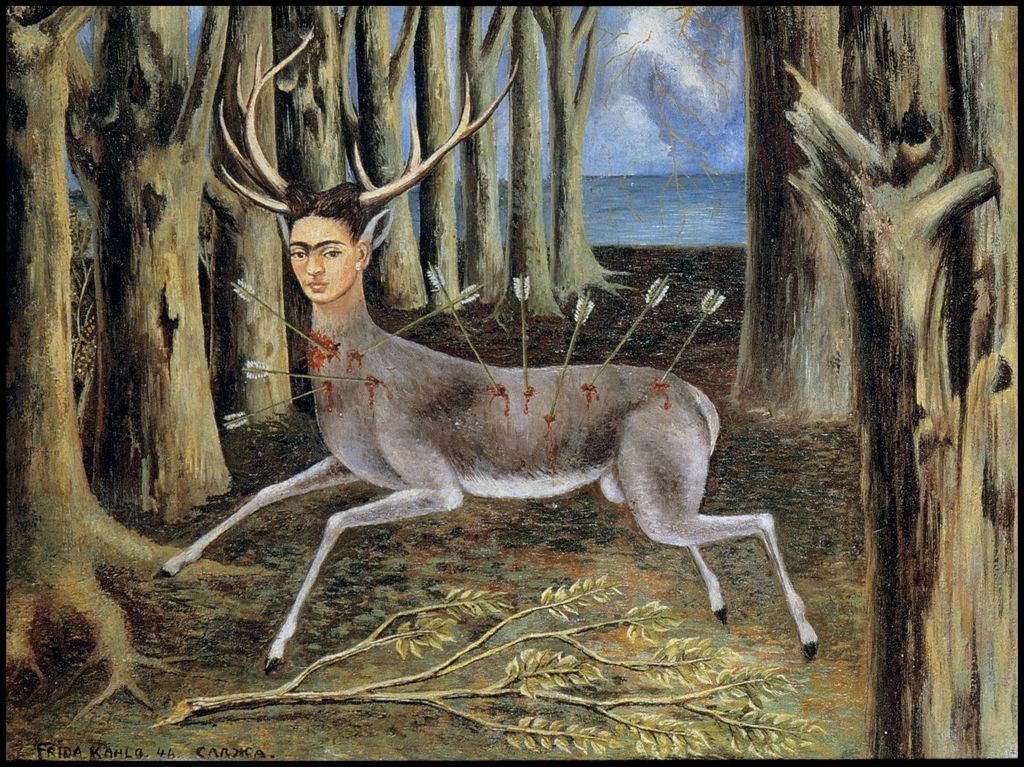
Hicimos una lectura atenta de la obra de Frida Kahlo, โ€œEl venado heridoโ€, de 1946. La riqueza de la pintura despertรณ mรบltiples lecturas en los participantes. Hablamos del dolor fรญsico, de la elecciรณn de un animal que no estรก claramente en movimiento o echado en el suelo. Las contradicciones entre la serenidad de la expresiรณn facial, sereno o desafiante, segรบn diferentes participantes, y la imagen de las heridas. Asรญ como la posiciรณn del venado, que nos mira directamente, como solicitando que seamos testigos de su situaciรณn. A pesar de las heridas, muestra una faz maquillada, presente, que mantiene la identidad.

Las flechas despertaron muchas lecturas, ยฟpor quรฉ nueve? ยฟse refieren a dolor, a amor, a las dificultades de la vida? Otro elemento es el uso del espacio. La presencia de un camino, como una vรญa de escape, que lleva a una tormenta en la lejanรญa. Los arboles que impresionan de quemados, pero que ocultan una vida detrรกs. La obra destaca por el uso del color, poco estridente, oscuro, muy diferente al de otras obras de la misma autora. En muchos sentidos, el conflicto es continuo, todos los elementos parecen mostrar conflicto y contradicciรณn, las lecturas son mรบltiples.

El diรกlogo con la pintura nos lleva a modificar nuestras propias percepciones iniciales. A medida que profundizamos y compartimos, descubrimos nuevos elementos y significados posibles. La pintura estรก viva para nosotros. Nos preguntamos por quรฉ el venado no ha huido hacia el mar. Se pregunta quรฉ pasarรญa si le quitรกramos las flechas, ยฟcurarรญa o empeorarรญa?

La pintura genera una primera impresiรณn de shock, de dolor pero, poco a poco, se va transformando en serenidad y paz.

La propuesta de escritura fue โ€œEscribe acerca de una heridaโ€. Algunos participantes compartieron sus textos que hablaban de las heridas que no se recuerdan pero que se quieren recordar, y las heridas de sangre y de las otras, y de las heridas que no son heridas.

“El venado herido,” 1946, por Frida Kahlo:

El venado herido, 1946, por Frida Kahlo
ร“leo sobre fibra dura
22,4 x 30 cm.
Colecciรณn de Carolyn Farb
Houston, Texas, EE.UU.

Se alienta a las/los participantes a compartir lo que escribieron a continuaciรณn (“Deja una respuesta”), para mantener la conversaciรณn aquรญ, teniendo en cuenta que el blog, por supuesto, es un espacio pรบblico donde no se garantiza la confidencialidad.

Por favor, รบnase a nosotros para nuestra prรณxima sesiรณn en espaรฑol: Sรกbado, 6 de marzo 2021 a las 13:00, con otras sesiones adicionales en otros idiomas (inglรฉs, italiano, griego y polaco) en nuestra pรกgina de sesiones grupales virtuales en vivo.

ยกEsperamos verte pronto!


Laboratori Di Medicina Narrativa: sabato 6 febbraio dalle 16 alle 17.30

Siamo stati molto lieti di avervi qui con noi!

Abbiamo letto insieme la poesia โ€œIo รจ tantiโ€ di Chandra Livia Candiani (allegato al termine di questa pagina)ย ย 

In seguito, abbiamo usato il prompt “Io รจ…”.

Condivideremo ulteriori dettagli della sessione nei prossimi giorni; vi invitiamo a rivisitare questa pagina nei prossimi giorni!

Invitiamo i partecipanti del laboratorio a condividere i propri scritti nella parte “blog” dedicata alla fine della presente pagina (“Leave a Reply”). Speriamo di creare, attraverso questo forum di condivisione, uno spazio in cui continuare la nostra conversazione!

Stiamo raccogliendo impressioni e breve feedback sui nostri laboratori di medicina narrativa su Zoom!

Questo breve questionario (anonimo, e aperto a chiunque abbia frequentato almeno un laboratorio) รจ molto importante per noi, e ci permetterร  di elaborare sul valore dei nostri laboratori e sul ruolo dello spazio per riflettere e metabolizzare il momento presente. Vi preghiamo quindi di condividere le nostre riflessioni con noi!


 โ€œIo รจ tantiโ€ di Chandra Livia Candiani

 Io รจ tanti
 e cโ€™รจ chi crolla
 e chi veglia
 chi innaffia i fiori
 e chi beve troppo
 chi dร  sepoltura
 e chi ruggisce.
 Cโ€™รจ un bambino estirpato
 e una danzatrice infaticabile
 cโ€™รจ massacro
 e ci sono ossa
 che tornano luce.
 Qualcuno spezzetta immagini
 in un mortaio,
 una sarta cuce
 un petto nuovo
 ampio
 che accolga la notte,
 il piombo.

 Ci sono parole ossute
 e una via del senso
 e una deriva,
 cโ€™รจ un postino sotto gli alberi,
 riposa
 e cโ€™รจ la ragione che conta
 i respiri
 e non bastano
 a fare tempio.

 Cโ€™รจ il macellaio
 e cโ€™รจ un bambino disossato
 cโ€™รจ il coglitore
 di belle nuvole
 e lo scolaro
 che nomina e non tocca,
 cโ€™รจ il dormiente
 e lโ€™insonne che lo sveglia
 a scossoni
 con furore
 di belva giovane
 affamata di sembianze.

 Ci sono tutti i tu
 amati e quelli spintonati via
 ci sono i noi cuciti
 di lacrime e di labbra
 riconoscenti. Ci sono
 inchini a braccia spalancate
 e maledizioni bestemmiate
 in faccia al mondo.
 Ci sono tutti, tutti quanti,
 non in fila, e nemmeno
 in cerchio,
 ma mescolati come farina e acqua
 nel gesto caldo
 che fa il pane:
 io รจ un abbraccio.