Narrative Medicine Book Club: Magic Mountain, Week 1

So we begin our journey with The Magic Mountain! Approximately 40 pages in and I, for one, am already hooked. I love how Mann signals so clearly in the Forewordย how this book will be concerned primarily with the “problematic and uniquely double nature of that mysterious element,” time. Given our current pandemic quarantine status, I am very much here for this exploration.ย 

In chapter 1, Hans Castorp travels from Hamburg, his hometown — from his “everyday world,” bustling with work and preoccupations — to a Sanatorium high up in the mountains, presumably for a “rest” and to see his cousin. “He had not planned to take this trip particularly seriously, to become deeply involved in it,” but even in the first few pages his perception begins to be altered. “‘Home in three weeks,'” says his cousin, “‘that’s a notion from down below.'” I love how simply and matter-of-factly all is described in this first chapter, and yet how subtly strange it all is, so as a reader you get the sense of a very real-life place and also a place where absolutely any fantastic thing could happen. There is a distinct ominousness — the cough that Castorp hears, for example, which is “not even human,” and the sense the reader has that Castorp has landed here for a very long time, even if he doesn’t know it (always a creepy feeling to know things, when reading, that your character doesn’t yet know).ย 

Chapter 2 gives us a bit of Hans Castorp’sย back storyย – we learn that he has been well-acquainted with death from a young age, having lost his parents and his grandfather before he was ten, and then was raised by his uncle. I was struck by this statement, which seems highly relevant to our present moment: “…the damage inflicted by the times on someone’s personal life can have a direct influence on that person’s physical organism.” Not news, but a reminder of how our personal circumstances — our actualย organismsย — are intricately connected to the times we are living in, and therefore to each other – and another way Mann reminds us of the importance of the “mysterious element.”ย 

For next week: Read up to the section titled “But of course – a female!” in Chapter 3.ย ย 

AND: WE HAVE AN EMAIL LIST! Go toย https://narrativemedicine.blog/blog/narrative-medicine-book-club/ย and sign upย to receive updates on the Book Club specifically, including reading schedule, thoughts, and dates and times for our live discussions:ย 


Live Virtual Group Session: 7pm EDT May 21st 2020

Many thanks to all who joined us Thursday evening for our session!ย  It has been heartening to welcome back so many returning participants, and exciting to keep seeing new faces each time we gather for this work online, withย visitors from so many different places.ย 

The text for this session was “won’t you celebrate with me” by National Book Award winning poet, Lucille Clifton (posted below).ย  It was a phenomenal conversation starter and participants quickly began to offer observations and reflections on the personal connections they made to Clifton’s words and the layered and complex meanings that unfolded in our close reading.ย  Many commented on whether the opening question posed in the poem was one of amicable invitation, incensed demand, or a timid plea, or perhaps some mix of those emotions and motivations.ย ย 

As we explored the lines and phrases further, some found themselves drawn into the absence of capitalization, sharing that this artistic choice could signal Clifton’s attempt to “flatten” the dominant and oppressive voices that may have disregarded or excluded her perspective in the past.ย  Others engaged with the imagery in the poem and considered the relevance of “starshine and clay” as places to be caught between.ย  We also questioned how “one hand holding tight to my other hand” could be an action of self-care and support, or a description of praying in desperation, or a self-restraint to prevent lashing out at repeated perpetrators of injustice.

In writing to the prompt, “Write about the bridges you travel on”, many shared thoughts about where their particular journey over a metaphorical bridge had led them to and the direction through time it had taken them in.ย  More than one participant opened our minds to the possibilities of considering the bridge as a three dimensional space, writing about who and what may exist underneath, above, and alongside our bridges.ย  As always, we were grateful to have so many responses shared and to witness the genuine admiration participantsย expressed to one another about their work and the connections their writing revealed back to the original text.

Participants are warmly encouraged to share what you wrote below (โ€œLeave a Replyโ€), to keep the conversation going here, bearing in mind that the blog of course is a public space where confidentiality is not assured.

Please join us for our next session Saturday, May 23rd at 2pm EDT, with more times listed on our Live Virtual Group Sessions page.

We look forward to seeing you again soon!


Wonโ€™t You Celebrate With Me 
by Lucille Clifton 


won't you celebrate with me
what i have shaped into
a kind of life? i had no model.
born in babylon
both nonwhite and woman
what did i see to be except myself?
i made it up
here on this bridge between
starshine and clay,
my one hand holding tight
my other hand; come celebrate
with me that everyday
something has tried to kill me
and has failed.

Lucille Clifton, โ€œwon’t you celebrate with meโ€ from Book of Light. Copyright ยฉ 1993 by Lucille Clifton. 


Live Virtual Group Session: 12pm EDT May 20th 2020

Thank you to everyone who joined us for this session!

Our text was an excerpt from On Earth We’re Briefly Gorgeous by Ocean Vuong, posted below.

Our prompt was: Take us on a walk through a memory.

A warm thank you to the mixture of familiar faces and new ones from around the globe — from India to Italy, from Beirut to Bahrain — who attended our session! The U.S. states were also well represented, including California, Iowa, Texas, Florida and Massachusetts. At least eight people were attending for the first time. (Welcome!)

We read an excerpt from Ocean Vuongโ€™s book On Earth Weโ€™re Briefly Gorgeous and together found wonderful layers of meaning. Many of us thought about what we mean when we talk about โ€œprayerโ€ and how that word can take us beyond the usual definitions. One participant talked about a pure transcendentalism in the fourth paragraph, and another saw allusions to multiple religions: the overtly Muslim prayer, but also a Buddhist notion of the walk and a Christian nod with blood. A third found sounds suggesting the wind of God, contrasting with the creatures on the ground where we live. We also noticed the sounds of the narratorโ€™s walk and the references to the body: the skin, the blood and especially the intriguing phrase โ€œas if the tongue was the smallest arm from which a word like that could be offered.โ€ (Several people mentioned that they plan to pursue more of Vuongโ€™s work. A recent conversation between Vuong and Krista Tippett can be heard on the On Being podcast.)

Our writing prompt โ€“ โ€œTake us on a walk through a memoryโ€ โ€“ drew a variety of responses, many of which mingled the abstract and the concrete. Some participants played with alliteration, repetition, movement, and rhythm in their writing, while others incorporated imagery, changes in temporality, and even lyrics in Farsi. Several participants gave their writings titles, which was a unique change from previous workshops. Many others, like Vuong, used their writing to bring experience into understanding, recalling โ€œmemories tinted with the reality of now,โ€ and discovering through their writing where โ€œthe sacredโ€ lies.

Participants are warmly encouraged to share what you wrote below (โ€œLeave a Replyโ€), to keep the conversation going here, bearing in mind that the blog of course is a public space where confidentiality is not assured.

Please join us for our next session Thursday, May 21st at 7pm EDT, with more times listed on our Live Virtual Group Sessions page.

We look forward to seeing you again soon!


On Earth We’re Briefly Gorgeous, excerpt by Ocean Vuong

Back in Hartford, I used to wander the streets at night by myself. Sleepless, Iโ€™d get dressed, climb through the windowโ€” and just walk.

Some nights I would hear an animal shuffling, unseen, behind garbage bags, or the wind unexpectedly strong overhead, a rush of leaves clicking down, the scrape of branches from a maple out of sight. But mostly, there were only my footsteps on the pavement steaming with fresh rain, the scent of decade- old tar, or the dirt on a baseball field under a few stars, the gentle brush of grass on the soles of my Vans on a highway median.

But one night I heard someone praying.

Through the lightless window of a street- level apartment, a manโ€™s voice in Arabic. I recognized the word Allah. I knew it was a prayer by the tone he used to lift it, as if the tongue was the smallest arm from which a word like that could be offered. I imagined it floating above his head as I sat there on the curb, waiting for the soft clink I knew was coming. I wanted the word to fall, like a screw in a guillotine, but it didnโ€™t. His voice, it went higher and higher, and my hands, they grew pinker with each inflection. I watched my skin intensify until, at last, I looked upโ€” and it was dawn. It was over. I was blazed in the blood of light.

Salat al- fajr: a prayer before sunrise. โ€œWhoever prays the dawn prayer in congregation,โ€ said the Prophet Muhammad, โ€œit is as if he had prayed the whole night long.โ€

I want to believe, walking those aimless nights, that I was praying. For what Iโ€™m still not sure. But I always felt it was just ahead of me. That if I walked far enough, long enough, I would find itโ€” perhaps even hold it up, like a tongue at the end of its word.

(c) 2019 Penguin Press/Ocean Vuong


Laboratori Di Medicina Narrativa: martedรฌ 19 Maggio dalle 19 alle 20

Ringraziamo le 200+ persone che da tutta Italia ci hanno raggiunto nel nostro spazio Zoom per il primo laboratorio di medicina narrativa in lingua italiana! Da quando il laboratorio รจ cominciato, si sentiva unโ€™energia e una voglia di partecipare, condividere, ascoltare e stare assieme ad altre persone, nonostante le distanze. Lo spazio Zoom sembrava quasi risuonare dellโ€™entusiasmo dei partecipanti. I facilitatori erano ugualmente emozionati di cominciare questo nuovo progetto di medicina narrativa.

Abbiamo letto insieme il testo di Alda Merini โ€œSpazioโ€, una poesia scritta negli anni novanta, che abbiamo scelto perchรฉ evocativa di temi molto sentiti durante questa emergenza sanitaria. Il prompt di scrittura รจ stato โ€œDescrivi un tuo spazioโ€.ย 

Costretti a casa o in luoghi chiusi per molto tempo durante la pandemia, i nostri partecipanti  hanno espresso il desiderio di aprirsi a nuovi spazi. Il lockdown ci ha fatto sperimentare un senso di clausura e un grande silenzio tuttโ€™attorno nelle cittร  che si erano svuotate, luoghi deserti, in assenza di corpi che invece vivevano confinati allโ€™interno dei perimetri ristretti e obbligati delle case. I verbi di movimento utilizzati dalla poetessa (cantare, crescere, errare, saltare) sono per noi la metafora di un risveglio, di un cambiamento e della possibilitร  di andare oltre i confini del corpo, di uscire dalla paralisi. Nella discussione di gruppo dagli spazi del mondo esteriore si รจ passati a quelli del mondo interno: la stessa poesia della Merini sembra fare questo passaggio dal fuori al dentro, tra la prima e la seconda parte del testo. E da dentro si sprigiona un urlo inumano, di silenzio, che parla dellโ€™antica ferita quasi a richiedere ascolto dagli altri ma anche da se stessi. Abbiamo scoperto insieme quanto abbiamo bisogno di fare spazio dentro di noi per ascoltarci, per comprenderci anche nella nostra fragilitร  e vulnerabilitร . Coltivare lo spazio interiore รจ una grande risorsa per far fronte ad eventi difficili. Questo come atto di cura di sรฉ, di guarigione.Gli workshop online di questo periodo rappresentano anchโ€™essi uno spazio di ascolto, riflessione e condivisione, per sostenerci come comunitร  e affrontare tutta questa sofferenza che รจ dilagata ovunque.

A questo primo appuntamento eravamo moltissimi e solo pochi sono potuti intervenire per commentare in risposta alla poesia di oggi, leggere la propria scrittura, esprimere pensieri ad alta voce. Tuttavia anche ascoltare, scrivere, riflettere in silenzio costituiscono un movimento partecipativo e significativo per aprirsi agli altrui punti di vista, per cogliere sguardi nuovi, per apprendere come onorare le storie degli altri e le proprie. โ€œAscoltarsi รจ creare spazioโ€, come osservato da un commento condiviso al termine del nostro laboratorio di oggi. Siamo lieti di aver potuto creare questo spazio insieme: leggendo, commentando, condividendo, ascoltando, o semplicemente con la propria presenza. 

Ringraziandovi di cuore, vi invitiamo a continuare la conversazione postando in questo blog la vostra scrittura o qualche altro commento che magari avreste voluto condividere con il grande gruppo. Restiamo connessi e arrivederci al prossimo workshop di sabato 23 maggio alle ore 16.00, per continuare a creare insieme โ€œuno spazioโ€ per sentirci vicini nonostante la lontananza. Per permettere a piรน voci e commenti di arricchire questo nostro spazio, abbiamo deciso di offrire un workshop di 90 minuti (invece di 60 minuti). Pertanto, il workshop di sabato 23 durerร  dalle 16.00 alle 17.30. Vi aspettiamo!


Spazio, Alda Merini ย 
(da โ€œVuoto dโ€™amoreโ€)
ย 
Spazio spazio, io voglio, tanto spazioย 
per dolcissima muovermi ferita;ย 
voglio spazio per cantare crescereย 
errare e saltare il fossoย 
della divina sapienza.ย 
Spazio datemi spazioย 
chโ€™io lanci un urlo inumano,ย 
quellโ€™urlo di silenzio negli anniย 
che ho toccato con mano.ย 

Wirtualne Grupy Narracyjne: Wtorek 19 maja, 18:00 CET

Dziฤ™kujemy wszystkim, ktรณrzy wziฤ™li udziaล‚ w dzisiejszej grupie narracyjnej!

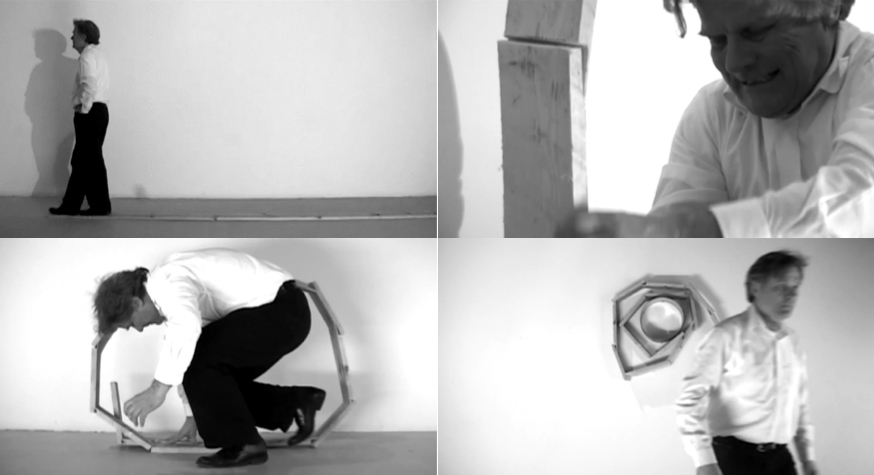
Wspรณlnie uwaลผnie przyjrzeliล›my siฤ™ performansowi Janusza Baล‚dygi โ€žKrokiโ€. Poniลผej zamieszczamy fotosy z nagrania, caล‚oล›ฤ‡ dostฤ™pna jest tutaj.

โ€žNapisz o czymล›, co jest podzielone.โ€

Motywem przewodnim, ktรณry wyล‚oniล‚ siฤ™ w procesie pracy dzisiejszej grupy, byล‚o pojฤ™cie podziaล‚u oraz sytuacja dokonywania wyboru. Uczestnicy grupy czฤ™sto nawiฤ…zywali do wielu aspektรณw i moลผliwoล›ci dzielenia. Dostrzegali je zarรณwno w samym performansie, jak i w swoich jego interpretacjach. Praca ta byล‚a wymagajฤ…ca na wielu poziomach, a w jej przebiegu moลผna byล‚o dostrzec paralelฤ™ do przebiegu zdarzeล„ w nagraniu. Grupa doล›wiadczyล‚a silnej identyfikacji, czego spostrzeลผenie przyniosล‚o poczucie spokoju i satysfakcji. Zostaล‚a rรณwnieลผ wspรณlnie wypowiedziana potrzeba akceptacji tego, co w ลผyciu okazuje siฤ™ byฤ‡ konieczne lub nieuniknione oraz tego, co utracone zostaje w wyniku podejmowania decyzji. Zgoda na to staje siฤ™ krokiem do przodu.

Zapraszamy do udziaล‚u w kolejnych sesjach, ktรณrych terminy podane sฤ… na polskiej podstronie Wirtualnych Grup Narracyjnych. Najbliลผsza grupa odbฤ™dzie siฤ™ 28 maja (czwartek) o godzinie 18:00 โ€“ zarejestruj siฤ™ juลผ dziล›.

Wszelkie pytania oraz proล›by o organizacjฤ™ indywidualnych grup narracyjnych dla Waszych zespoล‚รณw moลผna przesyล‚aฤ‡ na adres: narrativemedicine@cumc.columbia.edu oraz humanistykamedyczna@cm.uj.edu.pl.

Do zobaczenia niebawem!

ลนrรณdล‚o/Source: Ninateka

***

Thank you to everyone who joined us for this session!

Together we looked at โ€œKrokiโ€ (โ€œStepsโ€), a performance by Janusz Baล‚dyga. Still images are posted above and the entire video recording is available here.

The main themes that emerged in this session were the concepts of division and situations in which a choice has to be made. They saw both themes in the video performance itself as well as their interpretations of it. This work was challenging on many levels and a parallel between the group dynamic and the videoโ€™s course of action could be easily drawn. The group experienced a strong identification and noticing it brought a feeling of peace and satisfaction. Participants expressed together the need of acceptance of the things that seem necessary or inevitable in life and of the things that are lost because of making choices. The acceptance becomes the step forward.

Please join us for our next sessions: Wednesday May 20th, 12pm EDT (English language) and Thursday May 21st, 7pm EDT (English language), with more times listed on our Live Virtual Group Sessions page.

If you have questions, or would like to schedule a personalized narrative medicine session for your organization or team, email us at narrativemedicine@cumc.columbia.edu.

We look forward to seeing you again soon!


Live Virtual Group Session: 2pm EDT May 17th 2020

A combination of new and returning participants, 31 total, joined us today, representing local (IN, IA, OR, CT, NJ, NY, CA WA and MI) and international (India, Canada, Italy, the UK, Morocco, Switzerland and Spain) perspectives.ย 

Our text was a page of six panels from cartoonist Roz Chastโ€™s book Canโ€™t We Talk About Something More Pleasant? posted below. Three readers, each representing a voice in the cartoon panel sequence, read it aloud twice. One workshop participant identified a missing voice: that of the mother who was present only as the object of care. Themes discussed included the assumptive inaccuracy of classifying caretaking as โ€œdirty workโ€ and the proposal of caretaking as honorable,ย  the cyclical nature of the parent/child relationship, the intersectionality of race and gender, the tensions between self-care and care for others, and the movement through layers of time. Readers identified with the portrayal of conflicting emotions.

Our prompt โ€œWrite or draw good handsโ€ brought us from the visually particular (tending wounds of a dirty old tomcat, white knuckles, making chicken soup, prayer beads) to the universal (holding space, comfort, goodness, visualization, caregiving at a cost, an incantation like a prayer). Accessing an emotional intergenerational space, one participant wrote, โ€œNow is the time for holding hands,โ€ an affirmation that seemed not only to capture the mood of the moment, but also to remind us that even a Zoom across the internet can feel like a room of care. The summarizing comment noted with wonder that the small frames of an artist’s work can hold us secure together for a moment in the great cosmos.

Participants are warmly encouraged to share what you wrote below (โ€œLeave a Replyโ€), to keep the conversation going here, bearing in mind that the blog of course is a public space where confidentiality is not assured. If you chose to draw, your are welcome to share as well, simply email your visual file to narrativemedicine@columbia.edu and we will add and credit it to the post here.

Please join us for our next session Wednesday, May 20th at 12pm EDT, with more times listed on our Live Virtual Group Sessions page.

We look forward to seeing you again soon!


Live Virtual Group Session: 7pm EDT May 15th 2020

At tonight’s session we welcomed familiar faces from around the US — Pennsylvania, Indiana, Iowa, and more — and also from India, to read the poem “Perhaps the World Ends Here,” by Poet Laureate of the Unitedย States Joy Harjo, posted below.

The poem invited a range of readings and responses, as participants reflected on the literal and metaphorical representation of the kitchen table. One person referred to the way the poem was bracketed — like life — by a beginning and an ending; another wondered why the ending was the focus, reflected in the poet’s choice of title. Importantly, one participant noted the privilege embedded in the very notion of home represented by the table image. The diversity of responses pointed itself to the value of narrative medicine, in its invitation to engage with the experiences and interpretations of others.

As we responded in writing to the prompt, “At this table…” this idea was reflected again in participants’ shared writing, which — through that one powerful image — opened into a world of memories, dreams, and connections.

Participants are warmly encouraged to share what you wrote below (โ€œLeave a Replyโ€), to keep the conversation going here, bearing in mind that the blog of course is a public space where confidentiality is not assured.

Please join us for our next session Sunday, May 17th at 2pm EDT, with more times listed on our Live Virtual Group Sessions page.

We look forward to seeing you again soon!

Perhaps the World Ends Here by Joy Harjo

The world begins at a kitchen table. No matter what, we must eat to live.

The gifts of earth are brought and prepared, set on the table. So it has been since creation, and it will go on.

We chase chickens or dogs away from it. Babies teethe at the corners. They scrape their knees under it.

It is here that children are given instructions on what it means to be human. We make men at it, we make women.

At this table we gossip, recall enemies and the ghosts of lovers.

Our dreams drink coffee with us as they put their arms around our children. They laugh with us at our poor falling-down selves and as we put ourselves back together once again at the table.

This table has been a house in the rain, an umbrella in the sun.

Wars have begun and ended at this table. It is a place to hide in the shadow of terror. A place to celebrate the terrible victory.

We have given birth on this table, and have prepared our parents for burial here.

At this table we sing with joy, with sorrow. We pray of suffering and remorse. We give thanks.

Perhaps the world will end at the kitchen table, while we are laughing and crying, eating of the last sweet bite.

“Perhaps the World Ends Here” from The Woman Who Fell From the Sky by Joy Harjo. Copyright ยฉ 1994 by Joy Harjo.


Wirtualne Grupy Narracyjne: Czwartek 14 maja, 18:00 CET

Dziฤ™kujemy wszystkim, ktรณrzy wziฤ™li udziaล‚ w dzisiejszej grupie narracyjnej!

Wspรณlnie uwaลผnie przyjrzeliล›my siฤ™ rzeลบbie Nilbar GรผreลŸ zatytuล‚owanej โ€žThirsty for Lillyโ€ (โ€žSpragniony liliiโ€), ktรณrej zdjฤ™cie zamieszczamy poniลผej.

โ€žInspiracjฤ… do kreatywnego pisania byล‚o: โ€žNapisz o czymล›, co byล‚o wystarczajฤ…ceโ€

Czฤ™sto powtarzajฤ…cym siฤ™ motywem w wypowiedziach uczestnikรณw grupy byล‚a nieprzystawalnoล›ฤ‡, czy nawet pewnego rodzaju sztucznoล›ฤ‡ tego, co zostaล‚o przedstawione przez Nilbar GรผreลŸ. Prowadziล‚o to do bardzo zrรณลผnicowanych interpretacji rzeลบby, widzianej zarรณwno jako metafora czล‚owieka, jak i postrzeganej dosล‚ownie. Zauwaลผono, ลผe moลผliwe jest tutaj dostrzeganie trudnoล›ci osoby w odnalezieniu wล‚aล›ciwych dla niej okolicznoล›ci do rozwoju, jak i nienaturalnych warunkรณw stworzonych przez czล‚owieka, w ktรณrych przychodzi istnieฤ‡ roล›linom.

Inspiracja dotyczฤ…ca tego, co jest wystarczajฤ…ce wynikaล‚a z kontekstu pracy grupy, ktรณra w dynamicznej rozmowie krฤ…ลผyล‚a wokรณล‚ tego, co znaczy ลผyฤ‡ we wล‚aล›ciwych warunkach. Moลผna odczuฤ‡ byล‚o zwiฤ…zek pomiฤ™dzy stanem obecnej izolacji spoล‚ecznej, a wyล‚aniajฤ…cฤ… siฤ™ spontanicznie perspektywฤ… interpretacyjnฤ…. Wypowiadana byล‚a rรณwnieลผ potrzeba nadziei oraz dostฤ™pnoล›ci. Intersujฤ…ca wydawaฤ‡ siฤ™ moลผe takลผe wieloznacznoล›ฤ‡ pojฤ™cia โ€žwystarczajฤ…cyโ€, ktรณrฤ… unaoczniล‚o wyraลบnie kreatywne pisanie.

Zapraszamy do udziaล‚u w kolejnych sesjach, ktรณrych terminy podane sฤ… na polskiej podstronie Wirtualnych Grup Narracyjnych. Termin najbliลผszej grupy polskojฤ™zycznej zostanie podany niebawem.

Wszelkie pytania oraz proล›by o organizacjฤ™ indywidualnych grup narracyjnych dla Waszych zespoล‚รณw moลผna przesyล‚aฤ‡ na adres: narrativemedicine@cumc.columbia.edu oraz humanistykamedyczna@cm.uj.edu.pl.

Do zobaczenia niebawem!

***

Thank you to everyone who joined us for this session!

Together we looked at โ€œThirsty for Lilly,โ€ a sculpture by Nilbar GรผreลŸ, posted below.

The common theme in the statements from the group’s participants was the inadequateness or even some kind of artificiality of what was represented by Nilbar GรผreลŸ. This led to quite diverse interpretations of the sculpture, seen both literally and also as a metaphor of a person. It was noticed that it is possible to see the difficulties of the person looking for the right circumstances for their development, as well as unnatural conditions created by mankind in which plants have to exist.

The prompt stemmed from the context of the group’s work, which in a dynamic conversation revolved around one question: what does it mean to live in proper conditions? One could feel the interconnection between the current state of social isolation and the spontaneous interpretation perspective. A need for hope and accessibility was also articulated. The other interesting aspect of the conversation was the ambiguity of the term “sufficient”, which was demonstrated throughout the creative writing.

Please join us for our next sessions, listed on our Live Virtual Group Sessions page.

If you have questions, or would like to schedule a personalized narrative medicine session for your organization or team, email us at narrativemedicine@cumc.columbia.edu.

We look forward to seeing you again soon!

ลนrรณdล‚o/Source: Galerie Martin Janda, Vienna


Live Virtual Group Session: 12pm EDT May 13th 2020

Thank you to todayโ€™s 41 participants who joined us from around the United States and the world, including India, France, Portugal, Italy, the UK, Germany, Canada, and the Netherlands!

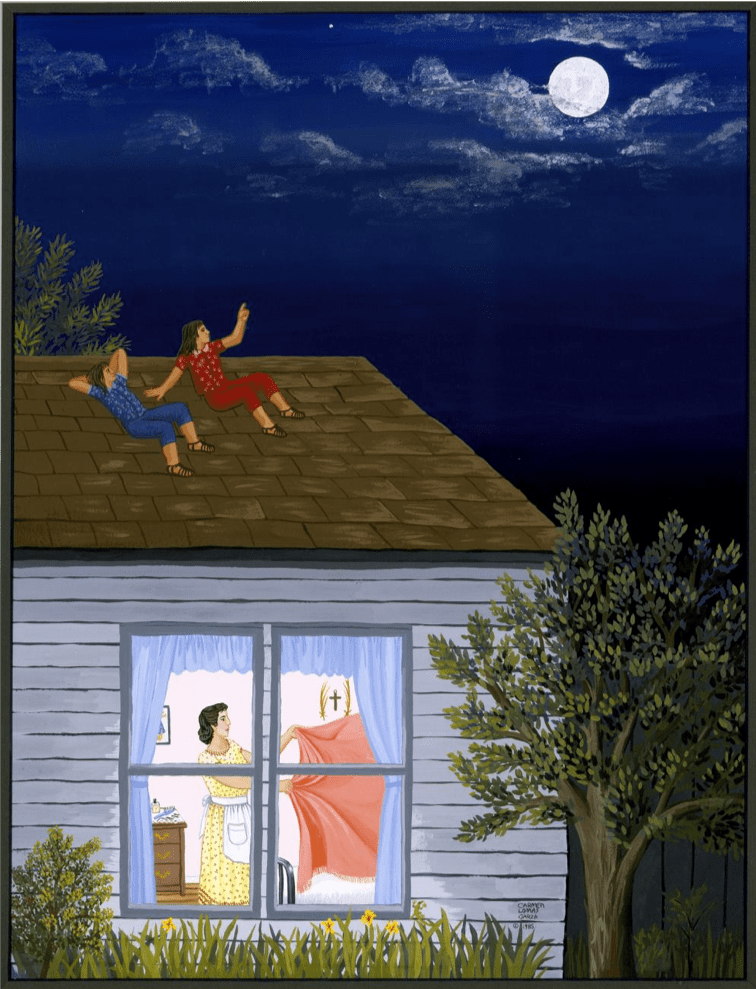
After introductions and a centering exercise, we shared an especially rich discussion of the 1985 painting Camas para Sueรฑos (Beds for Dreams), by Carmen Lomas Garza, posted below. We entered into our discussion through the following questions, โ€œHow do you enter this painting? Where did your eye start, and where did it end?โ€ Our eyes went many places: into the shadows, to the moon, among flowers, and to childhood. We thought about the frame of the window within the outer frame of the image as a whole, and we noticed how looking into someoneโ€™s window can feel voyeuristic. The artistic style evoked terms like โ€œstorybookโ€ and โ€œplayful,โ€ and we noticed the surprise of daffodils, which appear in early spring, beneath leafy trees of summer, lending a quality of magical realism. This sense was amplified by the way the daffodils and trees were both in bloom, and each item appeared in its ideal form — a full moon, showy flowers, full trees, the straight lines of the house. We also explored elements of dualism, including concealment/unconcealment, darkness/light, artificial light/natural light, and outdoors/indoors. And we talked about the quiet mood, a moment in time, true safety and security, confinement and expanse. Details such as a crucifix, an apron and daffodils inspired connections to symbolism of fertility, peace, hope and joy.ย 

We wrote to the prompt, โ€œWrite about something that stays with you,โ€ which evoked responses that often had a flavor of magical realism that echoed the painting we had just discussed. Specific details of the painting, such as the moon and the flora, appeared as elements in the writings. In one, they were woven into the narratorโ€™s own story so that the narrator seemed to move in and out of the world of the painting. Some participants wrote about nostalgia, memory, childhood, family, and reaching across time and space through generations to loved ones.ย  Another participant wrote about โ€œliquid love,โ€ a phrase that stood out to many of us for both its alliteration and its metaphorical possibilities.ย 

Participants are warmly encouraged to share what you wrote below (โ€œLeave a Replyโ€), to keep the conversation going here, bearing in mind that the blog of course is a public space where confidentiality is not assured.

Please join us for our next sessions: Friday, May 15th at 7pm EDT in English or Thursday May 14th at 18:00 CET in Polish, with more times listed on our Live Virtual Group Sessions page.

We look forward to seeing you again soon!

Carmen Lomas Garza, Camas para Sueรฑos (Beds for Dreams), 1985


ฮ–ฯ‰ฮฝฯ„ฮฑฮฝฮฎ ฯƒฯ…ฮฝฮตฮดฯฮฏฮฑ ฮฑฯ†ฮทฮณฮทฮผฮฑฯ„ฮนฮบฮฎฯ‚ ฮนฮฑฯ„ฯฮนฮบฮฎฯ‚: Trรญti 12 Maแธฏou, 8 m.m. EEST

ฮ— ฯ€ฯฯŽฯ„ฮท ฯƒฯ…ฮฝฮตฮดฯฮฏฮฑ ฮ‘ฯ†ฮทฮณฮทฮผฮฑฯ„ฮนฮบฮฎฯ‚ ฮ™ฮฑฯ„ฯฮนฮบฮฎฯ‚ ฯƒฯ„ฮฑ ฮ•ฮปฮปฮทฮฝฮนฮบฮฌ ฮญฯ†ฮตฯฮต ฮบฮฟฮฝฯ„ฮฌ ฮตฮฏฮบฮฟฯƒฮน ฮบฮฑฮน ฯ€ฮปฮญฮฟฮฝ ฯƒฯ…ฮผฮผฮตฯ„ฮญฯ‡ฮฟฯ…ฯƒฮตฯ‚ ฮบฮฑฮน ฯƒฯ…ฮผฮผฮตฯ„ฮญฯ‡ฮฟฮฝฯ„ฮตฯ‚ ฮฑฯ€ฯŒ ฮ•ฮปฮปฮฌฮดฮฑ ฮบฮฑฮน ฮ—ฮฝฯ‰ฮผฮญฮฝฮตฯ‚ ฮ ฮฟฮปฮนฯ„ฮตฮฏฮตฯ‚: ฮฑฯ€ฯŒ ฯ„ฮทฮฝ ฮ‘ฮธฮฎฮฝฮฑ ฮบฮฑฮน ฯ„ฮท ฮ˜ฮตฯƒฯƒฮฑฮปฮฟฮฝฮฏฮบฮท, ฯ„ฮฑ ฮ™ฯ‰ฮฌฮฝฮฝฮนฮฝฮฑ, ฯ„ฮฑ ฮคฯฮฏฮบฮฑฮปฮฑ ฮบฮฑฮน ฯ„ฮทฮฝ ฮšฯฮฎฯ„ฮท, ฮผฮญฯ‡ฯฮน ฯ„ฮทฮฝ ฮ‘ฯฮนฮถฯŒฮฝฮฑ ฮบฮฑฮน ฯ„ฮท ฮฮญฮฑ ฮฅฯŒฯฮบฮท!

ฮคฮฟ ฮบฮตฮฏฮผฮตฮฝฯŒ ฮผฮฑฯ‚ ฮฎฯ„ฮฑฮฝ ฯ„ฮฟ ฯ€ฮฟฮฏฮทฮผฮฑ ยซฮคฮฑ ฮ ฮฑฯฮฌฮธฯ…ฯฮฑยป ฯ„ฮฟฯ… ฮš.ฮ . ฮšฮฑฮฒฮฌฯ†ฮท. ฮŸ ฮบฯ…ฯฮฏฮฑฯฯ‡ฮฟฯ‚ ฯƒฯ…ฮผฮฒฮฟฮปฮนฯƒฮผฯŒฯ‚ ฯ„ฮฟฯ… ฯ€ฮฑฯฮฑฮธฯฯฮฟฯ… ฯ‰ฯ‚ ฮดฮนฮญฮพฮฟฮดฮฟฯ‚ ฮฑฮปฮปฮฌ ฮบฮฑฮน ฯ‰ฯ‚ ฮฑฯ€ฮตฮนฮปฮฎ ฮฑฯ€ฮฟฯ„ฮญฮปฮตฯƒฮต ฯƒฮทฮผฮตฮฏฮฟ ฮฑฯ†ฮตฯ„ฮทฯฮฏฮฑฯ‚ ฮผฮนฮฑฯ‚ ฯƒฯ…ฮฝฮฑฯฯ€ฮฑฯƒฯ„ฮนฮบฮฎฯ‚ ฯƒฯ…ฮถฮฎฯ„ฮทฯƒฮทฯ‚ย  ฯ€ฮฌฮฝฯ‰ ฯƒฮต ฮญฮฝฮฑ ฯ€ฮฟฮฏฮทฮผฮฑ ฮฒฮฑฮธฮนฮฌ ฯ…ฯ€ฮฑฯฮพฮนฮฑฮบฯŒ, ฮดฮนฮฑฯ‡ฯฮฟฮฝฮนฮบฯŒ, ฮฑฮปฮปฮฌ ฮบฮฑฮน, ฯ€ฯฮฟฯƒฯ†ฮฌฯ„ฯ‰ฯ‚, ฮตฮพฯŒฯ‡ฯ‰ฯ‚ ฮตฯ€ฮฏฮบฮฑฮนฯฮฟ. ฮœฮนฮปฮฎฯƒฮฑฮผฮต ฮณฮนฮฑ ฯ„ฮฑ ยซฯ€ฮฑฯฮฌฮธฯ…ฯฮฑยป ฯ€ฮฟฯ… ฯ€ฯฮฟฯƒฮผฮญฮฝฮฟฯ…ฮผฮต ฮฝฮฑ ฮฑฮฝฮฟฮฏฮพฮฟฯ…ฮฝ, ฯŽฯƒฯ„ฮต ฮฝฮฑ ฯฮฏฮพฮฟฯ…ฮฝ ฯ†ฯ‰ฯ‚ ฯƒฯ„ฮนฯ‚ ฯƒฮบฮฟฯ„ฮตฮนฮฝฮญฯ‚ ฮณฯ‰ฮฝฮนฮญฯ‚ ฯ„ฮทฯ‚ ฮบฮตฮบฮปฮตฮนฯƒฮผฮญฮฝฯ‰ฮฝ ฯ„ฯ‰ฮฝ ฮธฯ…ฯฯŽฮฝ ฮถฯ‰ฮฎฯ‚ ฮผฮฑฯ‚ ฯ„ฮฟ ฯ„ฮตฮปฮตฯ…ฯ„ฮฑฮฏฮฟ ฮดฮนฮฌฯƒฯ„ฮทฮผฮฑ, ฯƒฯ„ฮฑ ฮฌฮดฯ…ฯ„ฮฑ ฯ„ฮฟฯ… ฮตฮฑฯ…ฯ„ฮฟฯ ฮผฮฑฯ‚, ฮฑฮปฮปฮฌ ฮบฮน ฮตฮบฮตฮฏฮฝฮฑ ฯ€ฮฟฯ…, ฮฟฮผฮฟฮฏฯ‰ฯ‚ ฮผฮต ฯ„ฮฟ ฯ€ฮฟฮนฮทฯ„ฮนฮบฯŒ ฯ…ฯ€ฮฟฮบฮตฮฏฮผฮตฮฝฮฟ, ฮตฯ…ฯ‡ฯŒฮผฮฑฯƒฯ„ฮต ฮฝฮฑ ฮผฮทฮฝ ฮฑฮฝฮฟฮฏฮพฮฟฯ…ฮฝ ฯ€ฮฟฯ„ฮญ, ฮบฮฑฮธฯŽฯ‚ ฯ„ฮฟ ฯ†ฯ‰ฯ‚ ฯ€ฮฟฯ… ฮธฮฑ ฯ€ฮตฯฮฌฯƒฮตฮน ฮผฮญฯƒฮฑ ฮฏฯƒฯ‰ฯ‚ ฯ†ฮญฯฮตฮน ฮผฮนฮฑ ยซฮฝฮญฮฑ ฯ„ฯ…ฯฮฑฮฝฮฝฮฏฮฑ.ยป

ฮŸฮน ฯƒฮบฮญฯˆฮตฮนฯ‚ ฯ€ฮฟฯ… ฮตฮบฯ†ฯฮฌฯƒฯ„ฮทฮบฮฑฮฝ ฯ€ฯฮฟฯƒฮญฮณฮณฮนฯƒฮฑฮฝ ฯ„ฮทฮฝ ฮบฮตฮฝฯ„ฯฮนฮบฮฎ ฯ€ฯฮฟฮฒฮปฮทฮผฮฑฯ„ฮนฮบฮฎ ฯ„ฮฟฯ… ฯ€ฮฟฮนฮฎฮผฮฑฯ„ฮฟฯ‚, ฮบฮฑฮน ฯ€ฮนฮฟ ฯƒฯ…ฮณฮบฮตฮบฯฮนฮผฮญฮฝฮฑ ฯ„ฮทฮฝ ฮฑฮฏฯƒฮธฮทฯƒฮท ฮตฮณฮบฮปฯ‰ฮฒฮนฯƒฮผฮฟฯ ฮบฮฑฮน ฮฑฮดฮนฮตฮพฯŒฮดฮฟฯ…, ฮตฮพฮตฯฮตฯ…ฮฝฯŽฮฝฯ„ฮฑฯ‚ ฯ„ฯŒฯƒฮฟ ฯ„ฮนฯ‚ ฯ†ฮนฮปฮฟฯƒฮฟฯ†ฮนฮบฮญฯ‚ ฯŒฯƒฮฟ ฮบฮฑฮน ฯ„ฮนฯ‚ ฮบฮปฮนฮฝฮนฮบฮญฯ‚ ฯ€ฯฮฟฮตฮบฯ„ฮฌฯƒฮตฮนฯ‚ ฯ„ฮทฯ‚:  ฯ„ฮฟ ฮตฯ€ฯŽฮดฯ…ฮฝฮฟ ฯ„ฮฑฮพฮฏฮดฮน ฯ€ฯฮฟฯ‚ ฯ„ฮทฮฝ ฮฑฮฝฮฌฮดฯ…ฯƒฮท ฯƒฯ„ฮฟ ฯ†ฯ‰ฯ‚, ฮดฮทฮปฮฑฮดฮฎ ฯ„ฮทฮฝ ฮฑฯ…ฯ„ฮฟฮณฮฝฯ‰ฯƒฮฏฮฑยท ฯ„ฮนฯ‚ ฮผฮตฯ„ฮฑฯ†ฯ…ฯƒฮนฮบฮญฯ‚ ฮฎ/ฮบฮฑฮน ฮธฯฮทฯƒฮบฮตฯ…ฯ„ฮนฮบฮญฯ‚ ฮดฮนฮฑฯƒฯ„ฮฌฯƒฮตฮนฯ‚ ฯ„ฮทฯ‚ ยซฯ€ฮฑฯฮทฮณฮฟฯฮฏฮฑฯ‚ยป ฯ‰ฯ‚ ฮฑฮฝฮฑฯ€ฯŒฯƒฯ€ฮฑฯƒฯ„ฮฟ ฮบฮฟฮผฮผฮฌฯ„ฮน ฯ„ฮทฯ‚ ฯ€ฮฑฯฮฟฯ‡ฮฎฯ‚ ฯ†ฯฮฟฮฝฯ„ฮฏฮดฮฑฯ‚ยท ฯ„ฮนฯ‚ ยซฯƒฮบฮฟฯ„ฮตฮนฮฝฮญฯ‚ ฮบฮฌฮผฮฑฯฮตฯ‚ยป ฯ„ฮทฯ‚ ฮฝฯŒฯƒฮฟฯ…, ฯƒฯ…ฮฝฮฟฮดฮตฯ…ฯŒฮผฮตฮฝฮตฯ‚ ฮฑฯ€ฯŒ ฯ„ฮฟฮฝ ฯ€ฯŒฮฝฮฟ ฯ„ฯ‰ฮฝ ฮฑฮปฮปฮฑฮณฯŽฮฝ ฯ€ฮฟฯ… ฮตฯ€ฮนฯ†ฮญฯฮฟฯ…ฮฝ, ฯ‰ฯ‚ ฯ„ฮทฮฝ ฯ„ฮตฮปฮนฮบฮฎ ยซฮญฮพฮฟฮดฮฟยปโ€”ฯ„ฮทฮฝ ฮฏฮฑฯƒฮท, ฯ„ฮทฮฝ ฮฑฯ€ฮฟฮดฮฟฯ‡ฮฎ, ฮฎ ฮฑฮบฯŒฮผฮฑ ฮบฮฑฮน ฯ„ฮฟฮฝ ฮธฮฌฮฝฮฑฯ„ฮฟ. ฮšฮฑฯ„ฮฑฮดฯ…ฮธฮฎฮบฮฑฮผฮต ฯƒฯ„ฮฑ ฯƒฮบฮฟฯ„ฮตฮนฮฝฮฌ ฮฒฮฌฮธฮท ฯ„ฮฟฯ… ฮ†ฮปฮปฮฟฯ… ฯ‰ฯ‚ ฯ„ฯ…ฯฮฌฮฝฮฝฮฟฯ… ฯ„ฮฟฯ… ฮ•ฮฑฯ…ฯ„ฮฟฯ, ฮบฮฑฮน ฯฮฏฮพฮฑฮผฮต ฯ†ฯ‰ฯ‚ ฯƒฯ„ฮทฮฝ ฯฯ€ฮฑฯฮพฮท ฯ„ฮฟฯ… ฮ†ฮปฮปฮฟฯ… ฯ‰ฯ‚ ฮดฮนฮญฮพฮฟฮดฮฟ, ฮญฯƒฯ„ฯ‰ ฮบฮฑฮน ฮฑฮฒฮญฮฒฮฑฮนฮท, ฮดฮนฯŒฯ„ฮน ยซฯ€ฮฟฮนฮฟฯ‚ ฮพฮญฯฮตฮน ฯ„ฮน ฮบฮฑฮนฮฝฮฟฯฯฮนฮฑ ฯ€ฯฮฌฮณฮผฮฑฯ„ฮฑ ฮธฮฑ ฮดฮตฮฏฮพฮตฮนยป.

ฮคฮฟ ฮธฮญฮผฮฑ ฯ€ฮฌฮฝฯ‰ ฯƒฯ„ฮฟ ฮฟฯ€ฮฟฮฏฮฟ ฮท ฮฟฮผฮฌฮดฮฑ ฮบฮปฮฎฮธฮทฮบฮต ฮฝฮฑ ฮฑฮฝฯ„ฮฑฯ€ฮฟฮบฯฮนฮธฮตฮฏ ฮณฯฮฑฯ€ฯ„ฯŽฯ‚ ฮฎฯ„ฮฑฮฝ ยซฮŒฯ„ฮฑฮฝ ฮฑฮฝฮฟฮฏฮพฮตฮน ฮญฮฝฮฑ ฯ€ฮฑฯฮฌฮธฯ…ฯฮฟโ€ฆยป. ย ฮคฮฑ ฯƒฯ…ฮณฮบฮนฮฝฮทฯ„ฮนฮบฮฌ ฮบฮตฮฏฮผฮตฮฝฮฑ ฯ€ฮฟฯ… ฯ€ฯฮฟฮญฮบฯ…ฯˆฮฑฮฝ ฮญฯ†ฮตฯฮฑฮฝ ฯƒฯ„ฮทฮฝ ฮตฯ€ฮนฯ†ฮฌฮฝฮตฮนฮฑ ฯ„ฮฟ ฮฌฮณฮณฮนฮณฮผฮฑ ฮบฮฑฮน ฯ„ฮทฮฝ ฮฑฮผฯ†ฮนฯƒฮทฮผฮฏฮฑ ฯ„ฮฟฯ… ฯ‰ฯ‚ ฮฑฯ€ฮตฮนฮปฮทฯ„ฮนฮบฯŒ ฮฑฮปฮปฮฌ ฮบฮฑฮน ฮตฯ€ฮฟฯ…ฮปฯ‰ฯ„ฮนฮบฯŒ. ฮ‘ฮฝฮฑฮดฮตฮฏฯ‡ฮธฮทฮบฮต ฮท ฮผฮตฯ„ฮฑฯ†ฯ…ฯƒฮนฮบฮฎ ฮดฮนฮฌฯƒฯ„ฮฑฯƒฮท ฯ„ฮฟฯ… ฯ€ฮตฯฮฌฯƒฮผฮฑฯ„ฮฟฯ‚, ฯ„ฮฟ ฯƒฮบฮฟฯ„ฮฌฮดฮน ฯ‰ฯ‚ ฯ„ฮญฮปฮฟฯ‚ ฮบฮฑฮน ฮฑฯฯ‡ฮฎ, ฮฑฮปฮปฮฌ ฮบฮฑฮน ฮท ฮณฮตฮฝฮฝฮฑฮนฯŒฯ„ฮทฯ„ฮฑ ฯ„ฮทฯ‚ ฮผฮฟฮฝฮฑฮพฮนฮฌฯ‚ ฯ€ฮฟฯ… ฮตฮปฮปฮฟฯ‡ฮตฯฮตฮน ฯƒฯ„ฮฟ ฯƒฮบฮฟฯ„ฮฌฮดฮน. ฮŸ ฯ„ฯฯŒฯ€ฮฟฯ‚ ฯ€ฮฟฯ… ฮฟฮน ฯƒฯ…ฮผฮผฮตฯ„ฮญฯ‡ฮฟฮฝฯ„ฮตฯ‚ ฮบฮฑฮน ฮฟฮน ฯƒฯ…ฮผฮผฮตฯ„ฮญฯ‡ฮฟฯ…ฯƒฮตฯ‚ ฮฑฮฝฮญฮดฮตฮนฮพฮฑฮฝ ฯ„ฮท ฯƒฮทฮผฮฑฯƒฮฏฮฑ ฯ„ฮฟฯ… ฮฒฮปฮญฮผฮผฮฑฯ„ฮฟฯ‚ ฯ‰ฯ‚ ฮญฮฝฮฑ ฯ€ฮฑฯฮฌฮธฯ…ฯฮฟ ฮตฯ€ฮนฮบฮฟฮนฮฝฯ‰ฮฝฮฏฮฑฯ‚ ฮธฮตฯฮฑฯ€ฮตฯ…ฯ„ฮฎ ฮบฮฑฮน ฮธฮตฯฮฑฯ€ฮตฯ…ฮฟฮผฮญฮฝฮฟฯ…, ฮณฮนฮฑฯ„ฯฮฟฯ ฮบฮฑฮน ฮฑฯƒฮธฮตฮฝฮฟฯฯ‚, ฮฎฯ„ฮฑฮฝ ฮฑฯ€ฯŒฮปฯ…ฯ„ฮฑ ฮบฮฑฮธฮทฮปฯ‰ฯ„ฮนฮบฯŒฯ‚. ฮ ฯฮฟฯ‚ ฯ„ฮฟ ฯ„ฮญฮปฮฟฯ‚, ย ฮถฯ‰ฮฝฯ„ฮฌฮฝฮตฯˆฮฑฮฝ ฮผฯ€ฯฮฟฯƒฯ„ฮฌ ฮผฮฑฯ‚ ฮผฯ…ฯฯ‰ฮดฮนฮญฯ‚ ฮบฮฑฮน ฯ‡ฯฯŽฮผฮฑฯ„ฮฑ ฯ€ฮฟฯ… ฯ†ฮฑฮฝฯ„ฮฑฯƒฯ„ฮฎฮบฮฑฮผฮต ฮฝฮฑ ฯ€ฮตฯฮฝฮฟฯฮฝ ฮผฮญฯƒฮฑ ฮฑฯ€ฯŒ ยซฮปฮตฯ…ฮบฮญฯ‚ ฮบฮฟฯ…ฯฯ„ฮฏฮฝฮตฯ‚ยป ฯ€ฮฟฯ… ฮฑฮฝฮตฮผฮฏฮถฮฟฯ…ฮฝ ฯ€ฮฏฯƒฯ‰ ฮฑฯ€ฯŒ ฯ€ฮฑฯฮฌฮธฯ…ฯฮฑ ฮฟฯฮธฮฌฮฝฮฟฮนฯ‡ฯ„ฮฑ, ฮฝฮฑ ฮผฮฑฯ‚ ฮธฯ…ฮผฮฏฮถฮฟฯ…ฮฝ ฯŒฯ„ฮน ฮท ฮถฯ‰ฮฎ ฮฑฮฝฮฑฯ€ฯŒฯ†ฮตฯ…ฮบฯ„ฮฑ ฯƒฯ…ฮฝฮตฯ‡ฮฏฮถฮตฯ„ฮฑฮน, ฮผฮฑ ฮบฮน ฮญฮฝฮฑ ยซฯ€ฯฯŒฯƒฮตฯ‡ฮต!ยป ฮบฮฌฮธฮต ฯ†ฮฟฯฮฌ ฯ€ฮฟฯ… ฮญฮฝฮฑ ฯ€ฮฑฯฮฌฮธฯ…ฯฮฟ ฮฑฮฝฮฟฮฏฮพฮตฮน.

ฮŸฮน ฮดฮนฮฑฯ†ฮฟฯฮตฯ„ฮนฮบฮญฯ‚ ฮฑฮฝฮฑฮณฮฝฯŽฯƒฮตฮนฯ‚, ฮฟฮน ฯ€ฮฟฮนฮบฮฏฮปฮตฯ‚ ฮตฯฮผฮทฮฝฮตฮฏฮตฯ‚ ฮบฮฑฮน ฮท ฮตฮบฯ†ฯฮฑฯƒฯ„ฮนฮบฮฎ ฮนฮดฮนฮฟฯƒฯ…ฯƒฯ„ฮฑฯƒฮฏฮฑ ฯ„ฯ‰ฮฝ ฮผฮตฮปฯŽฮฝ ฯ„ฮทฯ‚ ฮฟฮผฮฌฮดฮฑฯ‚ ฮฌฮฝฮฟฮนฮพฮฑฮฝ ฮฝฮญฮฑ ฯ€ฮฑฯฮฌฮธฯ…ฯฮฑ ฯ„ฯŒฯƒฮฟ ฯƒฯ„ฮทฮฝ ฯ€ฯฯŒฯƒฮปฮทฯˆฮท ฯ„ฯ‰ฮฝ ฮฝฮฟฮทฮผฮฌฯ„ฯ‰ฮฝ ฯ„ฮฟฯ… ฯ€ฮฟฮนฮฎฮผฮฑฯ„ฮฟฯ‚ ฯŒฯƒฮฟ ฮบฮฑฮน ฯƒฯ„ฮท ฮผฮตฯ„ฮฑฮพฯ ฮผฮฑฯ‚ ฯƒฯฮฝฮดฮตฯƒฮท.

ฮšฮฑฮปฮฟฯฮผฮต ฯŒฮปฮตฯ‚ ฮบฮฑฮน ฯŒฮปฮฟฯ…ฯ‚ ฯ€ฮฟฯ… ฯƒฯ…ฮผฮผฮตฯ„ฮตฮฏฯ‡ฮฑฯ„ฮต ฮฝฮฑ ฮผฮฟฮนฯฮฑฯƒฯ„ฮตฮฏฯ„ฮต ฯŒฯƒฮฑ ฮณฯฮฌฯˆฮฑฯ„ฮต ฮบฮฑฯ„ฮฌ ฯ„ฮท ฮดฮนฮฌฯฮบฮตฮนฮฑ ฯ„ฮทฯ‚ ฯƒฯ…ฮฝฮตฮดฯฮฏฮฑฯ‚ ฮผฮฑฯ‚ ฯ€ฮฑฯฮฑฮบฮฌฯ„ฯ‰ (โ€œLeave a replyโ€) ฮบฮฑฮน ฮฝฮฑ ฮบฯฮฑฯ„ฮฎฯƒฮฟฯ…ฮผฮต ฮฑฯ…ฯ„ฮฎ ฯ„ฮทฮฝ ฯ„ฯŒฯƒฮฟ ฮตฮฝฮดฮนฮฑฯ†ฮญฯฮฟฯ…ฯƒฮฑ ฯƒฯ…ฮถฮฎฯ„ฮทฯƒฮฎ ฮผฮฑฯ‚ ฮถฯ‰ฮฝฯ„ฮฑฮฝฮฎ, ฯ…ฯ€ฮตฮฝฮธฯ…ฮผฮฏฮถฮฟฮฝฯ„ฮฌฯ‚ ฯƒฮฑฯ‚, ฮฒฮตฮฒฮฑฮฏฯ‰ฯ‚, ฯŒฯ„ฮน ฮฑฯ…ฯ„ฮฎ ฮตฮฏฮฝฮฑฮน ฮผฮนฮฑ ฮดฮทฮผฯŒฯƒฮนฮฑ ฯ€ฮปฮฑฯ„ฯ†ฯŒฯฮผฮฑ ฮบฮฑฮน ฮท ฯ€ฯฯŒฯƒฮฒฮฑฯƒฮท ฮฑฮฝฮฟฮนฯ‡ฯ„ฮฎ ฯƒฯ„ฮฟ ฮบฮฟฮนฮฝฯŒ.

ฮš.ฮ . ฮšฮ‘ฮ’ฮ‘ฮฆฮ—ฮฃ (1863-1933)
ฮคฮฑ ฯ€ฮฑฯฮฌฮธฯ…ฯฮฑ

ฮฃโ€™ ฮฑฯ…ฯ„ฮญฯ‚ ฯ„ฮตฯ‚ ฯƒฮบฮฟฯ„ฮตฮนฮฝฮญฯ‚ ฮบฮฌฮผฮฑฯฮตฯ‚, ฯ€ฮฟฯ… ฯ€ฮตฯฮฝฯŽ
ฮผฮญฯฮตฯ‚ ฮฒฮฑฯฯ…ฮญฯ‚, ฮตฯ€ฮฌฮฝฯ‰ ฮบฮฌฯ„ฯ‰ ฯ„ฯฮนฮณฯ…ฯฮฝฯŽ
ฮณฮนฮฑ ฮฝฮฌโ€™ฮฒฯฯ‰ ฯ„ฮฑ ฯ€ฮฑฯฮฌฮธฯ…ฯฮฑ.โ€” ฮŒฯ„ฮฑฮฝ ฮฑฮฝฮฟฮฏฮพฮตฮน
ฮญฮฝฮฑ ฯ€ฮฑฯฮฌฮธฯ…ฯฮฟ ฮธฮฌฮฝฮฑฮน ฯ€ฮฑฯฮทฮณฮฟฯฮฏฮฑ.โ€”
ฮœฮฑ ฯ„ฮฑ ฯ€ฮฑฯฮฌฮธฯ…ฯฮฑ ฮดฮตฮฝ ฮฒฯฮฏฯƒฮบฮฟฮฝฯ„ฮฑฮน, ฮฎ ฮดฮตฮฝ ฮผฯ€ฮฟฯฯŽ
ฮฝฮฑ ฯ„ฮฌโ€™ฮฒฯฯ‰. ฮšฮฑฮน ฮบฮฑฮปฮปฮฏฯ„ฮตฯฮฑ ฮฏฯƒฯ‰ฯ‚ ฮฝฮฑ ฮผฮทฮฝ ฯ„ฮฑ ฮฒฯฯ‰.
ฮŠฯƒฯ‰ฯ‚ ฯ„ฮฟ ฯ†ฯ‰ฯ‚ ฮธฮฌฮฝฮฑฮน ฮผฮนฮฑ ฮฝฮญฮฑ ฯ„ฯ…ฯฮฑฮฝฮฝฮฏฮฑ.
ฮ ฮฟฮนฮฟฯ‚ ฮพฮญฯฮตฮน ฯ„ฮน ฮบฮฑฮนฮฝฮฟฯฯฮนฮฑ ฯ€ฯฮฌฮณฮผฮฑฯ„ฮฑ ฮธฮฑ ฮดฮตฮฏฮพฮตฮน.
 
(ฮ ฮฟฮนฮฎฮผฮฑฯ„ฮฑ 1897-1933, ฮŠฮบฮฑฯฮฟฯ‚, 1984)
ฮŒฯ€ฯ… ฮ–ฮฟฯฮฝฮท