Dziękujemy wszystkim, którzy wzięli udział w dzisiejszej grupie narracyjnej!
Wspólnie przeczytaliśmy, zamieszczony poniżej, wiersz Philipa Levine’a „Miłosierdzie” w przekładzie Ewy Hryniewicz-Yarbrough.
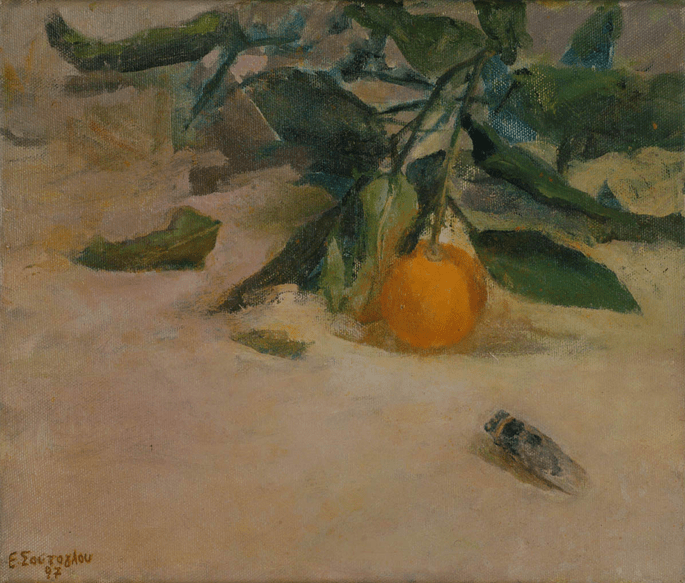
Inspiracja do kreatywnego pisania brzmiała: „Opisz moment pomarańczy”.
Grupa, tak jak bohaterka wiersza, odbyła pasjonującą podróż przez Atlantyk, doświadczając na początku pracy dużego niepokoju związanego z niepewnością drogi, która ją czeka. Wypowiedzi uczestników nawiązywały do ich bardzo intymnych wspomnień. Dominowały uczucia strachu, straty, ciekawości. Relacyjnym tłem pracy grupy była więź dziecka z matką. W chwili gdy, pod postacią pomarańczy, wyłonił się obiekt nadziei, dalsza podroż przez tekst okazała się bardziej komfortowa. Grupa związała się z nim tak bardzo, że pojawił się opór przed powrotem i ponownym odczytaniem tekstu, jednak wyposażona w nadzieję zgodziła się dokonać drugiej lektury, odkrywając inne aspekty wiersza, których wcześniej nie zauważyła pomimo ich silnej aktualnie wymowy (kwarantanna). W opisanym procesie wyłoniła się inspiracja, która odsłoniła wielowymiarową istotę pomarańczy. Szczególnie wyraźny był sensualny obraz owocu. Pomarańcza stała się punktem, wokół którego nadbudowane zostały interpretacje statku, przestrzeni i celu i który otrzymał własną, uosabiającą analizę. Przestrzeń pracy była doświadczeniem transformatywnym, a smak owocu odmienił doświadczenie tekstu.
Zapraszamy do udziału w kolejnych sesjach, których terminy podane są na polskiej podstronie Wirtualnych Grup Narracyjnych. Najbliższa grupa odbędzie się 2 czerwca (wtorek) o godzinie 18:00 – zarejestruj się już dziś.
Wszelkie pytania oraz prośby o organizację indywidualnych grup narracyjnych dla Waszych zespołów można przesyłać na adres: narrativemedicine@cumc.columbia.edu oraz humanistykamedyczna@cm.uj.edu.pl.
Do zobaczenia niebawem!
Philip Levine
Miłosierdzie

Statek, który osiemdziesiąt trzy lata temu przywiózł
moją matkę na Ellis Island, nazywał się „Miłosierdzie”.
Matka pamięta, że próbowała jeść nieobranego
banana i że po raz pierwszy widziała pomarańczę
w rękach młodego szkockiego marynarza,
który dał jej kawałek, wytarł jej usta
czerwoną chustą i nauczył ją słowa „pomarańcza”,
powtarzając je cierpliwie kilka razy.
Długa jesienna podróż, dni pociemniałe
od czarnej wody uspokajającej się z nadejściem nocy,
potem pustka jak okiem sięgnąć
i niezmierzona przestrzeń mknąca na krańce
świata. Modliła się po rosyjsku i w jidysz
o odnalezienie rodziny w Nowym Jorku, modlitwy
niewysłuchane, niezrozumiane lub może zlekceważone
przez wszystkie te moce, które przeganiały fale ciemności,
zanim się obudziła, i utrzymywały „Miłosierdzie” na wodzie,
podczas gdy ospa szalała wśród pasażerów i załogi,
dopóki zmarłych nie pochowano w morzu, odmawiając
dziwne modlitwy w niezrozumiałym dla niej języku.
„Miłosierdzie”, jak przeczytałem na pożółkłych stronach
książki, którą znalazłem w pokoju bez okien
w bibliotece na Czterdziestej Drugiej Ulicy,
stało trzydzieści jeden dni z dala od brzegu,
z powodu kwarantanny, zanim pasażerowie zeszli
na ląd. Tam kończy się ta historia. Inne statki
przypłynęły, „Tancred” z Glasgow, „Neptun”
pod duńską banderą, „Umberto IV”,
lista ciągnie się całymi stronami, listopad ustępuje
zimie, morze uderza w ten obcy brzeg.
Włoscy górnicy z Piemontu kopią
pod miastami zachodniej Pensylwanii,
by znowu odkryć ten sam koszmar,
który pozostawili w domu. Dziewięcioletnia dziewczynka
jedzie całą noc pociągiem z jedną walizką i pomarańczą.
Uczy się, że miłosierdzie jest czymś, co można jeść
i jeść, choć sok spływa po brodzie, co można
wytrzeć wierzchem dłoni i nigdy nie mieć dosyć.

(Wiersz pochodzi z tomu „Miasto marzeń”, Wydawnictwo Znak, Kraków 2013.)
***
Thank you to everyone who joined us for this session!
Together we read “The Mercy”, a poem by Philip Levine, exquisitely translated to Polish by Ewa Hryniewicz-Yarbrough (posted below).
Our prompt for today was: “Describe a moment of the orange.”
The group, very much like the heroine of the poem, went on a fascinating journey across the Atlantic, experiencing strong anxiety at the beginning of the work that was associated with uncertainty of the road ahead. The participants’ voices referred to their very intimate memories. Childhood attachment to one’s mother was a relational background of the group’s work. At the very moment when an object of hope emerged in the figure of the orange, further journey through the text turned out to be much more comfortable. The group’s attachment to the object was so strong that a resistance to returning to the text and reading it once again appeared. However, being equipped with hope, the participants finally expressed their agreement. Thanks to that they discovered new aspects of the poem, which they did not notice before, regardless of their strong and current relevance (quarantine). In this process emerged the prompt, which revealed multidimensional essence of the orange. A sensual image of the fruit was especially visible. The orange became a point in space, around which interpretations of the ship, the space and the goal were built. Even the point itself got an personifying analysis. The space of the work was a transformative experience and the taste of the fruit changed the experience of the text.
Please join us for our next sessions: Friday May 29th, 7pm EDT (in English) and Sunday May 31st, 2pm EDT (in English), with more times listed on our Live Virtual Group Sessions page.
If you have questions, or would like to schedule a personalized narrative medicine session for your organization or team, email us at narrativemedicine@columbia.edu.
We look forward to seeing you again soon!
Philip Levine
The Mercy

The ship that took my mother to Ellis Island
eighty-three years ago was named "The Mercy."
She remembers trying to eat a banana
without first peeling it and seeing her first orange
in the hands of a young Scot, a seaman
who gave her a bite and wiped her mouth for her
with a red bandana and taught her the word,
"orange," saying it patiently over and over.
A long autumn voyage, the days darkening
with the black waters calming as night came on,
then nothing as far as her eyes could see and space
without limit rushing off to the corners
of creation. She prayed in Russian and Yiddish
to find her family in New York, prayers
unheard or misunderstood or perhaps ignored
by all the powers that swept the waves of darkness
before she woke, that kept "The Mercy" afloat
while smallpox raged among the passengers
and crew until the dead were buried at sea
with strange prayers in a tongue she could not fathom.
"The Mercy," I read on the yellowing pages of a book
I located in a windowless room of the library
on 42nd Street, sat thirty-one days
offshore in quarantine before the passengers
disembarked. There a story ends. Other ships
arrived, "Tancred" out of Glasgow, "The Neptune"
registered as Danish, "Umberto IV,"
the list goes on for pages, November gives
way to winter, the sea pounds this alien shore.
Italian miners from Piemonte dig
under towns in western Pennsylvania
only to rediscover the same nightmare
they left at home. A nine-year-old girl travels
all night by train with one suitcase and an orange.
She learns that mercy is something you can eat
again and again while the juice spills over
your chin, you can wipe it away with the back
of your hands and you can never get enough.
(Form P. Levine, “The Mercy”, New York (N.Y.): Alfred A. Knopf, 2011.)







 Connections in Narrative Medicine