Live Virtual Group Session: 6pm EDT April 19th 2021

Thank you to everyone who joined for this session!

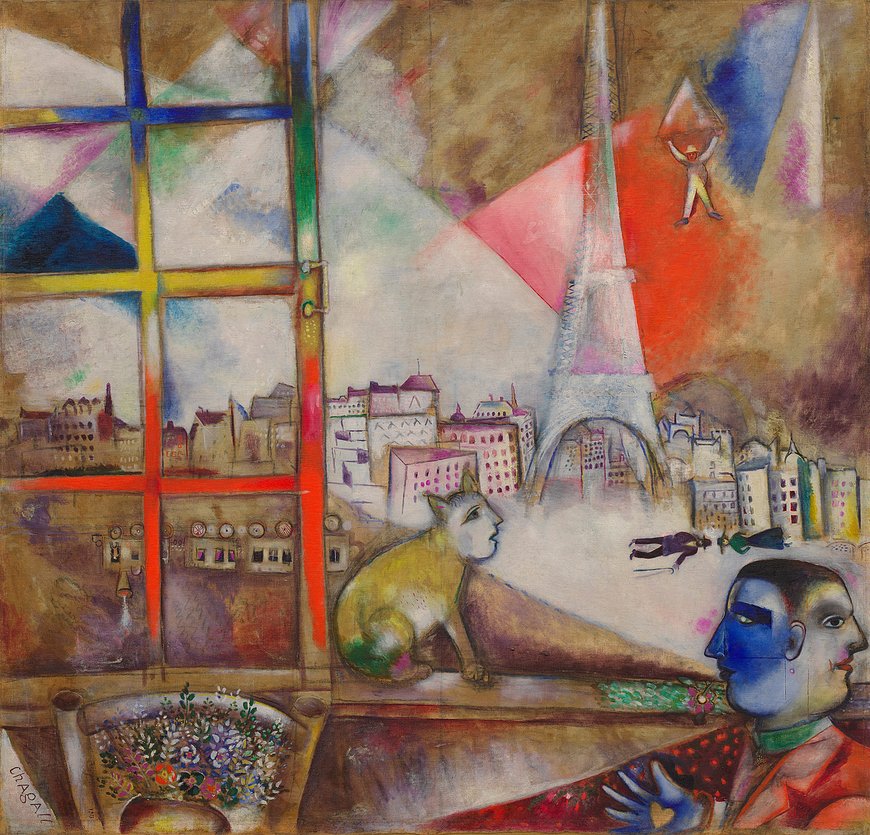
Our text for this session was a revisitation of the poem “Monet Refuses the Operation” by Lisel Mueller, posted below.

Our prompt for this session was two part. The first was to begin your writing with: “Doctor, if only you could see…” The second was to continue with “Doctor, if only I could see…”

More details on this session will be posted, so check back!

Participants are warmly encouraged to share what you wrote below (โ€œLeave a Replyโ€), to keep the conversation going here, bearing in mind that the blog of course is a public space where confidentiality is not assured.

Also, we would love to learn more about your experience of these sessions, so if youโ€™re able, please take the time to fill out a follow-up survey of one to two quick questions!

Please join us for our next session Monday April 26th at 6pm EDT, with more times listed on our Live Virtual Group Sessions page.


Monet Refuses the Operation
BY LISEL MUELLER

Doctor, you say there are no haloes
around the streetlights in Paris
and what I see is an aberration
caused by old age, an affliction.
I tell you it has taken me all my life
to arrive at the vision of gas lamps as angels,
to soften and blur and finally banish
the edges you regret I donโ€™t see,
to learn that the line I called the horizon
does not exist and sky and water,
so long apart, are the same state of being.
Fifty-four years before I could see
Rouen cathedral is built
of parallel shafts of sun,
and now you want to restore
my youthful errors: fixed
notions of top and bottom,
the illusion of three-dimensional space,
wisteria separate
from the bridge it covers.
What can I say to convince you
the Houses of Parliament dissolve
night after night to become
the fluid dream of the Thames?
I will not return to a universe
of objects that donโ€™t know each other,
as if islands were not the lost children
of one great continent.  The world
is flux, and light becomes what it touches,
becomes water, lilies on water,
above and below water,
becomes lilac and mauve and yellow
and white and cerulean lamps,
small fists passing sunlight
so quickly to one another
that it would take long, streaming hair
inside my brush to catch it.
To paint the speed of light!
Our weighted shapes, these verticals,
burn to mix with air
and change our bones, skin, clothes
to gases.  Doctor,
if only you could see
how heaven pulls earth into its arms
and how infinitely the heart expands
to claim this world, blue vapor without end.

Lisel Mueller, "Monet Refuses the Operation" 
from Second Language. 
Copyright ยฉ 1996 by Lisel Mueller.

Encuentros virtuales en vivo: Sรกbado 17 de ABRIL, 13:00 EST (17:00 UTC)

Nos reunimos 17 personas, desde Chile, Grecia, Espaรฑa, Nueva York y Nueva Jersey. Leรญmos el poema En un parรฉntesis, escrito por Diego Medina Poveda y publicado en el libro Sonetos para el fin del mundo conocido (2021, Esdrรบjula Ediciones).

El poema despertรณ muchas emociones diferentes: hizo pensar en la muerte, en lo oculto, en la indeterminaciรณn del tiempo. El parรฉntesis es el tiempo que se para. Nos hizo pensar en este tiempo de pandemia, en el coronavirus, en la obligaciรณn de permanecer en casa. Se hablรณ del modo en que desaparecen las personas que se convierten en cifras de estadรญsticas, en la invisibilidad de las almas, convertidas en decimales, insignificantes. Hablamos del paso del tiempo, de la eternidad de las cosas pequeรฑas. Tambiรฉn se hablรณ del modo en que el poema utiliza palabras que nos recuerdan a los hospitales.

Se mencionaron los diferentes significados que el poema hubiera tenido antes de la pandemia, en comparaciรณn con el momento actual y en la multitud de contrastes que incluye, lo suave y lo duro, lo concreto y lo infinito. El uso de las palabras abstractas para hablar de lo concreto, la muerte encerrada en el marco del amor, la eternidad.

Para el ejercicio de escritura propusimos como tรญtulo: โ€œEscribe acerca de un parรฉntesisโ€. El parรฉntesis apareciรณ como escape, pero tambiรฉn como lugar de vida, como alivio. El parรฉntesis como vida pero que no permite escapar y tambiรฉn como lugar que se diluye.

Disfrutamos de un momento compartido, muy enriquecedor, un parรฉntesis en el flujo de nuestras vidas, en el que el tiempo se hizo corto y no todos los que lo desearon pudieron participar.

Se alienta a las/los participantes a compartir lo que escribieron a continuaciรณn (โ€œDeja una respuestaโ€), para mantener la conversaciรณn aquรญ, teniendo en cuenta que el blog, por supuesto, es un espacio pรบblico donde no se garantiza la confidencialidad.

Por favor, รบnase a nosotros para nuestra prรณxima sesiรณn en espaรฑol: Sรกbado, 15 de mayo a las 13:00 EDT (17:00 UTC) (inscrรญbete aqui), con mรกs veces listadas en inglรฉs en nuestra pรกgina deย sesiones grupales virtuales en vivo.

ยกEsperamos verte pronto!


Nuestros textos fueron En un parรฉntesis (A รngela P. Mรฉndez)

En una eternidad
de 27 metros cuadrados
transita nuestro amor por el espacio.

Se esboza con aliento en las ventanas 
un silencio de muerte, una asรฉptica 
melodรญa del tacto y de las pieles.
Y aunque hace frรญo
guardamos la esperanza en la nevera.

El tiempo pasa cada quince dรญas.
El eco se retuerce en los balcones.
La noche llega muda โ€”no se la oyeโ€”
sigilosa ensombrece nuestros ojos
con una herida exangรผe,
con una fรบnebre aritmรฉtica 
		del fracaso.

El cuerpo es una cifra
(afuera โ€”asรณmateโ€” no hay ni un alma), 
el alma solo existe
en una absurda sucesiรณn
		de decimales.

Orbita nuestro amor en un parรฉntesis (โ€ฆ)
Alguien ha escrito el signo de esta historia 
con puntos suspensivos.

Live Virtual Group Session: 12pm EDT April 14th 2021

Thank you to everyone who joined for this session!

Todayโ€™s narrative journey started with an excerpt from the NY Times โ€œOpinionโ€ essayย โ€œYou Can Hear the Whistle Blow a Hundred Milesโ€ย by Margaret Renkl, posted below. โ€œTell me something about this personโ€ opened up our discussion of the female narrator who seemed to be on a train at night, and possibly in a state of uncertainty. On the surface, โ€œI know you think Iโ€™m making this upโ€ and โ€œmisrememberingโ€ made us consider the narratorโ€™s reliability, and reflect on why/if that was problematic as reader/listeners. We returned to the text and recognized what was there (a book, a light, darkness, a harmonica) as well as what wasnโ€™t there (people gazing at phones, iPads, or laptops). This created for us a sense of nostalgic sight-and-soundtracks that evoked camp songs, train songs, and a respect for the narratorโ€™s imagination. We avoided the temptation to โ€œdiagnoseโ€ the narrator, although โ€œMy eyes suddenly too blurred to readโ€ made us wonder if it was a moment of fatigue, sadness, crying, longing or a combination.

Our prompt for this session was: โ€œDescribe an aching kind of sound.โ€

One reflection was a brief-yet-detailed cinematic journey that started with a door creaking on hinges โ€œas old as our relationshipโ€ and then shutting, as a figure lay in the bed under the sheets. We also heard a story that started with the excitement of impending birth and moved us through the fear and anxiety of labor as we heard the long, low, unearthly moan that signifies motherhood. Another reflection explored the aching sound of a childhood memory, being in bed and hearing a distant train whistle โ€” silence that is heavy, broken by sadness and longing; but also feeling like a warm blanket, a time now lost bringing both ache and comfort. Another writer shared a moment while โ€œchopping veggiesโ€ that quickly felt like being โ€œcut to piecesโ€ by the blaring sound of a song once โ€œoursโ€ no longer being shared. And one reflection brought us back to our present experience in โ€œlockdownโ€ when a plaintive melody once familiar, is now changed forever to a sound of grief for our losses.

A closing comment in the chat apropos to Narrative Medicine pointed out that each of us is like an individual instrument adding our voice or clear notes to the music, responding to the aching sounds/voices that we hear through our Narrative Work.

Participants are warmly encouraged to share what you wrote below (โ€œLeave a Replyโ€), to keep the conversation going here, bearing in mind that the blog of course is a public space where confidentiality is not assured.

Also, we would love to learn more about your experience of these sessions, so if youโ€™re able, please take the time to fill out a follow-up survey of one to two quick questions!

Please join us for our next sessionย Monday April 19th at 6pm EDT,ย with more times listed on ourย Live Virtual Group Sessionsย page.


When they turned off the cabin lights and my seatmate closed her eyes to sleep, I tucked my book under my arm and made my way to the club car. There the overhead lights were off, too, but a single light shone above the table at each booth. A few people were reading. One was playing a hand of solitaire. I donโ€™t remember if nobody was talking, or if the sound of the train moving down the tracks simply masked their quiet voices. โ€œIf you miss the train Iโ€™m on, you will know that I am gone.โ€

As I made my way to an open booth, darkness gathered outside the windows and in the corners of the car. Darkness swept across the floor and curled around the ceiling, and thatโ€™s when an old man at the far end of the car started to play a slow, sad song on the harmonica. It was the kind of music that fills a silence with longing and gives a voice to loneliness, and without needing any words at all. The aching kind of sound you would swear you could hear a hundred miles.

I know you think Iโ€™m making this up, or only misremembering myself as the tragic heroine of a movie where Willie Nelson plays a cameo role. But this part of the story I remember perfectly. Those thin, plaintive notes reached through the shadows and found me as I sat down alone, my eyes suddenly too blurred to read.

Margaret Renkl, You Can Hear the Whistle Blow a Hundred Miles, NYT April 2021


ฮ–ฯ‰ฮฝฯ„ฮฑฮฝฮฎ ฯƒฯ…ฮฝฮตฮดฯฮฏฮฑ ฮฑฯ†ฮทฮณฮทฮผฮฑฯ„ฮนฮบฮฎฯ‚ ฮนฮฑฯ„ฯฮนฮบฮฎฯ‚: ฮคฯฮฏฯ„ฮท, 13 ฮ‘ฯ€ฯฮนฮปฮฏฮฟฯ…, 8:30 pm EEST

ฮฃฮฑฯ‚ ฮตฯ…ฯ‡ฮฑฯฮนฯƒฯ„ฮฟฯฮผฮต ฯ€ฮฟฯ… ฯƒฯ…ฮผฮผฮตฯ„ฮตฮฏฯ‡ฮฑฯ„ฮต ฯƒฮต ฮฑฯ…ฯ„ฮฎฮฝ ฯ„ฮท ฯƒฯ…ฮฝฮตฮดฯฮฏฮฑ.

ฮšฮตฮฏฮผฮตฮฝฮฟ: ฮœฮฑฮปฮฒฮฏฮฝฮฑ ฮšฮฌฯฮฑฮปฮท, ยซฮ™ฮฝฯ„ฮตฯฮผฮญฮดฮนฮฟ (ฮบฮฑฮน ฮผฮนฯƒฯŒ ฯ€ฮปฮฌฮฝฮฟ)ยป, ฮˆฯฯ‰ฯ„ฮฑฯ‚ ฮบฮฑฮน ฮฌฮปฮปฮตฯ‚ ฯ€ฮฟฮปฮตฮผฮนฮบฮญฯ‚ ฯ„ฮญฯ‡ฮฝฮตฯ‚ (1996)

ฮ˜ฮญฮผฮฑ: ยซฮ“ฯฮฌฯˆฯ„ฮต ฮณฮนฮฑ ฮญฮฝฮฑ ฯ€ฮปฮฌฮฝฮฟ ฯ€ฮฟฯ… ฮธฮฑ ฮธฮญฮปฮฑฯ„ฮต ฮฝฮฑ ฮฑฯ€ฮฑฮธฮฑฮฝฮฑฯ„ฮฏฯƒฮตฯ„ฮตยป

ฮฃฯฮฝฯ„ฮฟฮผฮฑ ฮธฮฑ ฮผฮฟฮนฯฮฑฯƒฯ„ฮฟฯฮผฮต ฯ€ฮตฯฮนฯƒฯƒฯŒฯ„ฮตฯฮตฯ‚ ฯ€ฮปฮทฯฮฟฯ†ฮฟฯฮฏฮตฯ‚ ฯƒฯ‡ฮตฯ„ฮนฮบฮฌ ฮผฮต ฮฑฯ…ฯ„ฮฎฮฝ ฯ„ฮท ฯƒฯ…ฮฝฮตฮดฯฮฏฮฑ, ฮณฮน โ€˜ฮฑฯ…ฯ„ฯŒ ฮตฯ€ฮนฯƒฯ„ฯฮญฯˆฯ„ฮต ฮพฮฑฮฝฮฌ.

ฮฃฮฑฯ‚ ฯ€ฯฮฟฯƒฮบฮฑฮปฮฟฯฮผฮต ฮฝฮฑ ฮผฮฟฮนฯฮฑฯƒฯ„ฮตฮฏฯ„ฮต ฯ„ฮฑ ฮณฯฮฑฯ€ฯ„ฮฌ ฯƒฮฑฯ‚ ฮผฮฑฮถฮฏ ฮผฮฑฯ‚ ฯ€ฮฑฯฮฑฮบฮฌฯ„ฯ‰.

ฮšฮฑฮปฮฟฯฮผฮต ฯŒฮปฮตฯ‚ ฮบฮฑฮน ฯŒฮปฮฟฯ…ฯ‚ ฯ€ฮฟฯ… ฯƒฯ…ฮผฮผฮตฯ„ฮตฮฏฯ‡ฮฑฯ„ฮต ฮฝฮฑ ฮผฮฟฮนฯฮฑฯƒฯ„ฮตฮฏฯ„ฮต ฯŒฯƒฮฑ ฮณฯฮฌฯˆฮฑฯ„ฮต ฮบฮฑฯ„ฮฌ ฯ„ฮท ฮดฮนฮฌฯฮบฮตฮนฮฑ ฯ„ฮทฯ‚ ฯƒฯ…ฮฝฮตฮดฯฮฏฮฑฯ‚ ฮผฮฑฯ‚ ฯ€ฮฑฯฮฑฮบฮฌฯ„ฯ‰ (โ€œLeave a replyโ€) ฮบฮฑฮน ฮฝฮฑ ฮบฯฮฑฯ„ฮฎฯƒฮฟฯ…ฮผฮต ฮฑฯ…ฯ„ฮฎ ฯ„ฮทฮฝ ฯ„ฯŒฯƒฮฟ ฮตฮฝฮดฮนฮฑฯ†ฮญฯฮฟฯ…ฯƒฮฑ ฯƒฯ…ฮถฮฎฯ„ฮทฯƒฮฎ ฮผฮฑฯ‚ ฮถฯ‰ฮฝฯ„ฮฑฮฝฮฎ, ฯ…ฯ€ฮตฮฝฮธฯ…ฮผฮฏฮถฮฟฮฝฯ„ฮฌฯ‚ ฯƒฮฑฯ‚, ฮฒฮตฮฒฮฑฮฏฯ‰ฯ‚, ฯŒฯ„ฮน ฮฑฯ…ฯ„ฮฎ ฮตฮฏฮฝฮฑฮน ฮผฮนฮฑ ฮดฮทฮผฯŒฯƒฮนฮฑ ฯ€ฮปฮฑฯ„ฯ†ฯŒฯฮผฮฑ ฮบฮฑฮน ฮท ฯ€ฯฯŒฯƒฮฒฮฑฯƒฮท ฮฑฮฝฮฟฮนฯ‡ฯ„ฮฎ ฯƒฯ„ฮฟ ฮบฮฟฮนฮฝฯŒ.

ฮ˜ฮฑ ฮธฮญฮปฮฑฮผฮต ฮฝฮฑ ฮผฮฌฮธฮฟฯ…ฮผฮต ฯ€ฮตฯฮนฯƒฯƒฯŒฯ„ฮตฯฮฑ  ฮณฮนฮฑ ฯ„ฮทฮฝ ฮตฮผฯ€ฮตฮนฯฮฏฮฑ ฯƒฮฑฯ‚ ฮผฮต ฮฑฯ…ฯ„ฮญฯ‚ ฯ„ฮนฯ‚ ฯƒฯ…ฮฝฮตฮดฯฮฏฮตฯ‚. ฮ‘ฮฝ ฯ„ฮฟ ฮตฯ€ฮนฮธฯ…ฮผฮตฮฏฯ„ฮต, ฯ€ฮฑฯฮฑฮบฮฑฮปฮฟฯฮผฮต ฮฑฯ†ฮนฮตฯฯŽฯƒฯ„ฮต ฮปฮฏฮณฮฟ ฯ‡ฯฯŒฮฝฮฟ ฯƒฮต ฮผฮนฮฑ ฯƒฯฮฝฯ„ฮฟฮผฮท ฮญฯฮตฯ…ฮฝฮฑ ฮดฯฮฟ ฮตฯฯ‰ฯ„ฮฎฯƒฮตฯ‰ฮฝ!

ฮ‘ฮบฮฟฮปฮฟฯ…ฮธฮฎฯƒฯ„ฮต ฯ„ฮฟฮฝ ฯƒฯฮฝฮดฮตฯƒฮผฮฟ: https://tinyurl.com/nmedg-survey


ฮ™ฮฝฯ„ฮตฯฮผฮญฮดฮนฮฟ (ฮบฮฑฮน ฮผฮนฯƒฯŒ ฯ€ฮปฮฌฮฝฮฟ)

            ฮ”ฯฮฟ ฮฒฮฎฮผฮฑฯ„ฮฑ ฮฑฯ€ฯŒ ฯ„ฮฟ ฯƒฯ€ฮฏฯ„ฮน ฮผฮฟฯ…, ฯƒฯ„ฮญฮบฮฟฮผฮฑฮน ฯƒฯ„ฮฟ ฯ„ฮตฯŠฮฟฯ€ฮฟฯ„ฮตฮฏฮฟ ฮฝฮฑ ฯ€ฮนฯ‰ ฮญฮฝฮฑ ฯ€ฮฑฮณฯ‰ฮผฮญฮฝฮฟ ฯƒฮฟฯ… ฯƒฮฟฮฝฮณฮบ ฯƒฮตฯฮฒฮนฯฮนฯƒฮผฮญฮฝฮฟ ฯƒฮต ฮฒฮนฮบฯ„ฮฟฯฮนฮฑฮฝฯŒ ฯ†ฮปฮนฯ„ฮถฮฌฮฝฮน. ฮคฮน ฯ‰ฯฮฑฮฏฮฟ ฮถฮตฯ…ฮณฮฌฯฮน ฮตฮฏฮฝฮฑฮน ฮฑฯ…ฯ„ฯŒ ฯƒฯ„ฮท ฮฒฮนฯ„ฯฮฏฮฝฮฑ, ฮดฮทฮปฮฑฮดฮฎ ฯƒฯ„ฮฟ ฮณฯ‰ฮฝฮนฮฑฮบฯŒ ฯ„ฯฮฑฯ€ฮญฮถฮน, ฮดฮฏฯ€ฮปฮฑ ฯƒฯ„ฮท ฯ„ฮถฮฑฮผฮฑฯฮฏฮฑ. ฮ‘ฯ…ฯ„ฮฎ ฯƒฮฑฮฝ ฯ„ฮท ฮฃฮฏฮผฯ€ฮตฯฮณฮบ ฯƒฯ„ฮฟ ฯ€ฮนฮฟ ฮผฮตฯƒฮฟฮณฮตฮนฮฑฮบฯŒ, ฮตฮบฮตฮฏฮฝฮฟฯ‚ ฮฑฮฝฯ„ฮนฯ€ฯฮฟฯƒฯ‰ฯ€ฮตฯ…ฯ„ฮนฮบฯŒฯ‚ ฮฌฮฝฯ„ฯฮฑฯ‚ ฯ€ฮฑฮปฮนฮฌฯ‚ ฯƒฯ‡ฮฟฮปฮฎฯ‚โ€”ฮบฮฑฮน ฮฟฮน ฮดฯ…ฮฟ ฯ„ฮฟฯ…ฯ‚ ฮบฮฟฯ…ฮบฮปฮฌฮบฮนฮฑ. ฮšฮฟฮนฯ„ฮฌฮถฮฟฮฝฯ„ฮฑฮฝ ฯƒฯ„ฮฑ ฮผฮฌฯ„ฮนฮฑ ฮบฮฑฮน ฯ†ฮฟฯฮฟฯฯƒฮฑฮฝ ฯŒฮผฮฟฯฯ†ฮฑ ฯฮฟฯฯ‡ฮฑ, ฮบฮฑฮน ฯƒฯ„ฮฑ ฯ€ฯŒฮดฮนฮฑ ฯ„ฮฟฯ…ฯ‚ ฮฎฯ„ฮฑฮฝ ฮพฮฑฯ€ฮปฯ‰ฮผฮญฮฝฮฟฯ‚ ฮญฮฝฮฑฯ‚ ฯ…ฯ€ฮญฯฮฟฯ‡ฮฟฯ‚ ฮ‘ฮปฯƒฮฑฯ„ฯŒฯ‚ ฯƒฮบฯฮปฮฟฯ‚ ฮผฮต ฮผฮฌฯ„ฮนฮฑ ฮบฮฑฯ„ฮฑฮณฮฌฮปฮฑฮฝฮฑ. ฮฃฯ„ฮญฮบฮฟฮผฮฑฮน ฮบฮฑฮน ฯ„ฮฟฯ…ฯ‚ ฮบฮฟฮนฯ„ฮฌฮถฯ‰ (ฮบฮฑฮน ฮดฮตฮฝ ฮตฮฝฮฝฮฟฯŽ ฯ€ฯ‰ฯ‚ ฯ„ฮฟฯ…ฯ‚ ฯ€ฮฑฯฮฑฯ„ฮทฯฯŽ ) ฮบฮฑฮน ฯ„ฯŒฯ„ฮตโ€”ฮบฮฑฯ„ฮฑฯƒฯ„ฯฮฟฯ†ฮฎ, ฮฟ ฯƒฮบฯฮปฮฟฯ‚ ฯƒฮทฮบฯŽฮฝฮตฯ„ฮฑฮน, ฮฑฯ€ฮฟฮผฮฑฮบฯฯฮฝฮตฯ„ฮฑฮน, ฮฒฮณฮฑฮฏฮฝฮตฮน ฮฑฯ€ฯŒ ฯ„ฮฟ ฯ€ฮปฮฌฮฝฮฟ ฮผฮฟฯ….

            ยซฮžฮฑฮฝฮฑฮผฯ€ฮญฯ‚, ฯƒฮบฯฮปฮต, ฯƒฯ„ฮฟ ฯ€ฮปฮฌฮฝฮฟยป, ฯ€ฮฑฯฮฑฮบฮฑฮปฮฌฯ‰. ฮคฮฏฯ€ฮฟฯ„ฮฑ ฮฑฯ…ฯ„ฯŒฯ‚. ยซฮžฮฑฮฝฮฑฮผฯ€ฮญฯ‚, ฮฒฯฮต ฮผฯ€ฮฌฯƒฯ„ฮฑฯฮดฮตยป, ฯƒฮทฮผฮฑฯƒฮฏฮฑ ฯ„ฮฟ ฮบฮฑฮธฮฑฯฯŒฮฑฮนฮผฮฟ. ฮ— ฮตฮนฮบฯŒฮฝฮฑ ฮผฮฟฯ… ฯ€ฮฌฮตฮน, ฮดฮนฮฑฮปฯฮธฮทฮบฮต, ฮฑฮปฮปฮฌ ฮฑฯ…ฯ„ฯŒ ฯ„ฮฟ ฮผฮนฯƒฮฟฮฌฮดฮตฮนฮฟ ฮบฮฌฮดฯฮฟ ฮดฮตฮฝ ฮฎฯ„ฮฑฮฝ ฯ€ฮฟฮปฯ ฯ‡ฮตฮนฯฯŒฯ„ฮตฯฮฟ ฮฑฯ€ฯŒ ฯ„ฮฟ ฮฌฮปฮปฮฟ: ฮœฮนฮฑ ฯ†ฮฟฯฮฌ ฮตฮฏฯ‡ฮฑ ฮดฮตฮน ฮญฮฝฮฑ ฮบฮฑฮธฮฑฯฯŒฮฑฮนฮผฮฟ ฯƒฮบฯ…ฮปฮฏ ฮฝฮฑ ฯƒฯ…ฮฝฮฟฮดฮตฯฮตฮน ฯ„ฮฟฮฝ ฯ€ฮนฮฟ ฮฟฯ…ฮดฮญฯ„ฮตฯฮฟ ฮบฮฑฮน ฮฑฯ€ฯฮฟฯƒฮดฮนฯŒฯฮนฯƒฯ„ฮทฯ‚ ฯฮฌฯ„ฯƒฮฑฯ‚ ฮฌฮฝฮธฯฯ‰ฯ€ฮฟ. ฮŽฯƒฯ„ฮตฯฮฑ ฯ€ฮฑฯฮฑฯ„ฮฎฯฮทฯƒฮฑ ฯ„ฮฟฮฝ ฮบฮฑฮฝฯŒฮฝฮฑ.


Live Virtual Group Session: 6pm EDT April 12th 2021

Thank you to everyone who joined for this session!

Our text was an excerpt from โ€œMeditations for a Savage Childโ€ by Adrienne Rich from her collection Diving into the Wreck, posted below.

Our prompt for this session was: โ€œWrite about no longer knowing.โ€

More details on this session will be posted, so check back!

Participants are warmly encouraged to share what you wrote below (โ€œLeave a Replyโ€), to keep the conversation going here, bearing in mind that the blog of course is a public space where confidentiality is not assured.

Also, we would love to learn more about your experience of these sessions, so if youโ€™re able, please take the time to fill out a follow-up survey of one to two quick questions!

Please join us for our next session Wednesday April 14th at 12pm EDT, with more times listed on our Live Virtual Group Sessions page.


II.  
from โ€œMeditations for a Savage Childโ€

I keep thinking about the lesson of the human ear
which stands for music, which stands for balance-
or the catโ€™s ear which I can study better
the whorls and ridges exposed 
It seems a hint dropped about the inside of a skull
which I cannot see
lobe, zone, that part of the brain
which is pure survival

The most primitive part
I go back into at night
pushing the leathern curtain
with naked fingers
then 
with naked body 

There every wound is registered
as scar tissue

A cave of scars!
ancient, archaic wallpaper
built up, layer on layer
from the earliest, dream-white
to yesterdayโ€™s a red-black scrawl
a red mouth slowly closing

Go back so far there is another language
go back far enough the language
is no longer personal

these scars bear witness
but whether to repair
or to destruction
I no longer know

from Diving Into the Wreck (1971-1972)
By Adrienne Rich


Laboratori Di Medicina Narrativa: sabato 10 Aprile dalle 16 alle 17.30

Siamo stati molto lieti di avervi qui con noi!

Abbiamo letto insieme la poesia “Dopo Marx, Aprile” di Giuseppe Conte (allegato al termine di questa pagina)ย ย 

In seguito, abbiamo usato il prompt “Scrivi sulla rinascita delle cose”.

Condivideremo ulteriori dettagli della sessione nei prossimi giorni; vi invitiamo a rivisitare questa pagina nei prossimi giorni!

Invitiamo i partecipanti del laboratorio a condividere i propri scritti nella parte “blog” dedicata alla fine della presente pagina (“Leave a Reply”). Speriamo di creare, attraverso questo forum di condivisione, uno spazio in cui continuare la nostra conversazione!

Stiamo raccogliendo impressioni e breve feedback sui nostri laboratori di medicina narrativa su Zoom!

Questo breve questionario (anonimo, e aperto a chiunque abbia frequentato almeno un laboratorio) รจ molto importante per noi, e ci permetterร  di elaborare sul valore dei nostri laboratori e sul ruolo dello spazio per riflettere e metabolizzare il momento presente. Vi preghiamo quindi di condividere le nostre riflessioni con noi!


Live Virtual Group Session: 12pm EDT April 9th 2021

Thank you to everyone who joined for this session!

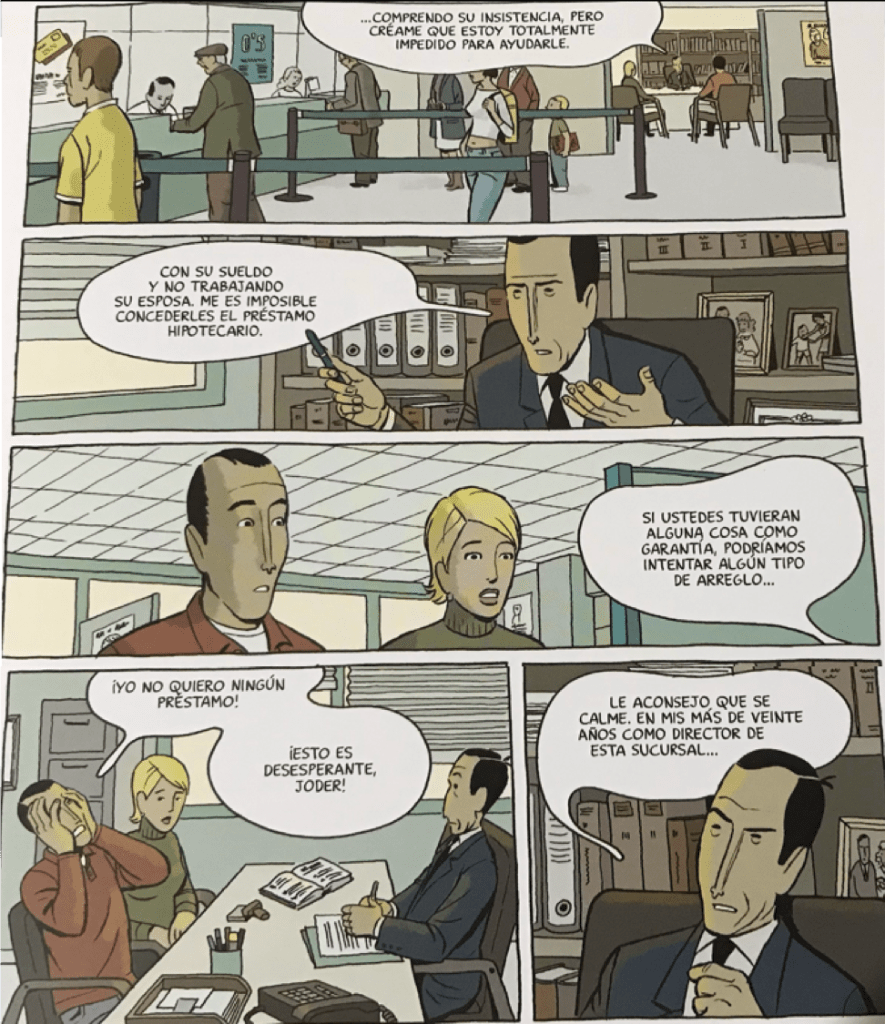
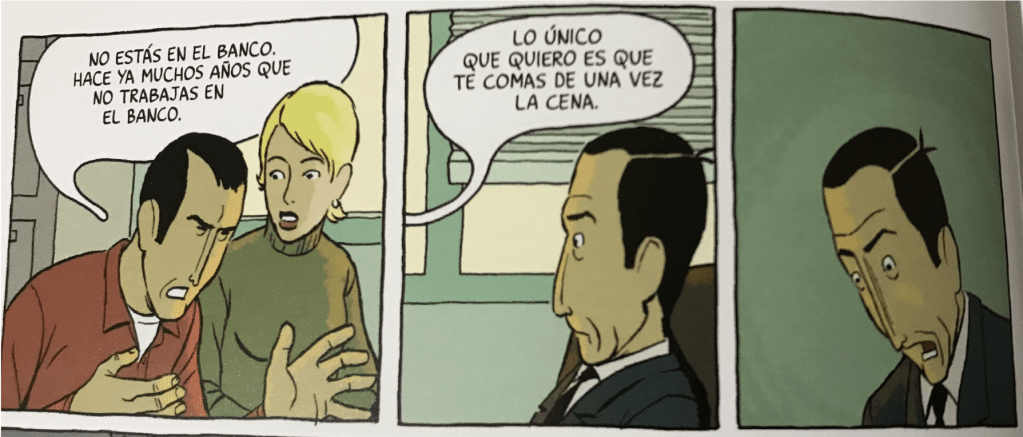
Our text was a page from the manga graphic novel Dementia 21 by Shintaro Kago, posted below.

Our prompt for this session, again, was: โ€œWrite about the number one job.โ€

More details on this session will be posted, so check back!

Participants are warmly encouraged to share what you wrote below (โ€œLeave a Replyโ€), to keep the conversation going here, bearing in mind that the blog of course is a public space where confidentiality is not assured.

Also, we would love to learn more about your experience of these sessions, so if youโ€™re able, please take the time to fill out a follow-up survey of one to two quick questions!

Please join us for our next session Monday April 12th at 6pm EDT, with more times listed on our Live Virtual Group Sessions page.


Dementia 21 by Shintaro Kago


Live Virtual Group Session: 6pm EST April 5th 2021

Thank you to everyone who joined for this session! In honor of just having passed our one-year anniversary of launching our virtual group sessions, we are revisiting a text that was unfortunately interrupted one year ago.

That text is โ€œThe Mailmanโ€ by Nazim Hikmet, posted below.

Our prompt for this session, again, was: โ€œWrite a letter youโ€™d like to deliver.โ€

More details on this session will be posted, so check back!

Participants are warmly encouraged to share what you wrote below (โ€œLeave a Replyโ€), to keep the conversation going here, bearing in mind that the blog of course is a public space where confidentiality is not assured.

Also, we would love to learn more about your experience of these sessions, so if youโ€™re able, please take the time to fill out a follow-up survey of one to two quick questions!

Please join us for our next sessionย Friday April 9th at 12pm EDT,ย with more times listed on ourย Live Virtual Group Sessionsย page.


The Mailman, Nazim Hikmet ย from Hungarian travel notes
Author(s): NAZIM HIKMET, Randy Blasing and Mutlu Konuk
Source: The American Poetry Review, Vol. 23, No. 2 (MARCH/APRIL 1994), pp. 38-39
Published by: Old City Publishing, Inc.
ย 
Whether at dawn or in the middle of the night,
I've carried people news
โ€“ of other people, the world, and my country,
               of trees, the birds and the beasts โ€“
                               in the bag of my heart.
I've been a poet,
                which is a kind of mailman.
As a child, I wanted to be a mailman,
not via poetry or anything
but literally โ€“ a real mail carrier.
In geography books and Jules Verne's novels
my colored pencils drew a thousand different pictures
                 of the same mailmanโ€“ Nazim.
Here, I'm driving a dogsled
                                                            over ice,
canned goods and mail packets
                                                           glint in the Arctic twilight:
I'm crossing the Bering Strait.
Or here, under the shadow of heavy clouds on the steppe,
I'm handing out mail to soldiers and drinking kefir.
Or here, on the humming asphalt of a big city,
I bring only good news
                                                                 and hope.
Or I'm in the desert, under the stars,
a little girl lies burning up with fever,
and there's a knock on the door at midnight:
"Mailman!"
The little girl opens her big blue eyes:
her father will come home from prison tomorrow.
I was the one who found that house in the snowstorm
and gave the neighbor girl the telegram.
As a child, I wanted to be a mailman.
But it's a difficult art in my Turkey.
In that beautiful country
                a mailman bears all manner of pain in telegrams
                                and line on line of grief in letters.
As a child, I wanted to be a mailman.
I got my wish in Hungary at fifty.
Spring is in my bag, letters full of the Danube's shimmer,
                                                                  the twitter of birds,
and the smell of fresh grass โ€“
letters from the children of Budapest
                                to children in Moscow.
Heaven is in my bag . . .
One envelope
writes:
"Memet, Nazim Hikmet's son,
                                 Turkey."
Back in Moscow I'll deliver the letters
to their addresses one by one.
Only Memet's letter I can't deliver
or even send.
Nazim's son,
highwaymen block the roads โ€“
                                 your letter can't get through.

Live Virtual Group Session: 12pm EDT March 31st 2021

Thank you to everyone who joined us for this session!

Our text for this session was the poemย Perennialsย by Maggie Smith, posted below.

Our prompt was: “Write about something you praise.

More details on this session will be posted, so check back!

Participants are warmly encouraged to share what you wrote below (โ€œLeave a Replyโ€), to keep the conversation going here, bearing in mind that the blog of course is a public space where confidentiality is not assured.

Also, we would love to learn more about your experience of these sessions, so if youโ€™re able, please take the time to fill out a follow-up survey of one to two quick questions!

Please join us for our next sessionย Monday April 5th at 6pm EDT,ย with more times listed on ourย Live Virtual Group Sessionsย page.


Perennials by Maggie Smith

Let us praise the ghost gardens
of Gary, Detroit, Toledoโ€”abandoned

lots where perennials wake
in competent dirt and frame the absence

of a house. You can hear
the sound of wind, which isnโ€™t

wind at all, but leaves touching.
Wind itself canโ€™t speak. It needs another

to chime against, knock around.
Again and again the wind finds its tongue,

but its tongue lives outside
of its rusted mouth. Forget the wind.

Let us instead praise meadow and ruin,
weeds and wildflowers seeding

years later. Let us praise the girl
who lives in what they call

a transitional neighborhoodโ€”
another way of saying not dead?

Or risen from it? Before running
full speed through the sprinklerโ€™s arc,

she tells her mother, who kneels
in the garden: Pretend Iโ€™m racing

someone else. Pretend Iโ€™m winning.


Copyright ยฉ 2018 Maggie Smith. 
This poem originally appeared in The Southern Review, Summer 2018.

Live Virtual Group Session: 6pm EDT March 29th 2021

Thank you to everyone who joined us for this session!

Our text for this session was an excerpt from Who Will Run the Frog Hospital? by Lorrie Moore, posted below.

For prompts, we had a choice between: โ€œWrite about being strung along the same wire of a song.โ€ or “Write about being stuck deep in the brain and low in the spine.”

More details on this session will be posted, so check back!

Participants are warmly encouraged to share what you wrote below (โ€œLeave a Replyโ€), to keep the conversation going here, bearing in mind that the blog of course is a public space where confidentiality is not assured.

Also, we would love to learn more about your experience of these sessions, so if youโ€™re able, please take the time to fill out a follow-up survey of one to two quick questions!

Please join us for our next sessionย Wednesday March 31st at 12pm EDT,ย with more times listed on ourย Live Virtual Group Sessionsย page.


From Lorrie Mooreโ€™s (1994) Who Will Run the Frog Hospital?

There was an April afternoon, when I was in the tenth grade when the Girlsโ€™ choir had to meet for its final rehearsal before the spring concert. The sun was pouring in through the gym windows, and when we took our places on the bleachers we were standing in it, like something celestial lowered in. Our director, Miss Field, began to wave her arms at us, and a strange spell came over our throats. Our nerves tightened and all the bones of our ears fell in line. It was Miss Fieldโ€™s own arrangement of a Schubert rhapsody, and the notes, for once, took flight.  I didnโ€™t, couldnโ€™t, catch Silsโ€™s eyeโ€”she was standing over with the sopranosโ€”but it didnโ€™t matter, I didnโ€™t have to, because this wasnโ€™t personal, this singing, this light, this was girls, after weeks of rehearsal celebrating the ethereal work of their voices, the bellโ€“like, birdlike, childโ€“sound they could still make so strongly in unison. Strung along the same wire of song, we lost ourselves; out of separate rose and lavender mouths we formed a single living thing, like a hyacinth. It seemed even then a valedictory chorus to our childhood and struck us deep in the brain and low in the spine, like a call, and in its wave and swell lifted us, I swear, to the ceiling in astonishment and bliss, we sounded that beautiful. All of us could hear it, aloft in the bliss of it, no boys, no parents in the room, no one else to tell us, though we never managed to sound that beautiful again. In all my life as a womanโ€”which began soon after, and not unrichly, I have never known such a moment. Though sometimes in my brain I go back to that afternoon, to relive it, sail up there again toward the acoustic panels, the basketball hoops, and the old oak clock, the careful harmonies set loose from our voices so pure and exact and light we wondered later, packing to leave, how high and fast and far they had gone.