Narrative Medicine Book Club: Passing, Week 3

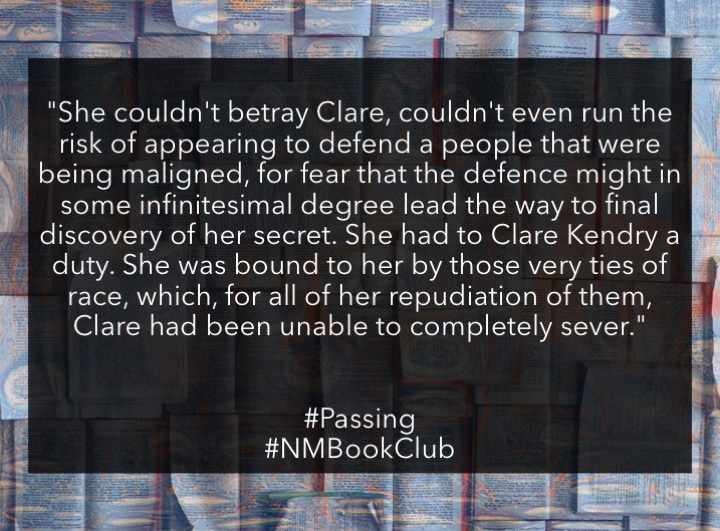
Derek: A quandry, a dilemma, a Catch-22 โ€” Irene seems to be caught in a swirl where standing up for her race could lead to the downfall of Clare and their mysterious bond.


Carmen: And yet she does protect Clare – She demonstrates a fierce loyalty to a principle to protect or ‘side’ with one’s race and it forces her to choose a person (of her own race), of whom she clearly disapproves and struggles with her resentment over it. Clare cares nothing for the race, “she only belongs to it.” That’s got to hurt…or at least make her angry.

For Week 4 next week, May 2nd-9th, we’re reading Part 2 Chapters 3 and 4!

If you donโ€™t already have your copy, books can be purchased from theย publisher, direct from your local indie bookstore, or throughย indiebound.orgย orย bookshop.org. If you want to join in the book club discussion, you can respond hereย or on social media usingย #NMBookClub.


Live Virtual Group Session: 12pm EDT April 30th 2021

Participants from NJ, NY, TX, KY, PA, ME, MI, and Turkey joined our session to discuss the poemย โ€œChilly in our Gownsโ€ byย Maryfrances Wagner, posted below.

Discussion of the text immediately went to the contrast between the first lines and the latter portion of the poem, which evoked not just an intimacy that is then mourned, but also seems to evoke a nostalgia for the past, for time, with the comparing of tomato yields and even the retro-Americana quality to the meal of a burger and a malt.

Time was also noted as weighted in the phrase โ€œno longer,โ€ which not only articulated change and temporality, but a possible shift in identity from doctor and ferryman to โ€œsinkingโ€ as something else under the overwhelm of scheduling. Of course mortality was noted as present in the allusion of the ferryman as well, and one participant noticed the coldness of the language, beyond just the chill from the gowns, where the narrator โ€œscuttlesโ€ from the room in an alien fashion, and the โ€œlaying on of handsโ€ is replaced by others โ€œdoing his touching.โ€ Mirroring the physical distance, the doctor is also distracted, mysteriously, by a quick โ€œbrownโ€ study that pulls his attention to the window in this new environment.

And yet, another participant noted that the tone of the narrator seems to be sympathetic to the doctor, attempting to see from his viewpoint of โ€œsinkingโ€ and being โ€œbehind,โ€ even if it does leave the narrator to navigate the โ€œmurky waters of fearโ€ more alone. Many participants noted that this points to the systemic issues in medicine, not just with overburdened doctors, but with teams of care fractured from each other and the patient for the sake of efficiency and profit: the โ€œnurse takes my blood pressureโ€ and โ€œthe technicians do his touchingโ€ and the โ€œreceptionist assures me the nurse will call.โ€ These observations illuminated not just what was powerful in the poem, but what is powerful about using poetry, literature, or art as a lens to inspect the complexity of healthcare experiences.

In the shadow of todayโ€™s text, we invited everyone to respond to the prompt: “Write about a laying on of hands.” They brought us to a familiar, uneasy place: โ€œI sit in fear, fear of the unknowns…How am I going to continue through this tunnel of uncertainty?โ€ย 

One writer/readerโ€™s use of alliterative repetition (โ€œpoke, press, prodโ€) caught our attention as relatable patients who โ€œfeel dullโ€ and may be โ€œleft alone to clean up the mess.โ€ We noticed how a lack of eye contact left the author unable to read the doctorโ€™s thoughts. Certainly there was looking happening, but was there seeing? Knowing? 

This theme of being-without-connecting carried through to the third writer who explored the dichotomy between that which is comforting yet pushing boundaries. We appreciated how each writerโ€™s exploration of the tension between agency and attention redefined for us what โ€œtouchโ€ means as the laying on of hands could be both active and passive.

Participants are warmly encouraged to share what you wrote below (โ€œLeave a Replyโ€), to keep the conversation going here, bearing in mind that the blog of course is a public space where confidentiality is not assured.

Also, we would love to learn more about your experience of these sessions, so if youโ€™re able, please take the time to fill out a follow-up survey of one to two quick questions!

Please join us for our next session Monday May 3rd at 6pm EDT, with more times listed on our Live Virtual Group Sessions page.


Chilly in our Gowns

My doctor used to clip articles from our town paper.
My fencing victory and engagement photo grinned
when he opened my chart. We compared tomato
yields, recommended books. He listened
to  my lungs, my heart, examined my throat,
but always the laying on of hands, the patted
shoulder before a shot, the outstretched
arm rescuing me from the hypoglycemic faint
to offer a hamburger and a malt. I could name
states heโ€™d toured with his daughters, night classes
he took on the Middle East. Now,
his nurse takes my blood pressure and asks
if I think  it will rain. She writes symptoms
on my chart. My doctor no longer sits,
one arm resting on his knee, to ask
if Iโ€™m still taking calcium, drinking water.
He looks out the window, a  quick brown study
he doesnโ€™t share. He is behind, his waiting room
sinking under sore throats, a broken toe,
a stitchable biking accident. He writes
prescriptions, orders tests, has technicians
do his touching. He rushes off to others,
waiting chilly in their gowns. I scuttle out one door 
as he closes another, his muffled voice
an instant replay. The receptionist assures me
the nurse will call, my doctor  no longer
my ferryman across fearโ€™s murky water.


Maryfrances Wagner
From Red Silk
The Mid-America Press 1999
https://www.pw.org/directory/writers/maryfrances_wagner

Live Virtual Group Session: 12pm EDT April 28th 2021

Thank you to everyone who joined for this session!

Our text for this session was the poem If I Should Come Upon Your House Lonely in the West Texas Desert” by Natalie Diaz, posted below.

Our prompt for this session was to begin your writing with the phrase โ€œyou will remind meโ€ฆโ€

More details on this session will be posted, so check back!

Participants are warmly encouraged to share what you wrote below (โ€œLeave a Replyโ€), to keep the conversation going here, bearing in mind that the blog of course is a public space where confidentiality is not assured.

Also, we would love to learn more about your experience of these sessions, so if youโ€™re able, please take the time to fill out a follow-up survey of one to two quick questions!

Please join us for our next sessionย Friday April 30th at 12pm EDT,ย with more times listed on ourย Live Virtual Group Sessionsย page.


If I Should Come Upon Your House Lonely in the West Texas Desert
By Natalie Diaz

I will swing my lasso of headlights
across your front porch,

let it drop like a rope of knotted light
at your feet.

While I put the car in park,
you will tie and tighten the loop

of light around your waist โ€”
and I will be there with the other end

wrapped three times
around my hips horned with loneliness.

Reel me in across the glow-throbbing sea
of greenthread, bluestem prickly poppy,

the white inflorescence of yucca bells,
up the dust-lit stairs into your arms.

If you say to me, This is not your new house
but I am your new home,

I will enter the door of your throat,
hang my last lariat in the hallway,

build my altar of best books on your bedside table,
turn the lamp on and off, on and off, on and off.

I will lie down in you.
Eat my meals at the red table of your heart.

Each steaming bowl will be, Just right.
I will eat it all up,

break all your chairs to pieces.
If I try running off into the deep-purpling scrub brush,

you will remind me,
There is nowhere to go if you are already here,

and pat your hand on your lap lighted
by the topazion lux of the moon through the window,

say, Here, Love, sit here โ€” when I do,
I will say, And here I still am.

Until then, Where are you? What is your address?
I am hurting. I am riding the night

on a full tank of gas and my headlights
are reaching out for something.

Narrative Medicine Book Club: Passing, Following up on Week 2

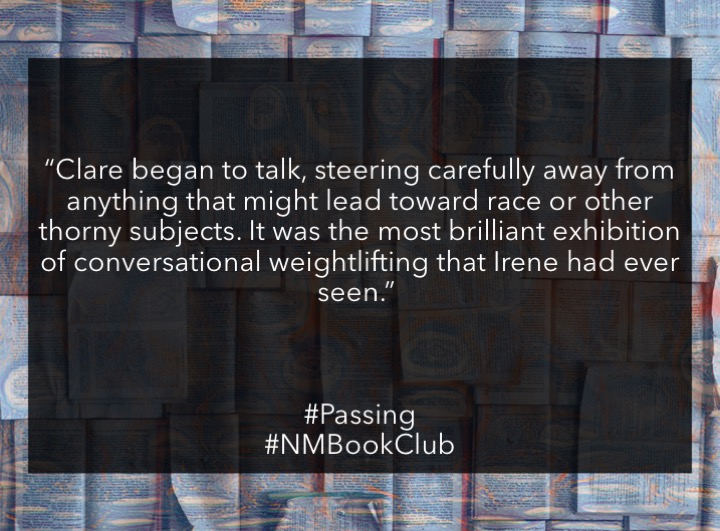
Carmen: I was moved/disturbed by the pathologizing of blackness in Chapter 3 as Clare, Irene, and Gertrude talked about pregnancy – โ€œItโ€™s awful the way it skips a generation and then pops outโ€ฆnobody wants a black child.” A little later on in the chapter โ€œClare began to talk, steering carefully away from anything that might lead toward race or other thorny subjects. It was the most brilliant exhibition of conversational weightlifting that Irene had ever seen.” Chapter 4 offers additional weight that has the potential to crush them all. I considered the weight of internalized racism, the self-loathing, secrets, and the emotional weight for all these women reconciling race, and navigating the โ€œnormsโ€ they have created for themselves. The weight of these exchanges felt very contemporary.


Derek: “Conversational weightlifting” — so vividly accurate! When John Bellew joins the women (like a wrecking ball), I tracked with Irene who “thought, unbelievable and astonishing that four people could sit so unruffled, so ostensibly friendly, while they were in reality seething with anger, mortification, shame. But no, on second thought, she was forced to amend her opinion. John Bellew, most certainly, was as undisturbed within as without. So, perhaps, was Gertrude Martin.” This revisited recognition created for me an image of Irene inextricably linking the racist message to its messenger.

For this week (Week 3), April 25th-May 1st, we’re reading Part 2 Chapters 1 and 2!

If you donโ€™t already have your copy, books can be purchased from the publisher, direct from your local indie bookstore, or through indiebound.org or bookshop.org. If you want to join in the book club discussion, you can respond here or on social media using #NMBookClub.


Live Virtual Group Session: 6pm EDT April 26th 2021

Thank you to everyone who joined for this session!

For this session we viewed the painting โ€œThe Song of the Larkโ€ by Jules Adolphe Breton, posted below.

Our prompt for this session was: Write about a moment when you stopped to listen.

More details on this session will be posted, so check back!

Participants are warmly encouraged to share what you wrote below (โ€œLeave a Replyโ€), to keep the conversation going here, bearing in mind that the blog of course is a public space where confidentiality is not assured.

Also, we would love to learn more about your experience of these sessions, so if youโ€™re able, please take the time to fill out a follow-up survey of one to two quick questions!

Please join us for our next sessionย Wednesday April 28th at 12pm EDT,ย with more times listed on ourย Live Virtual Group Sessionsย page.


The Song of the Lark

Date:
1884

Artist:
Jules Adolphe Breton
French, 1827-1906


ฮ–ฯ‰ฮฝฯ„ฮฑฮฝฮฎ ฯƒฯ…ฮฝฮตฮดฯฮฏฮฑ ฮฑฯ†ฮทฮณฮทฮผฮฑฯ„ฮนฮบฮฎฯ‚ ฮนฮฑฯ„ฯฮนฮบฮฎฯ‚: ฮšฯ…ฯฮนฮฑฮบฮฎ, 25 ฮ‘ฯ€ฯฮนฮปฮฏฮฟฯ…, 8:30 pm EEST

ฮฃฮฑฯ‚ ฮตฯ…ฯ‡ฮฑฯฮนฯƒฯ„ฮฟฯฮผฮต ฯ€ฮฟฯ… ฯƒฯ…ฮผฮผฮตฯ„ฮตฮฏฯ‡ฮฑฯ„ฮต ฯƒฮต ฮฑฯ…ฯ„ฮฎฮฝ ฯ„ฮท ฯƒฯ…ฮฝฮตฮดฯฮฏฮฑ.

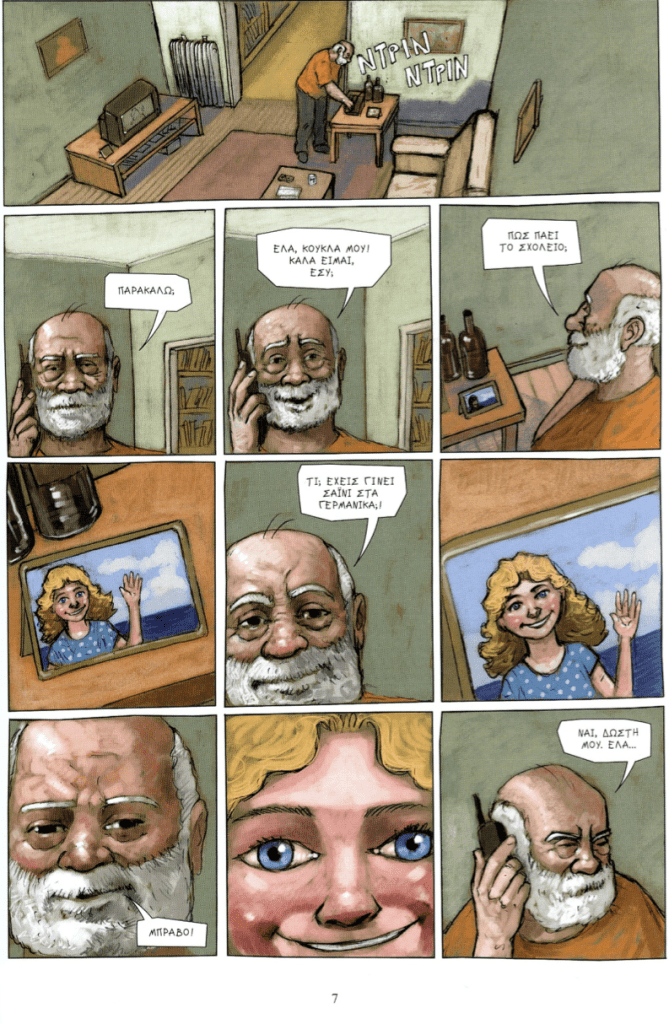
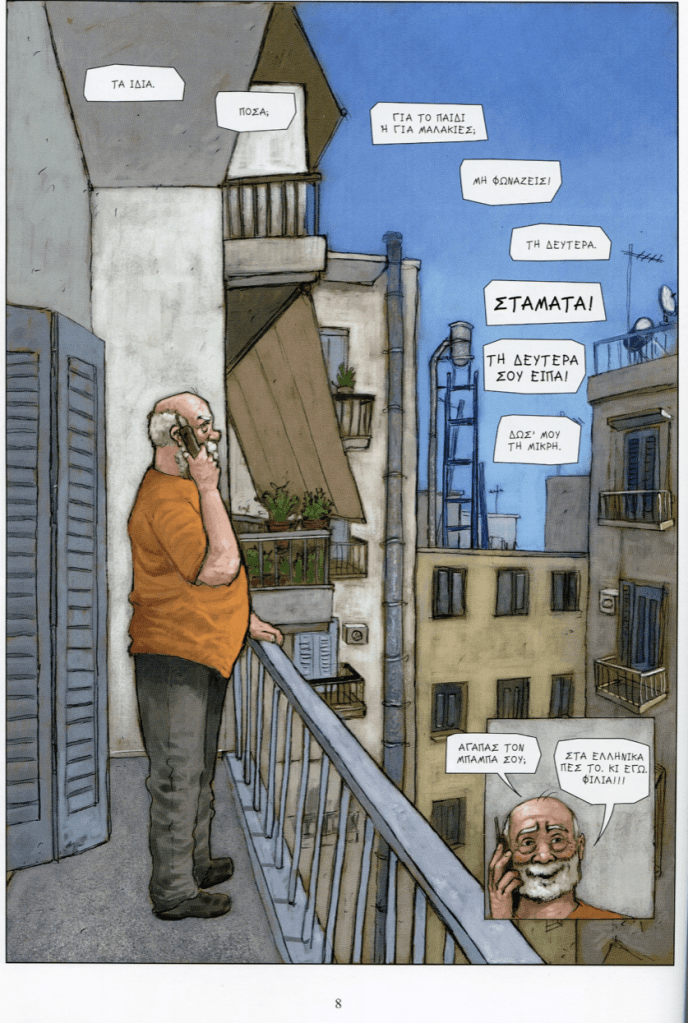
ฮšฮตฮฏฮผฮตฮฝฮฟ: ฮฑฯ€ฯŒฯƒฯ€ฮฑฯƒฮผฮฑ ฮฑฯ€ฯŒ ฯ„ฮฟ ฮตฮนฮบฮฟฮฝฮฟฮณฯฮฑฯ†ฮทฮผฮญฮฝฮฟ ฮผฯ…ฮธฮนฯƒฯ„ฯŒฯฮทฮผฮฑ ฮคฮฟ ฮ ฯ„ฯŽฮผฮฑ ฯ„ฯ‰ฮฝ ฮคฮฌฯƒฮฟฯ… ฮ–ฮฑฯ†ฮตฮนฯฮนฮฌฮดฮท (ฮนฯƒฯ„ฮฟฯฮฏฮฑ), ฮ“ฮนฮฌฮฝฮฝฮท ฮ ฮฑฮปฮฑฮฒฮฟฯ (ฮนฯƒฯ„ฮฟฯฮฏฮฑ) ฮบฮฑฮน ฮ˜ฮฑฮฝฮฌฯƒฮท ฮ ฮญฯ„ฯฮฟฯ… (ฯƒฯ‡ฮญฮดฮนฮฟ) (2011)

ฮ˜ฮญฮผฮฑ: ยซฮœฯŒฮฝฮฟ ฮญฮฝฮฑ ฯ„ฮทฮปฮญฯ†ฯ‰ฮฝฮฟโ€”ฮผฮฑฮบฯฮนฮฌยป

ฮฃฯฮฝฯ„ฮฟฮผฮฑ ฮธฮฑ ฮผฮฟฮนฯฮฑฯƒฯ„ฮฟฯฮผฮต ฯ€ฮตฯฮนฯƒฯƒฯŒฯ„ฮตฯฮตฯ‚ ฯ€ฮปฮทฯฮฟฯ†ฮฟฯฮฏฮตฯ‚ ฯƒฯ‡ฮตฯ„ฮนฮบฮฌ ฮผฮต ฮฑฯ…ฯ„ฮฎฮฝ ฯ„ฮท ฯƒฯ…ฮฝฮตฮดฯฮฏฮฑ, ฮณฮน โ€˜ฮฑฯ…ฯ„ฯŒ ฮตฯ€ฮนฯƒฯ„ฯฮญฯˆฯ„ฮต ฮพฮฑฮฝฮฌ.

ฮฃฮฑฯ‚ ฯ€ฯฮฟฯƒฮบฮฑฮปฮฟฯฮผฮต ฮฝฮฑ ฮผฮฟฮนฯฮฑฯƒฯ„ฮตฮฏฯ„ฮต ฯ„ฮฑ ฮณฯฮฑฯ€ฯ„ฮฌ ฯƒฮฑฯ‚ ฮผฮฑฮถฮฏ ฮผฮฑฯ‚ ฯ€ฮฑฯฮฑฮบฮฌฯ„ฯ‰.

ฮšฮฑฮปฮฟฯฮผฮต ฯŒฮปฮตฯ‚ ฮบฮฑฮน ฯŒฮปฮฟฯ…ฯ‚ ฯ€ฮฟฯ… ฯƒฯ…ฮผฮผฮตฯ„ฮตฮฏฯ‡ฮฑฯ„ฮต ฮฝฮฑ ฮผฮฟฮนฯฮฑฯƒฯ„ฮตฮฏฯ„ฮต ฯŒฯƒฮฑ ฮณฯฮฌฯˆฮฑฯ„ฮต ฮบฮฑฯ„ฮฌ ฯ„ฮท ฮดฮนฮฌฯฮบฮตฮนฮฑ ฯ„ฮทฯ‚ ฯƒฯ…ฮฝฮตฮดฯฮฏฮฑฯ‚ ฮผฮฑฯ‚ ฯ€ฮฑฯฮฑฮบฮฌฯ„ฯ‰ (โ€œLeave a replyโ€) ฮบฮฑฮน ฮฝฮฑ ฮบฯฮฑฯ„ฮฎฯƒฮฟฯ…ฮผฮต ฮฑฯ…ฯ„ฮฎ ฯ„ฮทฮฝ ฯ„ฯŒฯƒฮฟ ฮตฮฝฮดฮนฮฑฯ†ฮญฯฮฟฯ…ฯƒฮฑ ฯƒฯ…ฮถฮฎฯ„ฮทฯƒฮฎ ฮผฮฑฯ‚ ฮถฯ‰ฮฝฯ„ฮฑฮฝฮฎ, ฯ…ฯ€ฮตฮฝฮธฯ…ฮผฮฏฮถฮฟฮฝฯ„ฮฌฯ‚ ฯƒฮฑฯ‚, ฮฒฮตฮฒฮฑฮฏฯ‰ฯ‚, ฯŒฯ„ฮน ฮฑฯ…ฯ„ฮฎ ฮตฮฏฮฝฮฑฮน ฮผฮนฮฑ ฮดฮทฮผฯŒฯƒฮนฮฑ ฯ€ฮปฮฑฯ„ฯ†ฯŒฯฮผฮฑ ฮบฮฑฮน ฮท ฯ€ฯฯŒฯƒฮฒฮฑฯƒฮท ฮฑฮฝฮฟฮนฯ‡ฯ„ฮฎ ฯƒฯ„ฮฟ ฮบฮฟฮนฮฝฯŒ.

ฮ˜ฮฑ ฮธฮญฮปฮฑฮผฮต ฮฝฮฑ ฮผฮฌฮธฮฟฯ…ฮผฮต ฯ€ฮตฯฮนฯƒฯƒฯŒฯ„ฮตฯฮฑ  ฮณฮนฮฑ ฯ„ฮทฮฝ ฮตฮผฯ€ฮตฮนฯฮฏฮฑ ฯƒฮฑฯ‚ ฮผฮต ฮฑฯ…ฯ„ฮญฯ‚ ฯ„ฮนฯ‚ ฯƒฯ…ฮฝฮตฮดฯฮฏฮตฯ‚. ฮ‘ฮฝ ฯ„ฮฟ ฮตฯ€ฮนฮธฯ…ฮผฮตฮฏฯ„ฮต, ฯ€ฮฑฯฮฑฮบฮฑฮปฮฟฯฮผฮต ฮฑฯ†ฮนฮตฯฯŽฯƒฯ„ฮต ฮปฮฏฮณฮฟ ฯ‡ฯฯŒฮฝฮฟ ฯƒฮต ฮผฮนฮฑ ฯƒฯฮฝฯ„ฮฟฮผฮท ฮญฯฮตฯ…ฮฝฮฑ ฮดฯฮฟ ฮตฯฯ‰ฯ„ฮฎฯƒฮตฯ‰ฮฝ!

ฮ‘ฮบฮฟฮปฮฟฯ…ฮธฮฎฯƒฯ„ฮต ฯ„ฮฟฮฝ ฯƒฯฮฝฮดฮตฯƒฮผฮฟ:ย https://tinyurl.com/nmedg-survey


Live Virtual Group Session: 6pm EDT April 19th 2021

Thank you to everyone who joined for this session!

Our text for this session was a revisitation of the poem “Monet Refuses the Operation” by Lisel Mueller, posted below.

Our prompt for this session was two part. The first was to begin your writing with: “Doctor, if only you could see…” The second was to continue with “Doctor, if only I could see…”

More details on this session will be posted, so check back!

Participants are warmly encouraged to share what you wrote below (โ€œLeave a Replyโ€), to keep the conversation going here, bearing in mind that the blog of course is a public space where confidentiality is not assured.

Also, we would love to learn more about your experience of these sessions, so if youโ€™re able, please take the time to fill out a follow-up survey of one to two quick questions!

Please join us for our next session Monday April 26th at 6pm EDT, with more times listed on our Live Virtual Group Sessions page.


Monet Refuses the Operation
BY LISEL MUELLER

Doctor, you say there are no haloes
around the streetlights in Paris
and what I see is an aberration
caused by old age, an affliction.
I tell you it has taken me all my life
to arrive at the vision of gas lamps as angels,
to soften and blur and finally banish
the edges you regret I donโ€™t see,
to learn that the line I called the horizon
does not exist and sky and water,
so long apart, are the same state of being.
Fifty-four years before I could see
Rouen cathedral is built
of parallel shafts of sun,
and now you want to restore
my youthful errors: fixed
notions of top and bottom,
the illusion of three-dimensional space,
wisteria separate
from the bridge it covers.
What can I say to convince you
the Houses of Parliament dissolve
night after night to become
the fluid dream of the Thames?
I will not return to a universe
of objects that donโ€™t know each other,
as if islands were not the lost children
of one great continent.  The world
is flux, and light becomes what it touches,
becomes water, lilies on water,
above and below water,
becomes lilac and mauve and yellow
and white and cerulean lamps,
small fists passing sunlight
so quickly to one another
that it would take long, streaming hair
inside my brush to catch it.
To paint the speed of light!
Our weighted shapes, these verticals,
burn to mix with air
and change our bones, skin, clothes
to gases.  Doctor,
if only you could see
how heaven pulls earth into its arms
and how infinitely the heart expands
to claim this world, blue vapor without end.

Lisel Mueller, "Monet Refuses the Operation" 
from Second Language. 
Copyright ยฉ 1996 by Lisel Mueller.

Encuentros virtuales en vivo: Sรกbado 17 de ABRIL, 13:00 EST (17:00 UTC)

Nos reunimos 17 personas, desde Chile, Grecia, Espaรฑa, Nueva York y Nueva Jersey. Leรญmos el poema En un parรฉntesis, escrito por Diego Medina Poveda y publicado en el libro Sonetos para el fin del mundo conocido (2021, Esdrรบjula Ediciones).

El poema despertรณ muchas emociones diferentes: hizo pensar en la muerte, en lo oculto, en la indeterminaciรณn del tiempo. El parรฉntesis es el tiempo que se para. Nos hizo pensar en este tiempo de pandemia, en el coronavirus, en la obligaciรณn de permanecer en casa. Se hablรณ del modo en que desaparecen las personas que se convierten en cifras de estadรญsticas, en la invisibilidad de las almas, convertidas en decimales, insignificantes. Hablamos del paso del tiempo, de la eternidad de las cosas pequeรฑas. Tambiรฉn se hablรณ del modo en que el poema utiliza palabras que nos recuerdan a los hospitales.

Se mencionaron los diferentes significados que el poema hubiera tenido antes de la pandemia, en comparaciรณn con el momento actual y en la multitud de contrastes que incluye, lo suave y lo duro, lo concreto y lo infinito. El uso de las palabras abstractas para hablar de lo concreto, la muerte encerrada en el marco del amor, la eternidad.

Para el ejercicio de escritura propusimos como tรญtulo: โ€œEscribe acerca de un parรฉntesisโ€. El parรฉntesis apareciรณ como escape, pero tambiรฉn como lugar de vida, como alivio. El parรฉntesis como vida pero que no permite escapar y tambiรฉn como lugar que se diluye.

Disfrutamos de un momento compartido, muy enriquecedor, un parรฉntesis en el flujo de nuestras vidas, en el que el tiempo se hizo corto y no todos los que lo desearon pudieron participar.

Se alienta a las/los participantes a compartir lo que escribieron a continuaciรณn (โ€œDeja una respuestaโ€), para mantener la conversaciรณn aquรญ, teniendo en cuenta que el blog, por supuesto, es un espacio pรบblico donde no se garantiza la confidencialidad.

Por favor, รบnase a nosotros para nuestra prรณxima sesiรณn en espaรฑol: Sรกbado, 15 de mayo a las 13:00 EDT (17:00 UTC) (inscrรญbete aqui), con mรกs veces listadas en inglรฉs en nuestra pรกgina deย sesiones grupales virtuales en vivo.

ยกEsperamos verte pronto!


Nuestros textos fueron En un parรฉntesis (A รngela P. Mรฉndez)

En una eternidad
de 27 metros cuadrados
transita nuestro amor por el espacio.

Se esboza con aliento en las ventanas 
un silencio de muerte, una asรฉptica 
melodรญa del tacto y de las pieles.
Y aunque hace frรญo
guardamos la esperanza en la nevera.

El tiempo pasa cada quince dรญas.
El eco se retuerce en los balcones.
La noche llega muda โ€”no se la oyeโ€”
sigilosa ensombrece nuestros ojos
con una herida exangรผe,
con una fรบnebre aritmรฉtica 
		del fracaso.

El cuerpo es una cifra
(afuera โ€”asรณmateโ€” no hay ni un alma), 
el alma solo existe
en una absurda sucesiรณn
		de decimales.

Orbita nuestro amor en un parรฉntesis (โ€ฆ)
Alguien ha escrito el signo de esta historia 
con puntos suspensivos.

Narrative Medicine Book Club: Passing, Week 1

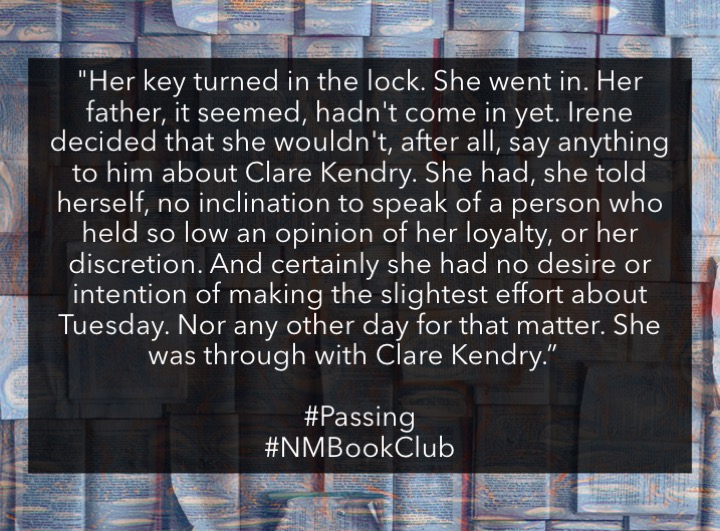
Derek: Irene seems sure of herself, but what does “through with” mean, really? So many chapters to go, and already we feel a burden of knowledge and experience that Irene carries, one that she seems unwilling to share with her father.ย 


Carmen: So far the vacillating curiosity and disdain that Irene has for Clare doesn’t have me convinced that she’s “through with” Clare Kendry, so I do too wonder what she means. I’m anxious to understand the curiosity that Irene has about Clare. Through Larson we learn Irene’s inner thoughts “It was as if the woman sitting on the other side of the table, a girl that she had known, who had done this rather dangerous and, to Irene Redfield, abhorrent thing successfully and had announced herself as well satisfied, had for her a fascination, strange and compelling.” I’m not sure Irene is ready to let go. For me, more breathless tension.


We look forward to seeing you all on Zoom this Saturday at 11:00 a.m. EDT. We will be discussing a close reading of Part 1, Chapters 1 and 2.ย 

For Week 2, April 18-24th, we’ll be reading Part 1 Chapters 3 and 4!

If you don’t already have your copy, books can be purchased from theย publisher, direct from your local indie bookstore, or throughย indiebound.orgย orย bookshop.org. If you want to join in the book club discussion, you can respond here or on social media using #NMBookClub.


Live Virtual Group Session: 12pm EDT April 14th 2021

Thank you to everyone who joined for this session!

Todayโ€™s narrative journey started with an excerpt from the NY Times โ€œOpinionโ€ essayย โ€œYou Can Hear the Whistle Blow a Hundred Milesโ€ย by Margaret Renkl, posted below. โ€œTell me something about this personโ€ opened up our discussion of the female narrator who seemed to be on a train at night, and possibly in a state of uncertainty. On the surface, โ€œI know you think Iโ€™m making this upโ€ and โ€œmisrememberingโ€ made us consider the narratorโ€™s reliability, and reflect on why/if that was problematic as reader/listeners. We returned to the text and recognized what was there (a book, a light, darkness, a harmonica) as well as what wasnโ€™t there (people gazing at phones, iPads, or laptops). This created for us a sense of nostalgic sight-and-soundtracks that evoked camp songs, train songs, and a respect for the narratorโ€™s imagination. We avoided the temptation to โ€œdiagnoseโ€ the narrator, although โ€œMy eyes suddenly too blurred to readโ€ made us wonder if it was a moment of fatigue, sadness, crying, longing or a combination.

Our prompt for this session was: โ€œDescribe an aching kind of sound.โ€

One reflection was a brief-yet-detailed cinematic journey that started with a door creaking on hinges โ€œas old as our relationshipโ€ and then shutting, as a figure lay in the bed under the sheets. We also heard a story that started with the excitement of impending birth and moved us through the fear and anxiety of labor as we heard the long, low, unearthly moan that signifies motherhood. Another reflection explored the aching sound of a childhood memory, being in bed and hearing a distant train whistle โ€” silence that is heavy, broken by sadness and longing; but also feeling like a warm blanket, a time now lost bringing both ache and comfort. Another writer shared a moment while โ€œchopping veggiesโ€ that quickly felt like being โ€œcut to piecesโ€ by the blaring sound of a song once โ€œoursโ€ no longer being shared. And one reflection brought us back to our present experience in โ€œlockdownโ€ when a plaintive melody once familiar, is now changed forever to a sound of grief for our losses.

A closing comment in the chat apropos to Narrative Medicine pointed out that each of us is like an individual instrument adding our voice or clear notes to the music, responding to the aching sounds/voices that we hear through our Narrative Work.

Participants are warmly encouraged to share what you wrote below (โ€œLeave a Replyโ€), to keep the conversation going here, bearing in mind that the blog of course is a public space where confidentiality is not assured.

Also, we would love to learn more about your experience of these sessions, so if youโ€™re able, please take the time to fill out a follow-up survey of one to two quick questions!

Please join us for our next sessionย Monday April 19th at 6pm EDT,ย with more times listed on ourย Live Virtual Group Sessionsย page.


When they turned off the cabin lights and my seatmate closed her eyes to sleep, I tucked my book under my arm and made my way to the club car. There the overhead lights were off, too, but a single light shone above the table at each booth. A few people were reading. One was playing a hand of solitaire. I donโ€™t remember if nobody was talking, or if the sound of the train moving down the tracks simply masked their quiet voices. โ€œIf you miss the train Iโ€™m on, you will know that I am gone.โ€

As I made my way to an open booth, darkness gathered outside the windows and in the corners of the car. Darkness swept across the floor and curled around the ceiling, and thatโ€™s when an old man at the far end of the car started to play a slow, sad song on the harmonica. It was the kind of music that fills a silence with longing and gives a voice to loneliness, and without needing any words at all. The aching kind of sound you would swear you could hear a hundred miles.

I know you think Iโ€™m making this up, or only misremembering myself as the tragic heroine of a movie where Willie Nelson plays a cameo role. But this part of the story I remember perfectly. Those thin, plaintive notes reached through the shadows and found me as I sat down alone, my eyes suddenly too blurred to read.

Margaret Renkl, You Can Hear the Whistle Blow a Hundred Miles, NYT April 2021