Live Virtual Group Session: 12pm EST January 27th 2021

Thank you to everyone who joined us for this session!

Thirty participants gathered today from across the U.S., Canada, Greece, Lebanon, France, the U.K. and India to hear two readings of an excerpt from The Shipping News by Annie Proulx. What started with the question โ€œWhat do you picture?โ€ evolved into a layered discussion of how the environment (rural, fishing, islandic, cold, volcanic, new found land = Newfoundland) and its people (a narrator, a father, citizens and the sender of a mysterious box) created an overall vibe (cinematic, communal, isolated but not alone, reflecting both loss and connection). One participant likened the โ€œcruel heavyโ€ box to a coffin (the fatherโ€™s?), and another interpreted the box of books as โ€œfood for the mind.โ€ย 

Beyond the details apparent in the excerpt, the group gradually filled in the gaps of the 1933 scene: women seemed to be missing here; who is telling the story, and to whom? No morsel was left unexamined; even the โ€œuseless cookbookโ€ reminded one participant of trying to follow a recipe without all the ingredients. 

Our prompt was: Write about an unexpected gift.

One reader flipped the prompt to consider an expected gift โ€“ and what happened when they didnโ€™t receive it, at least not until they explain their hurt and get a gift the next day. Does that still count? For them in the end, it does, because they have now received the gift of being heard and seen. This conclusion resonated with others in our group today, and they affirmed the importance of asking for what you want and of recognizing whether the true gift is the physical object or the devotion that the giving represents.

Another response took a poetic form of only about seven lines, which concentrated the importance of each of the words that we actually heard. The response opened with a time machine received in 1960, and we puzzled over whether the time machine was metaphorical, and if so, what it might represent. One listener imagined the time machine as a telescope, and another recalled an Inuit saying about stars as ancestors peeking down at us. In the Proulx text, knowing the year was 1933 brought forward the Great Depression; here we wondered what role might that specific year of 1960 play?

Another reading took us on a journey, following an arc that perhaps echoed the layering that we noticed in the Proulx text. It started with the pronoun โ€œitโ€ โ€“ โ€œit came to me later in lifeโ€ โ€“ setting us up to wonder what that was. This tension drove the piece. Finally in the last line we learn of a second chance at exploration, but we must guess why the narrator seeks this second chance, why their first chance might have gone astray, leaving us room to imagine our own second chances.

Tension โ€“ and more specifically, the release of tension โ€“ also figured in a different response, which described relief of learning that someone close has been declared cancer free. The narrator tells how they had protected themselves in case this unexpected gift never came; when it does, they can exhale.

We noticed that all of our readers told of intangible gifts, though one did began with a physical one. The unexpected gift of the Proulx text was the collection of books, though of course the value of the book is not the paper and ink but rather the intangible places that they can take us.

Participants are warmly encouraged to share what you wrote below (โ€œLeave a Replyโ€), to keep the conversation going here, bearing in mind that the blog of course is a public space where confidentiality is not assured.

Also, we would love to learn more about your experience of these sessions, so if youโ€™re able, please take the time to fill out a follow-up survey of one to two quick questions!

Please join us for our next session Monday February 1st at 6pm EST, with more times listed on our Live Virtual Group Sessions page.


Annie Proulx. The Shipping News. Scribner, 1994.

โ€œMy father taught all his children to read and write. In the winter when the fishing was over and the storms wrapped Gaze Island, my father would hold school right down there in the kitchen of the old house. Yes, every child on this island learned to read very well and write a fine hand. And if he got a bit of money he’d order books for us. I’ll never forget one time, I was twelve years old and it was November, 1933. Couple of years before he died of TB. Hard, hard times. You can’t imagine. The fall mail boat brought a big wooden box for my father. Nailed shut. Cruel heavy. He would not open it, saved it for Christmas. We could hardly sleep nights for thinking of that box and what it might hold. We named everything in the world except what was there. On Christmas Day we dragged that box over to the church and everybody craned their necks and gawked to see what was in it. Dad pried it open with a screech of nails and there it was, just packed with books. There must have been a hundred books there, picture books for children, a big red book on volcanoes that gripped everybody’s mind the whole winter– it was a geological study, you see, and there was plenty of meat in it. The last chapter in the book was about ancient volcanic activity in Newfoundland. That was the first time anybody had ever seen the word Newfoundland in a book. It just about set us on fire– an intellectual revolution. That this place was in a book. See, we thought we was all alone in the world. The only dud was a cookbook. There was not one single recipe in that book that could be made with what we had in our cupboards.

  “I never knew how he paid for those books or if they were a present, or what. One of the three boys he wrote to on the farms moved to Toronto when he grew up and became an elevator operator. He was the one who picked the books out and sent them. Perhaps he paid for them, too. I’ll never know.”
Live Virtual Group Session: 6pm EST January 25th 2021

Thank you to everyone who joined us for this session!

For this session we watched a scene (posted below) from the movie Beasts of the Southern Wild, directed by Benh Zeitlin and adapted by Benh Zeitlin and Lucy Alibar from Alibar’s play “Juicy and Delicious.”

Our prompt was “Write about a revelation you felt was magical.”

Participants are warmly encouraged to share what you wrote below (โ€œLeave a Replyโ€), to keep the conversation going here, bearing in mind that the blog of course is a public space where confidentiality is not assured.

Also, we would love to learn more about your experience of these sessions, so if youโ€™re able, please take the time to fill out a follow-up survey of one to two quick questions!

Please join us for our next session Wednesday January 27th at 12pm EST, with more times listed on ourย Live Virtual Group Sessionsย page.


ฮ–ฯ‰ฮฝฯ„ฮฑฮฝฮฎ ฯƒฯ…ฮฝฮตฮดฯฮฏฮฑ ฮฑฯ†ฮทฮณฮทฮผฮฑฯ„ฮนฮบฮฎฯ‚ ฮนฮฑฯ„ฯฮนฮบฮฎฯ‚: ฮคฮตฯ„ฮฌฯฯ„ฮท 20 ฮ™ฮฑฮฝฮฟฯ…ฮฑฯฮฏฮฟฯ…, 8:30 pm EEST

ฮฃฮฑฯ‚ ฮตฯ…ฯ‡ฮฑฯฮนฯƒฯ„ฮฟฯฮผฮต ฯ€ฮฟฯ… ฯƒฯ…ฮผฮผฮตฯ„ฮตฮฏฯ‡ฮฑฯ„ฮต ฯƒฮต ฮฑฯ…ฯ„ฮฎฮฝ ฯ„ฮท ฯƒฯ…ฮฝฮตฮดฯฮฏฮฑ.

ย ฮ ฮฟฮฏฮทฮผฮฑ: ฮฮฏฮบฮฟฯ‚ ฮšฮฑฯฮฟฯฮถฮฟฯ‚, “ฮ”ฮนฮตฯฯŽฯ„ฮทฯƒฮท ฮณฮนฮฑ ฮฝฮฑ ฮผฮทฮฝ ฮบฮฌฮธฮฟฮผฮฑฮน ฮฌฮตฯฮณฮฟฯ‚” (ฮฃฯ…ฮปฮปฮฟฮณฮฎ:ย ฮ”ฯ…ฮฝฮฑฯ„ฯŒฯ„ฮทฯ„ฮตฯ‚ ฮบฮฑฮน ฮงฯฮฎฯƒฮท ฯ„ฮทฯ‚ ฮŸฮผฮนฮปฮฏฮฑฯ‚, 1979).ย 

ฮ˜ฮญฮผฮฑ: “ฮ“ฯฮฌฯˆฯ„ฮต ฮณฮนฮฑ ฮบฮฌฯ„ฮน ฯ€ฮฟฯ… ฯ€ฮฟฯ„ฮญ ฯƒฯ„’ ฮฑฮปฮฎฮธฮตฮนฮฑ ฮดฮตฮฝ ฮผฮฌฮธฮฑฯ„ฮต”.

ฮฃฯฮฝฯ„ฮฟฮผฮฑ ฮธฮฑ ฮผฮฟฮนฯฮฑฯƒฯ„ฮฟฯฮผฮต ฯ€ฮตฯฮนฯƒฯƒฯŒฯ„ฮตฯฮตฯ‚ ฯ€ฮปฮทฯฮฟฯ†ฮฟฯฮฏฮตฯ‚ ฯƒฯ‡ฮตฯ„ฮนฮบฮฌ ฮผฮต ฮฑฯ…ฯ„ฮฎฮฝ ฯ„ฮท ฯƒฯ…ฮฝฮตฮดฯฮฏฮฑ, ฮณฮน โ€˜ฮฑฯ…ฯ„ฯŒ ฮตฯ€ฮนฯƒฯ„ฯฮญฯˆฯ„ฮต ฮพฮฑฮฝฮฌ.

ฮฃฮฑฯ‚ ฯ€ฯฮฟฯƒฮบฮฑฮปฮฟฯฮผฮต ฮฝฮฑ ฮผฮฟฮนฯฮฑฯƒฯ„ฮตฮฏฯ„ฮต ฯ„ฮฑ ฮณฯฮฑฯ€ฯ„ฮฌ ฯƒฮฑฯ‚ ฮผฮฑฮถฮฏ ฮผฮฑฯ‚ ฯ€ฮฑฯฮฑฮบฮฌฯ„ฯ‰.

ฮšฮฑฮปฮฟฯฮผฮต ฯŒฮปฮตฯ‚ ฮบฮฑฮน ฯŒฮปฮฟฯ…ฯ‚ ฯ€ฮฟฯ… ฯƒฯ…ฮผฮผฮตฯ„ฮตฮฏฯ‡ฮฑฯ„ฮต ฮฝฮฑ ฮผฮฟฮนฯฮฑฯƒฯ„ฮตฮฏฯ„ฮต ฯŒฯƒฮฑ ฮณฯฮฌฯˆฮฑฯ„ฮต ฮบฮฑฯ„ฮฌ ฯ„ฮท ฮดฮนฮฌฯฮบฮตฮนฮฑ ฯ„ฮทฯ‚ ฯƒฯ…ฮฝฮตฮดฯฮฏฮฑฯ‚ ฮผฮฑฯ‚ ฯ€ฮฑฯฮฑฮบฮฌฯ„ฯ‰ (โ€œLeave a replyโ€) ฮบฮฑฮน ฮฝฮฑ ฮบฯฮฑฯ„ฮฎฯƒฮฟฯ…ฮผฮต ฮฑฯ…ฯ„ฮฎ ฯ„ฮทฮฝ ฯ„ฯŒฯƒฮฟ ฮตฮฝฮดฮนฮฑฯ†ฮญฯฮฟฯ…ฯƒฮฑ ฯƒฯ…ฮถฮฎฯ„ฮทฯƒฮฎ ฮผฮฑฯ‚ ฮถฯ‰ฮฝฯ„ฮฑฮฝฮฎ, ฯ…ฯ€ฮตฮฝฮธฯ…ฮผฮฏฮถฮฟฮฝฯ„ฮฌฯ‚ ฯƒฮฑฯ‚, ฮฒฮตฮฒฮฑฮฏฯ‰ฯ‚, ฯŒฯ„ฮน ฮฑฯ…ฯ„ฮฎ ฮตฮฏฮฝฮฑฮน ฮผฮนฮฑ ฮดฮทฮผฯŒฯƒฮนฮฑ ฯ€ฮปฮฑฯ„ฯ†ฯŒฯฮผฮฑ ฮบฮฑฮน ฮท ฯ€ฯฯŒฯƒฮฒฮฑฯƒฮท ฮฑฮฝฮฟฮนฯ‡ฯ„ฮฎ ฯƒฯ„ฮฟ ฮบฮฟฮนฮฝฯŒ.

ฮ˜ฮฑ ฮธฮญฮปฮฑฮผฮต ฮฝฮฑ ฮผฮฌฮธฮฟฯ…ฮผฮต ฯ€ฮตฯฮนฯƒฯƒฯŒฯ„ฮตฯฮฑ  ฮณฮนฮฑ ฯ„ฮทฮฝ ฮตฮผฯ€ฮตฮนฯฮฏฮฑ ฯƒฮฑฯ‚ ฮผฮต ฮฑฯ…ฯ„ฮญฯ‚ ฯ„ฮนฯ‚ ฯƒฯ…ฮฝฮตฮดฯฮฏฮตฯ‚. ฮ‘ฮฝ ฯ„ฮฟ ฮตฯ€ฮนฮธฯ…ฮผฮตฮฏฯ„ฮต, ฯ€ฮฑฯฮฑฮบฮฑฮปฮฟฯฮผฮต ฮฑฯ†ฮนฮตฯฯŽฯƒฯ„ฮต ฮปฮฏฮณฮฟ ฯ‡ฯฯŒฮฝฮฟ ฯƒฮต ฮผฮนฮฑ ฯƒฯฮฝฯ„ฮฟฮผฮท ฮญฯฮตฯ…ฮฝฮฑ ฮดฯฮฟ ฮตฯฯ‰ฯ„ฮฎฯƒฮตฯ‰ฮฝ!

ฮ‘ฮบฮฟฮปฮฟฯ…ฮธฮฎฯƒฯ„ฮต ฯ„ฮฟฮฝ ฯƒฯฮฝฮดฮตฯƒฮผฮฟ:ย https://tinyurl.com/nmedg-survey


  ฮฮฏฮบฮฟฯ‚ ฮšฮฑฯฮฟฯฮถฮฟฯ‚, 
 โ€œฮ”ฮนฮตฯฯŽฯ„ฮทฯƒฮท ฮณฮนฮฑ ฮฝฮฑ ฮผฮทฮฝ ฮบฮฌฮธฮฟฮผฮฑฮน ฮฌฮตฯฮณฮฟฯ‚โ€
 (ฮ”ฯ…ฮฝฮฑฯ„ฯŒฯ„ฮทฯ„ฮตฯ‚ ฮบฮฑฮน ฯ‡ฯฮฎฯƒฮท ฯ„ฮทฯ‚ ฮฟฮผฮนฮปฮฏฮฑฯ‚, 1979). 

ฮ ฮฟฯ„ฮญ ฯƒฯ„' ฮฑฮปฮฎฮธฮตฮนฮฑ ฮดฮตฮฝ ฯ„ฮฟ 'ฮผฮฑฮธฮฑ
 ฯ„ฮน ฮตฮฏฮฝฮฑฮน ฯ„ฮฑ ฯ€ฮฟฮนฮฎฮผฮฑฯ„ฮฑ.
 ฮ•ฮฏฮฝฮฑฮน ฯ€ฮปฮทฮณฯŽฮผฮฑฯ„ฮฑ
 ฮตฮฏฮฝ' ฮฟฮผฮฟฮนฯŽฮผฮฑฯ„ฮฑ
 ฯ†ฮตฮฝฮฌฮบฮท
 ฯ†ฯฮตฮฝฮฑฯ€ฮฌฯ„ฮท;
 ฮฆฯฮตฮฝฮฌฯฮนฯƒฮผฮฑ ฮฏฯƒฯ‰ฯ‚;
 ฯ„ฮฑฯฮฑฯ‡ฯŽฮดฮท ฮบฯฮผฮฑฯ„ฮฑ;
 ฯ„ฮน ฮตฮฏฮฝฮฑฮน ฯ„ฮฑ ฯ€ฮฟฮนฮฎฮผฮฑฯ„ฮฑ;
 ฮ•ฮฏฮฝ' ฮตฮบฮดฮฟฯฮญฯ‚ ฮฑฯ€ฮปฮฌ ฮณฮดฮฑฯฯƒฮฏฮผฮฑฯ„ฮฑ;
 ฮตฮฏฮฝฮฑฮน ฯƒฮบฮฑฯˆฮฏฮผฮฑฯ„ฮฑ;
 ฮ•ฮฏฮฝฮฑฮน ฮนฯŽฮดฮนฮฟ; ฮตฮฏฮฝฮฑฮน ฯ†ฮฌฯฮผฮฑฮบฮฑ;
 ฮตฮฏฮฝฮฑฮน ฮณฮฌฮถฮตฯ‚ ฮตฯ€ฮฏฮดฮตฯƒฮผฮฟฮน
 ฯ€ฮฑฯฮทฮณฯŒฯฮนฮฑ ฮฎ ฮดฮนฮฑฮปฮตฮฏฮผฮผฮฑฯ„ฮฑ;
 ฮ ฮฟฮปฮปฮฟฮฏ ฯ„ฮฑ ฮฒฮฑฮปฯƒฮฑฮผฯŽฮฝฮฟฯ…ฮฝ ฯ‰ฯ‚ ฮผฮทฮฝฯฮผฮฑฯ„ฮฑ.
 ฮ•ฮณฯŽ ฯ„ฮฑ ฮปฮญฯ‰ ฮตฮฝฮธฯฮผฮนฮฑ ฯ†ฯฮฏฮบฮทฯ‚. 

Live Virtual Group Session: 6pm EST January 18th 2021

Thank you to everyone who joined us for this session!

26 people, five of whom were new to our Monday eve VGS, participated in a text discussion of “Praise Song for the Day” by Elizabeth Alexander (text is below). On a day dedicated to Martin Luther King Jr. Day, we made connections between the text and Dr. Kingโ€™s words and actions, celebrating and remembering his ability to inspire others with his resolve. We began our session acknowledging that โ€œthere is lots going onโ€ – both in the text and in our worlds.ย 

A participant pointed us to see the many previous โ€œconversationsโ€ necessary to bring together a community of people to see and appreciate the contributions of ordinary peopleโ€™s work, have trust in each other, and build together. Another was struck by the word โ€œwalkingโ€, present both at the beginning and at the end of the poem, collapsing time and space into โ€œa whole world that we shareโ€, even amidst the separations imposed by COVID-19 and the many solo walk weโ€™ve been forced to initiate. 

Many others were drawn tot the only question appearing in the poem: โ€œWhat if the mightiest word is love?โ€. โ€œItโ€™s a question you canโ€™t shy away from,โ€ one participant observed, confessing an attempt to avoid formulating their own answer, only to find themselves trapped by it by the time of our second reading out loud. Others saw it as a call to action, evoking wishes to remember foundational lessons about loving others, and wishes that these words be extended to โ€œpolicy and practiceโ€. Others heard the poem as a sermon, an anthem, and an image of a patchwork quilt made of locations and (pre)occupations, with appreciation of the diversity and inclusion of multitudes. One participant saw associations to Marxist murals, morphing not as a specific ode to workers but an ode to love and deep community.

Before writing to the prompt, facilitators revealed that the poem was read at Obamaโ€™s inauguration.

Several participants read what they wrote as a โ€œpraise song to struggle.โ€

One reader described a rocky road strewn with obstacles but the speakerโ€™s sights set on โ€œthe heavens with sunlight…sunset…and the Creator.โ€ย 

Another began, โ€œWho am I to denounceโ€ and went on to reflect on a motherโ€™s guidance–not always welcomed or even understood until adulthood.ย 

In the spirit of Woody Guthrie, one reading praised quotidian actions such as writing, rising, having coffee, driving a car. This praise song goes on to include โ€œthose who work and those who donโ€™t, those who pay taxes and those who cannotโ€ extending respect to others.

And lastly, another reading (we hope others will be posted on the blog) called forth โ€œcold airโ€ as Alexander had on the January midday presidential inauguration in 2009 and depicting people donning coats, capes, and masks as they battle indifferent and unforgiving threats to health as they carried on their essential work.

Participants are warmly encouraged to share what you wrote below (โ€œLeave a Replyโ€), to keep the conversation going here, bearing in mind that the blog of course is a public space where confidentiality is not assured.

Also, we would love to learn more about your experience of these sessions, so if youโ€™re able, please take the time to fill out a follow-up survey of one to two quick questions!

Please join us for our next session Monday January 25th, 2021 at 6pm EST, with more times listed on our Live Virtual Group Sessions page.


Praise Song for the Day
BY ELIZABETH ALEXANDER

A Poem for Barack Obamaโ€™s Presidential Inauguration

Each day we go about our business,
walking past each other, catching each otherโ€™s
eyes or not, about to speak or speaking.

All about us is noise. All about us is
noise and bramble, thorn and din, each
one of our ancestors on our tongues.

Someone is stitching up a hem, darning
a hole in a uniform, patching a tire,
repairing the things in need of repair.

Someone is trying to make music somewhere,
with a pair of wooden spoons on an oil drum,
with cello, boom box, harmonica, voice.

A woman and her son wait for the bus.
A farmer considers the changing sky.
A teacher says, Take out your pencils. Begin.

We encounter each other in words, words
spiny or smooth, whispered or declaimed,
words to consider, reconsider.

We cross dirt roads and highways that mark
the will of some one and then others, who said
I need to see whatโ€™s on the other side.

I know thereโ€™s something better down the road.
We need to find a place where we are safe.
We walk into that which we cannot yet see.

Say it plain: that many have died for this day.
Sing the names of the dead who brought us here,
who laid the train tracks, raised the bridges,

picked the cotton and the lettuce, built
brick by brick the glittering edifices
they would then keep clean and work inside of.

Praise song for struggle, praise song for the day.
Praise song for every hand-lettered sign,
the figuring-it-out at kitchen tables.

Some live by love thy neighbor as thyself,
others by first do no harm or take no more
than you need. What if the mightiest word is love?

Love beyond marital, filial, national,
love that casts a widening pool of light,
love with no need to pre-empt grievance.

In todayโ€™s sharp sparkle, this winter air,
any thing can be made, any sentence begun.
On the brink, on the brim, on the cusp,

praise song for walking forward in that light.

Copyright ยฉ 2009 by Elizabeth Alexander. All rights reserved.

Encuentros virtuales en vivo: Sรกbado 16 de Enero, 13:00 EST

Tuvimos nuestra primera sesiรณn en espaรฑol del 2021 y fue muy intima. Atendieron 7 participantes en total, representando a estados locales (incluyendo New Jersey y Nueva York) y otros paรญses (incluyendo Chile y Espaรฑa).

Nuestros textos fueron Proverbios y cantares (XXIX), por Antonio Machadoy Cantares, por Joan Manuel Serrat, publicados a continuaciรณn. Tambiรฉn vimos un video de la canciรณn de Serrat para tener la experiencia de escuchar la mรบsica que acompaรฑa las palabras. Dos lectores leyeron los poemas en voz alta. La conversaciรณn alrededor de los poemas fue muy filosรณfica y divertida. Para algunas el tema de los poemas reflejaba considerar si โ€œel caminoโ€ es algo que se desaparece tan pronto uno lo pasa o si el pasado deja sombras en el presente. Notamos que el uso de la palabra โ€œcaminarโ€ es rara usarla durante la pandemia por lo que casi uno no puede salir a caminar; las circunstancias han cambiado tanto durante la pandemia. Tambiรฉn notamos que estamos viviendo con mucha incertidumbre en estos tiempos, esto afecta los caminos que escogemos. ยฟSera que si existe un camino si no sabemos lo que hay adelante de nuestra vida? Compartimos las mismas palabras de Serrat escritas en su tumba en Collioure, Francia: โ€œCuando llegue el dรญa del รบltimo viaje, y estรฉ al partir la nave que nunca ha de tornar, me encontrarรฉis a bordo, ligero de equipaje, casi desnudo, como los hijos de la mar.โ€

Para la escritura escogimos โ€œEscribe acerca de un camino.โ€ Varias participantes compartieron sus escritos, inspirando una rica variedad de respuestas de los oyentes. En general, los textos fueron escritos โ€œa la sombra del texto originalโ€ lo que generรณ un ambiente de continuidad con la conversaciรณn previa. El afecto del pasado en el presente fue representado como algo inevitable. Una de las participantes escribiรณ de como los caminos se entrelazan y el impacto que eso tiene en el camino/la vida de esas personas. Otra compartiรณ un mapa de palabras que se convirtiรณ en un camino en si mismo. Aun otra escribiรณ una corte resumen de los caminos mas difรญciles de su vida. Una participante comparo la diferencia del camino a la escuela de su niรฑez con la de los niรฑos de ahora con la experiencia de su niรฑez y teorizรณ que hubiera pasado con su vida si hubiera escogido otro camino/carrera. En general, la visiรณn del โ€œCamino no hay camino, se hace camino al andar,โ€ fue muy positiva.ย ย 

Se alienta a las/los participantes a compartir lo que escribieron a continuaciรณn (“Deja una respuesta”), para mantener la conversaciรณn aquรญ, teniendo en cuenta que el blog, por supuesto, es un espacio pรบblico donde no se garantiza la confidencialidad.

Por favor, รบnase a nosotros para nuestra prรณxima sesiรณn en espaรฑol: Sรกbado, 6 de febrero 2021 a las 13:00, con otras sesiones adicionales en otros idiomas (inglรฉs, italiano, griego y polaco) en nuestra pรกgina de sesiones grupales virtuales en vivo.

ยกEsperamos verte pronto!


Proverbios y cantares (XXIX) | Antonio Machado
Caminante, son tus huellasโ€‹
 el camino y nada mรกs;โ€‹
 Caminante, no hay camino,โ€‹
 se hace camino al andar.โ€‹
 Al andar se hace el camino,โ€‹
 y al volver la vista atrรกsโ€‹
 se ve la senda que nuncaโ€‹
 se ha de volver a pisar.โ€‹
 Caminante no hay caminoโ€‹
 sino estelas en la mar.

Cantares | Joan Manuel Serrat
Todo pasa y todo quedaโ€‹
 Pero lo nuestro es pasarโ€‹
 Pasar haciendo caminosโ€‹
 Caminos sobre la marโ€‹
 Nunca perseguรญ la gloriaโ€‹
 Ni dejar en la memoriaโ€‹
 De los hombres mi canciรณnโ€‹
 Yo amo los mundos sutilesโ€‹
 Ingrรกvidos y gentilesโ€‹
 Como pompas de jabรณnโ€‹
 Me gusta verlos pintarse de sol y granaโ€‹
 Volar bajo el cielo azulโ€‹
 Temblar sรบbitamente y quebrarseโ€‹
 Nunca perseguรญ la gloriaโ€‹
 Caminante son tus huellas el camino y nada mรกsโ€‹
 Caminante, no hay camino se hace camino al andarโ€‹
 Al andar se hace caminoโ€‹
 Y al volver la vista atrรกsโ€‹
 Se ve la senda que nuncaโ€‹
 Se ha de volver a pisarโ€‹
 Caminante no hay camino sino estelas en la marโ€‹
 Hace algรบn tiempo en ese lugarโ€‹
 Donde hoy los bosques se visten de espinosโ€‹
 Se oyรณ la voz de un poeta gritarโ€‹
 Caminante no hay camino, se hace camino al andarโ€‹
 Golpe a golpe, verso a versoโ€‹
 Muriรณ el poeta lejos del hogarโ€‹
 Le cubre el polvo de un paรญs vecinoโ€‹
 Al alejarse, le vieron llorarโ€‹
 Caminante, no hay camino, se hace camino al andarโ€‹
 Golpe a golpe, verso a versoโ€‹
 Cuando el jilguero no puede cantarโ€‹
 Cuando el poeta es un peregrinoโ€‹
 Cuando de nada nos sirve rezarโ€‹
 Caminante no hay camino, se hace camino al andarโ€‹
 Golpe a golpe y verso a versoโ€‹
 Y golpe a golpe, verso a versoโ€‹
 Y golpe a golpe, verso a versoโ€‹


Live Virtual Group Session: 12pm EST January 13th 2021

Thank you to everyone who joined us for this session!

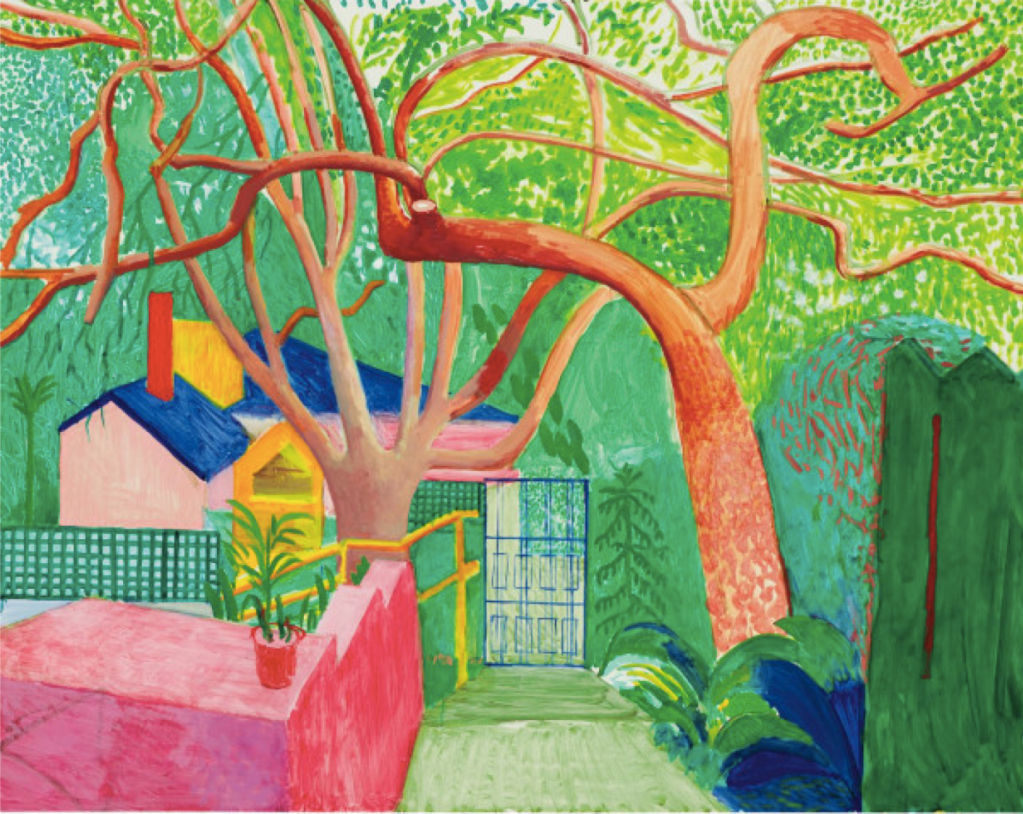
We had 24 participants of which 4 were first time attendees. The text was the painting โ€œThe Gateโ€ by David Hockney, but the title was not revealed until the end of our close reading session.

All participants were asked to spend 2 minutes to slowly explore the artwork; then we asked them to describe their experience of engaging with the painting. Initial impressions focused on the colors (so much vibrancy and contrast) followed by a sense of closeness that made it difficult to breathe, like in mid-summer when everything is so humid and overgrown and in need of thinning out — an overwhelming aliveness. Others just felt the joyousness of wanting to play or being on vacation. One likened the feeling to being in a fairytale or taken to another land โ€“ transported. As the observations deepened (and the narrative thickened), the branches seemed to appear warped and contributed to a feeling of insecurity. The descent of the path led to both open and unopened options (Can you open the gate? Where does the path to the left lead?) and visually contributed to a warped state of mind. One person interpreted addiction/depression versus the greenery of nature. The bottom half of the painting, which is the foreground, felt constrained with a green fence on the right and a wall that insists on descent. The potted plant seemed to represent a restriction to growth. The top half of the painting showed nature yearning to reach up to the light with a tangle of branches seeking freedom. But the trunks of those same trees, in the bottom foreground, were โ€œin your faceโ€.  One person related this place to her time in Kenya where a gate was a symbol often of exclusion provoking the question about what is on the other side, and is it as lovely as what is on this side?

Asked to title the painting, our participants had many different ideas: Branches, Escape, Hope, Serene Chaos, Escape to Paradise, Tenuous Harmony, Go Where It Is Alive, Beyond the Gate and many more. Our final discussion question asked what this painting would leave you contemplating: We donโ€™t control whatโ€™s around us, The Light, Confusion versus Structure and Freedom of Nature.

The group wrote to the prompt โ€œWrite about a descent,โ€ and five writers shared their responses: โ€œThe Impostorโ€ described an ascent/descent of someone having a near-death experience and returning to the body; we were aware of space, motion, and a feeling of being โ€œpressed against the ceiling.โ€ Next we heard of โ€œso much anger, so much dissent/I yearn for a place of solitude. The third writer recognized a gate that separates us from them: โ€œI descend towards structure but perhaps there lies madness.โ€ The bright colors in the Hockney painting contrasted with the fourth writer/readerโ€™s description of seven adjacent homes that generate โ€œnumerous arguments over various shades of gray/rotten cedar siding/trimmed in white holds us together.โ€ The group discussed the literal and metaphorical of this vivid description. Closing out the session was a haiku invitation: โ€œGarden of Eden/Perfectionโ€™s a bit boring/Go beyond the gate.โ€

Participants are warmly encouraged to share what you wrote below (โ€œLeave a Replyโ€), to keep the conversation going here, bearing in mind that the blog of course is a public space where confidentiality is not assured.

Also, we would love to learn more about your experience of these sessions, so if youโ€™re able, please take the time to fill out a follow-up survey of one to two quick questions!

Please join us for our next session Monday January 18th 2021 at 6pm EST, with more times listed on our Live Virtual Group Sessions page.


The Gate –
David Hockney 
2000
oil on canvas
60×76 in.

Live Virtual Group Session: 6pm EST January 11th 2021

Welcome to our first Narrative Medicine VGS of 2021. Nine first-time participants joined this eveningโ€™s group of thirty-seven. We were so glad to return after a three week hiatus and gather around a text about new beginnings, an excerpt from the chapter โ€œBirthโ€ in The Spirit Catches You and You Fall Down by Anne Fadiman (you can find the text below).

After welcoming both new and seasoned participants we presented the dense, descriptive first paragraph of The Spirit Catches You and You Fall Down. A participant read to us and then we took another minute to re-read silently. As we opened the discussion, several participants raised their virtual hands to contribute their โ€œtakeโ€ on what we were reading. We began by diving into the rich visual images and focusing in on the scene of homebirth in Laos. The act and the description of this birth brought on many associations for our participants: โ€œa familiar placeโ€, โ€œa place where the character can be independent and have control of her bodyโ€, โ€œa process of delivery that wasnโ€™t medicalizedโ€.  We observed the โ€˜tone of silenceโ€™ pervading the poem, and reflected on the depiction of a modest, self-sufficient, caregiving woman giving birth (โ€œadmirableโ€ for some, โ€œidealizedโ€ for others, given the โ€œabsence of any messinessโ€). Our reading came with a recognition that what we read was decontextualized, despite the many earthly and biological elements abounding: dirt, earth, feces, water.

We noted that the book begins with โ€œifโ€, followed by a newbornโ€™s name and proceeds to focus on motherโ€™s actions. We paused to imagine the possibilities. What is the โ€œifโ€ referring to? Does the sentence beginning โ€œIfโ€ suggests Lia was not born where her siblings were? Where was she born? Was the born? What could have been? Some participants recognized this as a classic nonfiction medical humanities text assigned to students in healthcare.

Five people read aloud what they wrote to one of the two prompts:ย  “Write about a space of new beginnings.” Or “Write about being at ground level.”

These texts explored: 

  • associations, memories, and meaning of walls
  • desires of continuity
  • our notions of beginnings
  • spaces of emptiness, silence, waitingย 
  • burdensome thoughts put on metaphorical shelf
  • walking and breathing allowed new perspective
  • grounded in being human
  • relationships of prime importance

Hereโ€™s to new beginnings, and to growing our relationships and community in 2021.

Participants are warmly encouraged to share what you wrote below (โ€œLeave a Replyโ€), to keep the conversation going here, bearing in mind that the blog of course is a public space where confidentiality is not assured.

Also, we would love to learn more about your experience of these sessions, so if youโ€™re able, please take the time to fill out a follow-up survey of one to two quick questions!

Please join us for our next session Wednesday, January 13th at 12pm EST, with more times listed on our Live Virtual Group Sessions page.


“Birth” from “The Spirit Catches You and You Fall Down” by Anne Fadiman

If Lia Lee had been born in the highlands of northwest Laos, where her parents and twelve of her brothers and sisters were born, her mother would have squatted on the floor of the house that her father had built from ax-hewn planks thatched with bamboo and grass. The floor was dirt, but it was clean. Her mother, Foua, sprinkled it regularly with water to keep the dust down and swept it every morning and evening with a broom she had made of grass and bark. She used a bamboo dustpan, which she had also made herself, to collect the feces of the children who were too young to defecate outside, and emptied its contents in the forest. Even if Foua had been a less fastidious housekeeper, her newborn babies wouldn’t have gotten dirty, since she never let them actually touch the floor. She remains proud to this day that she delivered each of them into her own hands, reaching between her legs to ease out the head and then letting the rest of the body slip out onto her bent forearms. No birth attendant was present, though if her throat became dry during labor, her husband, Nao Kao, was permitted to bring her a cup of hot water, as long as he averted his eyes from her body. Because Foua believed that moaning or screaming would thwart the birth, she labored in silence, with the exception of an occasional prayer to her ancestors. She was so quiet that although most of her babies were born at night, her older children slept undisturbed on a communal bamboo pallet a few feet away, and woke only when they heard the cry of their new brother or sister. After each birth, Nao Kao cut the umbilical cord with heated scissors and tied it with string. The Foua washed the baby with water she had carried from the stream, usually in the early phases of labor, in a wooden and bamboo pack-barred strapped to her back.

(C) 1997 Anne Fadiman All rights reserved. ISBN: 0-374-26781-2


ฮ–ฯ‰ฮฝฯ„ฮฑฮฝฮฎ ฯƒฯ…ฮฝฮตฮดฯฮฏฮฑ ฮฑฯ†ฮทฮณฮทฮผฮฑฯ„ฮนฮบฮฎฯ‚ ฮนฮฑฯ„ฯฮนฮบฮฎฯ‚: ฮšฯ…ฯฮนฮฑฮบฮฎ 10 ฮ™ฮฑฮฝฮฟฯ…ฮฑฯฮฏฮฟฯ…, 8:30 pm EEST

ฮฃฮฑฯ‚ ฮตฯ…ฯ‡ฮฑฯฮนฯƒฯ„ฮฟฯฮผฮต ฯ€ฮฟฯ… ฯƒฯ…ฮผฮผฮตฯ„ฮตฮฏฯ‡ฮฑฯ„ฮต ฯƒฮต ฮฑฯ…ฯ„ฮฎฮฝ ฯ„ฮท ฯƒฯ…ฮฝฮตฮดฯฮฏฮฑ.

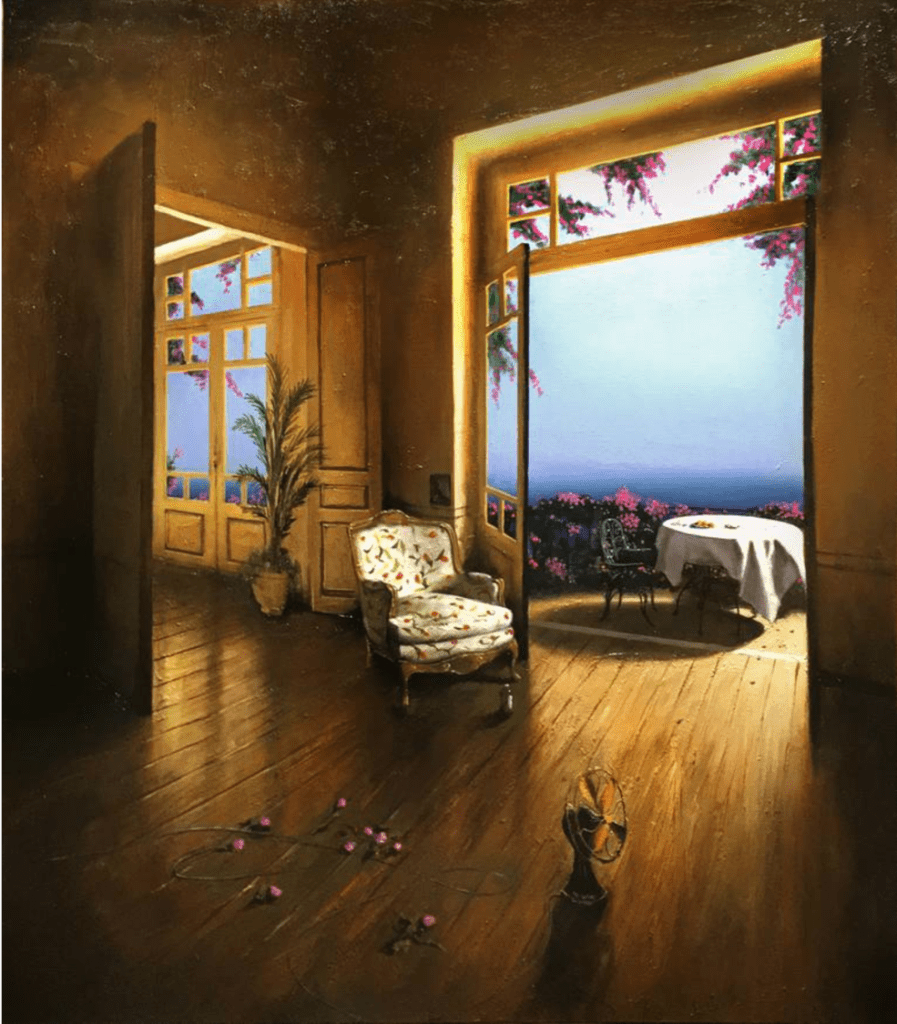
ย ฮ–ฯ‰ฮณฯฮฑฯ†ฮนฮบฮฎ: “ฮ•ฯƒฯ‰ฯ„ฮตฯฮนฮบฯŒ” (ฮคฮฌฯƒฮฟฯ‚ ฮงฯŽฮฝฮนฮฑฯ‚)

ฮ˜ฮญฮผฮฑ: “ฮ“ฯฮฌฯˆฯ„ฮต ฮณฮนฮฑ ฯ„ฮท ฯ†ฮฟฯฮฌ ฯ€ฮฟฯ… ฮผฯ€ฮฎฮบฮฑฯ„ฮต ฯƒฮต/ฮฒฮณฮฎฮบฮฑฯ„ฮต ฮฑฯ€ฯŒ ฮญฮฝฮฑ ฮดฯ‰ฮผฮฌฯ„ฮนฮฟ” ฮฎ “ฮ–ฯ‰ฮณฯฮฑฯ†ฮฏฯƒฯ„ฮต ฮญฮฝฮฑ ฮนฮดฮนฮฑฮฏฯ„ฮตฯฮฟ ฮดฯ‰ฮผฮฌฯ„ฮนฮฟ”

ฮฃฯฮฝฯ„ฮฟฮผฮฑ ฮธฮฑ ฮผฮฟฮนฯฮฑฯƒฯ„ฮฟฯฮผฮต ฯ€ฮตฯฮนฯƒฯƒฯŒฯ„ฮตฯฮตฯ‚ ฯ€ฮปฮทฯฮฟฯ†ฮฟฯฮฏฮตฯ‚ ฯƒฯ‡ฮตฯ„ฮนฮบฮฌ ฮผฮต ฮฑฯ…ฯ„ฮฎฮฝ ฯ„ฮท ฯƒฯ…ฮฝฮตฮดฯฮฏฮฑ, ฮณฮน โ€˜ฮฑฯ…ฯ„ฯŒ ฮตฯ€ฮนฯƒฯ„ฯฮญฯˆฯ„ฮต ฮพฮฑฮฝฮฌ.

ฮฃฮฑฯ‚ ฯ€ฯฮฟฯƒฮบฮฑฮปฮฟฯฮผฮต ฮฝฮฑ ฮผฮฟฮนฯฮฑฯƒฯ„ฮตฮฏฯ„ฮต ฯ„ฮฑ ฮณฯฮฑฯ€ฯ„ฮฌ ฯƒฮฑฯ‚ ฮผฮฑฮถฮฏ ฮผฮฑฯ‚ ฯ€ฮฑฯฮฑฮบฮฌฯ„ฯ‰.

ฮšฮฑฮปฮฟฯฮผฮต ฯŒฮปฮตฯ‚ ฮบฮฑฮน ฯŒฮปฮฟฯ…ฯ‚ ฯ€ฮฟฯ… ฯƒฯ…ฮผฮผฮตฯ„ฮตฮฏฯ‡ฮฑฯ„ฮต ฮฝฮฑ ฮผฮฟฮนฯฮฑฯƒฯ„ฮตฮฏฯ„ฮต ฯŒฯƒฮฑ ฮณฯฮฌฯˆฮฑฯ„ฮต ฮบฮฑฯ„ฮฌ ฯ„ฮท ฮดฮนฮฌฯฮบฮตฮนฮฑ ฯ„ฮทฯ‚ ฯƒฯ…ฮฝฮตฮดฯฮฏฮฑฯ‚ ฮผฮฑฯ‚ ฯ€ฮฑฯฮฑฮบฮฌฯ„ฯ‰ (โ€œLeave a replyโ€) ฮบฮฑฮน ฮฝฮฑ ฮบฯฮฑฯ„ฮฎฯƒฮฟฯ…ฮผฮต ฮฑฯ…ฯ„ฮฎ ฯ„ฮทฮฝ ฯ„ฯŒฯƒฮฟ ฮตฮฝฮดฮนฮฑฯ†ฮญฯฮฟฯ…ฯƒฮฑ ฯƒฯ…ฮถฮฎฯ„ฮทฯƒฮฎ ฮผฮฑฯ‚ ฮถฯ‰ฮฝฯ„ฮฑฮฝฮฎ, ฯ…ฯ€ฮตฮฝฮธฯ…ฮผฮฏฮถฮฟฮฝฯ„ฮฌฯ‚ ฯƒฮฑฯ‚, ฮฒฮตฮฒฮฑฮฏฯ‰ฯ‚, ฯŒฯ„ฮน ฮฑฯ…ฯ„ฮฎ ฮตฮฏฮฝฮฑฮน ฮผฮนฮฑ ฮดฮทฮผฯŒฯƒฮนฮฑ ฯ€ฮปฮฑฯ„ฯ†ฯŒฯฮผฮฑ ฮบฮฑฮน ฮท ฯ€ฯฯŒฯƒฮฒฮฑฯƒฮท ฮฑฮฝฮฟฮนฯ‡ฯ„ฮฎ ฯƒฯ„ฮฟ ฮบฮฟฮนฮฝฯŒ.

ฮ˜ฮฑ ฮธฮญฮปฮฑฮผฮต ฮฝฮฑ ฮผฮฌฮธฮฟฯ…ฮผฮต ฯ€ฮตฯฮนฯƒฯƒฯŒฯ„ฮตฯฮฑ  ฮณฮนฮฑ ฯ„ฮทฮฝ ฮตฮผฯ€ฮตฮนฯฮฏฮฑ ฯƒฮฑฯ‚ ฮผฮต ฮฑฯ…ฯ„ฮญฯ‚ ฯ„ฮนฯ‚ ฯƒฯ…ฮฝฮตฮดฯฮฏฮตฯ‚. ฮ‘ฮฝ ฯ„ฮฟ ฮตฯ€ฮนฮธฯ…ฮผฮตฮฏฯ„ฮต, ฯ€ฮฑฯฮฑฮบฮฑฮปฮฟฯฮผฮต ฮฑฯ†ฮนฮตฯฯŽฯƒฯ„ฮต ฮปฮฏฮณฮฟ ฯ‡ฯฯŒฮฝฮฟ ฯƒฮต ฮผฮนฮฑ ฯƒฯฮฝฯ„ฮฟฮผฮท ฮญฯฮตฯ…ฮฝฮฑ ฮดฯฮฟ ฮตฯฯ‰ฯ„ฮฎฯƒฮตฯ‰ฮฝ!

ฮ‘ฮบฮฟฮปฮฟฯ…ฮธฮฎฯƒฯ„ฮต ฯ„ฮฟฮฝ ฯƒฯฮฝฮดฮตฯƒฮผฮฟ:ย https://tinyurl.com/nmedg-survey


ฮ–ฯ‰ฮณฯฮฑฯ†ฮนฮบฮฎ: “ฮ•ฯƒฯ‰ฯ„ฮตฯฮนฮบฯŒ” (ฮคฮฌฯƒฮฟฯ‚ ฮงฯŽฮฝฮนฮฑฯ‚)