Live Virtual Group Session: 6pm EDT June 15th 2020

Our Narrative Medicine Live Virtual Zoom session tonight brought together 27 people from across the country โ€“ and the world โ€“ to watch and listen to a video of Joshua Bennett perform โ€œTamaraโ€™s Opusโ€ years ago at the White House. We listened to the artistโ€™s words and watched his movements enhance a lament and an apology to his sister who is Deaf. He tells of the time, as a 5-year-old, he was shocked to hear his father say that there is nothing wrong with his Tamara. She is different, his father says. Viewers feel the long-ago shattering of Joshuaโ€™s innocence. How strong must have been their sibling-bond before he felt the nine letters of the word โ€œd-i-f-f-e-r-e-n-tโ€ as hammers shattering his โ€œstained-glass innocence.โ€ His lyrics bring sounds (of rain and crickets), which he realizes Tamara never heard and evoke images of his sister and others dancing not to sound but to the vibrations of music coming from loudspeakers cranked to the max.

His narrative takes him from before either the sister or brother was born โ€œall those conversations we must have had in Heaven โ€ to the present moment when he laments โ€œno poemโ€ฆcan make up for all the time that we have lostโ€ and offers an apology by dancing his digits in Sign Language that he has learned. In so doing, Bennett shows us the power not only of opening our ears (like lotus petals) to deeply listen but also the power of learning an otherโ€™s language. Participants commented on the abyss they perceived between the two characters, and the efforts Joshua puts in to overcome it. In enjoying this beautiful performance and piece, we reflected on the ways to overcome such an abyss: by learning a new language, apologizing, or simply being present.   

In response to the prompt, โ€œWrite about shattering the silenceโ€ participants echoed back to Joshua Bennet strong visuals, sense perceptions, a list poem, the physicality of breaking cups and platters and marching in the street to shatter unjustly imposed silences. The prompt took us in many different directions in asking us to think of a silence shattered, whether it meant the novelty of introducing a new sound into a space or the tragedy of removing an ongoing sound from a scene of daily life.

Participants are warmly encouraged to share what you wrote below (โ€œLeave a Replyโ€), to keep the conversation going here, bearing in mind that the blog of course is a public space where confidentiality is not assured.

Please join us for our next session Wednesday, June 17th at 12pm EDT, with more times listed on our Live Virtual Group Sessions page.

We look forward to seeing you again soon!


โ€œTamaraโ€™s Opusโ€
by Joshua Bennett
 
Tamara has never listened
to hip-hop
Never danced
to the rhythm of raindrops
or fallen asleep to a chorus of chirping crickets
she has been Deaf
for as long as I have been alive
and ever since the day that I turned five
My father has said:
"Joshua. Nothing is wrong with Tamara.
God just makes
some people different."
And at that moment
those nine letters felt like hammers
swung gracefully by unholy hands
to shatter my stained-glass innocence
into shards that could never be pieced back together
or do anything more
than sever the ties between my sister and I.

I waited
was patient numberless years
anticipating the second
her ears would open like lotuses
and allow my sunlight sentences to seep
into her insides
make her remember all those conversations
we must have had in Heaven
back when God hand-picked us
to be sibling souls centuries ago

I still remember her 20th birthday
readily recall my awestruck eleven-year old eyes
as I watched Deaf men and women of all ages
dance in unison to the vibrations
of speakers booming so loud
that I imagined angels chastising us
for disturbing their worship
with such beautiful blasphemy
until you have seen
a Deaf girl dance
you know nothing of passion.
There was a barricade between us
that I never took the time to destroy
never for even a moment
thought to pick up a book and look up
the signs for sister
for family
for goodbye, I will see you again some day
remember the face of your little brother.
It is only now I see
that I was never willing
to put in the extra effort to love her properly
So as the only person in my family
who is not fluent in sign language
I have decided to take this time
to apologize
Tamara, I am sorry
for my silence.

But true love knows no frequency
So I will use these hands
to speak volumes
that could never be contained
within the boundaries of sound waves
I will shout at the top of my fingertips
until digits dance and relay these messages
directly to your soul
I know
that there is no poem
that can make up for all the time that we have lost
but please, if you can
just listen
as I play you a symphony
on the strings of my heart
made for no other ears on this Earth
but yours.

Brave New Voices slam champion Joshua Bennett performs "Tamaraสผs Opus
at the White House Evening of Poetry, Music, and the Spoken Word 
on May 12, 2009.

Live Virtual Group Session: 3pm EDT June 14th 2020

Thank you to everyone who joined us for this session!

With participants from Bahrain, Calgary, Massachusetts, Northern Ontario, Norwich, England, Pennsylvania, San Francisco and more, we began by looking at a video of Maya Angelou reciting โ€“or more accurately, performing her poem, โ€œWe Wear the Mask.โ€ย  The video begins with her explaining that the poem was written to honor a maid she routinely encountered on a city bus, whose seeming-laugh Angelou recognized as โ€œthat survival instinct.โ€ย  Her poem draws, she explained, upon Paul Laurence Dunbarโ€™s 1892 poem of the same name.ย  Despite the wonkiness of the video reception on Zoom, we were all deeply affected, as we went on to read the poem silently to ourselves. ย Participants remarked on Angelou’s moving and emotional presentation, noting their initial reticence to react, which was perhaps due to the personal and emotional impact of the piece, a deference to or in reverence of the recitation, or the feeling that one needed to โ€œmeet the challengeโ€ of its presentation.ย  As we proceeded, the responses to both the performance and the written word took us into the complexity of laughter as a human response, how it can express irony, submission, defiance, self-protectionย  ย โ€“and what it can conceal.ย  The on-goingness of racial suffering andย the presence of generational traumaย expressed in the poem were observed, โ€œThere in those pleated faces/I see the auction block,โ€ as was and the poemโ€™s final note of gratitude to those who wore a mask of submission, โ€œFrom living on the edge of death/They kept my race aliveโ€.

The responses to the prompt, โ€œWrite about the last mask you encountered,โ€ were stunning in their depth, and seemed to answer the poem in a way.ย ย Participants bravely experimented in their writing and gave voice to both individual and community experiences, of feeling marginalized and adjusting personal behavior, to navigate spaces that at times may not accept their identities.ย ย It was a remarkable session!ย 

Participants are warmly encouraged to share what you wrote below (โ€œLeave a Replyโ€), to keep the conversation going here, bearing in mind that the blog of course is a public space where confidentiality is not assured.

Please join us for our next session Monday, June 15th at 6pm EDT, with more times listed on our Live Virtual Group Sessions page.

We look forward to seeing you again soon!


We Wear the Mask
BYย Maya Angelou

We wear the mask that grins and lies,
It shades our cheeks and hides our eyes,โ€”
This debt we pay to human guile;
With torn and bleeding hearts we smile,
And mouth with myriad subtleties.

Why should the world be over-wise,
In counting all our tears and sighs?
Nay, let them only see us, while
We wear the mask.

We smile, but, O my God, our tears
To thee from tortured souls arise.
And we sing, but oh the clay is vile
Beneath our feet, and long the mile;
But let the world think otherwise,
We wear the mask!

When I think about myself,
I almost laugh myself to death,
My life has been one great big joke,
A dance thatโ€™s walked,
A song was spoke,
I laugh so hard, I almost choke,
When I think about myself.

Seventy years in these folksโ€™ world.
The child I works for calls me "girl";
I say, โ€œYes maโ€™am,โ€ for workingโ€™s sake.
I'm too proud to bend
And too poor to break,
So, I laugh, until my stomach ache,
When I think about myself.

My folks can make me split my side,
I laughed so hard, I nearly died.
The tales they tell, sound just like lyin',
They grow the fruit, but eat the rind.
I laugh, until I start to cryin',
When I think about myself,
And my folks, and the little children.

My Fathers sit on benches,
Their flesh count every plank,
The slats leave dents of darkness
Deep in their withered flank,

And they nod, like broken candles,
All waxed and burnt profound
They say 'But, Sugar, it was our submission
That made your world go round.'

There in those pleated faces
I see the auction block,
The chains and slavery's coffles,
The whip and lash and stock.

My Fathers speak in voices
That shred my fact and sound,
They say, 'But Sugar, it was our submission
And that made your world go round.'

They've laughed to shield their crying ,
They shuffled through their dreams
They step 'n' fetched a country
And wrote the blues in screams.

I understand their meaning,
It could and did derive,
From living on the ledge of death,
They kept my race alive.

By wearing the mask.

ฮ–ฯ‰ฮฝฯ„ฮฑฮฝฮฎ ฯƒฯ…ฮฝฮตฮดฯฮฏฮฑ ฮฑฯ†ฮทฮณฮทฮผฮฑฯ„ฮนฮบฮฎฯ‚ ฮนฮฑฯ„ฯฮนฮบฮฎฯ‚: ฮšฯ…ฯฮนฮฑฮบฮฎ 14 ฮ™ฮฟฯ…ฮฝฮฏฮฟฯ…, 8 m.m. EEST

ฮฃฮฑฯ‚ ฮตฯ…ฯ‡ฮฑฯฮนฯƒฯ„ฮฟฯฮผฮต ฯ€ฮฟฯ… ฯƒฯ…ฮผฮผฮตฯ„ฮตฮฏฯ‡ฮฑฯ„ฮต ฯƒฮต ฮฑฯ…ฯ„ฮฎฮฝ ฯ„ฮท ฯƒฯ…ฮฝฮตฮดฯฮฏฮฑ.

ฮคฮฟ ฮบฮตฮฏฮผฮตฮฝฯŒ ฮผฮฑฯ‚ ฮณฮนฮฑ ฯƒฮฎฮผฮตฯฮฑ ฮฎฯ„ฮฑฮฝ: ฮ‘ฮฝฯ„ฯŒฮฝ ฮคฯƒฮญฯ‡ฯ‰ฯ†, “ฮŸ ฮ˜ฮตฮฏฮฟฯ‚ ฮ’ฮฌฮฝฮนฮฑฯ‚

ฮ˜ฮญฮผฮฑ: ฮ“ฯฮฌฯˆฯ„ฮต ฮณฮนฮฑ ฯ„ฮท ฯ†ฮฟฯฮฌ ฯ€ฮฟฯ… ฮพฯฯ€ฮฝฮทฯƒฮฑฮฝ ฮผฮญฯƒฮฑ ฯƒฮฑฯ‚ ฮฑฮนฯƒฮธฮฎฮผฮฑฯ„ฮฑ

ฮฃฯฮฝฯ„ฮฟฮผฮฑ ฮธฮฑ ฮผฮฟฮนฯฮฑฯƒฯ„ฮฟฯฮผฮต ฯ€ฮตฯฮนฯƒฯƒฯŒฯ„ฮตฯฮตฯ‚ ฯ€ฮปฮทฯฮฟฯ†ฮฟฯฮฏฮตฯ‚ ฯƒฯ‡ฮตฯ„ฮนฮบฮฌ ฮผฮต ฮฑฯ…ฯ„ฮฎฮฝ ฯ„ฮท ฯƒฯ…ฮฝฮตฮดฯฮฏฮฑ, ฮณฮน ‘ฮฑฯ…ฯ„ฯŒ ฮตฯ€ฮนฯƒฯ„ฯฮญฯˆฯ„ฮต ฮพฮฑฮฝฮฌ.

ฮฃฮฑฯ‚ ฯ€ฯฮฟฯƒฮบฮฑฮปฮฟฯฮผฮต ฮฝฮฑ ฮผฮฟฮนฯฮฑฯƒฯ„ฮตฮฏฯ„ฮต ฯ„ฮฑ ฮณฯฮฑฯ€ฯ„ฮฌ ฯƒฮฑฯ‚ ฮผฮฑฮถฮฏ ฮผฮฑฯ‚ ฯ€ฮฑฯฮฑฮบฮฌฯ„ฯ‰.


(ฮšฮฎฯ€ฮฟฯ‚. ฮฆฮฑฮฏฮฝฮตฯ„ฮฑฮน ฮผฮญฯฮฟฯ‚ ฯ„ฮฟฯ… ฯƒฯ€ฮนฯ„ฮนฮฟฯ ฮผฮต ฯ„ฮท ฮฒฮตฯฮฌฮฝฯ„ฮฑ. ฮฃฯ„ฮทฮฝ ฮฑฮปฮญฮฑ, ฮบฮฌฯ„ฯ‰ ฮฑฯ€ฯŒ ฮผฮนฮฑ ฮณฮญฯฮนฮบฮท ฮปฮตฯฮบฮฑ, ฯ„ฯฮฑฯ€ฮญฮถฮน ฯƒฯ„ฯฯ‰ฮผฮญฮฝฮฟ ฮณฮนฮฑ ฯ„ฯƒฮฌฮน. ฮ ฮฌฮณฮบฮฟฮน ฮบฮฑฮน ฮบฮฑฯฮญฮบฮปฮตฯ‚ ฮบฮฎฯ€ฮฟฯ…. ฮ ฮฌฮฝฯ‰ ฯƒฯ„ฮฟฮฝ ฯ€ฮฌฮณฮบฮฟ ฮฑฮบฮฟฯ…ฮผฯ€ฮนฯƒฮผฮญฮฝฮท ฮผฮนฮฑ ฮบฮนฮธฮฌฯฮฑ. ฮ›ฮฏฮณฮฟ ฯ€ฮนฮฟ ฯ€ฮญฯฮฑ ฮฑฯ€ฯŒ ฯ„ฮฟ ฯ„ฯฮฑฯ€ฮญฮถฮน, ฮผฮนฮฑ ฮบฮฟฯฮฝฮนฮฑ. ฮฯฮฑ ฯ€ฮตฯฮฏฯ€ฮฟฯ… ฯ„ฯฮตฮนฯ‚ ฯ„ฮฟ ฮฑฯ€ฯŒฮณฮตฯ…ฮผฮฑ. ฮฃฯ…ฮฝฮฝฮตฯ†ฮนฮฌ. ฮ— ฮœฮฑฯฮฏฮฝฮฑ, ฮผฮนฮฑ ฯ€ฮฑฯ‡ฮนฮฌ, ฮดฯ…ฯƒฮบฮฏฮฝฮทฯ„ฮท ฮณฯฮนฮฟฯฮปฮฑ, ฮบฮฌฮธฮตฯ„ฮฑฮน ฮบฮฟฮฝฯ„ฮฌ ฯƒฯ„ฮฟ ฯƒฮฑฮผฮฟฮฒฮฌฯฮน ฮบฮฑฮน ฯ€ฮปฮญฮบฮตฮน ฮผฮนฮฑ ฮบฮฌฮปฯ„ฯƒฮฑ. ฮŸ ฮ‘ฯƒฯ„ฯฯŽฯ† ฯ€ฮทฮณฮฑฮนฮฝฮฟฮญฯฯ‡ฮตฯ„ฮฑฮน ฯƒฯ„ฮทฮฝ ฮฑฮปฮญฮฑ ฮบฮฟฮฝฯ„ฮฌ ฯ„ฮทฯ‚)

ฮœฮ‘ฮกฮ™ฮฮ‘. (ฮ’ฮฌฮถฮตฮน ฯ„ฯƒฮฌฮน ฯƒโ€™ ฮญฮฝฮฑ ฯ€ฮฟฯ„ฮฎฯฮน) ฮˆฮปฮฑ ฯ€ฮนฮตฯ‚, ฮบฮฑฮปฮญ ฮผฮฟฯ….

ฮ‘ฮฃฮคฮกฮฉฮฆ. (ฮ ฮฑฮฏฯฮฝฮตฮน ฮฑฮฝฯŒฯฮตฯ‡ฯ„ฮฟฯ‚ ฯ„ฮฟ ฯ€ฮฟฯ„ฮฎฯฮน) ฮ”ฮตฮฝ ฮญฯ‡ฯ‰ ฮบฮฑฮน ฯ€ฮฟฮปฮปฮฎ ฯŒฯฮตฮพฮท.

ฮœฮ‘ฮกฮ™ฮฮ‘. ฮœฮฎฯ€ฯ‰ฯ‚ ฮผฮนฮฑ ฯƒฯ„ฮฑฮปฮฏฯ„ฯƒฮฑ ฮฒฯŒฯ„ฮบฮฑ;

ฮ‘ฮฃฮคฮกฮฉฮฆ. ฮœฯ€ฮฑ! ฮ”ฮตฮฝ ฯ€ฮฏฮฝฯ‰ ฮบฮฌฮธฮต ฮผฮญฯฮฑ ฮฒฯŒฯ„ฮบฮฑ. ฮ•ฮฏฮฝฮฑฮน ฮบฮน ฮฑฯ…ฯ„ฮฎ ฮท ฮบฮฟฯ…ฯ†ฯŒฮฒฯฮฑฯƒฮท. (ฮ ฮฑฯฯƒฮท) ฮ‘ฮปฮฎฮธฮตฮนฮฑ, ฮฝฮญฮฝฮฑ, ฯ€ฯŒฯƒฮฑ ฯ‡ฯฯŒฮฝฮนฮฑ ฮณฮฝฯ‰ฯฮนฮถฯŒฮผฮฑฯƒฯ„ฮต;

ฮœฮ‘ฮกฮ™ฮฮ‘. (ฮฃฮบฮญฯ†ฯ„ฮตฯ„ฮฑฮน) ฮ ฯŒฯƒฮฑ; ฮ˜ฮตฮญ ฮผฮฟฯ…, ฯ€ฮฟฯ ฮฝฮฑ ฮธฯ…ฮผฮฌฮผฮฑฮนโ€ฆ ฮ•ฯƒฯ ฮฎฯฮธฮตฯ‚ ฯƒฯ„ฮฑ ฮผฮญฯฮท ฮผฮฑฯ‚โ€ฆ ฮผฮฑ, ฯ€ฯŒฯ„ฮต ฮฎฯ„ฮฑฮฝฮต; ฮ–ฮฟฯฯƒฮต ฮฑฮบฯŒฮผฮฑ ฮท ฮ’ฮญฯฮฑ ฮ ฮตฯ„ฯฯŒฮฒฮฝฮฑ, ฮท ฮผฮทฯ„ฮญฯฮฑ ฯ„ฮทฯ‚ ฮฃฯŒฮฝฮนฮตฯƒฮบฮฑฯ‚. ฮคฮฟฯ…ฯ‚ ฮดฯ…ฮฟ ฯ€ฯฯŽฯ„ฮฟฯ…ฯ‚ ฯ‡ฮตฮนฮผฯŽฮฝฮตฯ‚ ฯ€ฮฟฯ… ฮตฯฯ‡ฯŒฯƒฮฟฯ…ฮฝฮฑ ฯƒฯ„ฮฟ ฯƒฯ€ฮฏฯ„ฮน ฮผฮฑฯ‚, ฮตฮบฮตฮฏฮฝฮท ฮถฮฟฯฯƒฮต ฮฑฮบฯŒฮผฮฑโ€ฆ ฮ”ฮทฮปฮฑฮดฮฎ, ฮญฯ‡ฮฟฯ…ฮฝฮต ฯ€ฮตฯฮฌฯƒฮตฮน ฯ„ฮฟฯ…ฮปฮฌฯ‡ฮนฯƒฯ„ฮฟ ฮญฮฝฯ„ฮตฮบฮฑ ฯ‡ฯฯŒฮฝฮนฮฑโ€ฆ (ฮฃฮบฮญฯ†ฯ„ฮตฯ„ฮฑฮน ฮณฮนฮฑ ฮผฮนฮฑ ฯƒฯ„ฮนฮณฮผฮฎ) ฮœฯ€ฮฟฯฮตฮฏ ฮบฮฑฮน ฯ€ฮฑฯฮฑฯ€ฮฌฮฝฯ‰โ€ฆ

ฮ‘ฮฃฮคฮกฮฉฮฆ. ฮˆฯ‡ฯ‰ ฮฑฮปฮปฮฌฮพฮตฮน ฯ€ฮฟฮปฯ ฮฑฯ€ฯŒ ฯ„ฯŒฯ„ฮต;

ฮœฮ‘ฮกฮ™ฮฮ‘. ฮŸฯ…ฮฟฯ, ฮฒฮญฮฒฮฑฮนฮฑ! ฮคฯŒฯ„ฮต ฮฎฯƒฮฟฯ…ฮฝฮฑ ฮฝฮญฮฟฯ‚ ฮบฮฑฮน ฯ‰ฯฮฑฮฏฮฟฯ‚, ฯ„ฯŽฯฮฑ ฮญฯ‡ฮตฮนฯ‚ ฮณฮตฯฮฌฯƒฮตฮน. ฮ”ฮตฮฝ ฮตฮฏฯƒฮฑฮน ฯ€ฮนฮฑ ฯŒฮผฮฟฯฯ†ฮฟฯ‚, ฯŒฯ€ฯ‰ฯ‚ ฯ„ฯŒฯ„ฮต. ฮ•ฮฏฮฝฮฑฮน ฮบฮฑฮน ฯ„ฮฟ ฮฌฮปฮปฮฟ โ€“ ฮตฮฏฮฝฮฑฮน ฮบฮฑฮน ฮท ฮฒฯŒฯ„ฮบฮฑ ฯ„ฯŽฯฮฑ.

ฮ‘ฮฃฮคฮกฮฉฮฆ. ฮฮฑฮนโ€ฆ ฮผฮญฯƒฮฑ ฯƒฮต ฮดฮญฮบฮฑ ฯ‡ฯฯŒฮฝฮนฮฑ ฮญฯ‡ฯ‰ ฮณฮฏฮฝฮตฮน ฮฌฮปฮปฮฟฯ‚ ฮฌฮฝฮธฯฯ‰ฯ€ฮฟฯ‚. ฮ“ฮนฮฑฯ„ฮฏ; ฮ“ฮนฮฑฯ„ฮฏ ฮดฮฟฯฮปฮตฯˆฮฑ ฯ€ฮฟฮปฯ ฯƒฮบฮปฮทฯฮฌ, ฮฝฮญฮฝฮฑ. ฮ‘ฯ€โ€™ ฯ„ฮฟ ฯ€ฯฯ‰ฮฏ ฯ‰ฯ‚ ฯ„ฮฟ ฮฒฯฮฌฮดฯ… ฯƒฯ„ฮฟ ฯ€ฯŒฮดฮน ฮตฮฏฮผฮฑฮน โ€“ ฮดฮตฮฝ ฮพฮญฯฯ‰ ฯ„ฮน ฮธฮฑ ฯ€ฮตฮน ฮพฮตฮบฮฟฯฯฮฑฯƒฮท. ฮšฮฑฮน ฯ„ฮท ฮฝฯฯ‡ฯ„ฮฑ, ฯˆฯŒฯ†ฮนฮฟฯ‚ ฮบฮฌฯ„ฯ‰ ฮฑฯ€โ€™ ฯ„ฮฑ ฯƒฮบฮตฯ€ฮฌฯƒฮผฮฑฯ„ฮฑ, ฮฝฮฑ ฯ†ฮฟฮฒฮฌฮผฮฑฮน ฮผฮฎฯ€ฯ‰ฯ‚ ฮผโ€™ ฮฑฮณฮณฮฑฯฮญฯˆฮฟฯ…ฮฝฮต ฮณฮนฮฑ ฮบฮฑฮฝฮญฮฝฮฑฮฝ ฮฌฯฯฯ‰ฯƒฯ„ฮฟ. ฮŒฮปฮฑ ฮฑฯ…ฯ„ฮฌ ฯ„ฮฑ ฯ‡ฯฯŒฮฝฮนฮฑ ฯ€ฮฟฯ… ฯƒฮต ฮพฮญฯฯ‰ ฮบฮฑฮน ฮผฮต ฮพฮญฯฮตฮนฯ‚, ฮดฮตฮฝ ฮตฮฏฯ‡ฮฑ ฮฟฯฯ„ฮต ฮผฮนฮฑ ฮผฮญฯฮฑ ฮดฮนฮบฮนฮฌ ฮผฮฟฯ…. ฮ ฯŽฯ‚ ฮฝฮฑ ฮผฮท ฮณฮตฯฮฌฯƒฯ‰! ฮ†ฮปฮปฯ‰ฯƒฯ„ฮต, ฮบฮน ฮท ฮถฯ‰ฮฎ ฯ€ฮฟฯ… ฮบฮฌฮฝฮฟฯ…ฮผฮต โ€“ ฯ€ฮปฮฎฮพฮท, ฮฑฮฝฮฏฮฑ, ฮฒฯฮฟฮผฮนฮฌโ€ฆ ฮฃฮต ฯฮฟฯ…ฯ†ฮฌฮตฮน ฯƒฯ„ฮฟ ฯ„ฮญฮปฮผฮฑ ฯ„ฮทฯ‚ ฮผฮนฮฑ ฯ„ฮญฯ„ฮฟฮนฮฑ ฮถฯ‰ฮฎ. ฮ“ฯฯฯ‰ ฯƒฮฟฯ…, ฯ€ฮฑฮฝฯ„ฮฟฯ, ฮบฮฌฯ„ฮน ฮฑฮปฮปฯŒฮบฮฟฯ„ฮฟฮน ฮฌฮฝฮธฯฯ‰ฯ€ฮฟฮน โ€“ ฯ€ฮฟฮปฯ ฮฑฮปฮปฯŒฮบฮฟฯ„ฮฟฮน, ฯŒฮปฮฟฮน ฯ„ฮฟฯ…ฯ‚. ฮšฮน ฯŒฯ„ฮฑฮฝ ฮถฮฎฯƒฮตฮนฯ‚ ฮผฮฑฮถฮฏ ฯ„ฮฟฯ…ฯ‚ ฮญฮฝฮฑ ฮดฯ…ฮฟ ฯ‡ฯฯŒฮฝฮนฮฑ, ฮณฮฏฮฝฮตฯƒฮฑฮน ฮฑฮปฮปฯŒฮบฮฟฯ„ฮฟฯ‚ ฮบฮน ฮตฯƒฯ, ฯ‡ฯ‰ฯฮฏฯ‚ ฮฝฮฑ ฯ„ฮฟ ฮบฮฑฯ„ฮฑฮปฮฌฮฒฮตฮนฯ‚. ฮ•ฮฏฮฝฮฑฮน ฮท ฮผฮฟฮฏฯฮฑ ฯƒฮฟฯ…, ฮดฮตฮฝ ฮผฯ€ฮฟฯฮตฮฏฯ‚ ฮฝฮฑ ฮพฮตฯ†ฯฮณฮตฮนฯ‚. (ฮฃฯ„ฯฮฏฮฒฮฟฮฝฯ„ฮฑฯ‚ ฯ„ฮฑ ฮผฮฑฮบฯฮนฮฌ ฮผฮฟฯ…ฯƒฯ„ฮฌฮบฮนฮฑ ฯ„ฮฟฯ…) ฮšฮฟฮฏฯ„ฮฑ ฯ€ฯŒฯƒฮฟ ฯ„โ€™ ฮฌฯ†ฮทฯƒฮฑ ฯ„ฮฑ ฮผฮฟฯ…ฯƒฯ„ฮฌฮบฮนฮฑ ฮผฮฟฯ…โ€ฆ ฮ“ฮตฮปฮฟฮฏฮฑ ฮผฮฟฯ…ฯƒฯ„ฮฌฮบฮนฮฑ! ฮˆฯ‡ฯ‰ ฮณฮฏฮฝฮตฮน ฮนฮดฮนฯŒฯฯฯ…ฮธฮผฮฟฯ‚, ฮฝฮญฮฝฮฑโ€ฆ ฮŒฮผฯ‰ฯ‚, ฮดฯŒฮพฮฑ ฯ„ฯ‰ ฮ˜ฮตฯŽ, ฮดฮตฮฝ ฮญฯ‡ฯ‰ ฯ‡ฮฑฮถฮญฯˆฮตฮน ฮฑฮบฯŒฮผฮฑ! ฮคฮฑ ฮญฯ‡ฯ‰ ฯ„ฮฑ ฮผฯ…ฮฑฮปฮฌ ฮผฮฟฯ…, ฯŒฮผฯ‰ฯ‚ ฯ„ฮฑ ฮฑฮนฯƒฮธฮฎฮผฮฑฯ„ฮฌ ฮผฮฟฯ… ฮปฮตฯ‚ ฮบฮน ฮญฯ‡ฮฟฯ…ฮฝ ฮฝฮตฮบฯฯ‰ฮธฮตฮฏ. ฮ”ฮตฮฝ ฮญฯ‡ฯ‰ ฮตฯ€ฮนฮธฯ…ฮผฮฏฮฑ ฮณฮนฮฑ ฯ„ฮฏฯ€ฮฟฯ„ฮฑ, ฮดฮตฮฝ ฮฝฮนฯŽฮธฯ‰ ฯ„ฮฏฯ€ฮฟฯ„ฮฑ, ฮดฮตฮฝ ฮฑฮณฮฑฯ€ฮฌฯ‰ ฮบฮฑฮฝฮญฮฝฮฑฮฝ. ฮ•ฮบฯ„ฯŒฯ‚ ฮฑฯ€ฯŒ ฯƒฮญฮฝฮฑ, ฮฏฯƒฯ‰ฯ‚, โ€“ ฮฝฮฑฮน, ฮตฯƒฮญฮฝฮฑ ฯƒฮฟฯ… โ€˜ฯ‡ฯ‰ ฮฑฮบฯŒฮผฮฑ ฮฑฮดฯ…ฮฝฮฑฮผฮฏฮฑ. (ฮคฮท ฯ†ฮนฮปฮฌฮตฮน ฯƒฯ„ฮฑ ฮผฮฑฮปฮปฮนฮฌ) ฮŒฯ„ฮฑฮฝ ฮฎฮผฮฟฯ…ฮฝฮฑ ฯ€ฮฑฮนฮดฮฏ, ฮตฮฏฯ‡ฮฑ ฮบฮน ฮตฮณฯŽ ฮผฮนฮฑ ฮฝฯ„ฮฑฮฝฯ„ฮฌ ฯƒฮฑฮฝ ฮบฮน ฮตฯƒฮญฮฝฮฑ.

ฮœฮ‘ฮกฮ™ฮฮ‘. ฮ”ฮตฮฝ ฮธฮฑ ฯ†ฮฑฯ‚ ฮบฮฌฯ„ฮน;

ฮ‘ฮฃฮคฮกฮฉฮฆ. ฮŒฯ‡ฮน. ฮžฮญฯฮตฮนฯ‚, ฯ„ฮท ฮผฮตฮณฮฌฮปฮท ฮฃฮฑฯฮฑฮบฮฟฯƒฯ„ฮฎ ฯ€ฮฎฮณฮฑ ฯƒฯ„ฮฟ ฮœฮฑฮปฮฏฯ„ฯƒฮบฮฟฯŠฮต โ€“ ฮท ฮคฯฮฏฯ„ฮท ฮฒฮดฮฟฮผฮฌฮดฮฑ ฮฎฯ„ฮฑฮฝ, ฮธฯ…ฮผฮฌฮผฮฑฮน, ฯ„ฯŒฯ„ฮต ฯ€ฮฟฯ… ฮตฮฏฯ‡ฮต ฯ€ฮญฯƒฮตฮน ฮท ฮตฯ€ฮนฮดฮทฮผฮฏฮฑ. ฮ•ฮพฮฑฮฝฮธฮทฮผฮฑฯ„ฮนฮบฯŒฯ‚ ฯ„ฯฯ†ฮฟฯ‚โ€ฆ ฮœฮญฯƒฮฑ ฯƒฯ„ฮฑ ฮบฮฑฮปฯฮฒฮนฮฑ ฮผฮฟฯ…ฮถฮฏฮบฮฟฮน ฯƒฯ„ฮฟฮนฮฒฮฑฮณฮผฮญฮฝฮฟฮน ฮฟ ฮญฮฝฮฑฯ‚ ฯ€ฮฌฮฝฯ‰ ฯƒฯ„ฮฟฮฝ ฮฌฮปฮปฮฟฮฝโ€ฆ ฮ’ฯฯŒฮผฮฑ, ฮดฯ…ฯƒฯ‰ฮดฮฏฮฑ, ฮธฮฟฮปฮฟฯฯฮฑโ€ฆ ฮšฮฑฮน ฯ„ฮฑ ฮผฮฟฯƒฯ‡ฮฌฯฮนฮฑ ฯƒฯ„ฮฟ ฯ€ฮฌฯ„ฯ‰ฮผฮฑ, ฮฑฮฝฮฌฮบฮฑฯ„ฮฑ ฮผฮต ฯ„ฮฟฯ…ฯ‚ ฮฑฮฝฮธฯฯŽฯ€ฮฟฯ…ฯ‚โ€ฆ ฮบฮฑฮน ฯ„ฮฑ ฮผฮนฮบฯฮฌ ฮณฮฟฯ…ฯฮฟฯฮฝฮนฮฑ, ฮบฮน ฮฑฯ…ฯ„ฮฌ ฯƒฯ„ฮท ฮผฮญฯƒฮท. ฮ ฮฑฮนฮดฮตฯฯ„ฮทฮบฮฑ ฯŒฮปฮท ฮผฮญฯฮฑ, ฮฟฯฯ„ฮต ฯƒฯ„ฮนฮณฮผฮฎ ฮดฮตฮฝ ฯƒฯ„ฮฌฮธฮทฮบฮฑ ฮบฮฑฮน ฮดฮตฮฝ ฮญฮฒฮฑฮปฮฑ ฮผฯ€ฮฟฯ…ฮบฮนฮฌ ฯƒฯ„ฮฟ ฯƒฯ„ฯŒฮผฮฑ. ฮ‘ฮปฮปฮฌ ฮบฮน ฯŒฯ„ฮฑฮฝ ฮณฯฯฮนฯƒฮฑ ฯƒฯ„ฮฟ ฯƒฯ€ฮฏฯ„ฮน, ฮดฮตฮฝ ฯ€ฯฯŒฮปฮฑฮฒฮฑ ฮฝฮฑ ฯ€ฮฌฯฯ‰ ฮฑฮฝฮฌฯƒฮฑ. ฮœฮฟฯ… ฯ†ฮญฯฮฑฮฝ ฮญฮฝฮฑฮฝ ฮตฯฮณฮฌฯ„ฮท ฮฑฯ€ฯŒ ฯ„ฮฟฯ…ฯ‚ ฯƒฮนฮดฮทฯฮฟฮดฯฯŒฮผฮฟฯ…ฯ‚. ฮคฮฟฮฝ ฮพฮฌฯ€ฮปฯ‰ฯƒฮฑ ฯƒฯ„ฮฟ ฮบฯฮตฮฒฮฌฯ„ฮน ฮฝฮฑ ฯ„ฮฟฮฝ ฯ‡ฮตฮนฯฮฟฯ…ฯฮณฮฎฯƒฯ‰, ฮบฮน ฮฑฯ…ฯ„ฯŒฯ‚ ฮผฮฟฯ… ฯ€ฮญฮธฮฑฮฝฮต ฯƒฯ„ฮฑ ฯ‡ฮญฯฮนฮฑ, ฯ„ฮทฮฝ ฯŽฯฮฑ ฯ€ฮฟฯ… ฯ„ฮฟฯ… ฮญฮดฮนฮฝฮฑ ฯ„ฮท ฮฝฮฌฯฮบฯ‰ฯƒฮท. ฮšฮฑฮน ฯ„ฯŒฯ„ฮต ฮฑฮบฯฮนฮฒฯŽฯ‚, ฯ€ฮฌฮฝฯ‰ ฯƒฯ„ฮทฮฝ ฮบฮฑฮบฮนฮฌ ฯ„ฮทฮฝ ฯŽฯฮฑ, ฮพฯฯ€ฮฝฮทฯƒฮฑฮฝ ฮผฮญฯƒฮฑ ฮผฮฟฯ… ฯ„ฮฑ ฮฑฮนฯƒฮธฮฎฮผฮฑฯ„ฮฌ ฮผฮฟฯ… ฮบฮน ฮท ฯƒฯ…ฮฝฮตฮฏฮดฮทฯƒฮฎ ฮผฮฟฯ… ฮฌฯฯ‡ฮนฯƒฮต ฮฝฮฑ ฮผฮต ฮฒฮฑฯฮฑฮฏฮฝฮตฮน, ฮปฮตฯ‚ ฮบฮฑฮน ฯ„ฮฟฮฝ ฮตฮฏฯ‡ฮฑ ฯƒฮบฮฟฯ„ฯŽฯƒฮตฮน ฮตฮณฯŽ ฮตฯ€ฮฏฯ„ฮทฮดฮตฯ‚โ€ฆ ฮšฮฌฮธฮนฯƒฮฑ, ฮญฮบฮปฮตฮนฯƒฮฑ ฯ„ฮฑ ฮผฮฌฯ„ฮนฮฑ โ€“ ฮฝฮฑ, ฮญฯ„ฯƒฮน, ฮบฮฑฮน ฮฒฯ…ฮธฮฏฯƒฯ„ฮทฮบฮฑ ฯƒฮต ฯƒฮบฮญฯˆฮตฮนฯ‚. ฮ‘ฯ…ฯ„ฮฟฮฏ ฯ€ฮฟฯ… ฮตฮผฮตฮฏฯ‚ ฯƒฮฎฮผฮตฯฮฑ ฯ„ฮฟฯ…ฯ‚ ฮฑฮฝฮฟฮฏฮณฮฟฯ…ฮผฮต ฯ„ฮฟ ฮดฯฯŒฮผฮฟ, ฮธฮฑ ฮผฮฑฯ‚ ฮธฯ…ฮผฮฟฯฮฝฯ„ฮฑฮน ฮฌฯฮฑฮณฮต; ฮ˜ฮฑ ฮปฮตฮฝโ€™ ฮญฮฝฮฑฮฝ ฮบฮฑฮปฯŒ ฮปฯŒฮณฮฟ ฮบฮฑฮน ฮณฮนฮฑ ฮผฮฑฯ‚; ฮŒฯ‡ฮน, ฮฝฮญฮฝฮฑ, ฮดฮตฮฝ ฮธฮฑ ฮผฮฑฯ‚ ฮธฯ…ฮผฮฟฯฮฝฯ„ฮฑฮน, ฮบฮฑฮน ฮฝฮฑ ฯ„ฮฟ ฮพฮญฯฮตฮนฯ‚.

ฮœฮ‘ฮกฮ™ฮฮ‘. ฮšฮฑฮน ฮฝฮฑ ฮผฮท ฮผฮฑฯ‚ ฮธฯ…ฮผฮฟฯฮฝฯ„ฮฑฮน ฮฟฮน ฮฌฮฝฮธฯฯ‰ฯ€ฮฟฮน, ฮธฮฑ ฮผฮฑฯ‚ ฮธฯ…ฮผฮฌฯ„ฮฑฮน ฮฟ ฮ˜ฮตฯŒฯ‚.

ฮ‘ฮฃฮคฮกฮฉฮฆ. ฮˆฯ„ฯƒฮน ฮผฯ€ฯฮฌฮฒฮฟ! ฮšฮฑฮปฮฌ ฯ„ฮฟ ฮตฮฏฯ€ฮตฯ‚.

ฮ‘ฮฝฯ„ฯŒฮฝ ฮคฯƒฮญฯ‡ฯ‰ฯ†. ฮŸ ฮ˜ฮตฮฏฮฟฯ‚ ฮ’ฮฌฮฝฮนฮฑฯ‚ (ฮœฮตฯ„ฮฌฯ†ฯฮฑฯƒฮท: ฮ•ฯฯฮฏฮบฮฟฯ‚ ฮœฯ€ฮตฮปฮนฮญฯ‚)


Encuentros virtuales en vivo: sรกbado 13 junio, 14:00 EST

ยกTuvimos nuestra primera sesiรณn en espaรฑol y nos fue muy bien. Atendieron 24 participantes en total, representando a estados locales (incluyendo PA, NJ, NY, MA) e paรญses internacionales (incluyendo Chile, Espaรฑa, Mรฉxico, y la Repรบblica Dominicana).

Nuestro texto fue โ€œMuchos Somosโ€ de Pablo Neruda, publicado a continuaciรณn. Dos lectores leyeron el poema en voz alta. Muchos participantes notaron que el narrador de este poema anhela ser alguien mejor, otra persona, pero nunca lo logra. Otra participante comentรณ que el narrador quiere diseรฑarse la geografรญa de si mismo, y aunque no lo logra, al menos lo intenta. La discusiรณn nos llevรณ a la frustraciรณn y envidia que se nota en el poema. Esos sentimientos son universales. Estamos tratando de ser una persona en el trabajo, otra en la casa, y aun otra con nuestras amistades, etc. Nos ponemos diferentes caretas/caras/roles dependiendo de lo que estamos haciendo. Pero aunque trates de compartimentar tu vida, no es posible, dijo una participante. Las personas nos ven como nos quieran ver; no tenemos control sobre eso. Tambiรฉn entra la presiรณn social o lo que se espera de nosotros y eso limita la expresiรณn de nuestra realidad. Fue un intercambio muy fascinante, y casi no termina para empezar la parte donde escribimos en conjunto.

Escribir en uniรณn: Escribe sobre la persona que anhelas ser.โ€ Seis participantes compartieron sus escritos, inspirando una rica variedad de respuestas de los oyentes.  Las respuestas fueron variadas, tanto en el tiempo narrativo, como el tema. A veces la acciรณn de lo escrito transcurrรญa en el presente, lo cual generรณ la observaciรณn de que el anhelo es algo condicional (querrรญa / quisiera ser) en vez del presente (quiero ser). Por otro lado, algunos participantes vertieron sus experiencias como profesionales de la salud, a veces contrapuesto a sus otras dimensiones personales. En un par de oportunidades lo escrito abordรณ el lado mรกs humano y personal, alejado de otras dimensiones. Hubo ademรกs comentarios y observaciones muy detalladas que generaron un buen intercambio. Sin duda, se hizo corto el tiempo!

Se alienta a los participantes a compartir lo que escribieron a continuaciรณn (“Deja una respuesta”), para mantener la conversaciรณn aquรญ, teniendo en cuenta que el blog, por supuesto, es un espacio pรบblico donde no se garantiza la confidencialidad.

Por favor, รบnase a nosotros para nuestra prรณxima sesiรณn en espaรฑol: Sรกbado, 27 de junio a las 2 pm EST, con mรกs veces listadas en inglรฉs en nuestra pรกgina de sesiones grupales virtuales en vivo.

ยกEsperamos verte pronto!


MUCHOS SOMOS
Pablo Neruda

DE tantos hombres que soy, que somos,
no puedo encontrar a ninguno:
se me pierden bajo la ropa,
se fueron a otra ciudad.

Cuando todo estรก preparado
para mostrarme inteligente
el tonto que llevo escondido
se toma la palabra en mi boca.

Otras veces me duermo en medio
de la sociedad distinguida
y cuando busco en mรญ al valiente,
un cobarde que no conozco
corre a tomar con mi esqueleto
mil deliciosas precauciones.

Cuando arde una casa estimada
en vez del bombero que llamo
se precipita el incendiario
y รฉse soy yo. No tengo arreglo.
Quรฉ debo hacer para escogerme?

Cรณmo puedo rehabilitarme?
Todos los libros que leo
celebran hรฉroes refulgentes
siempre seguros de sรญ mismos:
me muero de envidia por ellos,
en los filmes de vientos y balas
me quedo envidiando al jinete,
me quedo admirando al caballo.


Pero cuando pido al intrรฉpido
me sale el viejo perezoso,
y asรญ yo no sรฉ quiรฉn soy,
no sรฉ cuรกntos soy o seremos.
Me gustarรญa tocar un timbre
y sacar el mรญ verdadero
porque si yo me necesito
no debo desaparecerme.

Mientras escribo estoy ausente
y cuando vuelvo ya he partido:
voy a ver si a las otras gentes
les pasa lo que a mรญ me pasa,
si son tantos como soy yo,
si se parecen a sรญ mismos
y cuando lo haya averiguado
voy a aprender tan bien las cosas
que para explicar mis problemas
les hablarรฉ de geografรญa.

Laboratori Di Medicina Narrativa: sabato 13 giugno dalle 16 alle 17.30

Siamo stati molto lieti di avervi qui con noi!

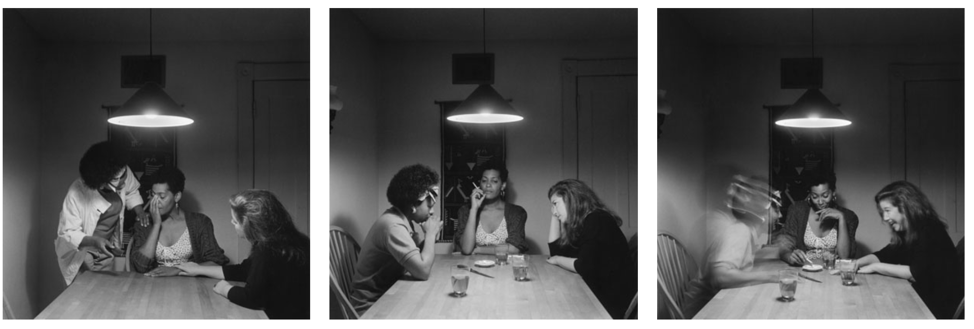
Abbiamo studiato insieme tre foto della serie “La tavola di cucina” di Carrie Mae Weems (allegato al termine di questa pagina)ย ย 

In seguito, abbiamo usato il prompt “Alla mia tavola…”.

Condivideremo ulteriori dettagli della sessione nei prossimi giorni; vi invitiamo a rivisitare questa pagina nei prossimi giorni!

Invitiamo i partecipanti del laboratorio a condividere i propri scritti nella parte “blog” dedicata alla fine della presente pagina (“Leave a Reply”). Speriamo di creare, attraverso questo forum di condivisione, uno spazio in cui continuare la nostra conversazione!

“La tavola di cucina” di Carrie Mae Weems

Live Virtual Group Session: 12pm EDT June 10th 2020

We welcomed 22 people from U.S. states including New York, New Jersey, and California and other countries including India, Bahrain and Canada. Together, we watched โ€œThe Last Performance,โ€ a one-minute film written and directed by Reza Moayedi (2013, Iran).ย 

After two viewings of the film, we opened the discussion by asking what we knew about people in the film — the musician, his companion, the person in the control room.  Hands were โ€œraisedโ€ immediately, and participants shared aspects of the film that resonated personally for them. We wondered if the two people on stage were a father and daughter, or perhaps a patient and caretaker. We also thought about how the story might have changed with different casting — for example, what if the director had chosen actors with other apparent ages or genders, or if the musical instrument had been a piano or electric guitar? One participant drew a parallel to two plays by Eugene Ionesco: โ€œThe Chairsโ€ and โ€œThe Lesson.โ€ We explored how the filmโ€™s title shaped our ideas about what we saw, especially because it came at the end of the work rather than at the beginning. 

Our prompt was โ€œWrite about a space youโ€™d like to return to,โ€ which opened up the many ways that we can think about space. One writer discussed the architecture of space and the difference between public and private spaces. Another spoke from the personal perspective, thinking about conscious and unconscious spaces, and the way we lose ourselves to become part of the larger world.ย  We also thought about the spaces that weโ€™d like to go back to that no longer exist, such as spaces where our parents were still young and healthy, or spaces of innocence before we knew things we wished we did not. Our final two readers used sensory details to populate their spaces. For one, that was the French Alps, a place dotted with red poppies and โ€œpeppered by hamlets,โ€ and open to freedom, and for the other, Hanging Basket Lake, with water so ice-cold that the narrator shivers just to look at it. That latter piece ended with a tumble, and we noticed how the earlier details let us feel the impact of the fall in our own bodies.ย ย ย ย ย ย 

Participants are warmly encouraged to share what you wrote below (โ€œLeave a Replyโ€), to keep the conversation going here, bearing in mind that the blog of course is a public space where confidentiality is not assured.

Please join us for our next session Sunday, June 14th at 3pm EDT, with more times listed on our Live Virtual Group Sessions page.

We look forward to seeing you again soon!

THE LAST PERFORMANCE
Reza Moayedi
DIRECTOR , WRITER & PRODUCER โ€“ Reza Moayedi / DIRECTOR OF PHOTOGRAPHY โ€“ Nima Daneshmand / EDITOR โ€“ Saeed Hemati / SOUND โ€“ Maziar Hajati / ASSISTANT DIRECTOR โ€“ Haleh Alizadeh / ASSITANT CAMERA โ€“ Masoud Ramezanpour / CAST โ€“ Gholamreza Amani , Mona Sayad , Manouchehr Atashak


Wirtualne Grupy Narracyjne: Wtorek 9 czerwca, 18:00 CET

Dziฤ™kujemy wszystkim, ktรณrzy wziฤ™li udziaล‚ w dzisiejszej grupie narracyjnej!

Wspรณlnie przeczytaliล›my, zamieszczony poniลผej, wiersz Rona Padgetta โ€žRyzykoโ€ w przekล‚adzie Andrzeja Szuby.

Inspiracja do kreatywnego pisania brzmiaล‚a: โ€žOpowieล›ฤ‡ w uล‚amku sekundyโ€.

Dynamika pracy dzisiejszej grupy odzwierciedlaล‚a szczegรณlnฤ… relacjฤ™, jaka wiฤ…ลผe mรณwiฤ…cego i sล‚uchajฤ…cego. Z jednej strony bardzo wyraลบnie daล‚a o sobie znaฤ‡ potrzeba wypowiedzi i posiadania gล‚osu, a z drugiej koniecznoล›ฤ‡ czasu i przestrzeni, aby mรณc jak najpeล‚niej przyjฤ…ฤ‡ to, co ma zostaฤ‡ ujawnione. Od samego poczฤ…tku liczba osรณb zgล‚aszajฤ…cych siฤ™ do wypowiedzi znaczฤ…co przewyลผszaล‚a czasoprzestrzennฤ… pojemnoล›ฤ‡ (wirtualnej) rzeczywistoล›ci. Moลผna w tym byล‚o dostrzec podobieล„stwo do relacji, jaka istnieje miฤ™dzy synem a matkฤ… w dzisiejszym tekล›cie. Dostrzeลผono znaczฤ…cฤ… dysproporcjฤ™ pomiฤ™dzy dล‚ugim, wielokrotnie zล‚oลผonym zdaniem opisujฤ…cym to, co syn chciaล‚by wypowiedzieฤ‡, a nawet wykrzyczeฤ‡, a przestrzeniฤ… zagarniฤ™tฤ… przez rรณลผne ograniczenia i zakล‚รณcenia, w tym dลบwiฤ™k telewizora. Wypowiedzi uczestnikรณw byล‚y bardzo obszerne, posiadaล‚y wiele wzajemnych nawiฤ…zaล„ i odniesieล„, rozciฤ…gajฤ…c w wielu kierunkach pole interpretacji. Ta wieloล›ฤ‡ treล›ci do wypowiedzenia, w powiฤ…zaniu z koniecznoล›ciฤ… poczekania na swojฤ… kolej, byล‚a ลบrรณdล‚em rรณลผnorodnych emocji, ktรณre zdawaล‚y siฤ™ ukrywaฤ‡ pod stwardniaล‚ฤ… warstwฤ… wypowiadanych sล‚รณw. Sล‚owa o uczuciach czฤ™sto stwarzaล‚y niespodziewanฤ… barierฤ™ dla ich bezpoล›redniego wyraลผenia. W zwiฤ…zku z tym inspiracja wywoล‚aล‚a swego rodzaju sprzeciw. W swoich tekstach uczestnicy, jakby jednym gล‚osem, dopominali siฤ™ o bycie w peล‚ni i z uwaลผnoล›ciฤ… wysล‚uchanymi, tak jak i รณw syn. Opisywali niemoลผliwoล›ฤ‡ opowieล›ci w uล‚amku sekundy, jednoczeล›nie chฤ™tnie posล‚ugujฤ…c siฤ™ zwartฤ…, kilkuwyrazowฤ… formฤ…. Doล›wiadczenie tej grupy pozostawiล‚o w nas pytanie, czy potrafimy stwarzaฤ‡ dla siebie nawzajem przestrzeล„, w ktรณrej czujemy siฤ™ wystarczajฤ…co wysล‚uchani.

Zapraszamy do udziaล‚u w kolejnych sesjach, ktรณrych terminy podane sฤ… na polskiej podstronie Wirtualnych Grup Narracyjnych. Najbliลผsza grupa odbฤ™dzie siฤ™ 18 czerwca (czwartek) o godzinie 18:00 โ€“ zarejestruj siฤ™ juลผ dziล›.

Wszelkie pytania oraz proล›by o organizacjฤ™ indywidualnych grup narracyjnych dla Waszych zespoล‚รณw moลผna przesyล‚aฤ‡ na adres: narrativemedicine@cumc.columbia.edu oraz humanistykamedyczna@cm.uj.edu.pl.

Do zobaczenia niebawem!

Ron Padgett
Ryzyko

Czasem, gdy oddzwaniaล‚em
do matki w Tulsa, sล‚yszaล‚em:
โ€žChwileczkฤ™, Ron, tylko
to ล›ciszฤ™โ€. To, czyli
telewizor. I zaczynaล‚o siฤ™
szukanie pilota, potem zabawa
z przyciskami, a we mnie rosล‚a
irytacja i zniecierpliwienie,
i miaล‚em ochotฤ™ wykrzyczeฤ‡: โ€žOglฤ…dasz
za duลผo, i jest za gล‚oล›no, i dlaczego
nie wyjdziesz z domu!โ€, poniewaลผ
nie radziล‚em sobie z lฤ™kiem przed
jej staroล›ciฤ…, a moje serce stwardniaล‚o,
bo jฤ… kochaล‚em, choฤ‡ przecieลผ nie chciaล‚em
rezygnowaฤ‡ z wล‚asnego ลผycia i mieszkaฤ‡
gdzieล› w pobliลผu, ลผeby mnie mogล‚a
codziennie widzieฤ‡, a nie tylko sล‚yszeฤ‡,
i dlatego ล›ciszaล‚a telewizor i mรณwiล‚a:
โ€žNo, teraz lepiejโ€, a pรณลบniej, czasami,
zdawaล‚a szczegรณล‚owe sprawozdanie z jakiegoล›
koszmarnego, wล‚aล›nie oglฤ…danego programu.
                     przeล‚. Andrzej Szuba
(Wiersz pochodzi z tomu โ€žBezczynnoล›ฤ‡ butรณwโ€, Instytut Mikoล‚owski, Mikoล‚รณw 2018.)

***

Thank you to everyone who joined us for this session!

Together we read โ€œJeopardyโ€, a poem by Ron Padgett, translated to Polish by Andrzej Szuba (posted below).

Our prompt for today was: โ€œA story in a split secondโ€.

The dynamics of today’s group session reflected a special relationship between the speakers and listeners. The need to speak and to have a voice on one hand, and the need for time and space necessary to be able to accept what will be revealed on the other, were all clearly visible. From the very beginning, the number of people raising their hands and wanting to speak significantly exceeded the spatiotemporal capacity of the (virtual) reality, similar to the relationship that exists between the son and the mother in the poem. The participants saw a significant contrast between the long, compound, complex sentence describing what the son would like to say and shout out, and the space taken by limitations and interferences, including the sound of the TV. Participants’ statements were extensive and had many perspectives, extending the field of interpretation in many different directions. The great amount of thoughts that people wanted to share, combined with the necessity to wait for their turn, was a source of a variety of emotions that seemed to be hidden under a hardened layer of spoken words. Words describing feelings sometimes created an unexpected barrier which limited their direct expression. Therefore, the writing prompt caused some kind of an opposition. The characters in their writing, as if in one voice, demanded to be fully and attentively heard just like the son in the poem. They described the impossibility of a story by writing in a similar form as the poem, using several words and shortened lines. The experience of this group has left us with the question of whether we can create for each other a space in which we feel heard well enough.

Please join us for our next sessions: Wednesday June 10th, 12pm EDT (in English) and Sunday June 14th, 3pm EDT (in English), with more times listed on our Live Virtual Group Sessions page.

If you have questions, or would like to schedule a personalized narrative medicine session for your organization or team, email us at narrativemedicine@cumc.columbia.edu.

We look forward to seeing you again soon!

Ron Padgett
Jeopardy

Sometimes when I phoned
my mother back in Tulsa, she would
say, โ€œHold on a minute, Ron, let me
turn this thing down,โ€ the thing
her TV, and she would look
around for the remote and then fumble
with its little buttons as an irritation
mounted in me and an impatience
and I felt like blurting out โ€œYou watch TV
too much and itโ€™s too loud and why
donโ€™t you go outsideโ€ because I was
unable to face my dread of her aging
and my heart made cold toward her
by loving her though not wanting to give up
my life and live near her so she
could see me every day and not
just hear me, which is why she
turned the TV down and said,
โ€œOkay, thatโ€™s better,โ€ then sometimes
launched into a detailed account
of whatever awful show she was watching.

(Form R. Padgett, โ€œCollected Poemsโ€, Minneapolis: Coffee House Press, 2013.)

Laboratori Di Medicina Narrativa: martedรฌ 9 Giugno dalle 19 alle 20.30

Al workshop del 9 giugno 2020 si รจ percepito un clima di grande partecipazione e di calore emotivo. Abbiamo lavorato sul alcune pagine tratte dal libro di Lev Tolstoj โ€œLa morte di Ivan Ilโ€™icโ€, un testo del 1886 che ha evocato molte riflessioni sul tema della cura e del prendersi cura. In particolare, le voci di tre lettori ci hanno portano nella scena in cui avviene una conversazione tra Ivan, malato e sofferente e il giovane e forte Gerasim, che mentre accudisce il suo padrone lo conforta con gesti di semplicitร , sinceritร  e leggerezza. ย Lโ€™invito alla scrittura รจ stato โ€œScrivi una lettera al tuo Gerasimโ€.

La lettura accurata del testo ha portato i partecipanti ad evidenziare alcuni elementi chiave del racconto: lโ€™incontro fra due corpi fra loro molto diversi (salute/malattia, forza/fragilitร , baldanza/debolezza) che apre ad una relazione che progredisce da semplici gesti di accudimento ad una condivisione potente sul piano umano fra i due protagonisti. Questo avviene grazie alla straordinaria naturalezza con cui Gerasim si approccia ad Ivan, senza pietismo nรฉ commiserazione e anche contenendo la propria gioia di vivere per non mortificarlo. Egli fa tutto โ€œvolentieriโ€, con leggerezza e delicatezza e questo atteggiamento conforta il malato. Una partecipante ha detto che รจ come se โ€œil tempo si fosse fermato e lo spazio dilatatoโ€ in questa scena di cura, dove tutto diventa โ€œrelazioneโ€, ma anche incontro fra generazioni, scambio tra chi cura e chi viene curato, riconoscimento reciproco.

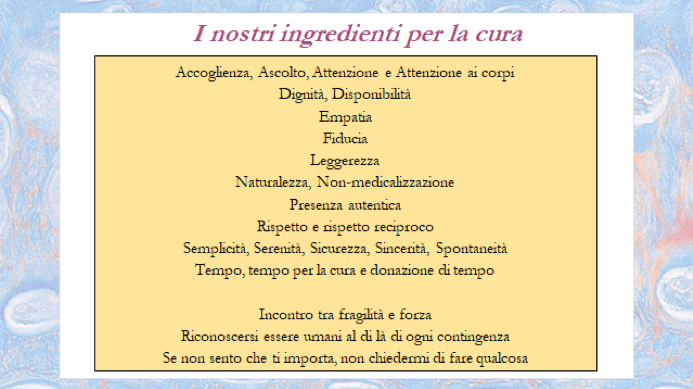
Ecco gli ingredienti della cura che i partecipanti hanno scritto nella chat al termine della close reading del testo:

Per passare subito dopo allโ€™attivitร  di scrittura a partire dallโ€™invito dei facilitatori e alla lettura di molti testi, che hanno richiamato e amplificato con parole, emozioni e significati il brano di Tolstoj da cui eravamo partiti. Ascoltare attentamente e rispondere ai testi dei partecipanti ci ha portati a riflettere su come ogni persona abbia aperto un nuovo puto di vista e nuove possibilitร  di interpretare la cura, che รจ cura dellโ€™altro ma anche di sรฉ e del contesto. Il tempo della relazione รจ stato indicato come un tempo donato, di conforto, โ€œoro e balsamoโ€ per chi soffre ma anche per chi sta accanto alla sofferenza dellโ€™altro. La cura richiede preparazione e generositร  e genera gratitudine e riconoscimento reciproco. Lโ€™insieme delle scritture e delle risposte agli scritti ha costruito una sorta di racconto sulle pratiche di cura. In chiusura abbiamo ascoltato lโ€™audio di una poesia di Mariangela Gualtieri โ€œSii dolce con meโ€, il cui testo vogliamo qui riportare, in quanto ricco di parole che hanno rimbalzato e risuonato nei lavori della sessione:

Sii dolce con me. Sii gentile.
รˆ breve il tempo che resta. Poi
saremo scie luminosissime.
E quanta nostalgia avremo
dellโ€™umano. Come ora ne
abbiamo dellโ€™infinitร .
Ma non avremo le mani. Non potremo
fare carezze con le mani.
E nemmeno guance da sfiorare
leggere.

Una nostalgia dโ€™imperfetto
ci gonfierร  i fotoni lucenti.
Sii dolce con me.
Maneggiami con cura.
Abbi la cautela dei cristalli
con me e anche con te.
Quello che siamo
รจ prezioso piรบ dellโ€™opera blindata nei sotterranei
e affettivo e fragile. La vita ha bisogno
di un corpo per essere e tu sii dolce
con ogni corpo. Tocca leggermente
leggermente poggia il tuo piede
e abbi cura
di ogni meccanismo di volo
di ogni guizzo e volteggio
e maturazione e radice
e scorrere dโ€™acqua e scatto
e becchettio e schiudersi o
svanire di foglie
fino al fenomeno
della fioritura,
fino al pezzo di carne sulla tavola
che รจ corpo mangiabile
per il mio ardore dโ€™essere qui.
Ringraziamo. Ogni tanto.
Sia placido questo nostro esserci โ€“
questo essere corpi scelti
per lโ€™incastro dei compagni
dโ€™amore.

Noi facilitatori ed organizzatori ringraziamo tutti i partecipanti della loro presenza attenta, sensibile, profondamente umana.


Da โ€œLa morte di Ivan Ilโ€™iฤโ€ di Lev Tolstoj,  1886

Gerasim era un giovane contadino, pulito, fresco, bene in polpa dai cibi cittadini. Sempre allegro, sereno. Sulle prime la vista di quellโ€™uomo vestito alla russa, sempre lindo, che faceva una tale ingrata operazione, turbava Ivan Ilโ€™iฤ. Una volta questi, alzatosi dalla seggetta senza la forza di tirarsi su i pantaloni, si lasciรฒ cadere in una poltrona, e si guardava con terrore le cosce nude, fiacche, dai muscoli crudamente rilevati.

Entrรฒ con i suoi grossi stivali – recando un gradevole odore di catrame, da questi stivali e la freschezza dellโ€™aria invernale- a passo leggero e forte Gerasim, col suo lindo grembiule di canapa e una linda camicia dโ€™indiana dalle maniche rimboccate sulle braccia giovani e forti. Senza guardare Ivan Ilโ€™iฤ โ€“ evidentemente contenendo, per non mortificare il malato, la gioia di vivere che gli traspariva dal volto, sโ€™avvicinรฒ alla seggetta.

โ€” Gerasim โ€” disse  Ivan Ilโ€™iฤ con voce debole. Gerasim trasalรฌ, temendo dโ€™aver fatto male qualcosa, e con un rapido movimento volse verso il malato il suo giovane viso, fresco, buono, semplice, appena ombreggiato dalla barba che cominciava a crescere.

โ€” Che cosa comandate?

โ€” Eโ€™ seccante fare questo, no? Mi devi scusare. Io non posso.

โ€” Macchรจโ€” E Gerasim  fece vedere i suoi giovani bianchi denti e gli occhi gli brillarono.

โ€” Perchรฉ non dovrei farlo? Voi siete malato.

E con mano accorta e vigorosa fece quello che doveva e uscรฌ a passo leggero. E dopo cinque minuti tornรฒ, con lo stesso passo leggero.

Ivan Ilโ€™iฤ stava ancora lรฌ sulla poltrona.

โ€” Gerasim โ€” disse, quando costui ebbe rimesso a posto il vaso pulito, lavato โ€” ti prego, aiutami, vieni qui โ€”. Gerasim si avvicinรฒ. โ€” Sollevami. Mi รจ penoso farlo da solo, e Dmitrij lโ€™ho mandato fuori.

Gerasim si avvicinรฒ ancora di piรน; colle robuste braccia, leggero come camminava, lโ€™abbracciรฒ, lo sollevรฒ delicatamente e lo sostenne, con una mano gli tirรฒ su i pantaloni e voleva metterlo a sedere. Ma Ivan Ilโ€™iฤ lo pregรฒ di accompagnarlo al divano. Gerasim, senza sforzo e come se non lo toccasse neppure, lo menรฒ, quasi portandolo di peso, al divano e lo mise a sedere.

โ€” Grazie. Come sei bravo… come fai bene tutto…

Gerasim sorrise di nuovo e fece per andarsene. Ma Ivan Ilโ€™iฤ si trovava cosรฌ bene con lui che lo trattenne.

โ€” Ecco, avvicinami, ti prego, quella sedia. No, quella lร . Mettimela sotto le gambe. Sto meglio quando ho i piedi in alto.

Gerasim portรฒ la sedia, la posรฒ senza fare rumore, abbassandola a terra e vi stese su le gambe di Ivan Ilโ€™iฤ. A questi pareva di stare meglio, mentre Gerasim gli teneva alti i piedi.

โ€” Sto meglio quando ho i piedi alzati โ€” disse Ivan Ilโ€™iฤ โ€”. Mettimi qui sotto quel cuscino.

Gerasim obbedรฌ. Di nuovo gli sollevรฒ i piedi e li posรฒ sul cuscino. Di nuovo a Ivan Ilโ€™iฤ parve di star meglio mentre Gerasim gli sollevava i piedi. Quando li riabbassรฒ gli parve di star peggio.

โ€” Gerasim, disse, hai da fare, adesso?

โ€” Per nulla โ€” disse Gerasim, che aveva imparato dai domestici cittadini a parlar coi padroni.

โ€” Che cosa ti rimane da fare?

โ€” Che mi rimane? Niente, ho finito tutto: solo spaccar la legna per domani.

โ€” Allora tienimi un poco su le gambe… puoi?

โ€” Ma certo che posso โ€” Gerasim alzรฒ le gambe di Ivan Ilโ€™iฤ al quale parve di non sentir piรน il dolore in quella posizione.

โ€” E la legna?

โ€” Non abbiate pensiero. Avrรฒ sempre tempo.

Ivan Ilโ€™iฤ disse a Gerasim di mettersi a sedere mentre gli teneva le gambe, e intanto discorreva con lui. E, strana cosa, gli pareva di sentirsi davvero meglio quando Gerasim gli teneva le gambe.

Da quel momento Ivan Ilโ€™iฤ cominciรฒ a chiamare di tanto in tanto Gerasim, e gli appoggiava i piedi sulle spalle, e amava discorrere con lui. Gerasim gli rendeva quel servizio senza difficoltร , volentieri, con una semplicitร  e una bontร  che lo commovevano. La salute, la forza, la baldanza vitale di chiunque altro offendevano Ivan Ilโ€™iฤ; soltanto la forza e la baldanza di Gerasim non gli facevano male, anzi lo calmavano.

Da โ€œLa morte di Ivan Ilโ€™iฤโ€ di Lev Tolstoj,  1886


Live Virtual Group Session: 6pm EDT June 8th 2020

Thank you to everyone who joined us for this session!

Together, we read the poem โ€œThe Explorerโ€ by Gwendolyn Brooks (posted below). This text stimulated many questions about the spaces we exist in and the โ€œquiet placesโ€ we search for, particularly in the context of our current national and international events. โ€œWe are all looking for a quiet place,โ€ observed one of our participants, as this poem highlighted for them the interplay between the personal private to a larger, broader social context. โ€œItโ€™s a poem that sends the reader into spirals,โ€ commented another participant, highlighting the mental and sensory โ€œworkโ€ the poem requires us readers to do, as explorers โ€œsifting throughโ€ โ€œthe fabric of lifeโ€ and โ€œthe general confusionโ€ that comes with it. Together, we explored the โ€œcomplicated connotationsโ€ of the word โ€œnoisesโ€ in the first line: what kind of noises is the explorer moving through? We noted how โ€œnoise can be subjectiveโ€: what someone hears as noise could be, โ€œmusicโ€, โ€œdissentโ€, or โ€œneutral soundsโ€ for someone else. We experienced comfort in the โ€œvelvet peaceโ€, and someone commented how this made us aware of the โ€œtexture of the things around usโ€. We found ourselves wondering about the different dimensions in which peace can be achieved, both in the exterior and the interior realms. Many of our participants were drawn to the end of this poem, โ€œfearing the choices that cried to be takenโ€; as someone observed, choices are โ€œmadeโ€, rather than โ€œtakenโ€. In the eyes of some of our participants, the explorer in the poem unites people to make choices togetherโ€ฆ only to find no peace and no quiet rooms to negotiate and decide the next steps of the journey.

For our writing activity, we dove further into the โ€œchoicesโ€ the poem raised for us. We wrote to the prompt โ€œwrite about the choices crying to be taken.โ€ Our readers reminded us of the feeling of smallness we may feel in front of the insurmountable height of some choices, whether in the past, in the present or the in future. โ€œHow do I move forward from this virtual time?โ€ asked one of our readers. Throughout our dialogue, some participants shared a sense of relief at the thought that โ€œwe are not the only โ€œonesโ€ that have choicesโ€, as well as the strong sense of responsibility that comes with knowing that โ€œchoices impact those around usโ€. At the end of our conversation, we returned to the image of the explorer, moving through the world one step and one choice at a time. In the words of our participants, we left each other having โ€œawakened the explorer in [us], especially after spending more than 75 days in lockdownโ€ and reminded that โ€œwe are always exploringโ€.

Participants are warmly encouraged to share what you wrote below (โ€œLeave a Replyโ€), to keep the conversation going here, bearing in mind that the blog of course is a public space where confidentiality is not assured.

Please join us for our next session Wednesday, June 10th at 12pm EDT, with more times listed on our Live Virtual Group Sessions page.

We look forward to seeing you again soon!

THE EXPLORER  
- Gwendolyn Brooks (1959)

Somehow to find a still spot in the noise
Was the frayed inner want, the winding, the frayed hope
Whose tatters he kept hunting through the din.
A velvet peace somewhere.
A room of wily hush somewhere within.

So tipping down the scrambled halls he set
Vague hands on throbbing knobs. There were behind
Only spiraling, high human voices,
The scream of nervous affairs,
Wee griefs,
Grand griefs. And choices.

He feared most of all the choices, that cried to be taken.

There were no bourns.
There were no quiet rooms.

Published Harpers Magazine, September, 1959

Live Virtual Group Session: 2pm EDT June 6th 2020

Thank you to everyone who joined us for this session!

Our text was “Caged Bird” by Maya Angelou, posted below.

Our prompt was “Write about a time you either sang or heard the caged bird’s song.”

More details on this session will be posted soon, so check back!

Participants are warmly encouraged to share what you wrote below (โ€œLeave a Replyโ€), to keep the conversation going here, bearing in mind that the blog of course is a public space where confidentiality is not assured.

Please join us for our next sessionย Monday, June 8thย at 6pm EDT,ย with more times listed on ourย Live Virtual Group Sessionsย page.

We look forward to seeing you again soon!


Caged Bird
By Maya Angelou

A free bird leaps
on the back of the windย ย ย 
and floats downstreamย ย ย 
till the current ends
and dips his wing
in the orange sun rays
and dares to claim the sky.

But a bird that stalks
down his narrow cage
can seldom see through
his bars of rage
his wings are clipped andย ย ย 
his feet are tied
so he opens his throat to sing.

The caged bird singsย ย ย 
with a fearful trillย ย ย 
of things unknownย ย ย 
but longed for stillย ย ย 
and his tune is heardย ย ย 
on the distant hillย ย ย 
for the caged birdย ย ย 
sings of freedom.

The free bird thinks of another breeze
and the trade winds soft through the sighing trees
and the fat worms waiting on a dawn bright lawn
and he names the sky his own

But a caged bird stands on the grave of dreamsย ย ย 
his shadow shouts on a nightmare screamย ย ย 
his wings are clipped and his feet are tiedย ย ย 
so he opens his throat to sing.

The caged bird singsย ย ย 
with a fearful trillย ย ย 
of things unknownย ย ย 
but longed for stillย ย ย 
and his tune is heardย ย ย 
on the distant hillย ย ย 
for the caged birdย ย ย 
sings of freedom.

Maya Angelou, โ€œCaged Birdโ€ from Shaker, Why Don't You Sing? 
Copyright ยฉ 1983 by Maya Angelou.