Live Virtual Group Session: 6pm EST December 14th 2020

17 participants from MA, ME, NJ, NY, PA, Montreal and United Kingdom joined us today for our Monday session. Today, we welcomed three new participants! All together, we close-looked the painting โ€œBefore the Shotโ€ by Norman Rockwell (you can find it at the end of this blog). Our Zoom room filled with many smiles as people made connections to their own experiences as children going to the doctor or to our present moment of waiting-for-the-vaccine.

Several participants drew attention to the color dominating the canvas, as they were struck by all the green: even the doctorโ€™s head is green! We followed were the color green took us – whether to the green theme of The Great Gatsby or green as a code for โ€œgo!โ€ We saw it all come together in the space conveyed by the painting. Is this a home office? A rural setting? 

We wondered who is absent in this painting – are the childโ€™s parents in the room? โ€œWe would think so,โ€ someone volunteered; someone else pointed how, at the time the painting was completed, there may have been โ€œdifferent standards, trust, and behaviorsโ€. A coat and a hat, presumably the childโ€™s, are not held by parent. Is the winter cap (with earmuffs) the painterโ€™s way of signaling the season? Another person thought the hat and coat were neatly hung on the chair so it โ€œmust have been parent not 8-year-old boyโ€. 

We focused on the boy, with many noting that he was reading the diploma on the wall. โ€œCan he even readโ€? someone asked. Collectively, we reflected on what this reading of the diploma raises for us. โ€œHeโ€™s checking out who is this person about to give him the shot – is he worth trusting?โ€ pointed out one participant. 

Before we revealed title and painting, several in the room recognized that the illustrator is Norman Rockwell, transported to the scenes from ordinary life he brought to the canvas in the 1950s. Immediately, we also thought of the COVID-19 vaccine being administered this week for the first time in US, and of the tale-as-old-as-time that is the complex relationship between patients and their healthcare providers. We returned to reading the body language of the boy, with some reading interest (in his reading); some seeing โ€œtrustโ€; several worried about his balance. What was he standing on? Was he instructed to stand on the chair? Was he told to lower his pants… does he know the drill? The โ€œpinchโ€ that is about to come next? โ€œTrust and vulnerability is captured,โ€ one participant concluded. Hinting at the diploma, we, too, wondered – is he qualified to do this? One person said the style of illustration conveys lightness and โ€œEverything Will Be Okay.โ€ Several participants, recalling their childhoods and different practice standards of the past: how โ€œdoctors used to deceive the kidsโ€, and how that may come through the painting as well (the physician seems to be drawing the fluid in secret, his back to a kid who likely doesnโ€™t have a clue). โ€œDoctors used to sneak out on kids and did things without instructions and parental involvement,โ€ added another participant. How have things changed today? Do we have more or less trust in the medical establishment, today compared to yesterday? โ€œWe are much more open to questions, these days,โ€ someone volunteered. โ€œThatโ€™s a good thing,โ€ someone else concluded.

In a second moment, we focused more on the provider. Many recognized the familiar emotion of wanting to be transparent, and caring for patientsโ€™ health… while also protecting them from their fears. When should providers do when they donโ€™t want a procedure or experience to be painful, or when they are concerned that one unpleasant experience will set the stage with fear of future clinical encounters? Should we turn our backs? Ask our patients to look away? Say it wonโ€™t hurt, or that โ€œit will be over in a minuteโ€? It was helpful to have two practitioners talk of their experiences of knowing they were inflicting pain, while wanting to minimize the pain they knew was a necessity or – at least – a greater good. Finally, we wondered – what would this picture look like two minutes from now? And whose perspective is this painting from?

Before writing to the prompt, we asked participants to drop into the chat possible titles:

Bottoms Up

Any Minute Now

Donโ€™t Worry This Wonโ€™t Hurt a Bit

Just Trust Me

Almost Done

The Family Doctor

Full Disclosure

Three people read aloud what they wrote to the prompt: Write about trust and distrust.

One was filled with childhood belief and disbelief: wondering if her parents were aliens–complete with looking for zippers and seams! Another text was filled with questions about what allows for trust and/or mistrust โ€œtwo sides of the same coinโ€ and if it can be โ€œflipped.โ€ If one crosses the boundary between the two, is it possible to go back? A participant responded to the reader with her interest in the โ€œfacetsโ€ of trust and associating valuable gems, like diamonds also having facets, and how valuable trust is.

Another reader performed her โ€œworryโ€ but repeating โ€œYes, I am a worrierโ€ as she reflected on clinical encounters with her primary care doctor and other specialists. How she knows she knows her body and, when her physician doesnโ€™t order tests she wants, it can feel โ€œstingy.โ€ This led to the group discussing the economics of healthcare and, with participants from countries with universal health care, how different our concerns and perspectives can be.

Participants are warmly encouraged to share what you wrote below (โ€œLeave a Replyโ€), to keep the conversation going here, bearing in mind that the blog of course is a public space where confidentiality is not assured.

Also, we would love to learn more about your experience of these sessions, so if youโ€™re able, please take the time to fill out a follow-up survey of one to two quick questions!

Please join us for our next session Wednesday, December 16th at 12pm EST, with more times listed on our Live Virtual Group Sessions page.
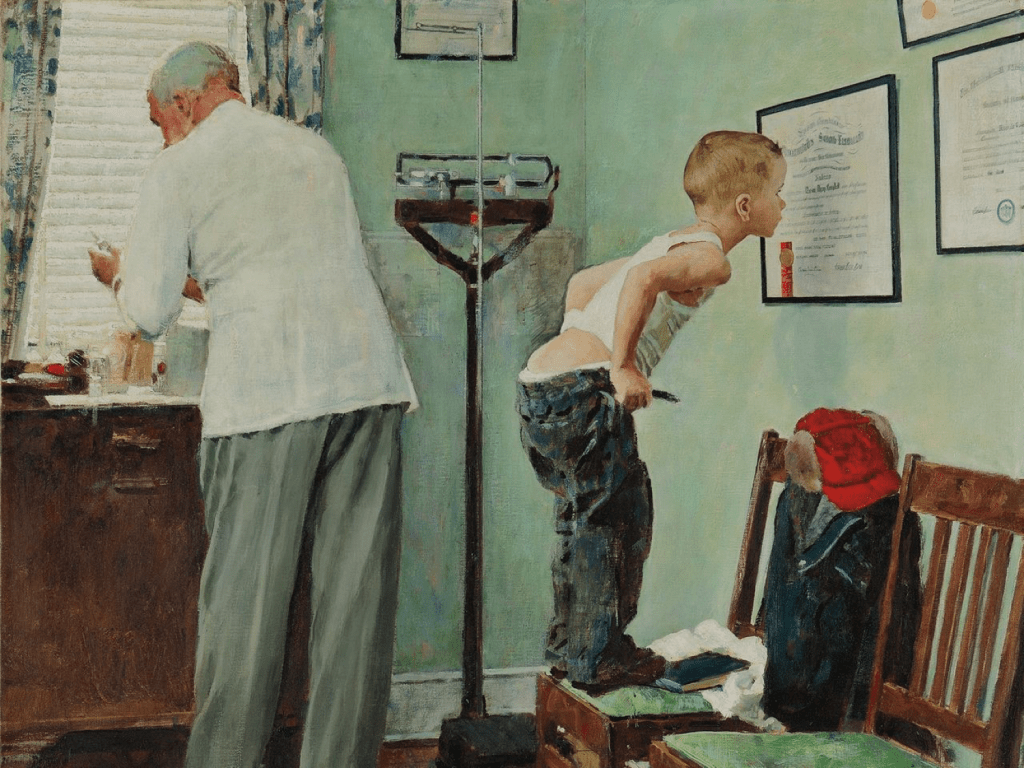

“Before the Shot”
signed โ€œNorman Rockwellโ€ lower center
oil on canvas
29 x 27 in. (73.5 x 68.5 cm.)
Painted in 1958.

ฮ–ฯ‰ฮฝฯ„ฮฑฮฝฮฎ ฯƒฯ…ฮฝฮตฮดฯฮฏฮฑ ฮฑฯ†ฮทฮณฮทฮผฮฑฯ„ฮนฮบฮฎฯ‚ ฮนฮฑฯ„ฯฮนฮบฮฎฯ‚: ฮšฯ…ฯฮนฮฑฮบฮฎ 13 ฮ”ฮตฮบฮตฮผฮฒฯฮฏฮฟฯ…, 8:30 pm EEST

ฮฃฮฑฯ‚ ฮตฯ…ฯ‡ฮฑฯฮนฯƒฯ„ฮฟฯฮผฮต ฯ€ฮฟฯ… ฯƒฯ…ฮผฮผฮตฯ„ฮตฮฏฯ‡ฮฑฯ„ฮต ฯƒฮต ฮฑฯ…ฯ„ฮฎฮฝ ฯ„ฮท ฯƒฯ…ฮฝฮตฮดฯฮฏฮฑ.

ฮšฮตฮฏฮผฮตฮฝฮฟ:ย ฮ‘ฮฝฮดฯฮญฮฑฯ‚ ฮ•ฮผฯ€ฮตฮนฯฮฏฮบฮฟฯ‚, ยซฮคฯฮนฮฑฮฝฯ„ฮฌฯ†ฯ…ฮปฮปฮฑ ฯƒฯ„ฮฟ ฯ€ฮฑฯฮฌฮธฯ…ฯฮฟยป (ฮฅฯˆฮนฮบฮฌฮผฮนฮฝฮฟฯ‚, 1935)

ฮ˜ฮญฮผฮฑ: ฮฃฮบฮฟฯ€ฯŒฯ‚ ฯ„ฮทฯ‚ ฮถฯ‰ฮฎฯ‚ ฮผฮฑฯ‚ ฮตฮฏฮฝฮฑฮนโ€ฆ

ฮฃฯฮฝฯ„ฮฟฮผฮฑ ฮธฮฑ ฮผฮฟฮนฯฮฑฯƒฯ„ฮฟฯฮผฮต ฯ€ฮตฯฮนฯƒฯƒฯŒฯ„ฮตฯฮตฯ‚ ฯ€ฮปฮทฯฮฟฯ†ฮฟฯฮฏฮตฯ‚ ฯƒฯ‡ฮตฯ„ฮนฮบฮฌ ฮผฮต ฮฑฯ…ฯ„ฮฎฮฝ ฯ„ฮท ฯƒฯ…ฮฝฮตฮดฯฮฏฮฑ, ฮณฮน โ€˜ฮฑฯ…ฯ„ฯŒ ฮตฯ€ฮนฯƒฯ„ฯฮญฯˆฯ„ฮต ฮพฮฑฮฝฮฌ.

ฮฃฮฑฯ‚ ฯ€ฯฮฟฯƒฮบฮฑฮปฮฟฯฮผฮต ฮฝฮฑ ฮผฮฟฮนฯฮฑฯƒฯ„ฮตฮฏฯ„ฮต ฯ„ฮฑ ฮณฯฮฑฯ€ฯ„ฮฌ ฯƒฮฑฯ‚ ฮผฮฑฮถฮฏ ฮผฮฑฯ‚ ฯ€ฮฑฯฮฑฮบฮฌฯ„ฯ‰.

ฮšฮฑฮปฮฟฯฮผฮต ฯŒฮปฮตฯ‚ ฮบฮฑฮน ฯŒฮปฮฟฯ…ฯ‚ ฯ€ฮฟฯ… ฯƒฯ…ฮผฮผฮตฯ„ฮตฮฏฯ‡ฮฑฯ„ฮต ฮฝฮฑ ฮผฮฟฮนฯฮฑฯƒฯ„ฮตฮฏฯ„ฮต ฯŒฯƒฮฑ ฮณฯฮฌฯˆฮฑฯ„ฮต ฮบฮฑฯ„ฮฌ ฯ„ฮท ฮดฮนฮฌฯฮบฮตฮนฮฑ ฯ„ฮทฯ‚ ฯƒฯ…ฮฝฮตฮดฯฮฏฮฑฯ‚ ฮผฮฑฯ‚ ฯ€ฮฑฯฮฑฮบฮฌฯ„ฯ‰ (โ€œLeave a replyโ€) ฮบฮฑฮน ฮฝฮฑ ฮบฯฮฑฯ„ฮฎฯƒฮฟฯ…ฮผฮต ฮฑฯ…ฯ„ฮฎ ฯ„ฮทฮฝ ฯ„ฯŒฯƒฮฟ ฮตฮฝฮดฮนฮฑฯ†ฮญฯฮฟฯ…ฯƒฮฑ ฯƒฯ…ฮถฮฎฯ„ฮทฯƒฮฎ ฮผฮฑฯ‚ ฮถฯ‰ฮฝฯ„ฮฑฮฝฮฎ, ฯ…ฯ€ฮตฮฝฮธฯ…ฮผฮฏฮถฮฟฮฝฯ„ฮฌฯ‚ ฯƒฮฑฯ‚, ฮฒฮตฮฒฮฑฮฏฯ‰ฯ‚, ฯŒฯ„ฮน ฮฑฯ…ฯ„ฮฎ ฮตฮฏฮฝฮฑฮน ฮผฮนฮฑ ฮดฮทฮผฯŒฯƒฮนฮฑ ฯ€ฮปฮฑฯ„ฯ†ฯŒฯฮผฮฑ ฮบฮฑฮน ฮท ฯ€ฯฯŒฯƒฮฒฮฑฯƒฮท ฮฑฮฝฮฟฮนฯ‡ฯ„ฮฎ ฯƒฯ„ฮฟ ฮบฮฟฮนฮฝฯŒ.

ฮ˜ฮฑ ฮธฮญฮปฮฑฮผฮต ฮฝฮฑ ฮผฮฌฮธฮฟฯ…ฮผฮต ฯ€ฮตฯฮนฯƒฯƒฯŒฯ„ฮตฯฮฑ  ฮณฮนฮฑ ฯ„ฮทฮฝ ฮตฮผฯ€ฮตฮนฯฮฏฮฑ ฯƒฮฑฯ‚ ฮผฮต ฮฑฯ…ฯ„ฮญฯ‚ ฯ„ฮนฯ‚ ฯƒฯ…ฮฝฮตฮดฯฮฏฮตฯ‚. ฮ‘ฮฝ ฯ„ฮฟ ฮตฯ€ฮนฮธฯ…ฮผฮตฮฏฯ„ฮต, ฯ€ฮฑฯฮฑฮบฮฑฮปฮฟฯฮผฮต ฮฑฯ†ฮนฮตฯฯŽฯƒฯ„ฮต ฮปฮฏฮณฮฟ ฯ‡ฯฯŒฮฝฮฟ ฯƒฮต ฮผฮนฮฑ ฯƒฯฮฝฯ„ฮฟฮผฮท ฮญฯฮตฯ…ฮฝฮฑ ฮดฯฮฟ ฮตฯฯ‰ฯ„ฮฎฯƒฮตฯ‰ฮฝ!

ฮ‘ฮบฮฟฮปฮฟฯ…ฮธฮฎฯƒฯ„ฮต ฯ„ฮฟฮฝ ฯƒฯฮฝฮดฮตฯƒฮผฮฟ:ย https://tinyurl.com/nmedg-survey


ฮ‘ฮฝฮดฯฮญฮฑฯ‚ ฮ•ฮผฯ€ฮตฮนฯฮฏฮบฮฟฯ‚, ยซฮคฯฮนฮฑฮฝฯ„ฮฌฯ†ฯ…ฮปฮปฮฑ ฯƒฯ„ฮฟ ฯ€ฮฑฯฮฌฮธฯ…ฯฮฟยป (ฮฅฯˆฮนฮบฮฌฮผฮนฮฝฮฟฯ‚, 1935)

ฮฃฮบฮฟฯ€ฯŒฯ‚ ฯ„ฮทฯ‚ ฮถฯ‰ฮฎฯ‚ ฮผฮฑฯ‚ ฮดฮตฮฝ ฮตฮฏฮฝฮฑฮน ฮทย ฯ‡ฮฑฮผฮญฯฯ€ฮตฮนฮฑ.ย ฮฅฯ€ฮฌฯฯ‡ฮฟฯ…ฮฝ ฮฑฯ€ฮตฮนฯฮฌฮบฮนฯ‚ ฯ‰ฯฮฑฮนฯŒฯ„ฮตฯฮฑ ฯ€ฯฮฌฮณฮผฮฑฯ„ฮฑ ฮบฮฑฮน ฮฑฯ€โ€™ ฮฑฯ…ฯ„ฮฎ ฯ„ฮทฮฝย ฮฑฮณฮฑฮปฮผฮฑฯ„ฯŽฮดฮท ฯ€ฮฑฯฮฟฯ…ฯƒฮฏฮฑ ฯ„ฮฟฯ… ฯ€ฮตฯฮฑฯƒฮผฮญฮฝฮฟฯ… ฮญฯ€ฮฟฯ…ฯ‚.ย ฮฃฮบฮฟฯ€ฯŒฯ‚ ฯ„ฮทฯ‚ ฮถฯ‰ฮฎฯ‚ ฮผฮฑฯ‚ ฮตฮฏฮฝฮฑฮน ฮท ฮฑฮณฮฌฯ€ฮท. ย ฮฃฮบฮฟฯ€ฯŒฯ‚ ฯ„ฮทฯ‚ ฮถฯ‰ฮฎฯ‚ ฮผฮฑฯ‚ ฮตฮฏฮฝฮฑฮน ฮทย ฮฑฯ„ฮตฮปฮตฯฯ„ฮทฯ„ฮท ฮผฮฌฮถฮฑย ฮผฮฑฯ‚. ฮฃฮบฮฟฯ€ฯŒฯ‚ ฯ„ฮทฯ‚ ฮถฯ‰ฮฎฯ‚ ฮผฮฑฯ‚ ฮตฮฏฮฝฮฑฮน ฮทย ฮปฯ…ฯƒฮนฯ„ฮตฮปฮฎฯ‚ย ฯ€ฮฑฯฮฑฮดฮฟฯ‡ฮฎย ฯ„ฮทฯ‚ ฮถฯ‰ฮฎฯ‚ ฮผฮฑฯ‚. ฮคฮทฯ‚ ฮบฮฌฮธฮต ฮผฮฑฯ‚ ฮตฯ…ฯ‡ฮฎฯ‚ ฮตฮฝ ฯ€ฮฑฮฝฯ„ฮฏ ฯ„ฯŒฯ€ฯ‰ ฮตฮนฯ‚ ฯ€ฮฌฯƒฮฑฮฝ ฯƒฯ„ฮนฮณฮผฮฎฮฝ ฮตฮนฯ‚ ฮบฮฌฮธฮตย ฮฑฮฝฮฑฮผฯŒฯ‡ฮปฮตฯ…ฯƒฮท ฯ„ฯ‰ฮฝ ฯ…ฯ€ฮฑฯฯ‡ฯŒฮฝฯ„ฯ‰ฮฝ. ฮฃฮบฮฟฯ€ฯŒฯ‚ ฯ„ฮทฯ‚ ฮถฯ‰ฮฎฯ‚ ฮผฮฑฯ‚ ฮตฮฏฮฝฮฑฮน ฯ„ฮฟย ฯƒฮตฯƒฮทฮผฮฑฯƒฮผฮญฮฝฮฟ ฮดฮญฯฮฑฯ‚ ฯ„ฮทฯ‚ ฯ…ฯ€ฮฌฯฮพฮตฯŽฯ‚ ฮผฮฑฯ‚.


Live Virtual Group Session: 12pm EST December 9th 2020

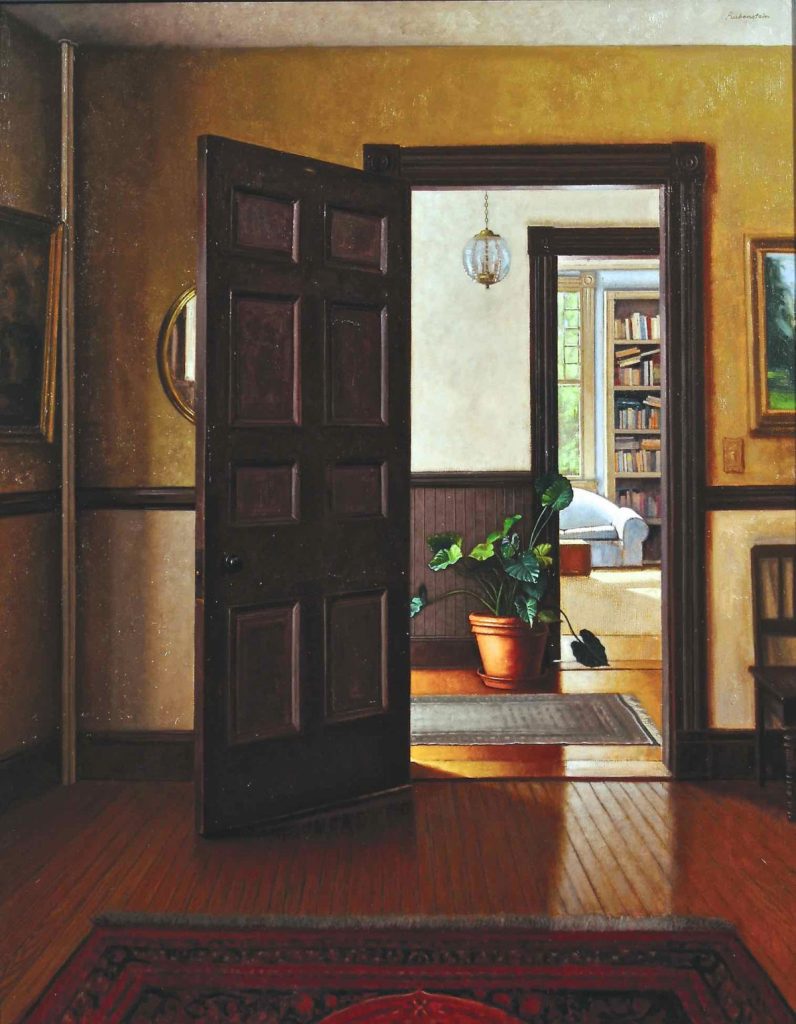
For todayโ€™s session, 22 participants gathered on Zoom to closely observe the painting โ€œWoodley Interior, Summer Iโ€ by Ephraim Rubenstein, part of his series titled The Woodley Suite series โ€œon aging houses, broken bodies, and the passage of time.โ€

Participants started the session by sharing in the chat the first three things that they noticed as they looked through the doorways of the painting into glimpses of the rooms beyond. Items noted included a fragment of mirror behind the open door, the rug, light fixtures in the hall, the plant, angles of light, the sofa, and bookcase with disordered books. From these observations the conversation expanded, and we began noticing the contrasts that influenced the varied perceptions of the painting, the rooms, and perhaps the house itself. Some noted that the overall effect felt artificial or staged, that the rooms were too clean and spare to feel lived in, and yet at the same time others noted the evident sag in the couch that suggested years of use and the books that seemed to have been read and put away on impulse. Others noted that because of the clear, spare nature of the rooms their initial feeling was cold, despite the suggestion of summer by the green seen through the far window, while others felt welcomed by the warmth of the paint colors and the light spilling from the brighter rooms into the hall and the room inhabited by the โ€œviewer.โ€ Some speculated on who the viewer was– themselves invited in or intruding or a resident of the house whose โ€œeyeโ€ we were borrowing. Some created stories of who might live there, the last sibling from a family moved on, and others saw a moment suspended before the viewer walked into the next rooms that we only saw fragments of, invited by the escalating brightness of light. At the close, the title and painter were revealed, along with the purpose of the series, which added new perspectives to the discussion of who may have lived in, visited, or departed this space. 

After the discussion, participants were given the choice to either โ€œWrite about entering a roomโ€ or โ€œDraw a meaningful room.โ€ As it happened, everyone who shared had written, and the writing provided even more wonderful insights into the ideas of space and feeling embodied within it. One writer wrote โ€œI enter my room. I enter my lifeโ€ and then later โ€œmy soul,โ€ illustrating the possible metaphors of interior space. Another wrote about the contrast of anxiety and anticipation in entering a new room, questioning if there would be โ€œspace for meโ€ and welcome with those who already exist there. Another piece shifted our perspective to someone entering a room that โ€œsmelled as he remembered,โ€ before running his hands over a counter, searching for a table that he could not find before sitting on the floor, prompting many to consider what senses may not be available to all, and what other ways we can focus on the experience of a space. And one piece brought us directly into a room of grief, where family warmth and shared experience came together to both say goodbye and remember a loved one departed, an experience and memory that the room then held and kept for the writer and all.ย 

The close attention to the work and one another, discussion of varied perspectives and experiences, and willingness and courage to share what was drafted in reflection created a moving and profound hour for all. We thank everyone who participated, and encourage those who were not able to share their writing or drawing  in the moment to post here, if they are comfortable doing so. Thank you for joining us and we hope to see you again at another session soon!

Participants are warmly encouraged to share what you wrote below (โ€œLeave a Replyโ€), to keep the conversation going here, bearing in mind that the blog of course is a public space where confidentiality is not assured.

Also, we would love to learn more about your experience of these sessions, so if youโ€™re able, please take the time to fill out a follow-up survey of one to two quick questions!

Please join us for our next session Monday, December 14th at 6pm EST, with more times listed on our Live Virtual Group Sessions page.


Woodley Interior, Summer I
oil on linen | 48″ x 38โ€ | 2010
By Ephraim Rubenstein

From The Woodley Suite series โ€œon aging houses, broken bodies, and the passage of time.โ€ More information here: https://ephraimrubenstein.com/writing/life-is-a-house/


Live Virtual Group Session: 6pm EST December 7th 2020

Thank you to everyone who joined us for this session!

Our text for this session was the poem โ€œThe Courtesy of the Blindโ€ byย Wisล‚awa Szymborska, posted below.

Our prompt was: โ€œWrite about being in the middle.โ€

More details about this session will be posted soon, so check back!

Participants are warmly encouraged to share what you wrote below (โ€œLeave a Replyโ€), to keep the conversation going here, bearing in mind that the blog of course is a public space where confidentiality is not assured.

Also, we would love to learn more about your experience of these sessions, so if youโ€™re able, please take the time to fill out a follow-up survey of one to two quick questions!

Please join us for our next sessionย Wednesday, December 9thย at 12pm EST,ย with more times listed on ourย Live Virtual Group Sessionsย page.


The Courtesy of the Blind
 by Wisล‚awa Szymborska
 
 The poet reads his lines to the blind.
 He hadnโ€™t guessed that it would be so hard.
 His voice trembles.ย 
 His hands shake.ย 
 
 He senses that every sentenceย 
 is put to the test of darkness.ย 
 He must muddle through alone,ย 
 without colors or lights.ย 
 
 A treacherous endeavor
 for his poemsโ€™ stars,ย 
 dawns, rainbows, clouds, their neon lights, their moon,ย 
 for the fish so silvery thus far beneath the water
 and the hawk so high and quiet in the sky.ย  

 He readsโ€”since itโ€™s too late to stop nowโ€”
 about the boy in a yellow jacket on a green field,ย 
 red roofs that can be counted in the valley,ย 
 the restless numbers on soccer playersโ€™ shirts,ย 
 and the naked stranger standing in a half-shut door.ย 
 
 Heโ€™d like to skipโ€”although it canโ€™t be doneโ€”
 all the saints on that cathedral ceiling,ย 
 the parting wave from a train,ย 
 the microscope lens, the ring casting a glow,ย 
 the movie screens, the mirrors, the photo albums.ย 
 
 But great is the courtesy of the blind,ย 
 great is their forbearance, their largesse.ย 
 They listen, smile, and applaud.ย 
 
 One of them even comes upย 
 with a book turned upside downย 
 asking for an autograph they will never see. 

โ€œThe Courtesy of the Blindโ€ 
from MONOLOGUE OF A DOG: New Poems by Wisล‚awa Szymborska, 
translated from the Polish by Stanislaw Baranczak and Clare Cavanagh.
English translation copyright ยฉ 2006 by Houghton Mifflin Harcourt Publishing Company.

Laboratori Di Medicina Narrativa: sabato 5 dicembre dalle 16 alle 17.30

Siamo stati molto lieti di avervi avuti con noi!

Abbiamo esaminato insieme la poesia โ€œLa cortesia dei non vedentiโ€ di Wislawa Szymborska, che trovate alla fine della pagina.ย 

Poi, abbiamo scritto ispirati dallo stimolo: โ€œOrmai potevo solo andare avantiโ€ฆโ€.

Al piรน presto, condivideremo ulteriori dettagli della sessione. Vi invitiamo a visitare di nuovo questa pagina nei prossimi giorni.

Se avete partecipato al laboratorio, potete condividere i vostri scritti alla fine della pagina (โ€œLeave a Replyโ€). Attraverso questo forum speriamo di creare uno spazio per continuare la nostra conversazione! 

Stiamo raccogliendo impressioni e breve feedback sui nostri laboratori di medicina narrativa su Zoom!

Questo breve questionario (anonimo, e aperto a chiunque abbia frequentato almeno un laboratorio) รจ molto importante per noi, e ci permetterร  di elaborare sul valore dei nostri laboratori e sul ruolo dello spazio per riflettere e metabolizzare il momento presente. Vi preghiamo quindi di condividere le nostre riflessioni con noi!


 La cortesia dei non vedenti โ€“ Wislawa Szymborska
  
 Il poeta legge le poesie ai non vedenti.
 Non pensava fosse cosรฌ difficile.
 Gli trema la voce.
 Gli tremano le mani.

 Sente che ogni frase
 รจ qui messa alla prova dellโ€™oscuritร .
 Dovrร  cavarsela da sola,
 senza luci e colori.

 Unโ€™avventura rischiosa
 per le stelle dei suoi versi,
 e lโ€™aurora, lโ€™arcobaleno, le nuvole, i neon, la luna,
 per il pesce finora cosรฌ argenteo sotto il pelo dellโ€™acqua,
 e per lo sparviero, cosรฌ alto e silenzioso nel cielo.

 Legge โ€“ perchรฉ ormai รจ troppo tardi per non farlo-
 del ragazzo con la giubba gialla in un prato verde,
 dei tetti rossi, che puoi contare, nella valle,
 dei numeri mobili sulle maglie dei giocatori
 e della sconosciuta nuda sulla porta schiusa.

 Vorrebbe tacere โ€“ benchรฉ sia impossibile-
 di tutti quei santi sulla volta della cattedrale,
 di quel gesto dโ€™addio al finestrino del treno,
 di quella lente del microscopio e del guizzo di luce dellโ€™anello
 e degli schermi e degli specchi e dellโ€™album dei ritratti.

 Ma grande รจ la cortesia dei non vedenti,
 grande la comprensione e la generositร .
 Ascoltano, sorridono e applaudono.

 Uno di loro persino si avvicina
 con il libro aperto alla rovescia,
 chiedendo un autografo che non vedrร . 

ฮ–ฯ‰ฮฝฯ„ฮฑฮฝฮฎ ฯƒฯ…ฮฝฮตฮดฯฮฏฮฑ ฮฑฯ†ฮทฮณฮทฮผฮฑฯ„ฮนฮบฮฎฯ‚ ฮนฮฑฯ„ฯฮนฮบฮฎฯ‚: ฮคฮตฯ„ฮฌฯฯ„ฮท 2 ฮ”ฮตฮบฮตฮผฮฒฯฮฏฮฟฯ…, 8:30 pm EEST

ฮฃฮฑฯ‚ ฮตฯ…ฯ‡ฮฑฯฮนฯƒฯ„ฮฟฯฮผฮต ฯ€ฮฟฯ… ฯƒฯ…ฮผฮผฮตฯ„ฮตฮฏฯ‡ฮฑฯ„ฮต ฯƒฮต ฮฑฯ…ฯ„ฮฎฮฝ ฯ„ฮท ฯƒฯ…ฮฝฮตฮดฯฮฏฮฑ.

ฮšฮตฮฏฮผฮตฮฝฮฟ:ย ฮฮฏฮบฮฟฯ‚ ฮšฮฑฮถฮฑฮฝฯ„ฮถฮฌฮบฮทฯ‚,ย ฮ‘ฮฝฮฑฯ†ฮฟฯฮฌ ฯƒฯ„ฮฟฮฝ ฮ“ฮบฯฮญฮบฮฟย (ฮฑฯ€ฯŒฯƒฯ€ฮฑฯƒฮผฮฑ ฮฑฯ€ฯŒ ฯ„ฮฟ ฮบฮตฯ†ฮฌฮปฮฑฮนฮฟ ยซฮ— ฮผฮฌฮฝฮฑยป). ฮ‘ฮธฮฎฮฝฮฑ: ฮตฮบฮด. ฮ•ฮป. ฮšฮฑฮถฮฑฮฝฯ„ฮถฮฌฮบฮท, 1964.ย 

ฮ˜ฮญฮผฮฑ: ฮ“ฯฮฌฯˆฯ„ฮต ฮณฮนฮฑ ฯ„ฮท ฮผฯ…ฯฯ‰ฮดฮนฮฌ ฯ„ฯ‰ฮฝ ฮฑฮฝฮฑฮผฮฝฮฎฯƒฮตฯ‰ฮฝ.

ฮฃฯฮฝฯ„ฮฟฮผฮฑ ฮธฮฑ ฮผฮฟฮนฯฮฑฯƒฯ„ฮฟฯฮผฮต ฯ€ฮตฯฮนฯƒฯƒฯŒฯ„ฮตฯฮตฯ‚ ฯ€ฮปฮทฯฮฟฯ†ฮฟฯฮฏฮตฯ‚ ฯƒฯ‡ฮตฯ„ฮนฮบฮฌ ฮผฮต ฮฑฯ…ฯ„ฮฎฮฝ ฯ„ฮท ฯƒฯ…ฮฝฮตฮดฯฮฏฮฑ, ฮณฮน โ€˜ฮฑฯ…ฯ„ฯŒ ฮตฯ€ฮนฯƒฯ„ฯฮญฯˆฯ„ฮต ฮพฮฑฮฝฮฌ.

ฮฃฮฑฯ‚ ฯ€ฯฮฟฯƒฮบฮฑฮปฮฟฯฮผฮต ฮฝฮฑ ฮผฮฟฮนฯฮฑฯƒฯ„ฮตฮฏฯ„ฮต ฯ„ฮฑ ฮณฯฮฑฯ€ฯ„ฮฌ ฯƒฮฑฯ‚ ฮผฮฑฮถฮฏ ฮผฮฑฯ‚ ฯ€ฮฑฯฮฑฮบฮฌฯ„ฯ‰.

ฮšฮฑฮปฮฟฯฮผฮต ฯŒฮปฮตฯ‚ ฮบฮฑฮน ฯŒฮปฮฟฯ…ฯ‚ ฯ€ฮฟฯ… ฯƒฯ…ฮผฮผฮตฯ„ฮตฮฏฯ‡ฮฑฯ„ฮต ฮฝฮฑ ฮผฮฟฮนฯฮฑฯƒฯ„ฮตฮฏฯ„ฮต ฯŒฯƒฮฑ ฮณฯฮฌฯˆฮฑฯ„ฮต ฮบฮฑฯ„ฮฌ ฯ„ฮท ฮดฮนฮฌฯฮบฮตฮนฮฑ ฯ„ฮทฯ‚ ฯƒฯ…ฮฝฮตฮดฯฮฏฮฑฯ‚ ฮผฮฑฯ‚ ฯ€ฮฑฯฮฑฮบฮฌฯ„ฯ‰ (โ€œLeave a replyโ€) ฮบฮฑฮน ฮฝฮฑ ฮบฯฮฑฯ„ฮฎฯƒฮฟฯ…ฮผฮต ฮฑฯ…ฯ„ฮฎ ฯ„ฮทฮฝ ฯ„ฯŒฯƒฮฟ ฮตฮฝฮดฮนฮฑฯ†ฮญฯฮฟฯ…ฯƒฮฑ ฯƒฯ…ฮถฮฎฯ„ฮทฯƒฮฎ ฮผฮฑฯ‚ ฮถฯ‰ฮฝฯ„ฮฑฮฝฮฎ, ฯ…ฯ€ฮตฮฝฮธฯ…ฮผฮฏฮถฮฟฮฝฯ„ฮฌฯ‚ ฯƒฮฑฯ‚, ฮฒฮตฮฒฮฑฮฏฯ‰ฯ‚, ฯŒฯ„ฮน ฮฑฯ…ฯ„ฮฎ ฮตฮฏฮฝฮฑฮน ฮผฮนฮฑ ฮดฮทฮผฯŒฯƒฮนฮฑ ฯ€ฮปฮฑฯ„ฯ†ฯŒฯฮผฮฑ ฮบฮฑฮน ฮท ฯ€ฯฯŒฯƒฮฒฮฑฯƒฮท ฮฑฮฝฮฟฮนฯ‡ฯ„ฮฎ ฯƒฯ„ฮฟ ฮบฮฟฮนฮฝฯŒ.

ฮ˜ฮฑ ฮธฮญฮปฮฑฮผฮต ฮฝฮฑ ฮผฮฌฮธฮฟฯ…ฮผฮต ฯ€ฮตฯฮนฯƒฯƒฯŒฯ„ฮตฯฮฑ  ฮณฮนฮฑ ฯ„ฮทฮฝ ฮตฮผฯ€ฮตฮนฯฮฏฮฑ ฯƒฮฑฯ‚ ฮผฮต ฮฑฯ…ฯ„ฮญฯ‚ ฯ„ฮนฯ‚ ฯƒฯ…ฮฝฮตฮดฯฮฏฮตฯ‚. ฮ‘ฮฝ ฯ„ฮฟ ฮตฯ€ฮนฮธฯ…ฮผฮตฮฏฯ„ฮต, ฯ€ฮฑฯฮฑฮบฮฑฮปฮฟฯฮผฮต ฮฑฯ†ฮนฮตฯฯŽฯƒฯ„ฮต ฮปฮฏฮณฮฟ ฯ‡ฯฯŒฮฝฮฟ ฯƒฮต ฮผฮนฮฑ ฯƒฯฮฝฯ„ฮฟฮผฮท ฮญฯฮตฯ…ฮฝฮฑ ฮดฯฮฟ ฮตฯฯ‰ฯ„ฮฎฯƒฮตฯ‰ฮฝ!

ฮ‘ฮบฮฟฮปฮฟฯ…ฮธฮฎฯƒฯ„ฮต ฯ„ฮฟฮฝ ฯƒฯฮฝฮดฮตฯƒฮผฮฟ: https://tinyurl.com/nmedg-survey


ฮฮฏฮบฮฟฯ‚ ฮšฮฑฮถฮฑฮฝฯ„ฮถฮฌฮบฮทฯ‚, ฮ‘ฮฝฮฑฯ†ฮฟฯฮฌ ฯƒฯ„ฮฟฮฝ ฮ“ฮบฯฮญฮบฮฟ (ฮฑฯ€ฯŒฯƒฯ€ฮฑฯƒฮผฮฑ ฮฑฯ€ฯŒ ฯ„ฮฟ ฮบฮตฯ†ฮฌฮปฮฑฮนฮฟ ยซฮ— ฮผฮฌฮฝฮฑยป). ฮ‘ฮธฮฎฮฝฮฑ: ฮตฮบฮด. ฮ•ฮป. ฮšฮฑฮถฮฑฮฝฯ„ฮถฮฌฮบฮท, 1964. 

ฮŸฮน ฯŽฯฮตฯ‚ ฯ€ฮฟฯ… ฯ€ฮตฯฮฝฮฟฯฯƒฮฑ ฮผฮต ฯ„ฮท ฮผฮทฯ„ฮญฯฮฑ ฮผฮฟฯ… ฮฎฯ„ฮฑฮฝ ฮณฮตฮผฮฌฯ„ฮตฯ‚ ฮผฯ…ฯƒฯ„ฮฎฯฮนฮฟ โ€“ ฮบฮฑฮธฯŒฮผฮฑฯƒฯ„ฮฑฮฝ ฮฟ ฮญฮฝฮฑฯ‚ ฮฑฮฝฯ„ฮฏฮบฯฮฑ ฯƒฯ„ฮฟฮฝ ฮฌฮปฮปฮฟ, ฮตฮบฮตฮฏฮฝฮท ฯƒฮต ฮบฮฑฯฮญฮบฮปฮฑ ฯ€ฮปฮฌฮน ฯƒฯ„ฮฟ ฯ€ฮฑฯฮฌฮธฯ…ฯฮฟ, ฮตฮณฯŽ ฯƒฯ„ฮฟ ฯƒฮบฮฑฮผฮฝฮฌฮบฮน ฮผฮฟฯ…, ฮบฮน ฮญฮฝฮนฯ‰ฮธฮฑ, ฮผฮญฯƒฮฑ ฯƒฯ„ฮท ฯƒฮนฯ‰ฯ€ฮฎ, ฯ„ฮฟ ฯƒฯ„ฮฎฮธฮฟฯ‚ ฮผฮฟฯ… ฮฝฮฑ ฮณฮตฮผฮฏฮถฮตฮน ฮบฮฑฮน ฮฝฮฑ ฯ‡ฮฟฯฯ„ฮฑฮฏฮฝฮตฮน, ฯƒฮฑฮฝ ฮฝฮฑ โ€˜ฯ„ฮฑฮฝ ฮฟ ฮฑฮณฮญฯฮฑฯ‚ ฮฑฮฝฮฌฮผฮตฯƒฮฌ ฮผฮฑฯ‚ ฮณฮฌฮปฮฑ ฮบฮฑฮน ฮฒฯฮถฮฑฮนฮฝฮฑ.

ฮ‘ฯ€ฯŒ ฯ€ฮฌฮฝฯ‰ ฮผฮฑฯ‚ ฮฎฯ„ฮฑฮฝ ฮท ฮณฮฑฮถฮฏฮฑ, ฮบฮน ฯŒฯ„ฮฑฮฝ ฮฎฯ„ฮฑฮฝ ฮฑฮฝฮธฮนฯƒฮผฮญฮฝฮท, ฮท ฮฑฯ…ฮปฮฎ ฮผฮฟฯƒฮบฮฟฮผฯฯฮนฮถฮต.

ฮ‘ฮณฮฑฯ€ฮฟฯฯƒฮฑ ฯ€ฮฟฯ… ฯ„ฮฑ ฮตฯ…ฯ‰ฮดฮฌฯ„ฮฑ ฮบฮฏฯ„ฯฮนฮฝฮฑ ฮปฮฟฯ…ฮปฮฟฯฮดฮนฮฑ ฯ„ฮทฯ‚, ฯ„ฮฑ โ€˜ฮฒฮฑฮถฮต ฮท ฮผฮทฯ„ฮญฯฮฑ ฮผฮฟฯ… ฯƒฯ„ฮนฯ‚ ฮบฮฑฯƒฮญฮปฮตฯ‚ ฮบฮฑฮน ฯ„ฮฑ ฮตฯƒฯŽฯฮฟฯ…ฯ‡ฮฌ ฮผฮฑฯ‚, ฯ„ฮฑ ฯƒฮตฮฝฯ„ฯŒฮฝฮนฮฑ ฮผฮฑฯ‚, ฯŒฮปฮท ฮผฮฟฯ… ฮท ฯ€ฮฑฮนฮดฮนฮบฮฎ ฮทฮปฮนฮบฮฏฮฑ ฮผฯฯฮนฮถฮต ฮณฮฑฮถฮฏฮฑ.

ฮœฮนฮปฮฟฯฯƒฮฑฮผฮต, ฯ€ฮฟฮปฮปฮญฯ‚ ฮฎฯƒฯ…ฯ‡ฮตฯ‚ ฮบฮฟฯ…ฮฒฮญฮฝฯ„ฮตฯ‚, ฯ€ฯŒฯ„ฮต ฮท ฮผฮทฯ„ฮญฯฮฑ ฮผฮฟฯ… ฮดฮทฮณฯŒฯ„ฮฑฮฝ ฮณฮนฮฑ ฯ„ฮฟฮฝ ฯ€ฮฑฯ„ฮญฯฮฑ ฯ„ฮทฯ‚, ฮณฮนฮฑ ฯ„ฮฟ ฯ‡ฯ‰ฯฮนฯŒ ฯ€ฮฟฯ… ฮณฮตฮฝฮฝฮฎฮธฮทฮบฮต, ฮบฮฑฮน ฯ€ฯŒฯ„ฮต ฮตฮณฯŽ ฯ„ฮทฯ‚ ฯƒฯ„ฮฟฯฮฟฯฯƒฮฑ ฯ„ฮฟฯ…ฯ‚ ฮฒฮฏฮฟฯ…ฯ‚ ฯ„ฯ‰ฮฝ ฮฑฮณฮฏฯ‰ฮฝ ฯ€ฮฟฯ… ฮตฮฏฯ‡ฮฑ ฮดฮนฮฑฮฒฮฌฯƒฮตฮน, ฮบฮฑฮน ฮพฯŒฮผฯ€ฮปฮนฮฑฮถฮฑ ฯ„ฮท ฮถฯ‰ฮฎ ฯ„ฮฟฯ…ฯ‚ ฮผฮต ฯ„ฮท ฯ†ฮฑฮฝฯ„ฮฑฯƒฮฏฮฑ ฮผฮฟฯ…, ฮดฮต ฮผโ€™ ฮญฯ†ฯ„ฮฑฮฝฮฑฮฝ ฯ„ฮฑ ฮผฮฑฯฯ„ฯฯฮนฮฌ ฯ„ฮฟฯ…ฯ‚, ฮญฮฒฮฑฮถฮฑ ฮบฮน ฮฑฯ€ฯŒ ฮดฮนฮบฮฟฯ ฮผฮฟฯ…, ฯ‰ฯƒฯŒฯ„ฮฟฯ… ฮญฯ€ฮฑฮนฯฮฝฮฑฮฝ ฯ„ฮท ฮผฮทฯ„ฮญฯฮฑ ฮผฮฟฯ… ฯ„ฮฑ ฮบฮปฮฌฮผฮฑฯ„ฮฑ, ฯ„ฮท ฮปฯ…ฯ€ฯŒฮผฮฟฯ…ฮฝฮฑ, ฮบฮฌฮธฮนฮถฮฑ ฯƒฯ„ฮฑ ฮณฯŒฮฝฮฑฯ„ฮฌ ฯ„ฮทฯ‚, ฯ„ฮทฯ‚ ฯ‡ฮฌฮนฮดฮตฯ…ฮฑ ฯ„ฮฑ ฮผฮฑฮปฮปฮนฮฌ ฮบฮฑฮน ฯ„ฮทฮฝ ฯ€ฮฑฯฮทฮณฮฟฯฮฟฯฯƒฮฑ:

โ€“ ฮœฯ€ฮฎฮบฮฑฮฝ ฯƒฯ„ฮฟฮฝ ฮ ฮฑฯฮฌฮดฮตฮนฯƒฮฟ, ฮผฮทฯ„ฮญฯฮฑ, ฮผฮท ฯƒฯ„ฮตฮฝฮฑฯ‡ฯ‰ฯฮนฮญฯƒฮฑฮน, ฯƒฮตฯฮณฮนฮฑฮฝฮฏฮถฮฟฯ…ฮฝ ฮบฮฌฯ„ฯ‰ ฮฑฯ€ฯŒ ฮฑฮฝฮธฮนฯƒฮผฮญฮฝฮฑ ฮดฮญฮฝฯ„ฯฮฑ, ฮบฮฟฯ…ฮฒฮตฮฝฯ„ฮนฮฌฮถฮฟฯ…ฮฝ ฮผฮต ฯ„ฮฟฯ…ฯ‚ ฮฑฮณฮณฮญฮปฮฟฯ…ฯ‚ ฮบฮฑฮน ฮพฮญฯ‡ฮฑฯƒฮฑฮฝ ฯ„ฮฑ ฮฒฮฌฯƒฮฑฮฝฮฌ ฯ„ฮฟฯ…ฯ‚. ฮšฮฑฮน ฮบฮฌฮธฮต ฮšฯ…ฯฮนฮฑฮบฮฎ ฮฒฮฌฮถฮฟฯ…ฮฝ ฯ‡ฯฯ…ฯƒฮฌ ฯฮฟฯฯ‡ฮฑ, ฮบฯŒฮบฮบฮนฮฝฮฑ ฮบฮฑฯƒฮบฮญฯ„ฮฑ ฮผฮต ฯ†ฮฟฯฮฝฯ„ฮตฯ‚ ฮบฮฑฮน ฯ€ฮฌฮฝฮต ฮฝฮฑ ฮบฮฌฮผฮฟฯ…ฮฝ ฮฒฮฏฮถฮนฯ„ฮฑ ฯƒฯ„ฮฟ ฮ˜ฮตฯŒ.

ฮšฮน ฮท ฮผฮทฯ„ฮญฯฮฑ ฯƒฯ†ฮฟฯฮณฮณฮนฮถฮต ฯ„ฮฑ ฮดฮฌฮบฯฯ…ฮฌ ฯ„ฮทฯ‚, ฮผฮต ฮบฮฟฮฏฯ„ฮฑฮถฮต ฯƒฮฑ ฮฝฮฑ ฮผฮฟฯ… ฮญฮปฮตฮณฮต:

ยซฮ‘ฮปฮฎฮธฮตฮนฮฑ ฮปฮตฯ‚;ยป ฮบฮฑฮน ฯ‡ฮฑฮผฮฟฮณฮตฮปฮฟฯฯƒฮต.

ฮšฮฑฮน ฯ„ฮฟ ฮบฮฑฮฝฮฑฯฮฏฮฝฮน, ฮผฮญฯƒฮฑ ฮฑฯ€ฯŒ ฯ„ฮฟ ฮบฮปฮฟฯ…ฮฒฮฏ ฯ„ฮฟฯ…, ฮผฮฑฯ‚ ฮฌฮบฮฟฯ…ฮณฮต, ฯƒฮฎฮบฯ‰ฮฝฮต ฯ„ฮฟ ฮปฮฑฮนฮผฯŒ ฮบฮฑฮน ฮบฮตฮปฮฑฮทฮดฮฟฯฯƒฮต ฮผฮตฮธฯ…ฯƒฮผฮญฮฝฮฟ, ฮตฯ…ฯ‡ฮฑฯฮนฯƒฯ„ฮทฮผฮญฮฝฮฟ, ฯƒฮฑฮฝ ฮฝฮฑ โ€˜ฯ‡ฮต ฮฑฯ†ฮฎฯƒฮตฮน ฮผฮนฮฑ ฯƒฯ„ฮนฮณฮผฮฎ ฯ„ฮฟฯ…ฯ‚ ฮฑฮณฮฏฮฟฯ…ฯ‚ ฮบฮน ฮฎฯฮธฮต ฯƒฯ„ฮท ฮณฮทฯ‚ ฮฝฮฑ ฮบฮฑฮปฮฟฮบฮฑฯฮดฮฏฯƒฮตฮน ฯ„ฮฟฯ…ฯ‚ ฮฑฮฝฮธฯฯŽฯ€ฮฟฯ…ฯ‚.

ฮ— ฮผฮทฯ„ฮญฯฮฑ ฮผฮฟฯ…, ฮท ฮณฮฑฮถฮฏฮฑ, ฯ„ฮฟ ฮบฮฑฮฝฮฑฯฮฏฮฝฮน, ฮญฯ‡ฮฟฯ…ฮฝ ฯƒฮผฮฏฮพฮตฮน ฮฑฯ‡ฯŽฯฮนฯƒฯ„ฮฑ, ฮฑฮธฮฌฮฝฮฑฯ„ฮฑ ฮผฮญฯƒฮฑ ฯƒฯ„ฮฟ ฮผฯ…ฮฑฮปฯŒ ฮผฮฟฯ…ยท ฮดฮตฮฝ ฮผฯ€ฮฟฯฯŽ ฯ€ฮนฮฑ ฮฝฮฑ ฮผฯ…ฯฮฏฯƒฯ‰ ฮณฮฑฮถฮฏฮฑ, ฮฝโ€™ ฮฑฮบฮฟฯฯƒฯ‰ ฮบฮฑฮฝฮฑฯฮฏฮฝฮน, ฯ‡ฯ‰ฯฮฏฯ‚ ฮฝโ€™ ฮฑฮฝฮญฮฒฮตฮน ฮฑฯ€ฯŒ ฯ„ฮฟ ฮผฮฝฮฎฮผฮฑ ฯ„ฮทฯ‚ -ฮฑฯ€ฯŒ ฯ„ฮฟ ฯƒฯ€ฮปฮฌฯ‡ฮฝฮฟ ฮผฮฟฯ…- ฮท ฮผฮทฯ„ฮญฯฮฑ ฮผฮฟฯ… ฮบฮฑฮน ฮฝฮฑ ฯƒฮผฮฏฮพฮตฮน ฮผฮต ฯ„ฮท ฮผฯ…ฯฯ‰ฮดฮนฮฌ ฯ„ฮฟฯฯ„ฮท ฮบฮฑฮน ฯ„ฮฟ ฮบฮตฮปฮฌฮดฮทฮผฮฑ ฯ„ฮฟฯ… ฮบฮฑฮฝฮฑฯฮนฮฝฮนฮฟฯ.


Live Virtual Group Session: 12pm EST December 2nd 2020

Thank you to everyone who joined us for this session!

Our text for this session was the poem โ€œVespersโ€ by Louise Glรผck, posted below.

Our prompt was: โ€œWrite about longing.โ€

More details about this session will be posted soon, so check back!

Participants are warmly encouraged to share what you wrote below (โ€œLeave a Replyโ€), to keep the conversation going here, bearing in mind that the blog of course is a public space where confidentiality is not assured.

Also, we would love to learn more about your experience of these sessions, so if youโ€™re able, please take the time to fill out a follow-up survey of one to two quick questions!

Please join us for our next sessionย Monday, December 7thย at 6pm EST,ย with more times listed on ourย Live Virtual Group Sessionsย page.


 Vespers by Louise Glรผck
 ย 
 Once I believed in you; I planted a fig tree.
 Here, in Vermont, country
 of no summer. It was a test: if the tree lived,
 it would mean you existed.
 ย 
 By this logic, you do not exist. Or you exist
 exclusively in warmer climates,
 in fervent Sicily and Mexico and California,
 where are grown the unimaginable
 apricot and fragile peach. Perhaps
 they see your face in Sicily; here we barely see
 the hem of your garment. I have to discipline myself
 to share with John and Noah the tomato crop.
 ย 
 If there is justice in some other world, those
 like myself, whom nature forces
 into lives of abstinence, should get
 the lion's share of all things, all
 objects of hunger, greed being
 praise of you. And no one praises
 more intensely than I, with more
 painfully checked desire, or more deserves
 to sit at your right hand, if it exists, partaking
 of the perishable, the immortal fig,
 which does not travel. 

Louise Glรผck, โ€œVespers [once I believed in you]โ€ 
fromย The Wild Iris. 
Copyright ยฉ1992 by Louise Glรผck.

Live Virtual Group Session: 6pm EST November 30th 2020

Thirty-six people, including nine first time participants, from Canada, Poland, UK, and US gathered on Zoom to read a prose excerpt of poet/zoologist Diane Ackermanโ€™s The Moon by Whale Light and engage in reflective writing.

After listening to two voices read aloud, participants commented on: the beauty of each sentence, โ€œthe miracle of the selfโ€ and an โ€œearly embodied awareness of mind-body connectionsโ€. As a group, we responded to the authorโ€™s word choices and phrases: โ€œhand-me-down mammalsโ€, โ€œblood, dream, and electricโ€, โ€œthe shy hooves of a goatโ€, โ€œall the grander and lesser mayhems of the heartโ€ (โ€œwhat a great way to sum up what happens in this organ,โ€ someone commented). We thought about what makes us human, and whether we have our origins in hydrogen. We wondered about โ€œlocationโ€โ€”where we are when we are in our minds and when โ€œout of oneโ€™sโ€? We marveled at all a mind is able to do: abstract, compare, consider, imagine, project.

Many raised the what felt like the existential question at the center of Ackermanโ€™s text: What is a mind? What is the self? Are we a space? A way of being? The brain is an โ€œinfinite, strange organโ€, remarked one participant; and yet, another added, our consciousness is โ€œa whole universeโ€. As with many of our sessions, the text left us with even more questions to explore and pursue beyond our hour together.

We wrote for four minutes to the prompt: Write about simmering.

Three writers read aloud their work and several people generously responded to each. โ€œSimmeringโ€ elicited associations to soups and stews and chickpeas cooking and coagulating; to ourselves as โ€œstewsโ€ with changes in hormones, the gains and losses due to aging; moods simmering, heating up, and coming to the boiling point; time needed to create visual and culinary art that can be shared. One reader defined simmering as โ€œthe precursor to peaceโ€. In this spirit, we hope tonightโ€™s simmering of words and ideas bring you all a peaceful week ahead.

Participants are warmly encouraged to share what you wrote below (โ€œLeave a Replyโ€), to keep the conversation going here, bearing in mind that the blog of course is a public space where confidentiality is not assured.

Also, we would love to learn more about your experience of these sessions, so if youโ€™re able, please take the time to fill out a follow-up survey of one to two quick questions!

Please join us for our next session Wednesday, December 2nd at 12pm EST, with more times listed on our Live Virtual Group Sessions page.


After all, mind is such an odd predicament for matter to get into. I often marvel at how something like hydrogen, the simplest atom, forged in some early chaos of the universe, could lead us into the gorgeous fever of consciousness. If a mind is just a few pounds of blood, dream, and electric, how does it manage to contemplate itself, worry about its soul, do time-and-motion studies, admire the shy hooves of a goat, know that it will die, enjoy all the grander and lesser mayhems of the heart. What is mind that one can be out of oneโ€™s? How can a neuron feel compassion? What is a self? Why did automatic, hand-me-down mammals like our ancestors somehow evolve brains with the ability to consider, imagine, project, compare, abstract, think of the future? If our experience of mind is really just a simmering of an easily alterable chemical stew, then what does it mean to know something, to want something, to be?


Diane Ackerman: The Moon by Whale Light: and Other Adventures Among Bats, Penguins, Crocodiles, and Whales (1991)


Live Virtual Group Session: 6pm EST November 23rd 2020

Thank you to everyone who joined us for this session!

Our text for this session was “When Giving Is All We Have” by Alberto Rรญos, posted below.

Our prompt was: โ€œYou gave meโ€ฆโ€

More details about this session will be posted soon, so check back!

Participants are warmly encouraged to share what you wrote below (โ€œLeave a Replyโ€), to keep the conversation going here, bearing in mind that the blog of course is a public space where confidentiality is not assured.

Also, we would love to learn more about your experience of these sessions, so if youโ€™re able, please take the time to fill out a follow-up survey of one to two quick questions!

Please join us for our next sessionย Monday, November 30thย at 6pm EST,ย with more times listed on ourย Live Virtual Group Sessionsย page.


 When Giving Is All We Have  by Alberto Rรญos (1952)
 ย ย ย ย ย ย ย ย ย ย ย ย ย ย ย ย ย ย ย ย ย ย ย ย ย ย ย ย ย ย ย ย ย ย ย ย ย ย ย ย ย ย ย ย ย 
                                     One river gives
 ย ย ย ย ย ย ย ย ย ย ย ย ย ย ย ย ย ย ย ย ย ย ย ย ย ย ย ย ย ย ย ย ย ย ย ย Its journey to the next.

 We give because someone gave to us.
 We give because nobody gave to us.
 
 We give because giving has changed us.
 We give because giving could have changed us.
 
 We have been better for it,
 We have been wounded by itโ€”
 
 Giving has many faces: It is loud and quiet,
 Big, though small, diamond in wood-nails.
 
 Its story is old, the plot worn and the pages too,
 But we read this book, anyway, over and again:
 
 Giving is, first and every time, hand to hand,
 Mine to yours, yours to mine.
 
 You gave me blue and I gave you yellow.
 Together we are simple green. You gave me
 
 What you did not have, and I gave you
 What I had to giveโ€”together, we made
 
 Something greater from the difference. 

Live Virtual Group Session: 12pm EST November 18th 2020

Thank you to everyone who joined us for this session!

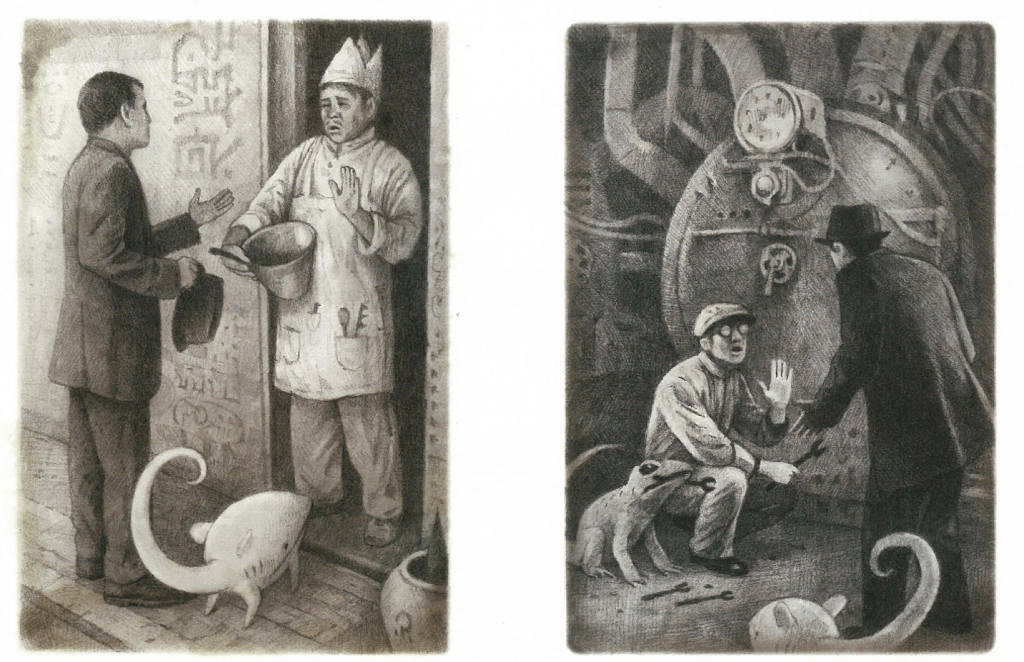
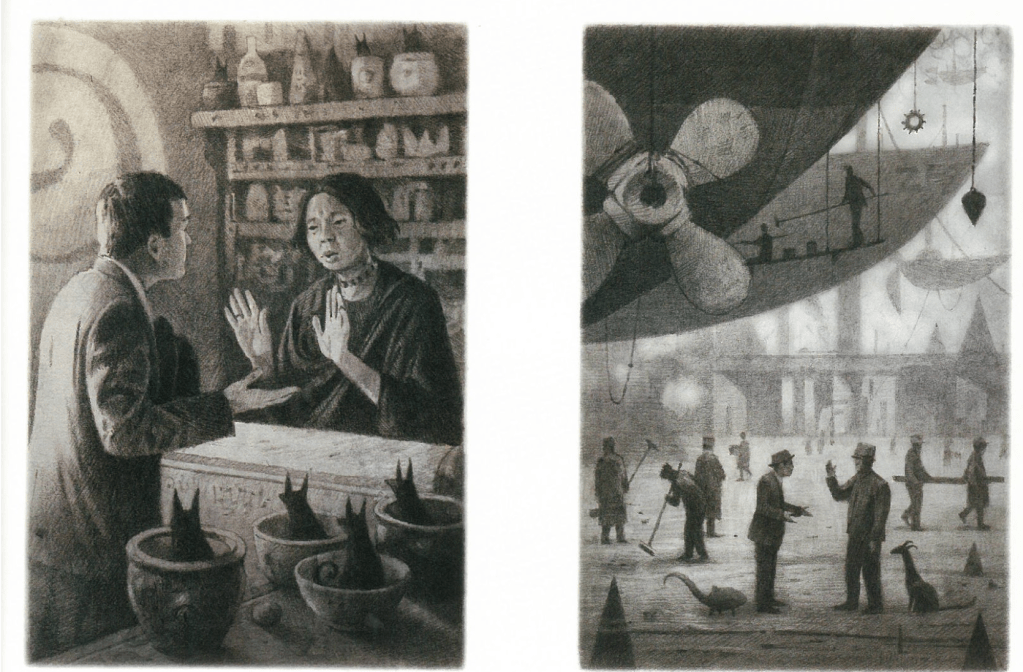
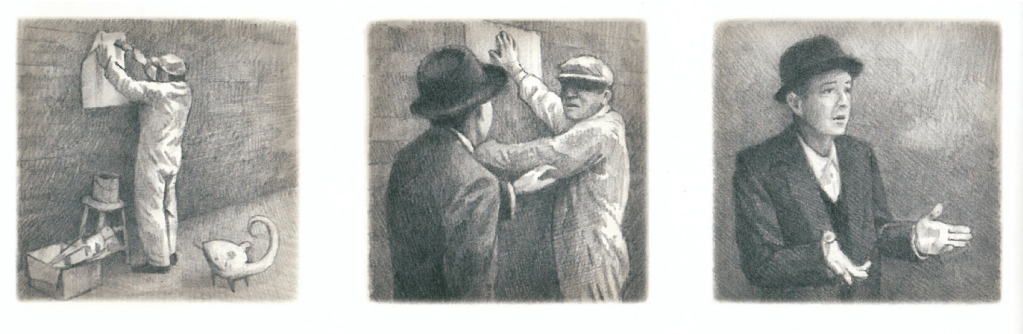
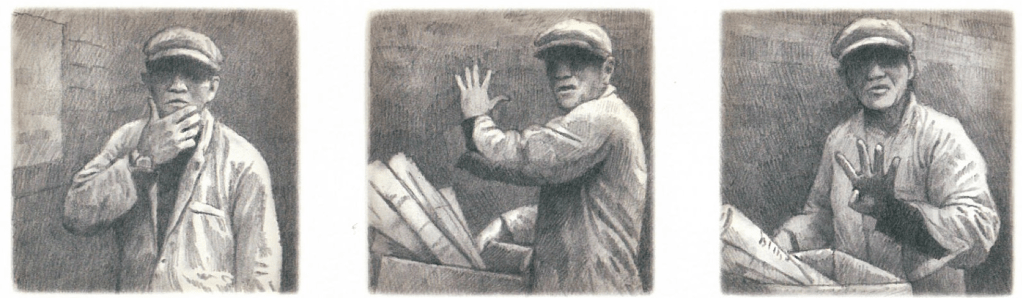
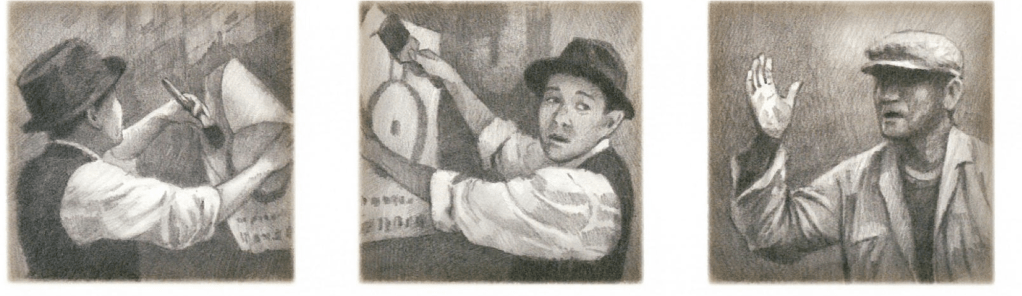
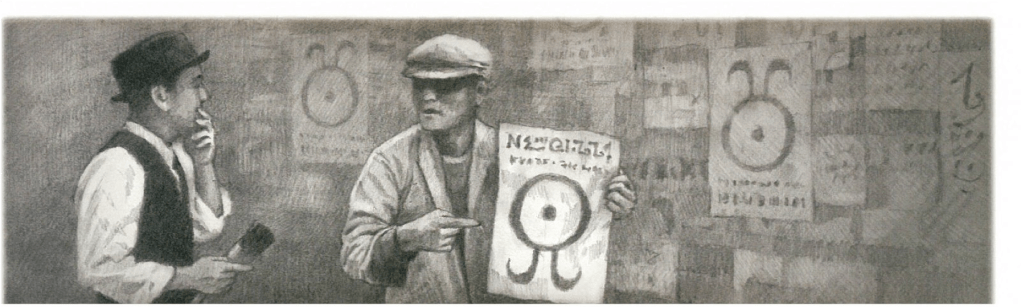
Our text for this session was an excerpt from the graphic novel โ€œThe Arrivalโ€ย byย Shaun Tan, posted below.

Our prompt was: โ€œWrite or draw an encounter when it was difficult to ask for what you needed.โ€

More details about this session will be posted soon, so check back!

Participants are warmly encouraged to share what you wrote below (โ€œLeave a Replyโ€), to keep the conversation going here, bearing in mind that the blog of course is a public space where confidentiality is not assured.

Also, we would love to learn more about your experience of these sessions, so if youโ€™re able, please take the time to fill out a follow-up survey of one to two quick questions!

Please join us for our next sessionย Monday, November 23rdย at 6pm EST,ย with more times listed on ourย Live Virtual Group Sessionsย page.